 EN
How to Assess Production Efficiency at a PP Woven Bag Factory
Discover the 4 critical production metrics—throughput, defect rate, equipment uptime & on-time delivery—to vet factories confidently.

2026/08/19
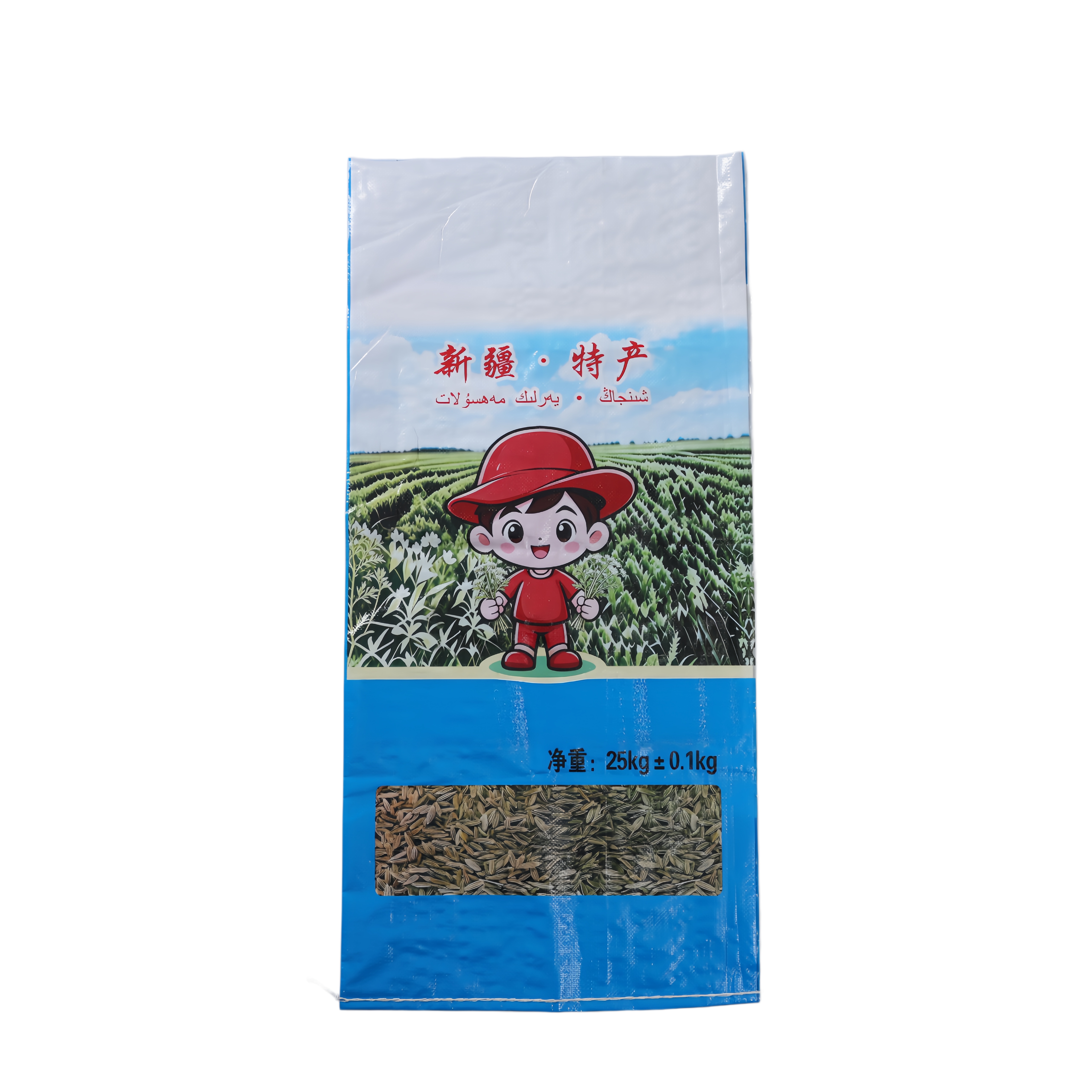
Print quality is one of the most critical factors that distinguish premium BOPP laminated bags from standard alternatives in the packaging industry. When manufacturers focus on high-definition printing capabilities, they unlock the ability to create packaging that not only protects contents but also communicates brand identity with stunning visual clarity. Understanding the specific factors that influence print quality on BOPP laminated bags helps brands make informed decisions about their packaging investments and ensures their products stand out on retail shelves.
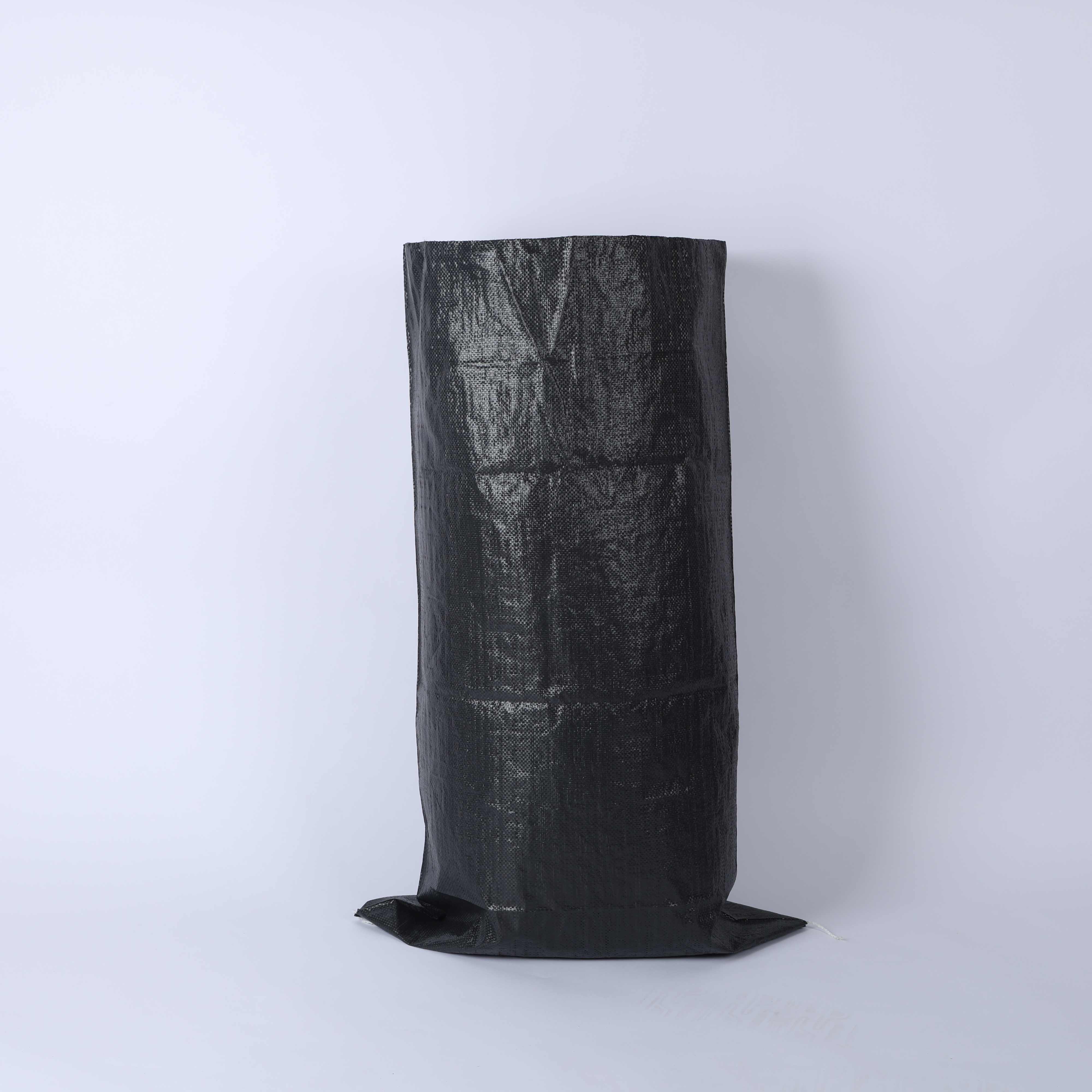
The quality of printed woven bags depends on multiple interconnected elements that work together to produce sharp, vibrant, and long-lasting graphics. From substrate preparation to ink formulation and curing processes, each stage of production influences the final appearance and durability of the printed design. Understanding these factors allows businesses to evaluate suppliers more effectively and demand bopp packaging solutions that truly align with their brand standards.
The foundation of any high-quality print begins with proper substrate preparation. A laminated pp bag must have a smooth, consistent surface to accept ink evenly and consistently. Lamination processes bond polypropylene films to woven base materials, creating a stable printing platform. When this lamination is executed at optimal pressure, temperature, and adhesive thickness, the resulting surface provides ideal conditions for vibrant color reproduction. Surface treatment through corona discharge or other activation methods further enhances ink adhesion, ensuring that printed woven bags maintain color integrity and resist fading during storage and handling.
The grade of polypropylene used in bopp woven bag manufacturing significantly affects print quality outcomes. Premium-grade materials feature consistent film thickness and purity levels that minimize defects and variations in ink absorption. Lesser-grade substrates often contain impurities or thickness inconsistencies that cause uneven ink distribution, leading to color variations and poor print definition. Selecting appropriate material grades specifically engineered for high-definition printing ensures that bopp packaging can deliver the visual impact that modern consumers expect.
Advanced ink formulations designed specifically for laminated pp bag applications play a crucial role in achieving superior print quality. Water-based and solvent-based inks each offer distinct advantages depending on the printing method and end-use requirements. High-performance inks contain additives that improve flow, adhesion, and color saturation while reducing drying time. The chemistry of the ink must be compatible with the polypropylene surface, ensuring that printed woven bags resist scratching, smudging, and weathering. When ink chemistry is optimized for the specific substrate and printing technology, the result is crisp, durable graphics that maintain aesthetic appeal throughout the product lifecycle.
Achieving consistent color reproduction across production runs requires sophisticated color management systems and quality control protocols. BOPP laminated bags benefit from standardized color specifications, spectrophotometric measurement, and regular calibration of printing equipment. Multi-color printing on bopp packaging demands precise color separation and register control to prevent color banding and misalignment. Digital color matching systems and batch-to-batch consistency monitoring ensure that customers receive packaging that meets their exact brand color specifications, reinforcing brand recognition and consumer confidence.
Different printing technologies offer varying levels of resolution and quality suitable for laminated pp bag applications. Flexographic printing, gravure, and digital printing each have distinct advantages for high-definition work. Flexographic printing delivers excellent cost-efficiency for large runs of printed woven bags with solid colors and simple designs. Gravure printing excels at producing fine detail and smooth color gradations on bopp woven bag surfaces. Digital printing technology enables rapid prototyping and exceptional color fidelity for complex designs on BOPP laminated bags, though production volumes influence cost-effectiveness. Selecting the appropriate printing method based on design complexity, production volume, and quality requirements ensures optimal results.
Precise control over print pressure, speed, temperature, and humidity directly impacts the final quality of bopp packaging graphics. Print pressure that is too high can distort fine details and cause ink bleeding on laminated pp bag surfaces. Insufficient pressure results in incomplete ink transfer and faded colors on printed woven bags. Equipment calibration must account for environmental factors such as temperature and relative humidity, which affect ink viscosity, substrate dimensional stability, and ink curing rates. Regular maintenance and monitoring of printing machinery ensures that BOPP laminated bags consistently achieve the resolution, color accuracy, and durability that customers demand.
The way ink dries and cures on laminated pp bag surfaces influences both immediate print quality and long-term durability. Thermal drying evaporates volatile solvents quickly, while UV curing systems polymerize specific ink formulations through light exposure. Improper curing on bopp woven bags results in tacky or powdery ink surfaces that transfer onto hands and adjacent surfaces. Advanced curing technologies integrated into production lines ensure that printed woven bags emerge fully cured, ready for immediate handling and packaging. The durability achieved through proper curing also protects graphics from fading during storage, transportation, and shelf display of bopp packaging.
Optional protective coatings applied over printed graphics significantly enhance the durability and appearance of BOPP laminated bags. Matte, gloss, and soft-touch overprint varnishes not only protect ink from scratching and fading but also influence the perceived quality and aesthetic appeal of the final product. These protective layers shield bopp woven bag designs from moisture, UV light, and mechanical abrasion during handling and distribution. Clear protective coatings on laminated pp bag surfaces create a barrier that maintains print vibrancy and color accuracy over extended periods, making them particularly valuable for products exposed to challenging storage or display conditions.
The most significant factors include substrate surface preparation, ink chemistry and formulation, printing technology selection, equipment calibration accuracy, and post-printing curing processes. Each element contributes to the final resolution, color accuracy, and durability of graphics on laminated pp bag surfaces. Coordinated control across all these factors ensures that printed woven bags achieve the high-definition quality that modern packaging demands.
Lamination creates a smooth, stable printing surface on bopp packaging by bonding polypropylene films to woven base materials. Proper lamination at controlled temperature, pressure, and adhesive thickness provides ideal conditions for ink adhesion and color reproduction. Poor lamination results in uneven surfaces that cause ink inconsistencies on BOPP laminated bags and reduce overall visual quality.
Specialized ink formulations designed for laminated pp bag applications ensure superior adhesion, color saturation, and durability on polypropylene substrates. Quality inks contain additives that enhance flow and reduce drying time while resisting fading, scratching, and weathering. Advanced ink chemistry directly impacts how vibrant and long-lasting the graphics appear on bopp woven bags throughout their lifecycle.

Discover the 4 critical production metrics—throughput, defect rate, equipment uptime & on-time delivery—to vet factories confidently.

Ensure regulatory compliance & worker safety with proven methods for chemical woven bags—material selection, labeling, storage & training.

Discover the full PP woven bag manufacturing workflow—from extrusion & weaving to printing & QC. Boost efficiency, compliance & ROI. Download the process guide now.

Struggling with weak bags or high material waste? Master extrusion and tape drawing tech for stronger, cheaper PP woven bags. Optimize your production line now.

Struggling with defects or customer returns? Discover the 5 non-negotiable quality checkpoints across your woven bag production line
Which automation tier is right for your PP woven bag factory? Compare manual to Industry 4.0 systems for cost, quality, and scalability.
Get in touch for details on polypropylene woven bags and flexible packaging solutions.
Tel
Address
No.2015, Liaoyuan Building, Lanshan District, Linyi City, Shandong Province.China

