 EN
How to Assess Production Efficiency at a PP Woven Bag Factory
Discover the 4 critical production metrics—throughput, defect rate, equipment uptime & on-time delivery—to vet factories confidently.

2026/08/31
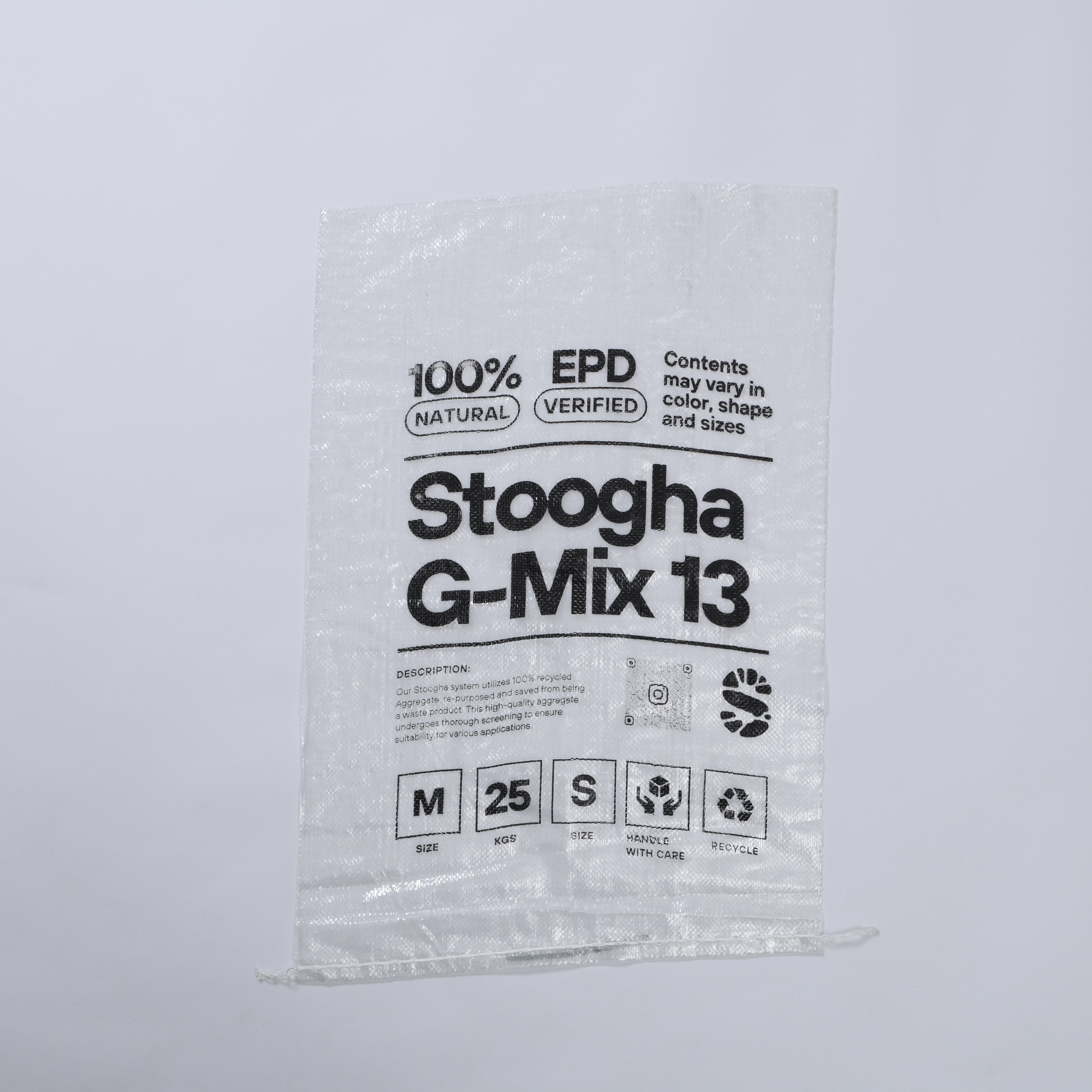
Print registration accuracy is a critical factor in rice bag branding that directly influences how your product appears on store shelves and reaches end consumers. When a rice bag arrives at its destination with misaligned graphics, inconsistent color placement, or distorted brand logos, it undermines customer confidence and damages brand perception. Understanding the mechanics of registration accuracy helps manufacturers, importers, and brand owners make informed decisions about production quality and supplier selection.
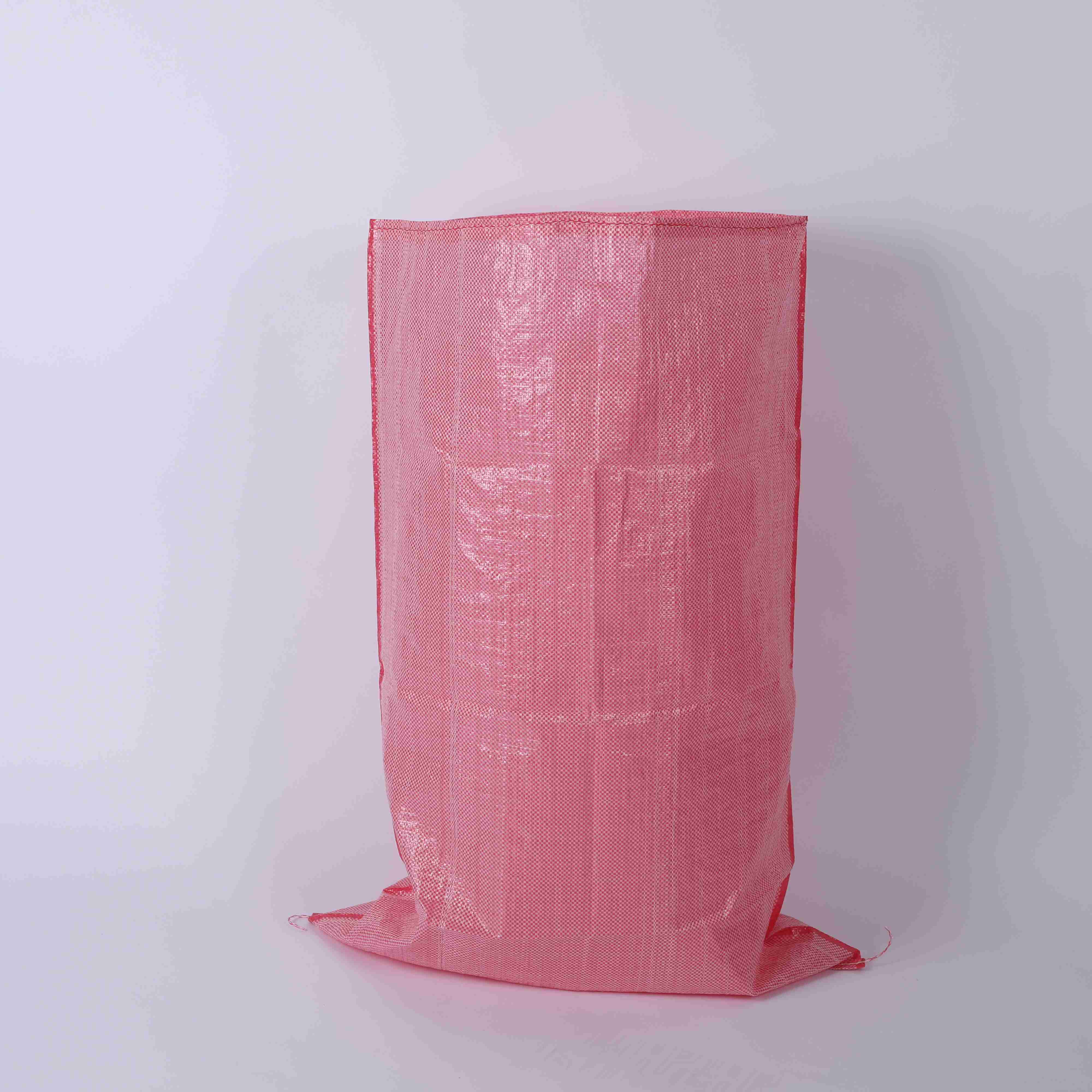
A rice packaging bag must meet precise visual standards to protect brand equity and ensure consumer trust. Registration accuracy refers to the alignment of multiple color layers, text elements, and graphical components during the printing process. In the competitive rice market, where consumers often make purchase decisions based on visual appeal and brand recognition, even minor registration errors can result in lost sales and reduced market share. This article explores the importance of registration accuracy and practical strategies to maintain consistent branding across your entire product line.
A rice bag with poor registration creates an unprofessional appearance that signals quality concerns to consumers. When color layers overlap incorrectly or text appears shifted, customers perceive the product as inferior, even if the rice inside is premium quality. Registration accuracy ensures that your brand logo, nutritional information, and decorative elements align perfectly, creating a polished, trustworthy appearance. This visual consistency builds consumer confidence and supports premium pricing strategies. In retail environments where products compete for attention, registration precision is a silent but powerful marketing tool that influences purchasing behavior and repeat customer loyalty.
Poor registration accuracy leads to waste, rework, and increased production costs in rice woven bag manufacturing. When registration errors occur, defective bags must be discarded or reprinted, consuming raw materials and extending lead times. Facilities equipped with advanced registration systems reduce defects, minimize waste, and improve overall production throughput. The investment in precision printing equipment pays dividends through reduced scrap rates and faster order fulfillment. For large-volume rice packaging operations, even a 2 to 3 percent improvement in registration accuracy translates to significant cost savings and competitive advantage.
Registration accuracy depends heavily on proper equipment calibration and regular maintenance of printing machinery. Modern printing systems use mechanical guides, sensor alignment, and computer-controlled registration to ensure consistent layer placement. When equipment is not properly calibrated, temperature fluctuations can cause material expansion or contraction, leading to registration drift during the production run. For a pp rice sack, maintaining consistent registration across thousands of units requires daily checks, sensor recalibration, and preventive maintenance schedules. Operators must understand how humidity, temperature, and material tension affect registration performance and adjust settings accordingly. Facilities that implement rigorous maintenance protocols achieve superior registration consistency and reduce downtime.
The quality of the substrate used for grain storage bag production significantly impacts registration accuracy. Woven polypropylene materials vary in thickness, surface texture, and dimensional stability based on manufacturing conditions. If substrate material has uneven thickness or surface irregularities, the printing press cannot maintain consistent contact, resulting in misalignment. Sourcing materials from reliable suppliers who maintain tight quality tolerances ensures that your rice packaging bag meets registration standards. Material shrinkage or expansion after printing can also affect perceived registration accuracy if the substrate properties are not controlled during production. Working with suppliers who provide certified material specifications helps minimize registration variability.
Implementing robust quality control procedures ensures that every rice packaging bag meets registration standards before leaving the facility. Automated vision systems can inspect printed materials at high speeds, detecting registration errors that human inspection might miss. Color matching equipment validates that ink colors remain consistent throughout production runs. For rice woven bag operations, statistical process control charts track registration performance over time, enabling operators to detect trends and make adjustments before defects become widespread. Regular sampling and detailed documentation of registration measurements provide evidence of quality consistency and support continuous improvement efforts. Third-party audits of quality systems add credibility to registration accuracy claims.
Proper artwork preparation by experienced designers minimizes registration challenges during the pp rice sack production process. Files must be prepared with precise color separation, appropriate trap settings, and clear registration marks that production equipment can recognize and use for alignment. Designers should understand the limitations of the specific printing technology being used and build registration tolerance into artwork layouts. Complex multi-color designs require larger registration allowances than simpler layouts, and this should be considered during the design phase. When designing for a grain storage bag intended for international markets, consider that different printing facilities may have varying equipment capabilities, and design accordingly with built-in registration margin.
Close collaboration with printing suppliers helps establish clear registration accuracy standards and expectations. Providing detailed specifications, sample approvals, and first-article inspection reports creates a shared understanding of quality requirements. Open communication about registration tolerances, acceptable error ranges, and the business impact of registration failures encourages suppliers to prioritize accuracy. Regular performance reviews and feedback sessions help identify improvement opportunities and reinforce commitment to quality standards. Suppliers who understand the importance of registration accuracy in your rice bag branding strategy become strategic partners rather than transactional vendors, leading to better long-term outcomes.
Industry standards typically require registration accuracy of plus or minus 2 to 3 millimeters for rice packaging bag printing, depending on design complexity and printing technology. Some premium applications may require tighter tolerances of plus or minus 1 millimeter. The acceptable tolerance should be specified in your product design guidelines and communicated to suppliers during the quoting process. Tighter tolerances require more advanced equipment and skilled operators, which increases production costs but improves visual quality.
Humidity causes moisture absorption in polypropylene materials, leading to dimensional changes that affect registration accuracy. When relative humidity increases, the substrate expands, and when humidity decreases, the material contracts. For rice woven bag facilities, maintaining stable humidity levels between 45 and 55 percent reduces registration variability caused by material movement. Climate control systems in production areas help stabilize conditions, and some facilities require acclimatization of materials before printing to minimize post-print registration shift.
Registration accuracy must be controlled during the printing process and cannot be meaningfully corrected after production is complete. While minor visual adjustments during assembly or packaging stages are possible, they are limited and often ineffective. The best approach is to invest in proper equipment, maintenance, quality control, and supplier management to achieve accurate registration during initial printing. Attempting to fix registration errors after production is complete typically results in additional waste and higher costs than preventing errors in the first place.

Discover the 4 critical production metrics—throughput, defect rate, equipment uptime & on-time delivery—to vet factories confidently.

Ensure regulatory compliance & worker safety with proven methods for chemical woven bags—material selection, labeling, storage & training.

Discover the full PP woven bag manufacturing workflow—from extrusion & weaving to printing & QC. Boost efficiency, compliance & ROI. Download the process guide now.

Struggling with weak bags or high material waste? Master extrusion and tape drawing tech for stronger, cheaper PP woven bags. Optimize your production line now.

Struggling with defects or customer returns? Discover the 5 non-negotiable quality checkpoints across your woven bag production line
Which automation tier is right for your PP woven bag factory? Compare manual to Industry 4.0 systems for cost, quality, and scalability.
Get in touch for details on polypropylene woven bags and flexible packaging solutions.
Tel
Address
No.2015, Liaoyuan Building, Lanshan District, Linyi City, Shandong Province.China

