 EN
How to Assess Production Efficiency at a PP Woven Bag Factory
Discover the 4 critical production metrics—throughput, defect rate, equipment uptime & on-time delivery—to vet factories confidently.

2026/09/22
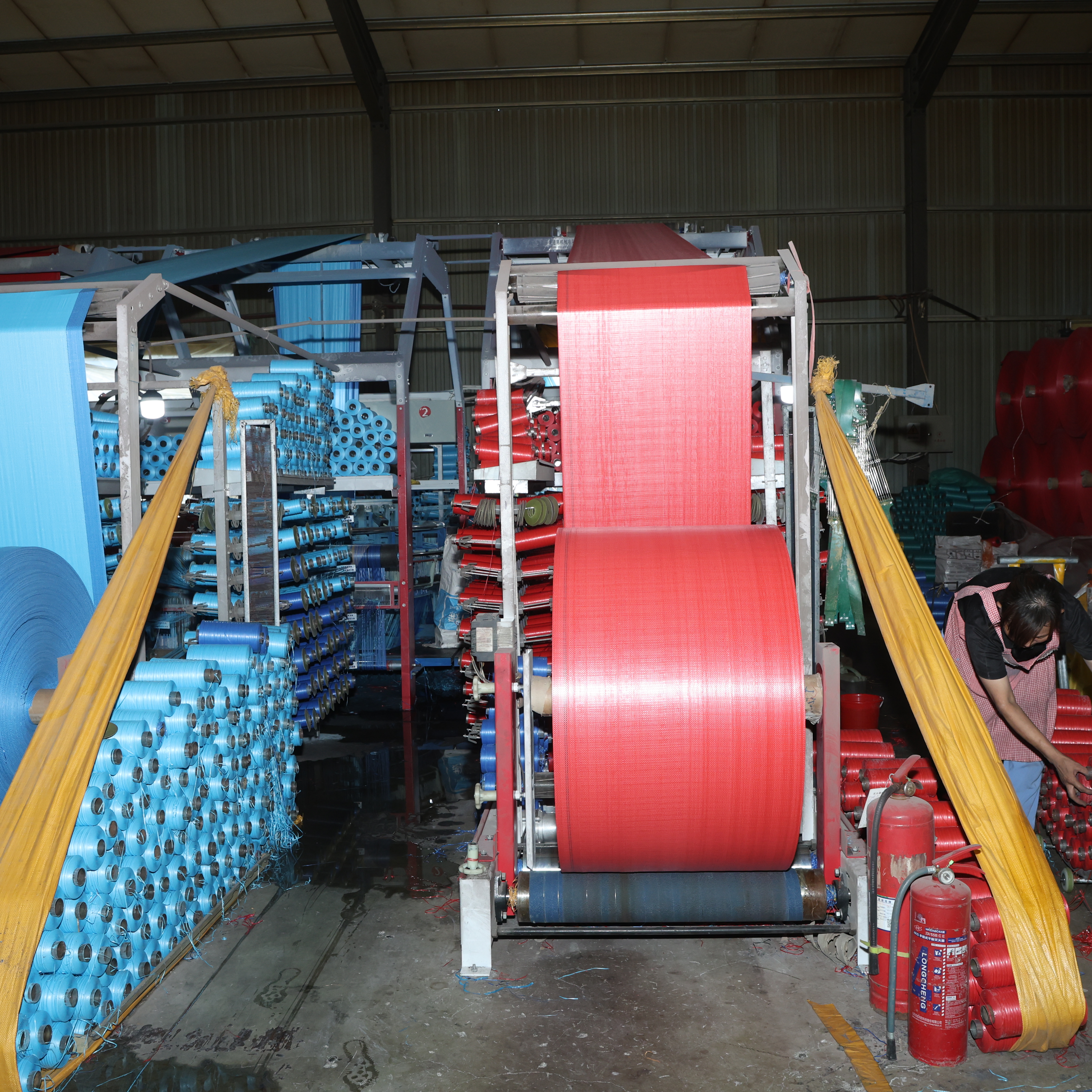
Understanding production capacity metrics is essential for any PP woven bag manufacturer seeking to optimize operations and meet market demands efficiently. Production capacity encompasses the maximum output a facility can achieve under specific conditions, measured in tons per hour, bags per minute, or units per shift. For woven bag factories, accurate capacity assessment directly influences pricing strategies, delivery timelines, and customer satisfaction. Manufacturers must track multiple metrics simultaneously to ensure consistent quality while maximizing throughput.
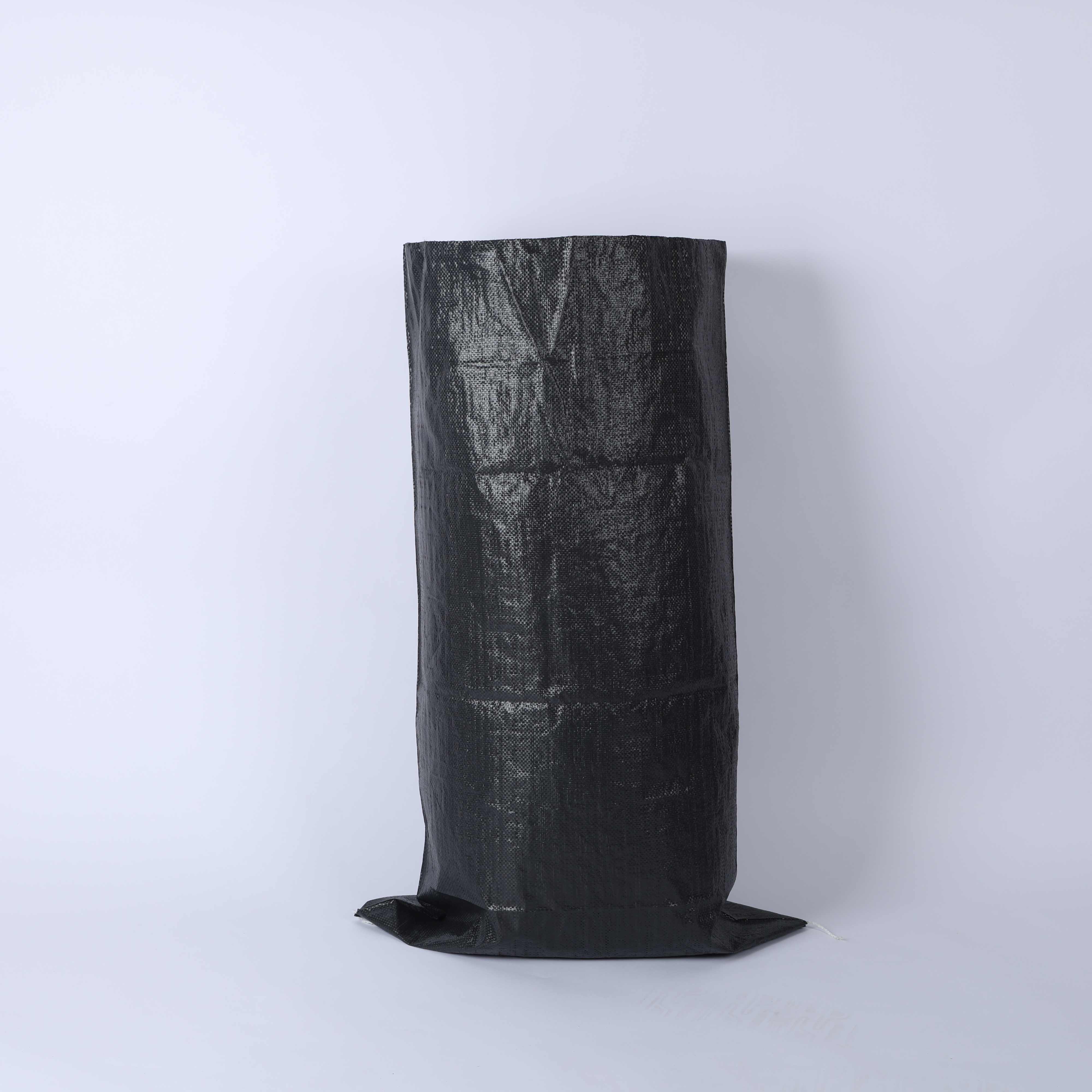
Every woven bag supplier must establish clear benchmarks for equipment performance, labor productivity, and material utilization to remain competitive. Production capacity metrics serve as the foundation for strategic planning, from purchasing decisions to workforce allocation and expansion timelines. For a custom pp woven bag operation, these measurements become critical when balancing batch sizes, lead times, and quality standards across diverse customer specifications. Understanding how to measure, track, and improve these metrics separates efficient manufacturers from those struggling with bottlenecks and delayed shipments.
Equipment output represents the primary measure of production capacity at any woven bag factory. Looms, lamination machines, cutting units, and sewing lines each have rated capacities measured in units per hour or kilograms per shift. A typical pp bag production line can range from 500 to 2,500 bags per hour, depending on bag size, material thickness, and design complexity. Understanding the actual versus theoretical capacity of each machine helps identify underutilization and opportunities for process improvement.
Calculating effective equipment capacity requires monitoring both uptime and speed rates. Uptime reflects the percentage of scheduled production hours when equipment operates without unplanned downtime. Speed rate measures actual production speed against the machine's maximum rated speed, accounting for setup, changeovers, and minor stoppages. For custom pp woven bag manufacturers, these factors vary significantly based on order volume and product complexity.
Labor productivity directly affects the capacity calculations of any woven bag supplier. Productivity is measured in units produced per labor hour, accounting for both direct production staff and support personnel. A well-trained workforce in a pp bag production environment can maintain consistent output while reducing defects and material waste. Training investments and worker retention strategies become capacity enablers that extend beyond simple headcount calculations.
Shift scheduling, absenteeism, and skill distribution all influence effective labor capacity. A woven bag factory operating multiple shifts must maintain consistent quality and pace across all shifts. Seasonal demand fluctuations require flexibility in workforce size, yet maintaining core experienced staff ensures capacity stability. Performance tracking systems help identify individual and team-level productivity benchmarks for custom pp woven bag production.
Material availability directly constrains production capacity at any woven bag factory. Raw material shortages, supplier delays, or quality issues can reduce output below equipment capacity. A woven bag supplier must maintain adequate inventory buffers for polypropylene pellets, dyes, additives, and packaging materials. Calculating material throughput in relation to pp bag production schedules ensures supply chain alignment with manufacturing commitments.
Storage space, material handling equipment, and logistics workflows affect the real-world capacity of a custom pp woven bag operation. Efficient warehouse management, just-in-time material delivery, and organized production scheduling maximize the usable portion of theoretical equipment capacity. Many manufacturers discover that their actual bottleneck exists not in production equipment but in material preparation or finished goods handling.
Quality performance directly reduces effective production capacity through rework, scrap, and customer returns. A pp bag production line operating at 98 percent first-pass quality still loses 2 percent of output to rework or disposal. Defect rates stemming from material quality, machine calibration, or operator error accumulate across shifts and significantly reduce net capacity. Preventive maintenance, quality control checkpoints, and process stability investments improve real-world output at woven bag factories.
Custom pp woven bag orders often face tighter quality requirements than standard products, increasing inspection and potential rework time. Understanding the true capacity cost of quality specifications helps a woven bag supplier quote accurately and plan realistically. Tracking defect causes and implementing corrective actions incrementally improves the ratio of good output to total production time.
Effective pp bag production planning requires matching capacity to anticipated demand while avoiding overinvestment or chronic shortages. A woven bag factory must forecast seasonal trends, industry cycles, and customer growth patterns to size equipment and staffing appropriately. Capacity utilization targets typically range from 70 to 85 percent to accommodate demand variability while maintaining financial efficiency.
Understanding peak demand periods helps a custom pp woven bag manufacturer decide between subcontracting, temporary staffing, or permanent capacity expansion. Some woven bag suppliers maintain relationships with contract manufacturers to handle surge demand without fixed asset commitments. Capacity decisions also influence pricing, as underutilized facilities carry higher per-unit costs compared to well-matched production levels.
Production capacity metrics guide investment prioritization for any pp bag production facility. Data-driven analysis reveals which equipment upgrades, layout changes, or process modifications generate the highest capacity gains per dollar invested. Lean manufacturing principles, Six Sigma methodologies, and industry benchmarking help woven bag factories identify improvement opportunities systematically.
A woven bag supplier considering expansion must evaluate whether to increase existing line speed, add parallel lines, or optimize scheduling before purchasing new equipment. Many manufacturers find that 15 to 30 percent capacity gains emerge from operational improvements before capital expenditure becomes necessary. Custom pp woven bag orders often benefit from scheduling optimization that consolidates similar products and minimizes changeover time.
Modern woven bag factories typically operate equipment capable of producing 500 to 2,500 bags per hour per line, depending on bag specifications and market segment. Actual throughput often reaches 60 to 75 percent of theoretical maximum due to changeovers, maintenance, and quality management. A custom pp woven bag manufacturer with five parallel production lines might achieve 5,000 to 7,500 bags per hour net output across a shift.
Woven bag suppliers calculate delivery timelines by dividing total order quantity by actual, not theoretical, production capacity. Safety factors accounting for unplanned downtime, material delays, and quality rework are typically added to generate conservative estimates. A pp bag production scheduler must also account for queue time when multiple orders compete for limited equipment. Custom pp woven bag orders often receive longer lead times due to setup requirements and lower batch sizes.
Key metrics include equipment uptime, speed utilization, labor hours per unit, material yield, defect rates, and queue time between production stages. Tracking these separately reveals whether bottlenecks originate in machinery, materials, quality, or scheduling. A pp bag production facility should measure capacity metrics daily and trend them weekly to catch deterioration early. Custom pp woven bag manufacturers benefit from detailed segment analysis comparing capacity performance across product types and customer orders.

Discover the 4 critical production metrics—throughput, defect rate, equipment uptime & on-time delivery—to vet factories confidently.

Ensure regulatory compliance & worker safety with proven methods for chemical woven bags—material selection, labeling, storage & training.

Discover the full PP woven bag manufacturing workflow—from extrusion & weaving to printing & QC. Boost efficiency, compliance & ROI. Download the process guide now.

Struggling with weak bags or high material waste? Master extrusion and tape drawing tech for stronger, cheaper PP woven bags. Optimize your production line now.

Struggling with defects or customer returns? Discover the 5 non-negotiable quality checkpoints across your woven bag production line
Which automation tier is right for your PP woven bag factory? Compare manual to Industry 4.0 systems for cost, quality, and scalability.
Get in touch for details on polypropylene woven bags and flexible packaging solutions.
Tel
Address
No.2015, Liaoyuan Building, Lanshan District, Linyi City, Shandong Province.China

