 EN
How to Assess Production Efficiency at a PP Woven Bag Factory
Discover the 4 critical production metrics—throughput, defect rate, equipment uptime & on-time delivery—to vet factories confidently.

2026/08/24
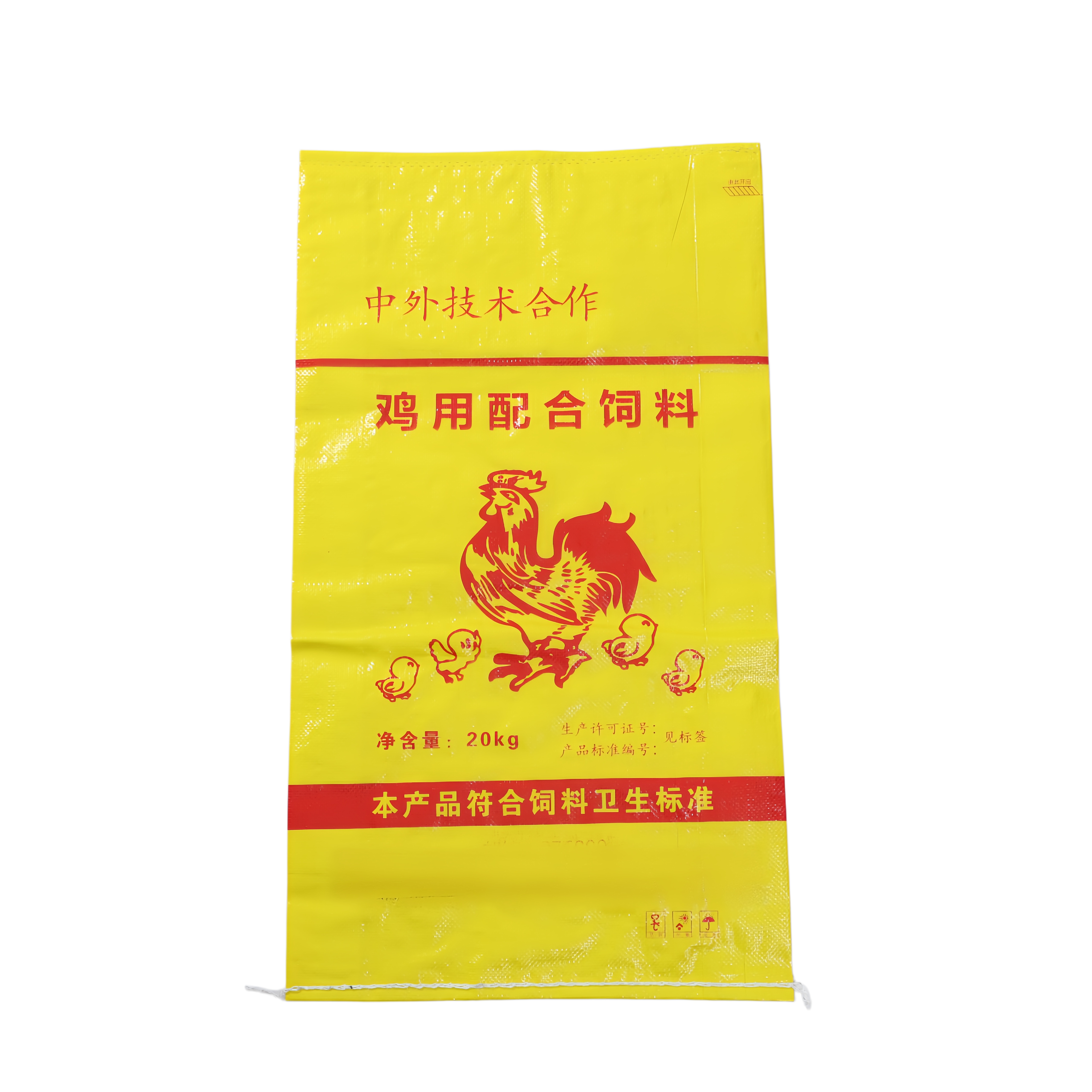
Understanding production lead time factors at a rice bag factory is critical for supply chain planning and inventory management. Lead time—the duration from order placement to delivery—directly impacts your procurement strategy, cash flow, and ability to meet seasonal demand. A Rice Bag Manufacturer must balance multiple operational constraints to deliver custom rice bag orders on schedule while maintaining cost efficiency and quality standards.
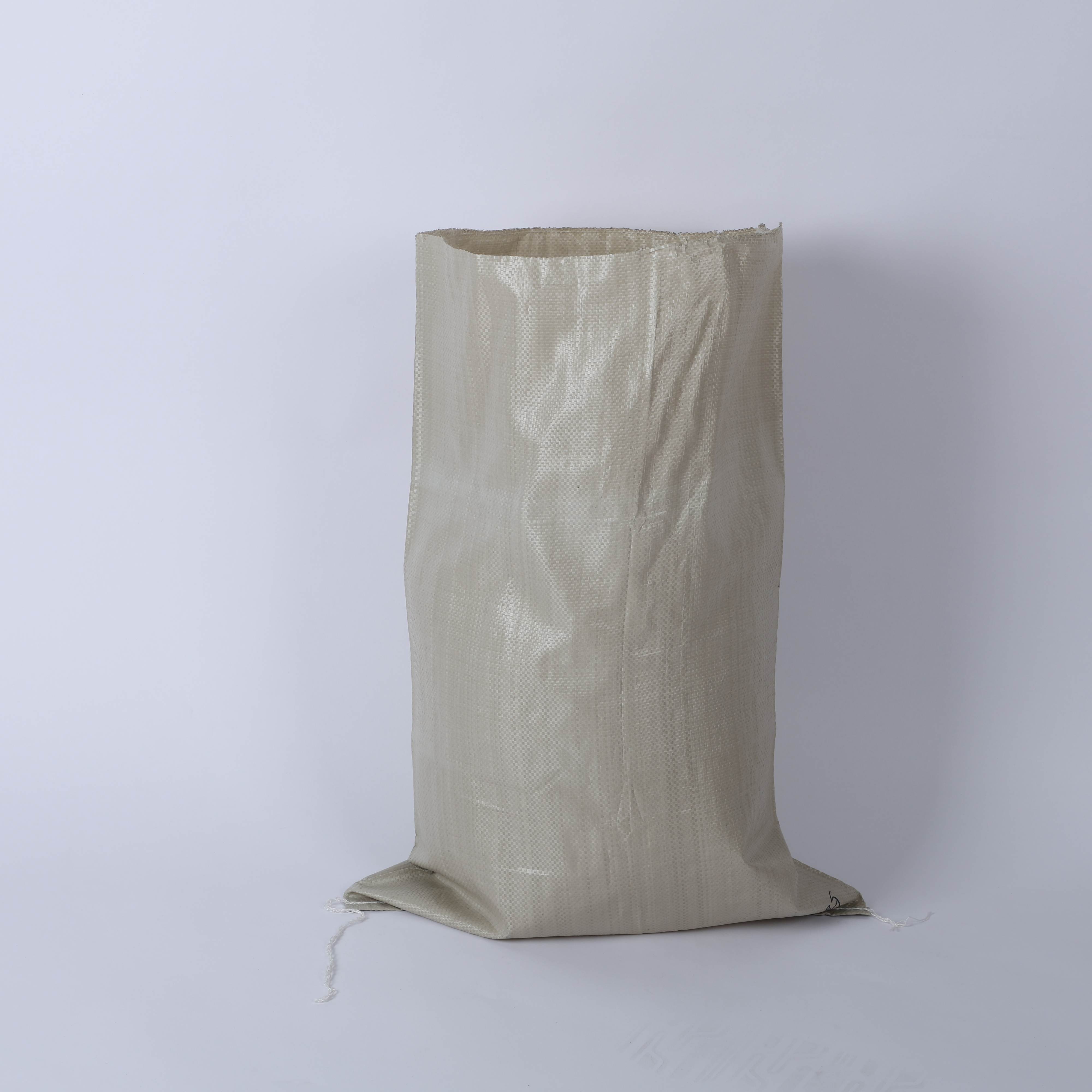
Lead time variance at a rice packaging supplier stems from raw material availability, production capacity, order complexity, and logistics infrastructure. Understanding these factors enables procurement teams to negotiate realistic timelines, plan inventory buffers, and avoid supply disruptions. This guide examines the primary production lead time factors that influence pp rice bag production and delivery schedules.
Polypropylene resin forms the foundation of pp rice bag production. Resin supply chains are subject to global commodity price fluctuations, refinery capacity constraints, and shipping delays. When a rice packaging supplier sources resin from international suppliers, lead times extend due to ocean freight schedules and customs clearance procedures. Domestic resin sourcing reduces transit time but may limit supplier options and increase costs. Rice bag factory operations depend on steady resin inventory to maintain uninterrupted production.
Custom rice bag production requires additives for UV stabilization, heat resistance, and moisture barrier properties. These specialty chemicals must meet food-safety standards and environmental regulations. Sourcing delays for additives directly extend overall production lead times. A rice bag factory with integrated chemical suppliers or inventory buffers can compress lead times significantly compared to facilities dependent on spot-market purchases.
Bag production speed depends on weaving, lamination, printing, and stitching equipment specifications. Modern facilities operate multiple extrusion and weaving lines simultaneously, but equipment maintenance, changeovers, and quality inspections create scheduling friction. pp rice bag production rates vary from 40 to 120 bags per minute depending on equipment age and grade. A rice packaging supplier operating at full capacity faces longer lead times than one with spare production bandwidth.
Rice bag factory managers consolidate orders into production batches to optimize material usage and reduce per-unit costs. Batching delays small orders by 1–2 weeks until sufficient volume accumulates. Custom rice bag requests requiring unique printing, lamination patterns, or material blends necessitate machine setup time and trial runs. Lead time increases proportionally with the number of production changes required during a scheduling period.
Rice packaging supplier operations must comply with food contact material regulations, moisture vapor transmission standards, and bag strength specifications. Tensile testing, burst testing, and seam strength validation add 2–5 days to the production cycle. Custom rice bag orders often require third-party certification or customer-specific quality reports. These validation processes, while essential for market access, directly extend overall lead times at any rice bag factory.
Custom rice bag designs undergo color matching, alignment verification, and barcode validation before full-scale production. pp rice bag production with multi-color printing or complex graphics requires setup optimization and waste material management. Color variations across production batches may trigger rework cycles, compressing timelines further. A rice packaging supplier with advanced color management systems and in-house design capabilities reduces these delays significantly.
After production completion, custom rice bag orders may stage in warehouse facilities pending volume consolidation or customer pickup scheduling. Storage duration adds 3–7 days to total lead time. Rice bag factory efficiency depends on warehouse layout, inventory tracking systems, and transportation route optimization. Orders destined for distant regions face additional consolidation delays to minimize shipping costs.
pp rice bag production delivery timelines depend heavily on transportation mode—truck, rail, or multimodal combinations. Local deliveries complete within 2–3 days, while long-distance shipments via rail require 7–14 days. A rice packaging supplier operating multiple distribution centers reduces final-mile transit time. International orders involving export documentation and customs clearance add 10–21 days beyond production completion.
Order complexity directly increases lead time by 20–40%. Standard pp rice bag production with single-color printing and baseline lamination takes 10–14 days from order to shipment. Custom rice bag orders with multiple printing colors, specialty laminates, or unique bag dimensions require 18–28 days. A rice packaging supplier quotes timelines based on design complexity, production scheduling availability, and material availability.
Yes, but with trade-offs. Priority production accelerates custom rice bag orders by reserving dedicated equipment and eliminating batch consolidation delays. Rush charges typically add 15–25% to order costs. pp rice bag production expediting reduces lead times from 14 days to 7–10 days for standard specifications. Rush requests are feasible only when rice bag factory capacity permits; during peak seasons, expediting options become limited or unavailable.
Provide specifications including bag dimensions, material grade (virgin versus recycled polypropylene), printing requirements, lamination type, and desired delivery location. Communicate target order volume and any seasonal timing constraints. Share existing quality standards or certifications required. A rice packaging supplier with complete information provides realistic custom rice bag lead times. Incomplete specifications cause quote revisions and scheduling delays after order placement, compressing actual production windows.

Discover the 4 critical production metrics—throughput, defect rate, equipment uptime & on-time delivery—to vet factories confidently.

Ensure regulatory compliance & worker safety with proven methods for chemical woven bags—material selection, labeling, storage & training.

Discover the full PP woven bag manufacturing workflow—from extrusion & weaving to printing & QC. Boost efficiency, compliance & ROI. Download the process guide now.

Struggling with weak bags or high material waste? Master extrusion and tape drawing tech for stronger, cheaper PP woven bags. Optimize your production line now.

Struggling with defects or customer returns? Discover the 5 non-negotiable quality checkpoints across your woven bag production line
Which automation tier is right for your PP woven bag factory? Compare manual to Industry 4.0 systems for cost, quality, and scalability.
Get in touch for details on polypropylene woven bags and flexible packaging solutions.
Tel
Address
No.2015, Liaoyuan Building, Lanshan District, Linyi City, Shandong Province.China

