 EN
How to Assess Production Efficiency at a PP Woven Bag Factory
Discover the 4 critical production metrics—throughput, defect rate, equipment uptime & on-time delivery—to vet factories confidently.

2026/08/05
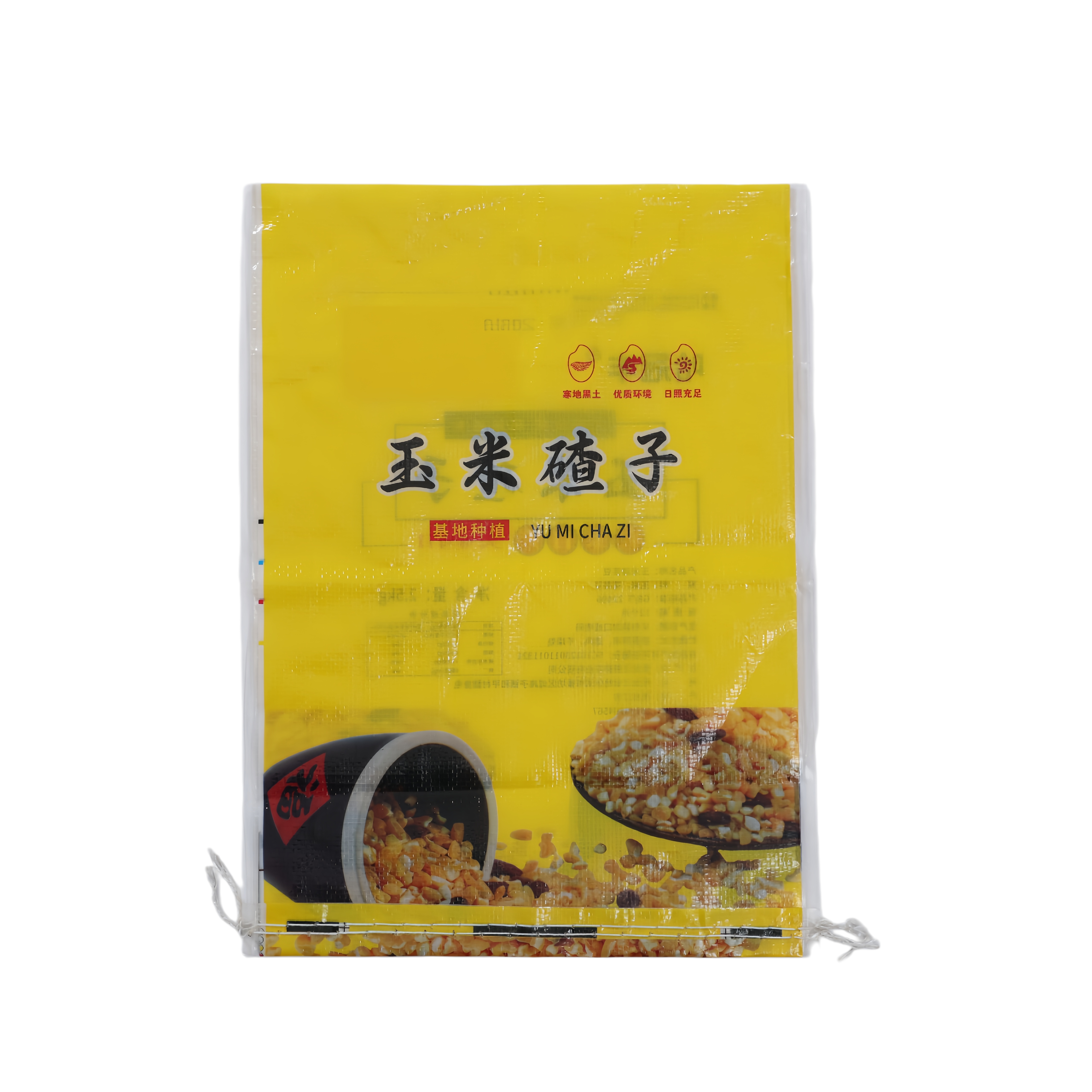
Before launching into full-scale manufacturing, conducting thorough prototype testing is essential for custom woven bags. This critical phase ensures that your design meets functional requirements, visual specifications, and durability standards. Skipping or rushing prototype testing often leads to costly production errors, material waste, and customer dissatisfaction. Understanding the prototype testing steps helps manufacturers and brand owners make informed decisions and validate their investment before committing to large production runs.
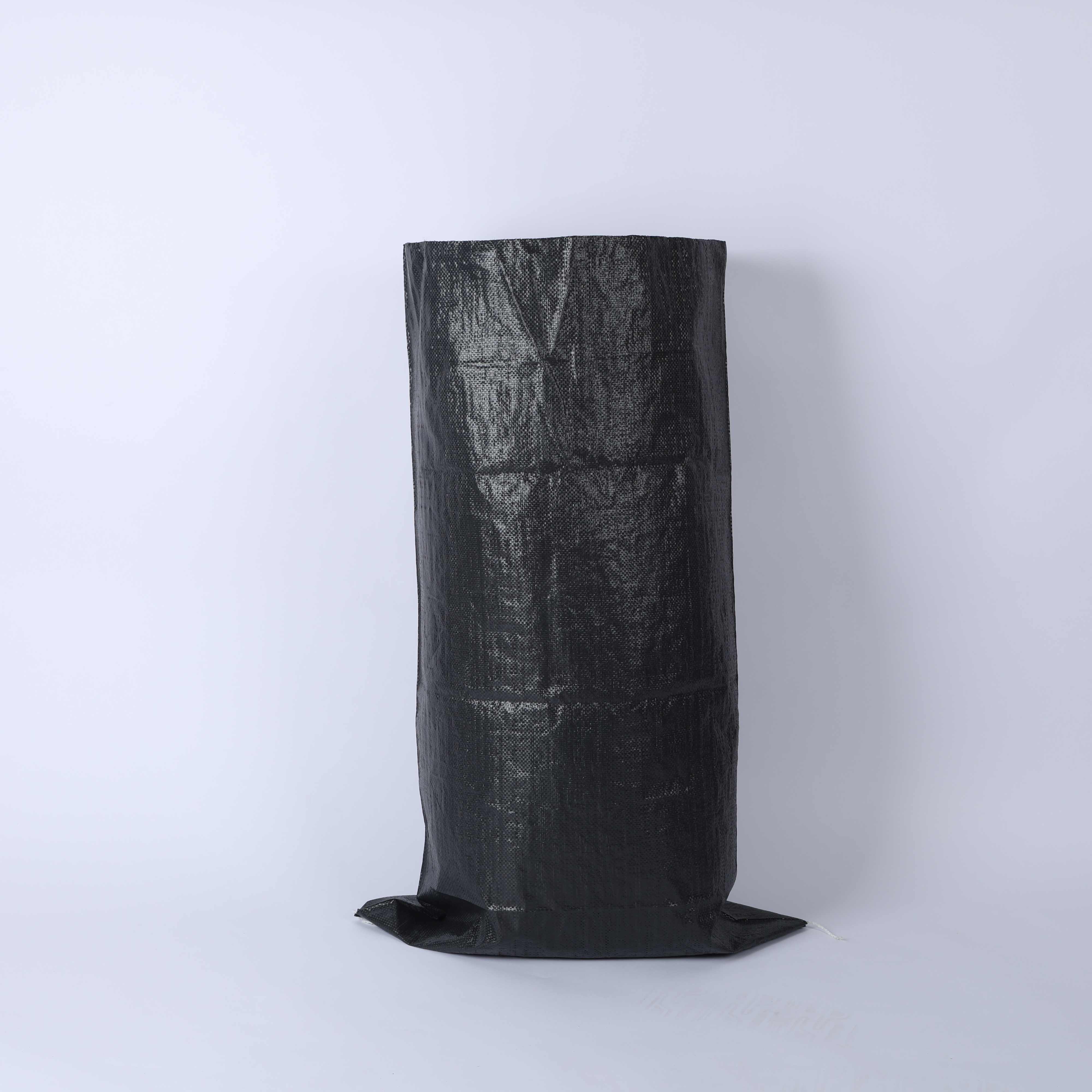
The prototype phase represents a bridge between concept and full manufacturing. During this stage, you validate material quality, weave structure, color accuracy, print placement, and overall construction integrity. Testing prototypes allows you to identify design flaws, optimize seam reinforcement, verify dimension accuracy, and confirm that a custom printed woven bag meets your exact specifications before scaling production. This investment in prototype evaluation significantly reduces the risk of expensive corrections during mass production.
The first step in prototype testing involves creating initial samples based on your design specifications and material requirements. These samples represent your vision in physical form, incorporating your chosen polypropylene specifications, weave density, and desired dimensions. Working with experienced manufacturers ensures that your custom packaging solution prototype accurately reflects your design intent and quality expectations. The initial sample serves as the baseline for all subsequent testing phases and design refinement.
Material quality directly impacts how your personalized pp bag performs under real-world conditions. During this phase, tensile strength testing evaluates the resistance of woven fabric to tearing and stretching. Burst strength measurements assess how much internal pressure the bags can withstand before rupturing, which is critical for products that require robust containment. Puncture resistance testing simulates sharp object contact, while abrasion testing evaluates fabric wear during handling and transportation. Color fastness assessment ensures that printed designs remain vibrant and resistant to fading under UV exposure, moisture, and extended storage.
A custom printed woven bag prototype must demonstrate precise print placement and registration accuracy. During this phase, verify that logos, text, and design elements align perfectly across multiple production angles. Measure print placement tolerances against your original specifications, ensuring consistency from front to back and side to side. Color matching between your approved artwork and the physical prototype should be evaluated under standardized lighting conditions to confirm that the final custom packaging solution meets brand standards. Print clarity, line definition, and color saturation require detailed assessment at this stage.
Ink adhesion testing ensures that printed designs remain intact during use, washing, and environmental exposure. Rub testing simulates handling and friction to verify that the print does not flake or fade with normal contact. Chemical resistance testing assesses how well the personalized pp bag tolerates exposure to oils, moisture, and storage conditions relevant to your intended product. Accelerated aging tests expose prototypes to UV light and moisture to simulate months or years of real-world storage. These tests confirm that your print quality will endure throughout the product lifecycle without deterioration.
Seam integrity directly impacts the reliability and longevity of your tailored woven sack. Pull testing measures the force required to separate seams, ensuring they meet or exceed your performance standards. Visual inspection evaluates stitch uniformity, thread tension, and seam alignment across the entire prototype. Stress testing at seams and reinforced areas confirms that weak points are properly reinforced and capable of handling the intended load. Defective or inconsistent stitching must be identified and corrected before mass production to avoid widespread quality failures.
Precise dimension verification ensures that your custom packaging solution fits perfectly into supply chain workflows, storage systems, and end-use applications. Measure bag height, width, depth, gusset dimensions, and handle lengths against your approved technical drawings. Test closure mechanisms, zipper function if applicable, and handle durability through repeated opening and load-bearing cycles. Prototype production trial runs at actual manufacturing speeds identify potential machinery adjustments, tooling modifications, or process refinements needed for reliable mass production. These tests simulate real production conditions and reveal bottlenecks before full-scale commitment.
Prototype testing duration varies based on scope and complexity but typically ranges from two to four weeks. Initial sampling and material testing take one to two weeks, while print quality and durability assessments add another one to two weeks. Rush testing is available through expedited schedules, though thorough evaluation should not be sacrificed for speed. The time invested in comprehensive prototype testing ultimately saves weeks or months by preventing costly production errors and rework.
If prototypes fail testing, manufacturers and brand owners must identify the root cause and implement corrections. Common issues include material substitution, print process adjustments, seam reinforcement modifications, or design refinements. A revised prototype is then produced and retested to verify that corrections resolved the identified issues. This iterative process continues until the custom printed woven bag meets all specifications and performance standards. This cycle is essential for ensuring quality assurance and preventing mass production failures.
Yes, prototype testing is essential for confirming manufacturing feasibility and identifying potential production constraints. Testing reveals machinery limitations, material handling challenges, process bottlenecks, and cost implications that may require design adjustment. A personalized pp bag prototype that functions perfectly as a single sample may encounter challenges at production scale if process details are not optimized. Prototype evaluation provides critical insights for refining manufacturing workflows, ensuring that your tailored woven sack design is both practical and economically viable for full-scale production.

Discover the 4 critical production metrics—throughput, defect rate, equipment uptime & on-time delivery—to vet factories confidently.

Ensure regulatory compliance & worker safety with proven methods for chemical woven bags—material selection, labeling, storage & training.

Discover the full PP woven bag manufacturing workflow—from extrusion & weaving to printing & QC. Boost efficiency, compliance & ROI. Download the process guide now.

Struggling with weak bags or high material waste? Master extrusion and tape drawing tech for stronger, cheaper PP woven bags. Optimize your production line now.

Struggling with defects or customer returns? Discover the 5 non-negotiable quality checkpoints across your woven bag production line
Which automation tier is right for your PP woven bag factory? Compare manual to Industry 4.0 systems for cost, quality, and scalability.
Get in touch for details on polypropylene woven bags and flexible packaging solutions.
Tel
Address
No.2015, Liaoyuan Building, Lanshan District, Linyi City, Shandong Province.China

