 EN
How to Assess Production Efficiency at a PP Woven Bag Factory
Discover the 4 critical production metrics—throughput, defect rate, equipment uptime & on-time delivery—to vet factories confidently.

2026/08/17
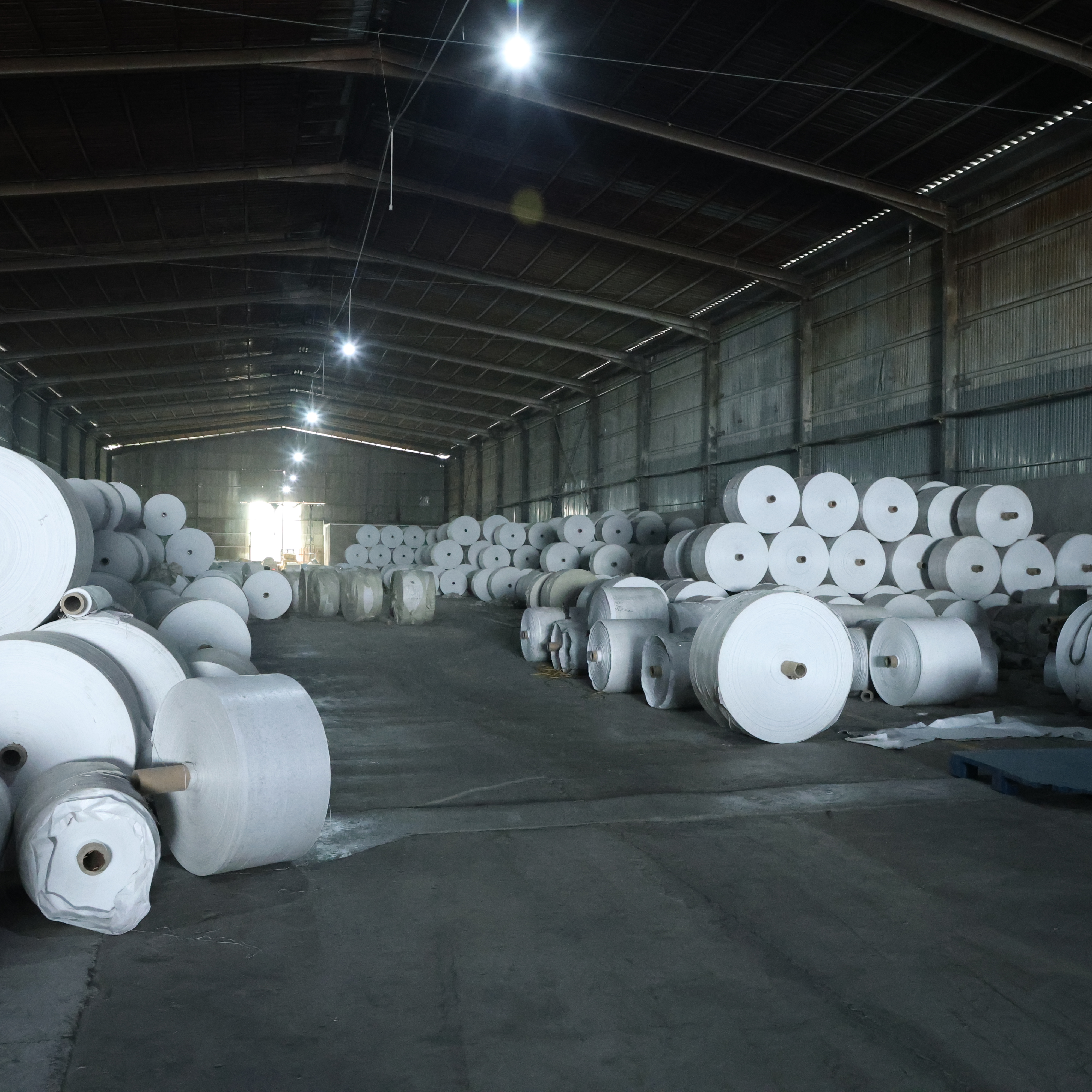
Understanding raw material sourcing practices is essential for anyone involved in the polypropylene packaging industry. A PP woven bag manufacturer must carefully evaluate how materials are sourced, processed, and integrated into production workflows to maintain consistent quality and cost efficiency. The decisions made at the sourcing stage directly impact product performance, regulatory compliance, and overall business competitiveness in the global market.
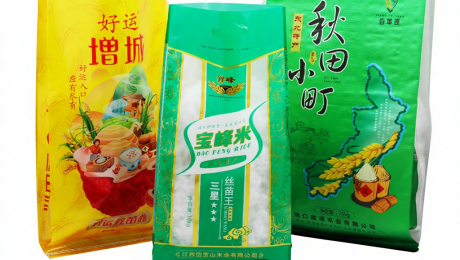
The complexity of raw material sourcing extends beyond simply purchasing resin. Each woven bag factory operates within distinct supply chain dynamics, regulatory frameworks, and quality requirements that shape their sourcing strategy. By examining the practices that successful manufacturers employ, stakeholders can better understand the operational realities and decision-making processes that define this industry segment.
Polypropylene sourcing begins with a fundamental choice between virgin and recycled materials, or a blend of both. A woven bag factory typically evaluates virgin resin for applications requiring maximum strength, clarity, and regulatory compliance, particularly in food contact or agricultural use. Recycled polypropylene offers cost advantages and sustainability benefits, though it requires rigorous testing to ensure consistency and performance. The pp bag production process demands precise material specifications, so suppliers must provide certified test reports confirming melt flow rate, tensile strength, and additives used in resin formulation.
Most woven bag suppliers establish multi-criteria evaluation frameworks for resin vendors. These typically include ISO 9001 certification, quality testing capabilities, production capacity, price stability, and geographic proximity to reduce lead times. A custom pp woven bag manufacturer often maintains relationships with multiple suppliers to mitigate supply disruption risk and leverage competitive pricing. Supplier audits, sample testing, and historical performance tracking ensure consistent material quality across production runs.
pp bag production requires detailed material specifications tailored to end-use performance. For industrial packaging, resin must meet minimum tensile strength, elongation, and tear resistance standards. Agricultural and chemical applications often demand UV stabilization, chemical resistance, or enhanced moisture barriers. A woven bag factory collaborates with resin suppliers to develop material formulations that balance cost with these performance requirements. Testing protocols include tensile testing, tear propagation, puncture resistance, and environmental stress crack resistance to validate material suitability.
Raw material sourcing must account for regulatory frameworks specific to each market. Food-contact applications require FDA or European Food Safety Authority compliance, limiting additive choices and mandating supplier documentation. Environmental regulations increasingly govern recyclable content, migration testing, and end-of-life disposal considerations. A custom pp woven bag manufacturer sourcing materials for export markets must verify that chosen resins meet destination country requirements, often involving third-party certification and detailed supply chain documentation.
Strategic sourcing in the woven bag industry balances price leverage with supply security. Larger woven bag factories negotiate long-term contracts with tiered pricing based on monthly or annual volume commitments. Smaller producers often consolidate orders through purchasing cooperatives or maintain spot-market flexibility to respond to demand fluctuations. Most pp bag production operations implement forward-buying strategies during periods of resin price stability and maintain minimum inventory buffers to manage market volatility.
Efficient raw material sourcing depends on integrated logistics planning. A woven bag supplier coordinates shipment schedules with production forecasts to minimize on-site inventory costs while ensuring continuous material availability. Regional resin distribution centers reduce lead times compared to direct procurement from primary producers. Inventory management systems track material flow from receipt through production, enabling just-in-time practices that balance working capital efficiency with operational reliability. Customs procedures, port operations, and transportation modes significantly influence delivery timelines and total material costs for manufacturers operating in international supply chains.
Resin selection depends on end-use performance requirements, cost targets, regulatory compliance needs, and market preferences. Virgin polypropylene suits premium or food-contact applications, while recycled content reduces cost and supports sustainability initiatives. A pp bag production facility evaluates tensile strength, melt flow rate, additives, and environmental stress characteristics against specific application demands. Supplier reliability, price stability, and geographic location also significantly influence material selection decisions.
Consistent quality requires multiple safeguards throughout the sourcing process. A woven bag factory implements incoming material testing, supplier certification, documented specifications, and regular audit schedules. Most operations maintain sample retention programs, conduct periodic re-qualification audits, and establish clear quality acceptance criteria. Communication with woven bag suppliers about performance feedback, test results, and market changes ensures ongoing alignment with production needs.
Cost management combines volume negotiations, strategic timing of purchases, supplier diversification, and process efficiency. A custom pp woven bag manufacturer typically negotiates longer-term contracts during favorable market conditions and maintains relationships with multiple suppliers to enhance competitive leverage. Optimizing production yields, reducing scrap rates, and integrating recycled content where performance permits further improve material cost efficiency without compromising product quality or customer satisfaction.

Discover the 4 critical production metrics—throughput, defect rate, equipment uptime & on-time delivery—to vet factories confidently.

Ensure regulatory compliance & worker safety with proven methods for chemical woven bags—material selection, labeling, storage & training.

Discover the full PP woven bag manufacturing workflow—from extrusion & weaving to printing & QC. Boost efficiency, compliance & ROI. Download the process guide now.

Struggling with weak bags or high material waste? Master extrusion and tape drawing tech for stronger, cheaper PP woven bags. Optimize your production line now.

Struggling with defects or customer returns? Discover the 5 non-negotiable quality checkpoints across your woven bag production line
Which automation tier is right for your PP woven bag factory? Compare manual to Industry 4.0 systems for cost, quality, and scalability.
Get in touch for details on polypropylene woven bags and flexible packaging solutions.
Tel
Address
No.2015, Liaoyuan Building, Lanshan District, Linyi City, Shandong Province.China

