 EN
How to Assess Production Efficiency at a PP Woven Bag Factory
Discover the 4 critical production metrics—throughput, defect rate, equipment uptime & on-time delivery—to vet factories confidently.

2026/08/20
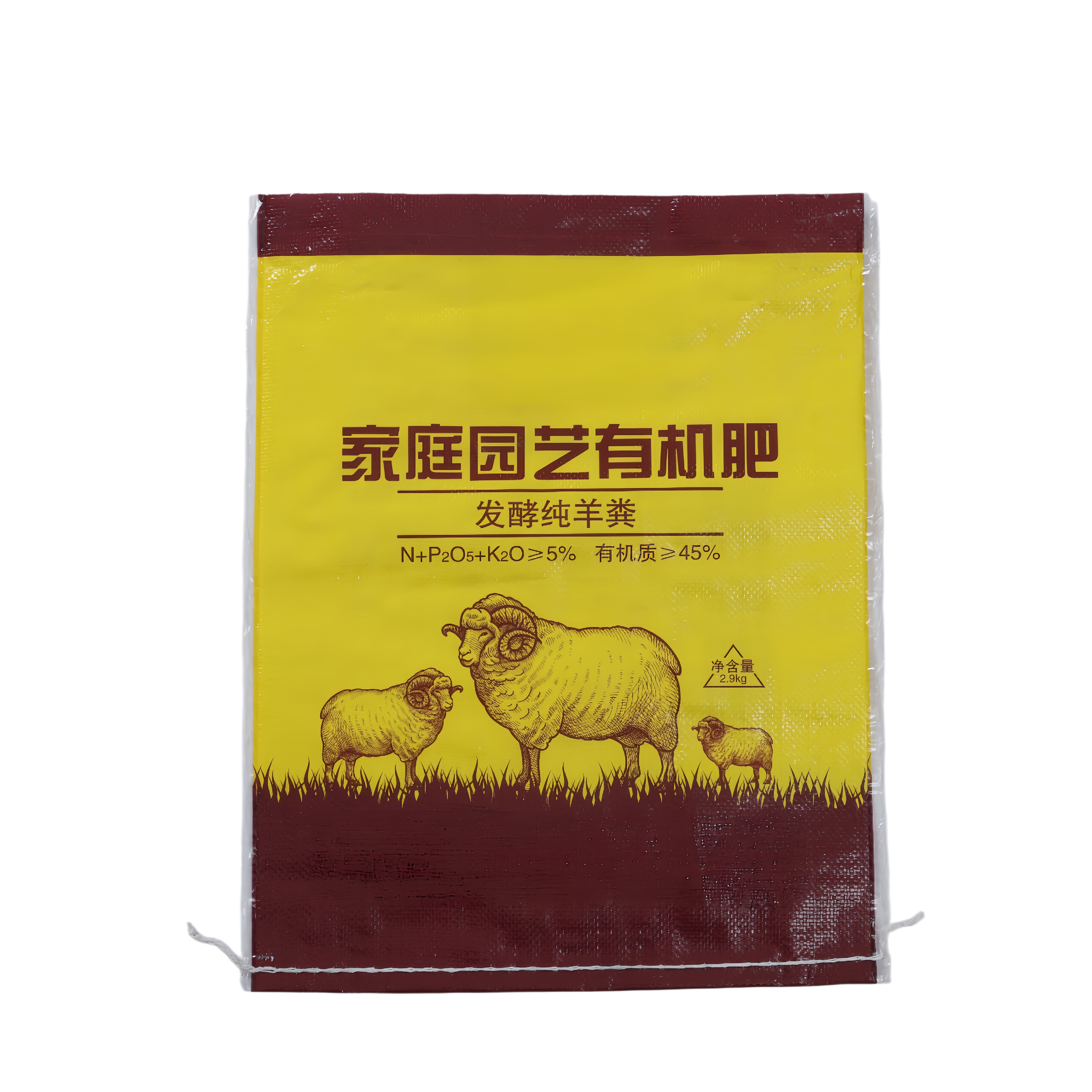
Raw material traceability has become a cornerstone of modern rice bag manufacturing operations. A rice bag manufacturer must track every component of production—from polypropylene resin sourcing through final packaging—to meet regulatory requirements, ensure quality consistency, and build customer confidence. This comprehensive visibility into supply chains protects against contamination risks, counterfeit materials, and production failures that could compromise the integrity of stored grains.
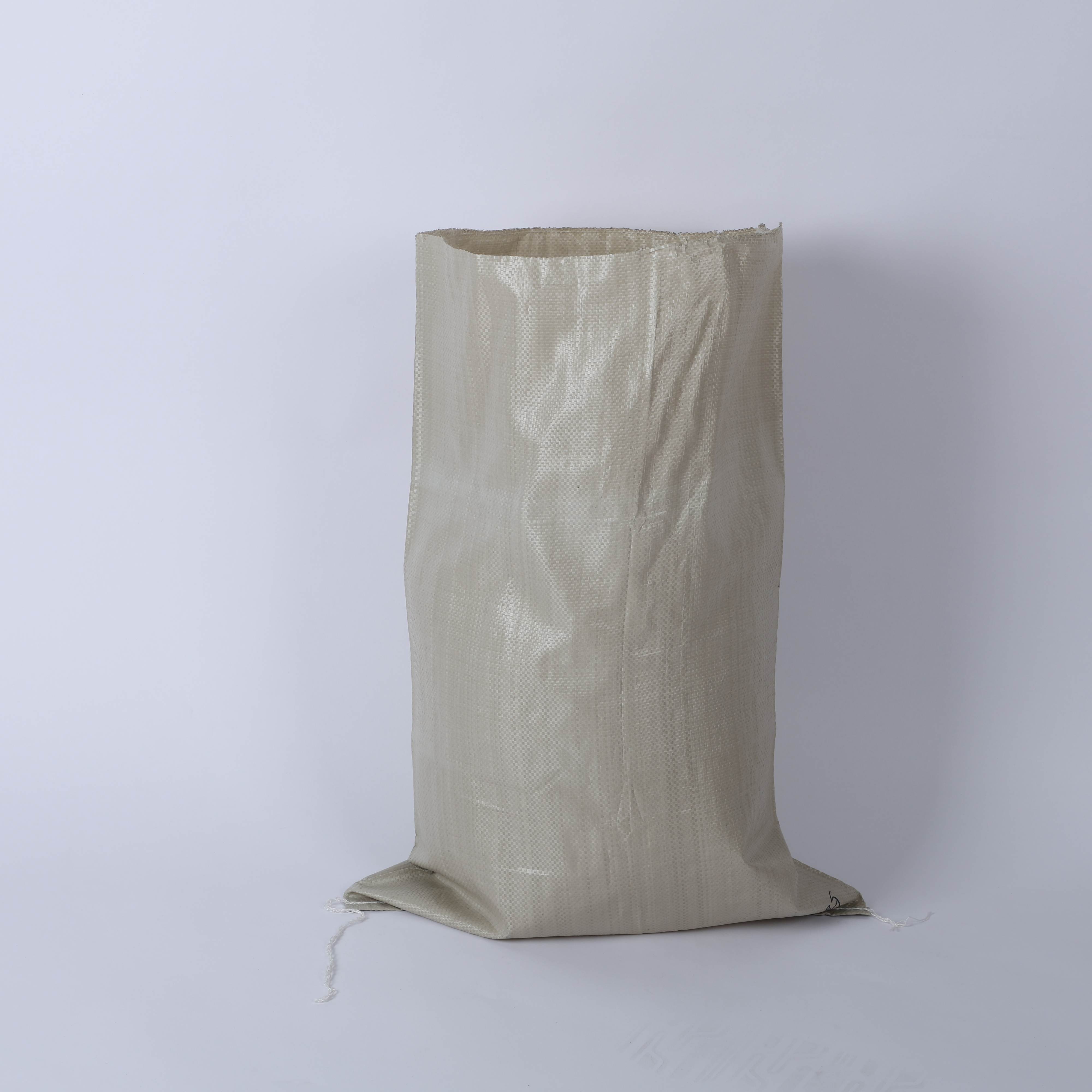
Understanding traceability systems at a rice bag factory is essential for stakeholders seeking reliable suppliers and quality assurance partners. Whether you operate a rice packaging supplier operation or require custom rice bag solutions, implementing robust traceability protocols directly impacts your competitive positioning and risk mitigation strategy. This article explores how leading manufacturers establish end-to-end material tracking systems that satisfy industry standards and customer expectations.
Every rice bag manufacturer begins traceability by authenticating raw material suppliers and securing detailed documentation at the point of material receipt. This involves verifying supplier certifications, conducting material testing, and maintaining batch-level records that link each delivery to specific production runs. A rice bag factory records resin type, grade specifications, manufacturing dates, and lot numbers for all primary materials. These records serve as the foundation for root-cause investigations if quality issues emerge downstream.
Advanced rice packaging suppliers implement digital certificate systems where vendors provide digital batch certificates alongside physical shipments. These certificates contain test results confirming material properties such as tensile strength, melting point, and additives composition. By cross-referencing physical samples with digital documentation, manufacturers prevent material substitution and ensure pp rice bag production meets contracted specifications.
Once materials enter the rice bag factory, they are assigned unique batch codes and physically segregated by supplier and delivery date. This segregation prevents mixing of materials from different sources or batches, which could compromise traceability if quality issues arise. Custom rice bag operations maintain separate storage areas, clearly labeled with batch identifiers, material specifications, and receipt timestamps. This physical organization allows staff to quickly locate and isolate affected materials if contamination or quality defects are discovered.
A rice bag manufacturer uses barcode systems and RFID tags to track material location throughout storage. When materials are transferred from receiving to production staging areas, scanning events create an electronic trail documenting movement and timing. This granular tracking ensures that if a production batch requires investigation, quality teams can immediately identify which raw material lots were involved and trace the complete chain of custody.
At each stage of pp rice bag production, the rice packaging supplier monitors critical parameters and records results linked to specific material batches. Temperature profiles during extrusion, melt flow rates, and film thickness measurements are all documented with timestamps and batch identifiers. A rice bag manufacturer maintains production logs that show which raw material batches produced which finished bags, creating an unbroken link between source materials and final products.
Modern rice bag factory equipment integrates automated sensors that capture process data in real-time and transmit it to central databases. These systems record production line identification, operator shifts, environmental conditions, and quality test results. Custom rice bag operations use this data to establish a detailed production timeline that enables rapid traceability queries when customers or regulators request material origin information.
A rice bag manufacturer maintains retention samples from each production batch, stored under controlled conditions for a predetermined period. These samples link directly to batch codes and allow future testing if issues emerge after bags reach customers. Many rice packaging suppliers test samples at multiple stages: raw material receipt, after compounding, post-extrusion, and pre-shipment. Each test result is documented with the batch identifier, creating multiple verification checkpoints throughout production.
The rice bag factory archiving system stores test certificates, process parameters, and material specifications together in a centralized repository accessible to quality and compliance teams. When investigating customer complaints or regulatory inquiries, the manufacturer can retrieve complete documentation for any finished bag within seconds. This centralized approach demonstrates due diligence and accelerates resolution of traceability questions.
Custom rice bag products include printed batch codes, production dates, and supplier identifiers visible on finished packaging. A rice bag manufacturer ensures these markings are legible and durable, surviving handling and storage conditions. The rice packaging supplier establishes a coding system that allows customers to decode bag origin, production facility, and material specifications directly from packaging labels. This transparency builds trust and enables customers to verify product authenticity.
The rice bag factory maintains a searchable database where customers can enter batch codes and retrieve material certifications, testing results, and production dates. This direct customer access transforms traceability from an internal compliance tool into a value-added service that strengthens supplier relationships. When customers prepare grain for export or seek regulatory certifications, they can present verified traceability documentation backed by the manufacturer's quality records.
Leading rice packaging suppliers establish feedback loops with downstream customers to ensure traceability information flows efficiently through the entire supply chain. When grain handlers, processors, or exporters require material origin documentation, the rice bag manufacturer responds promptly with complete batch history and testing results. A rice bag factory that prioritizes collaborative communication differentiates itself in competitive markets and becomes the preferred partner for customers with stringent traceability requirements.
Pp rice bag production environments increasingly adopt blockchain or third-party verification systems to create immutable traceability records. These platforms allow multiple stakeholders—suppliers, manufacturers, distributors, and end-users—to access verified information without relying on a single company's database. A rice bag manufacturer investing in such systems demonstrates commitment to transparency and provides customers with independent verification of material origins.
Raw material traceability enables rice bag manufacturers to identify contamination sources quickly, prevent defective bags from reaching customers, and demonstrate compliance with quality standards. If quality issues emerge, traceability allows rapid investigation and targeted corrective action rather than blanket recalls. Customers increasingly demand verified supply chain transparency, making traceability a competitive necessity.
A rice packaging supplier documents material at every stage: supplier verification, receipt testing, storage segregation, in-process monitoring, and quality testing. Batch codes link materials through production, and retention samples enable future verification. Digital systems combine these records into searchable databases that support rapid traceability queries and compliance reporting.
Customers can typically access material certifications, batch production dates, testing results, and supplier identifications by entering batch codes or production dates. Leading custom rice bag manufacturers provide online platforms where customers independently verify product authenticity and material specifications without requiring direct communication with the supplier.

Discover the 4 critical production metrics—throughput, defect rate, equipment uptime & on-time delivery—to vet factories confidently.

Ensure regulatory compliance & worker safety with proven methods for chemical woven bags—material selection, labeling, storage & training.

Discover the full PP woven bag manufacturing workflow—from extrusion & weaving to printing & QC. Boost efficiency, compliance & ROI. Download the process guide now.

Struggling with weak bags or high material waste? Master extrusion and tape drawing tech for stronger, cheaper PP woven bags. Optimize your production line now.

Struggling with defects or customer returns? Discover the 5 non-negotiable quality checkpoints across your woven bag production line
Which automation tier is right for your PP woven bag factory? Compare manual to Industry 4.0 systems for cost, quality, and scalability.
Get in touch for details on polypropylene woven bags and flexible packaging solutions.
Tel
Address
No.2015, Liaoyuan Building, Lanshan District, Linyi City, Shandong Province.China

