 EN
How to Assess Production Efficiency at a PP Woven Bag Factory
Discover the 4 critical production metrics—throughput, defect rate, equipment uptime & on-time delivery—to vet factories confidently.

2026/08/28
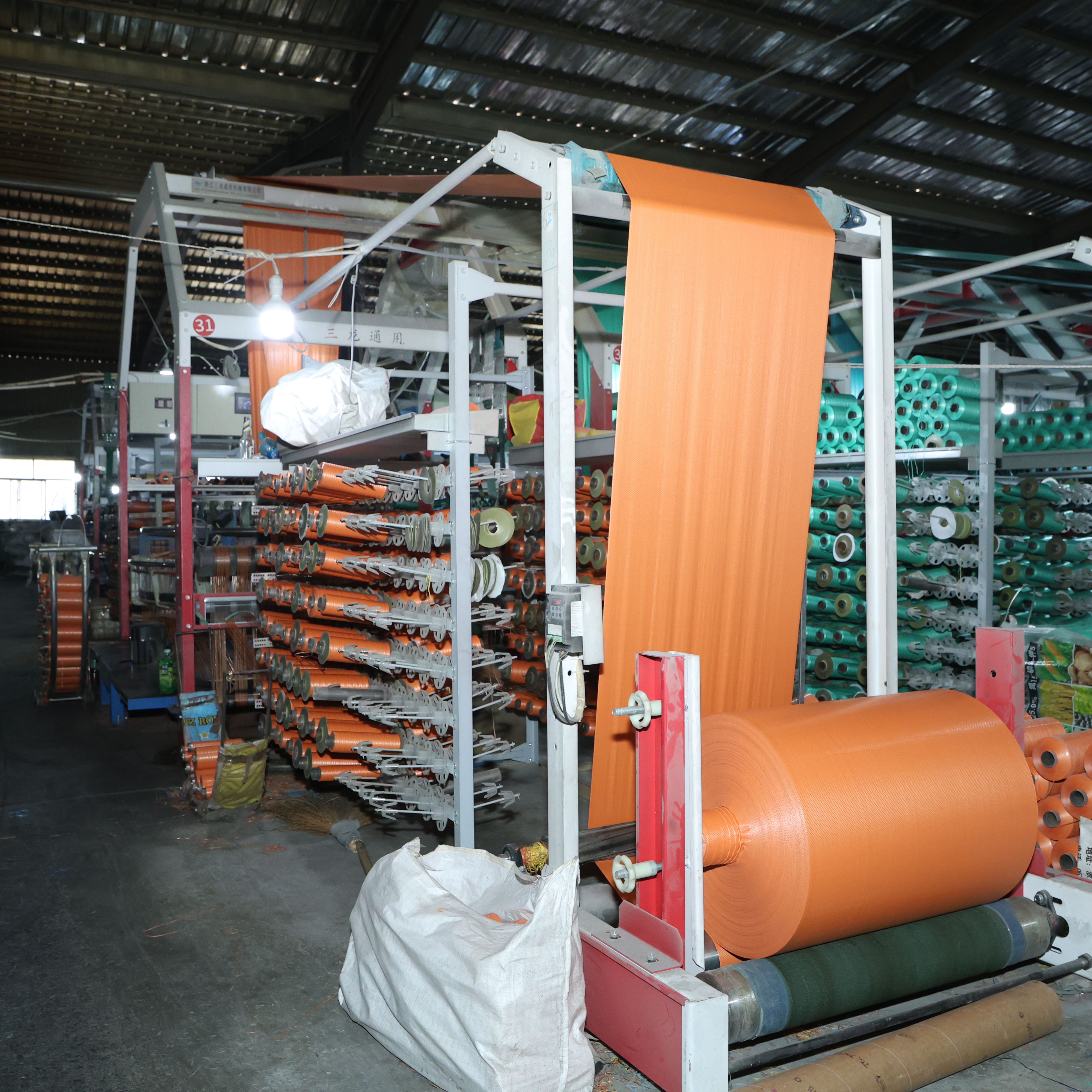
PE lined bags represent a critical advancement in packaging solutions for industries requiring reliable moisture protection and durable construction. These specialized containers integrate polyethylene liners with woven substrates to create enhanced barriers against environmental contamination. Understanding the sealing techniques used to bond these layers is essential for manufacturers, distributors, and end-users seeking to optimize packaging performance and product integrity.
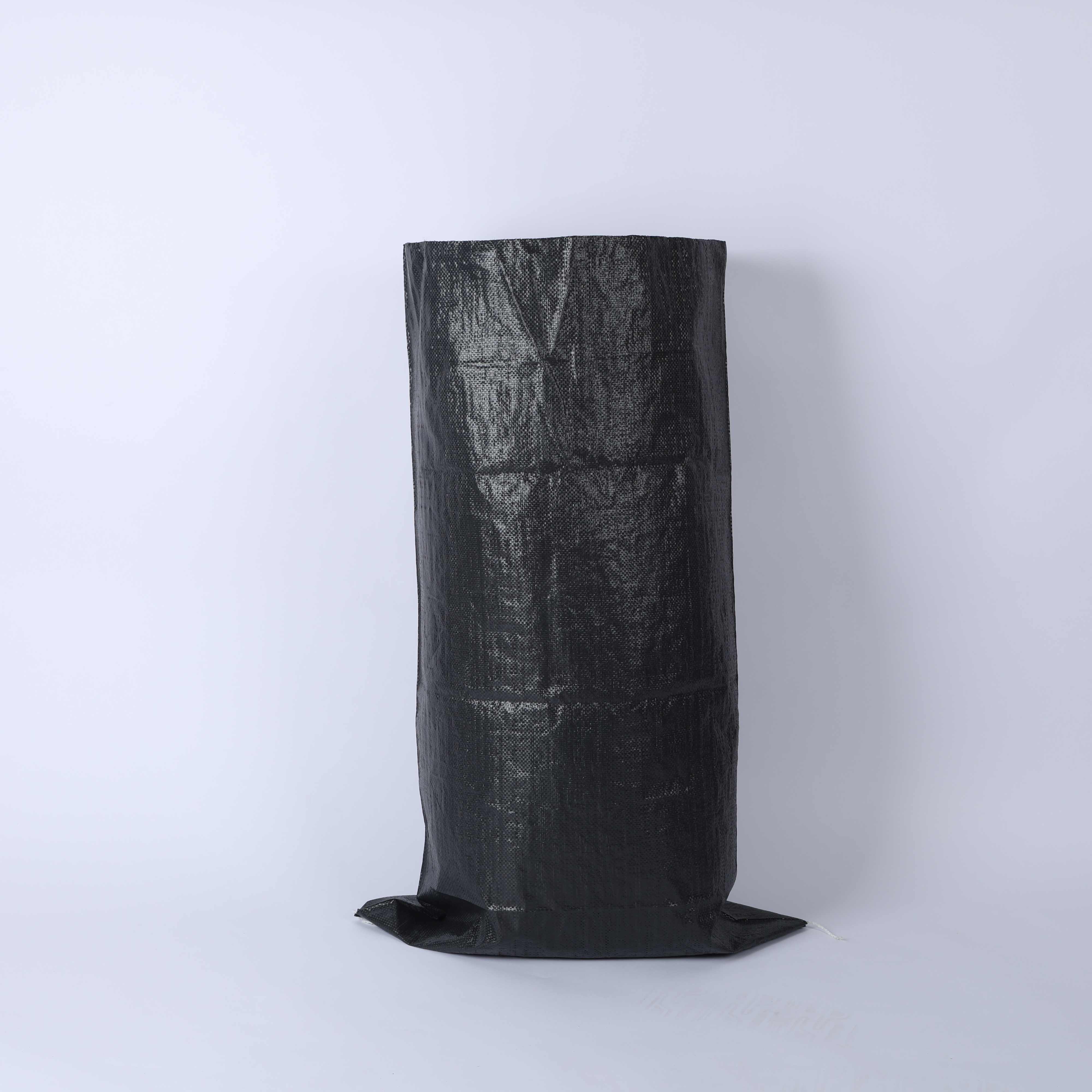
The bonding process for PE lined woven bags involves multiple thermal and adhesive-based techniques that ensure long-lasting adhesion between the polyethylene liner and the woven fabric. A PE liner bag must withstand mechanical stress, temperature fluctuations, and chemical exposure during storage and transportation. Selecting the appropriate sealing method directly impacts the moisture barrier bag performance and overall product shelf life. This article explores the primary sealing technologies, their applications, and how they contribute to the reliability of PP PE composite bag solutions across diverse industrial sectors.
Heat press sealing is one of the most widely adopted techniques for bonding PE liners to woven substrates. The process applies controlled temperature and pressure simultaneously across the sealing interface, melting the polyethylene film and creating a permanent molecular bond with the woven fibers. PE Lined bags produced using this method exhibit superior moisture barrier capabilities because the thermal process eliminates micro-gaps between layers. Temperature precision is critical; insufficient heat fails to achieve complete fusion, while excessive heat degrades both the polyethylene liner and woven fibers, compromising structural integrity.
Impulse sealing delivers concentrated heat energy in brief pulses rather than continuous pressure, making it ideal for high-speed production environments. This technique works exceptionally well for pe liner bag applications where rapid throughput is essential without sacrificing bond strength. The moisture barrier bag benefits from impulse sealing because the brief, intense heat pulse creates clean seams without thermal damage to adjacent materials. PP PE composite bag manufacturers often employ impulse technology on production lines that process hundreds of bags per hour, demonstrating the scalability and efficiency of this bonding approach.
Hot melt adhesive represents an alternative bonding strategy that complements thermal sealing methods. These thermoplastic polymers melt at controlled temperatures and create strong, flexible bonds between the PE liner and woven fabric surfaces. PE lined woven bag manufacturers select hot melt formulations based on chemical compatibility with the polyethylene film and the specific end-use environment. The moisture barrier bag performance depends on adhesive selection; water-resistant formulations are mandatory for applications involving direct contact with humid conditions or liquid products.
Pressure-sensitive adhesives offer a non-thermal bonding option suitable for temperature-sensitive applications. These formulations activate through mechanical pressure alone, requiring no heat equipment and reducing energy consumption. PE liner bag designers prefer this method when protecting sensitive product contents from thermal exposure becomes necessary. PP PE composite bag lines incorporating pressure-sensitive technology provide flexibility in production scheduling and equipment maintenance while maintaining consistent moisture barrier bag quality standards across production batches.
Advanced manufacturing facilities combine thermal and adhesive-based techniques to maximize pe lined woven bag durability and seal integrity. Strategic placement of heat-sealed zones alongside adhesive-bonded regions creates redundant bonding pathways that enhance overall structural reliability. This hybrid approach proves particularly valuable for pe liner bag applications subjected to demanding mechanical stress or environmental extremes during storage and transport. The moisture barrier bag advantages multiply when manufacturers employ layered bonding strategies that account for differential thermal expansion and material flexibility.
Comprehensive quality assurance protocols validate seal strength through tensile testing, seal seam integrity inspection, and moisture vapor transmission analysis. PE lined bags must demonstrate consistent bond performance across production runs, ensuring that PP PE composite bag specifications remain reliable throughout the product lifecycle. Destructive testing evaluates seal failure modes, while non-destructive inspection identifies potential weaknesses before bags reach distribution centers. Manufacturers implementing rigorous testing protocols verify that moisture barrier bag ratings are accurate and that pe liner bag products consistently meet contractual performance standards.
PE lined woven bags integrate a polyethylene film layer bonded to the woven substrate, creating a superior moisture barrier compared to standard bags. This construction combines the strength and durability of woven fabric with the impermeability of plastic film, making pe liner bag solutions ideal for moisture-sensitive products. The pe lined woven bag design significantly extends shelf life for sensitive commodities while maintaining mechanical strength during handling and storage operations.
The moisture barrier bag sealing quality directly determines how effectively the packaging protects contents from humidity ingress. Properly sealed PE lined bags create an impermeable environment that prevents moisture vapor transmission into the package interior. PP PE composite bag manufacturers recognize that superior sealing techniques result in extended product freshness, reduced spoilage rates, and improved customer satisfaction for industries including chemicals, food additives, and agricultural products.
Yes, pe liner bag sealing techniques can be adapted to meet unique application requirements through adjusted temperature parameters, adhesive formulations, and seal geometry configurations. Manufacturers work closely with customers to develop pe lined woven bag specifications that align with product characteristics, handling conditions, and storage environments. This customization capability ensures that moisture barrier bag performance matches real-world demands while maintaining cost efficiency in high-volume production scenarios.

Discover the 4 critical production metrics—throughput, defect rate, equipment uptime & on-time delivery—to vet factories confidently.

Ensure regulatory compliance & worker safety with proven methods for chemical woven bags—material selection, labeling, storage & training.

Discover the full PP woven bag manufacturing workflow—from extrusion & weaving to printing & QC. Boost efficiency, compliance & ROI. Download the process guide now.

Struggling with weak bags or high material waste? Master extrusion and tape drawing tech for stronger, cheaper PP woven bags. Optimize your production line now.

Struggling with defects or customer returns? Discover the 5 non-negotiable quality checkpoints across your woven bag production line
Which automation tier is right for your PP woven bag factory? Compare manual to Industry 4.0 systems for cost, quality, and scalability.
Get in touch for details on polypropylene woven bags and flexible packaging solutions.
Tel
Address
No.2015, Liaoyuan Building, Lanshan District, Linyi City, Shandong Province.China

