 EN
How to Assess Production Efficiency at a PP Woven Bag Factory
Discover the 4 critical production metrics—throughput, defect rate, equipment uptime & on-time delivery—to vet factories confidently.

2026/08/17
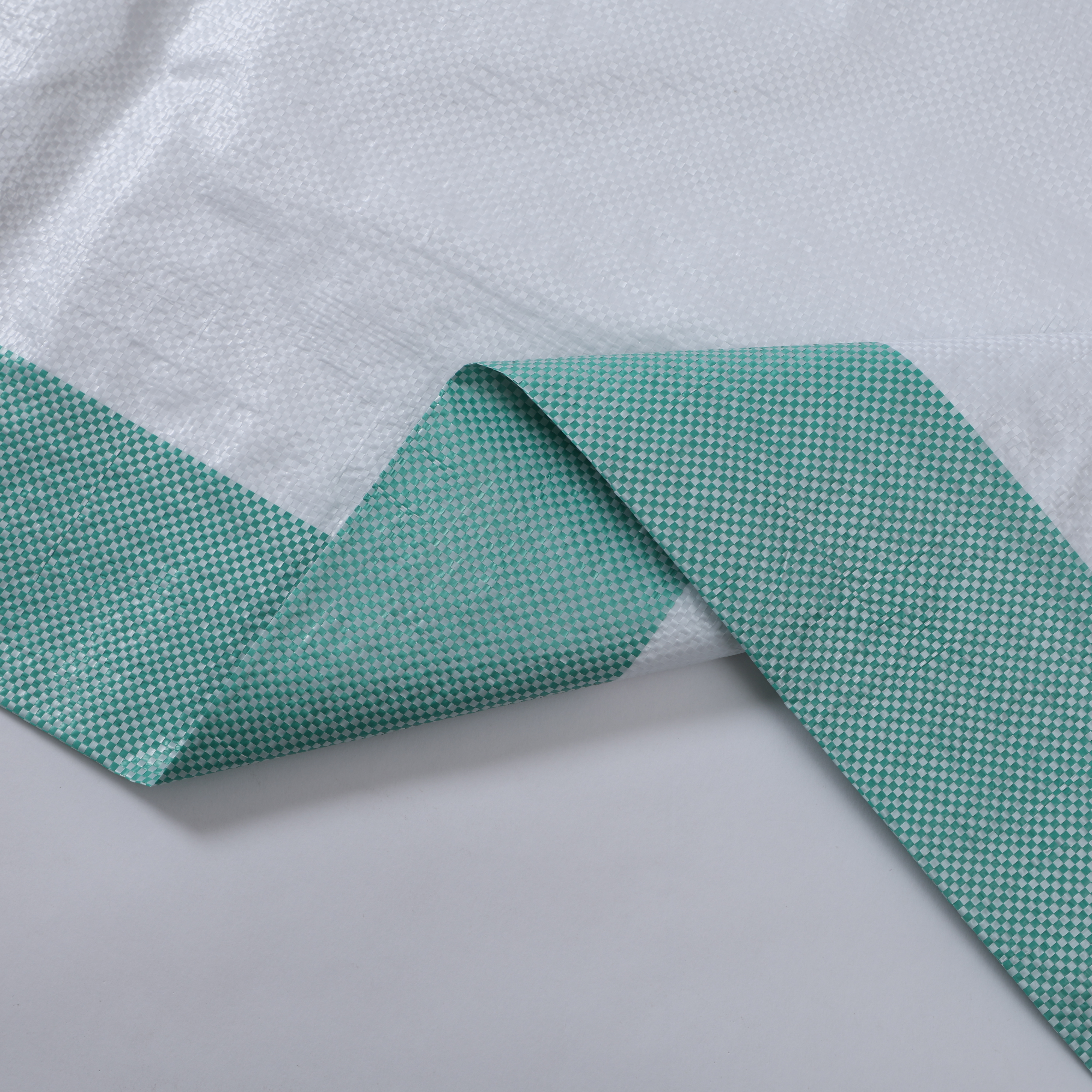
Salt bags face unique challenges in storage and transportation, particularly when exposed to moisture and environmental factors that accelerate corrosion. Understanding proper seam sealing methods is critical for maintaining the integrity of salt packaging bags throughout their lifecycle. Whether you're storing salt for industrial use, agricultural applications, or food-grade purposes, the quality of seam sealing directly impacts how long your salt bags will resist degradation. Corrosion doesn't just damage the bag itself; it can compromise the product inside and create operational headaches across supply chains.
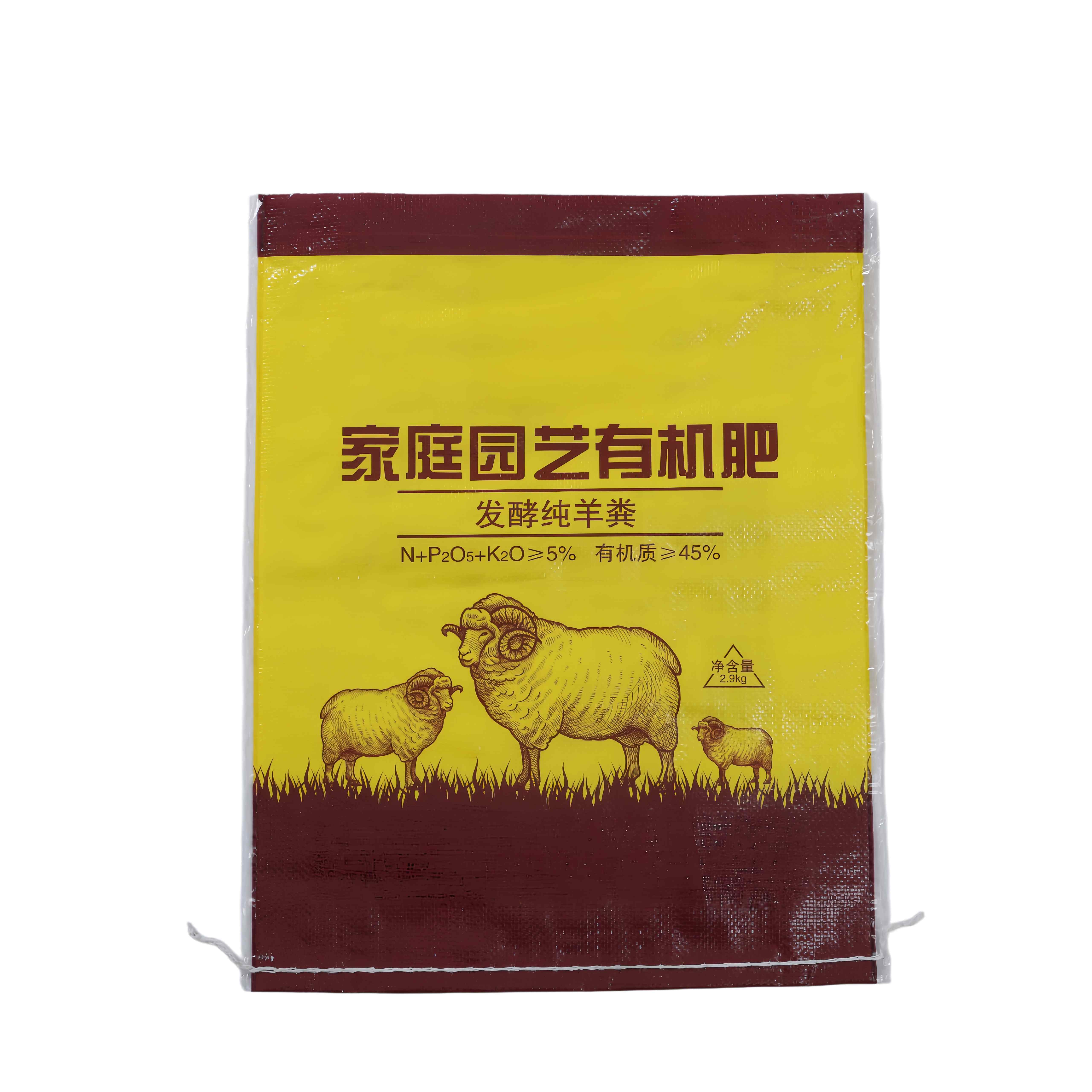
Modern salt woven bags rely on engineered seam construction to prevent salt leakage and environmental ingress. The chemistry of salt creates specific challenges: chlorides accelerate material degradation, moisture penetration weakens stitching, and temperature fluctuations stress seam integrity. Industrial-grade salt packaging solutions now incorporate multiple protective layers and advanced sealing technologies. A food grade woven bag intended for salt storage must meet stringent standards, and seam quality is foundational to meeting those requirements. This article explores the seam sealing methods that distinguish reliable salt bags from inferior alternatives.
Double-stitched seams represent the industry standard for pp salt sack production. This method involves two parallel lines of stitching, creating redundancy that protects against single-point failure. When one stitch line degrades due to salt corrosion exposure, the second line maintains structural integrity. The spacing between stitches is precisely calibrated to resist tension while remaining tight enough to block fine salt particles. High-quality salt bags employ this technique along the bottom and side seams, where stress concentrates during filling and handling. Double-stitching adds minimal cost but dramatically extends bag lifespan in corrosive environments.
Sealed tape overlay involves applying a protective fabric strip across seams before or after stitching. This barrier prevents direct contact between salt and thread, which is crucial for salt woven bags stored in humid conditions. The tape is typically made from polypropylene or specialized synthetic materials that resist salt penetration. Adhesive application must be uniform to avoid gaps where moisture could enter. This method is particularly valuable for food grade woven bag applications where contamination control is paramount. The overlay adds structural protection and can extend effective seam life by 40 to 60 percent compared to unprotected stitching.
Applying moisture-resistant coatings to finished seams creates a hydrophobic barrier that repels salt solutions and airborne moisture. Specialized polypropylene-based coatings are brushed or sprayed onto seam areas after construction, forming a protective layer. This approach is especially effective for salt packaging bags destined for coastal storage or humid climates where salt hygroscopicity accelerates degradation. The coating must be flexible enough to move with the bag during handling without cracking. Regular testing ensures that coated seams maintain their protective qualities throughout the intended storage period. This method represents a proactive investment in corrosion resistance that delivers measurable longevity gains.
The thread and fabric composition directly determines how well seams resist salt corrosion. High-tenacity polypropylene thread demonstrates superior performance compared to lower-grade alternatives. Pp salt sack manufacturers increasingly specify marine-grade thread that resists salt spray and chemical attack. The woven bag base material must also demonstrate salt resistance; premium food grade woven bag producers use resins formulated to inhibit chloride penetration. Laminated structures that incorporate barrier films provide additional protection. Material selection alone can double or triple the effective lifespan of seams in corrosive salt storage environments.
Industry standards require accelerated corrosion testing to validate seam sealing integrity for salt bags. Salt spray chambers simulate years of exposure in a matter of weeks, revealing weaknesses before products reach customers. Test samples are exposed to salt fog at controlled temperatures while seams are examined for thread degradation, coating breakdown, and material failure. Rigorous testing protocols establish baseline performance metrics and identify which salt packaging bag designs offer superior corrosion resistance. The most reliable suppliers conduct ongoing testing as part of quality assurance, ensuring consistency across production batches.
Real-world performance data from salt storage facilities informs continuous improvement of seam sealing methods. Operators track bag failure rates, salt losses, and environmental conditions to correlate seam durability with specific construction techniques. Salt woven bags deployed in coastal environments or high-humidity warehouses provide critical feedback about which pp salt sack designs outperform others. This field intelligence drives innovation in materials and methods. Manufacturers who systematically collect and analyze this data develop progressively more effective sealing solutions. Long-term field monitoring reveals which food grade woven bag designs maintain integrity beyond their nominal storage period.
Salt is highly corrosive due to its chloride composition and hygroscopic nature, meaning it absorbs moisture from the air. Standard seams and threads degrade rapidly when exposed to salt environments, compromising bag integrity and product quality. Specialized sealing methods address these unique challenges by creating barriers between salt and vulnerable materials, extending bag lifespan significantly compared to conventional packaging approaches.
Moisture that enters through unsealed or inadequately sealed seams activates salt's corrosive properties and causes thread degradation. Water creates chemical reactions that accelerate material breakdown while also promoting mold growth and caking inside the bag. Proper seam sealing prevents this moisture infiltration, maintaining both bag structural integrity and salt product quality throughout storage and transportation periods.
Food grade woven bags must meet stricter regulatory standards regarding material safety, contamination prevention, and durability. They incorporate enhanced seam sealing methods, superior thread materials, and protective coatings specifically designed to prevent salt contact with potentially harmful substances. Food-grade salt bags combine robust corrosion resistance with safety certifications, making them suitable for culinary and food processing applications.

Discover the 4 critical production metrics—throughput, defect rate, equipment uptime & on-time delivery—to vet factories confidently.

Ensure regulatory compliance & worker safety with proven methods for chemical woven bags—material selection, labeling, storage & training.

Discover the full PP woven bag manufacturing workflow—from extrusion & weaving to printing & QC. Boost efficiency, compliance & ROI. Download the process guide now.

Struggling with weak bags or high material waste? Master extrusion and tape drawing tech for stronger, cheaper PP woven bags. Optimize your production line now.

Struggling with defects or customer returns? Discover the 5 non-negotiable quality checkpoints across your woven bag production line
Which automation tier is right for your PP woven bag factory? Compare manual to Industry 4.0 systems for cost, quality, and scalability.
Get in touch for details on polypropylene woven bags and flexible packaging solutions.
Tel
Address
No.2015, Liaoyuan Building, Lanshan District, Linyi City, Shandong Province.China

