 EN
How to Assess Production Efficiency at a PP Woven Bag Factory
Discover the 4 critical production metrics—throughput, defect rate, equipment uptime & on-time delivery—to vet factories confidently.

2026/08/21
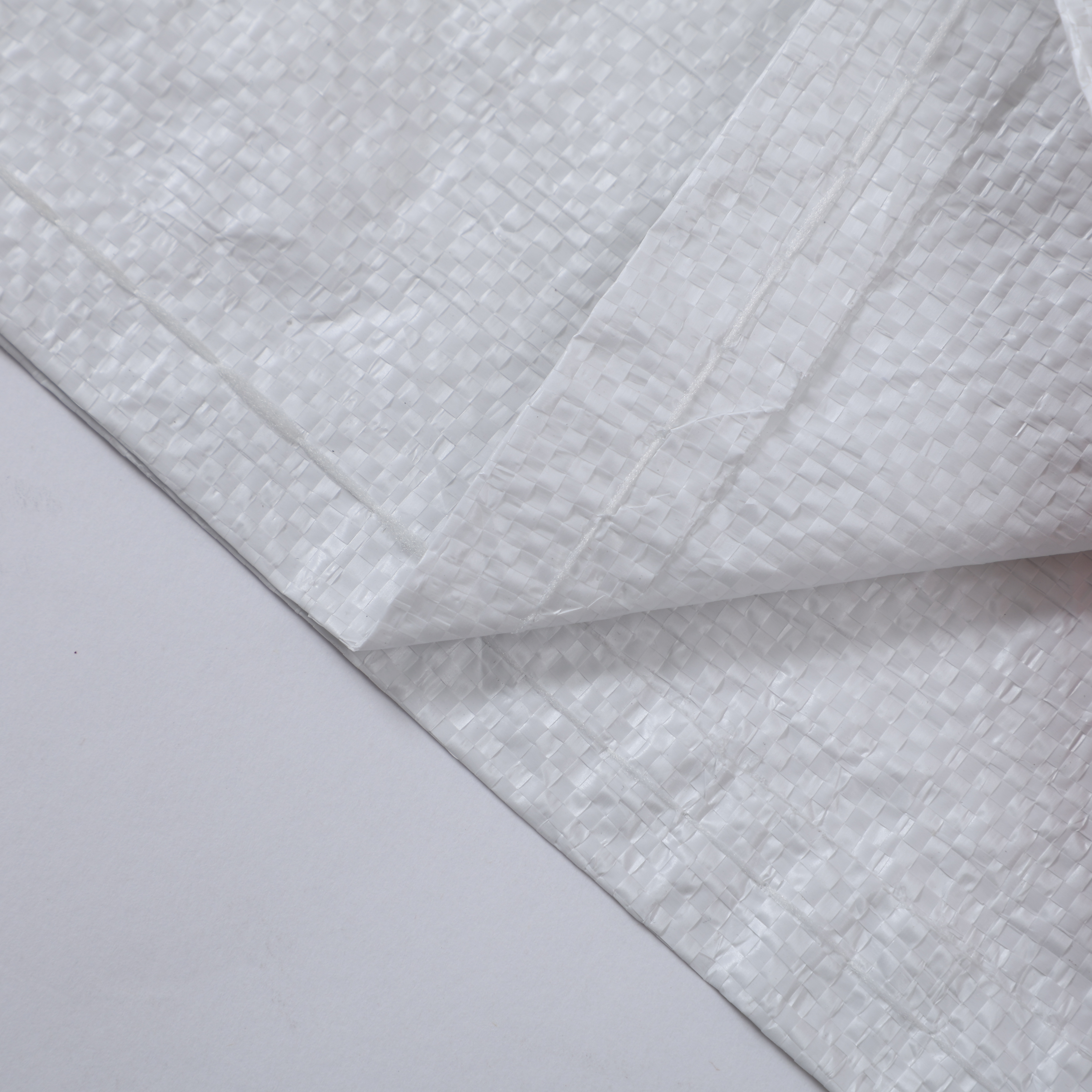
Seasonal variations significantly impact the performance requirements of agricultural packaging bags used across diverse farming operations. As crops move through planting, growth, harvest, and storage cycles, the demands on farm packaging bag materials shift dramatically in response to temperature, humidity, moisture content, and handling intensity. Understanding these seasonal adaptation requirements ensures that agricultural packaging bags maintain structural integrity, protect crop quality, and deliver consistent performance throughout the year.
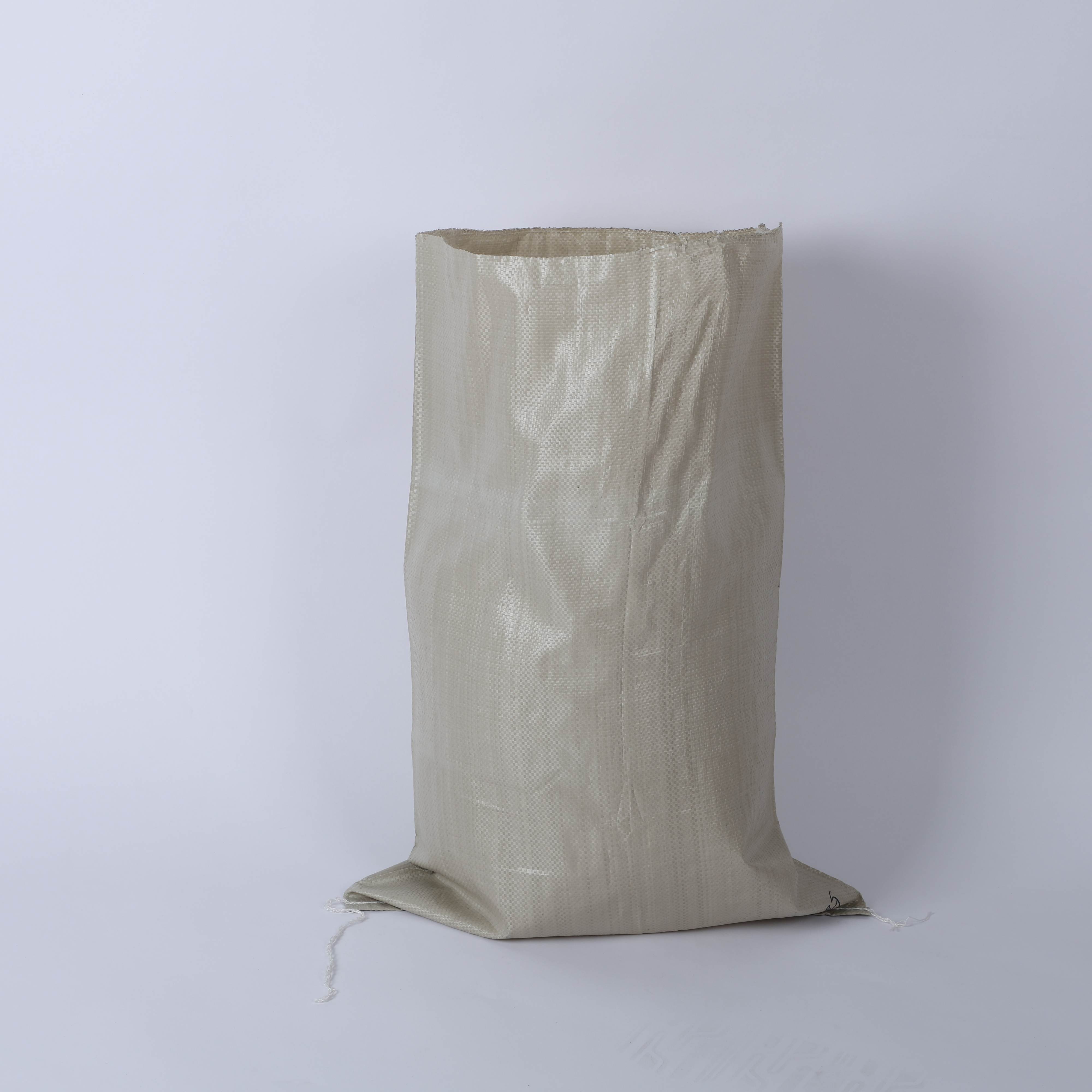
The design and material composition of farm packaging bag systems must account for environmental pressures that vary by season. During harvest seasons, bags face heavy mechanical stress from automated filling, transport, and stacking. In contrast, winter storage demands enhanced moisture barriers and temperature stability. By tailoring pp agricultural packaging specifications to match seasonal conditions, agricultural producers reduce waste, minimize crop loss, and optimize logistics costs.
Temperature fluctuations during different seasons directly affect the structural properties of pp agricultural packaging materials. Hot, humid summer conditions accelerate degradation of standard polymers, while cold winter temperatures can make certain plastics brittle and prone to cracking. Agricultural packaging bags designed for multi-season use must balance flexibility at low temperatures with durability under UV exposure during peak sunshine months.
Humidity levels inside storage facilities create additional stress on farm packaging bag integrity. During monsoon or spring thaw periods, excess moisture penetration threatens grain quality and promotes fungal growth. High-performance crop packaging solution formulations incorporate moisture barriers and breathable membranes that regulate internal humidity without trapping condensation, protecting stored produce throughout seasonal transitions.
Harvest seasons demand maximum mechanical resilience in agricultural packaging bags because equipment operation, transport volume, and handling speed all intensify simultaneously. Bags must withstand punctures, abrasion, and compression forces that occur during automated packaging, truck transport, and warehouse stacking. Outside peak harvest, storage demands shift toward protecting against rodent damage, moisture infiltration, and long-term environmental exposure.
The design of produce storage bag systems reflects this seasonal reality by incorporating reinforced seams, puncture-resistant weave patterns, and edge protection in the harvest version, while storage-focused variants prioritize airtightness and insect resistance. A agricultural packaging bags supplier must offer options tailored to specific seasonal workflows rather than one-size-fits-all solutions.
Polypropylene remains the industry standard for pp agricultural packaging because its chemical stability and cost-effectiveness support diverse seasonal applications. However, the additives, thickness, and weave density must vary to address seasonal challenges. Bags intended for hot-season harvest benefit from UV-stabilizing agents and anti-slip coatings, while winter storage variants prioritize cold-crack resistance and moisture permeability control.
Manufacturing specifications for farm packaging bag materials reflect seasonal demand patterns. Spring planting requires lighter-weight bags for seed transport and nursery operations. Summer harvest demands heavier-duty woven construction. Autumn storage calls for multi-wall designs and specialized laminates. Winter protection emphasizes insulation properties and moisture management. Each seasonal variant of pp agricultural packaging serves a distinct function within the annual agricultural calendar.
Modern crop packaging solution technology incorporates specialized additives that address seasonal environmental pressures without compromising structural integrity. Antioxidants prevent polymer degradation during high-temperature seasons. Slip agents reduce friction during automated handling. Colorants provide UV protection while maintaining visibility for inventory tracking. Flame-retardant compounds add safety during warm-season storage when spontaneous ignition risk increases due to moisture and heat interaction.
The produce storage bag segment increasingly adopts engineered additive packages that respond dynamically to environmental conditions. Reactive oxygen scavengers protect grain quality by minimizing oxidation during storage. Antimicrobial compounds inhibit fungal spores during damp seasonal transitions. These advanced formulations represent the intersection of agricultural packaging bags innovation and seasonal adaptation science, delivering measurable improvements in crop preservation and logistics efficiency.
Effective farm packaging bag management requires aligning inventory planning with seasonal demand cycles. Agricultural producers must stock appropriate bag specifications for each phase: light-duty produce storage bag options for off-season logistics, heavy-duty farm packaging bag variants during harvest acceleration, and specialized crop packaging solution products for seasonal storage transitions. Misalignment between available inventory and seasonal demands results in quality degradation, waste, and unnecessary cost.
Suppliers of pp agricultural packaging must maintain flexible production schedules and diversified product lines to support this seasonal rhythm. Pre-harvest forecasting enables manufacturers to position appropriate agricultural packaging bags inventory near distribution centers before demand spikes. Strategic material procurement, timing of additive preparation, and production scheduling all align with anticipated seasonal pressure patterns.
Rigorous seasonal testing protocols validate that farm packaging bag designs actually perform as specified under real-world conditions. Accelerated aging tests simulate multiple years of UV exposure, temperature cycling, and humidity fluctuation. Drop tests measure impact resistance in both warm and cold conditions. Moisture permeability measurements confirm that crop packaging solution barriers function correctly across humidity ranges. Tensile testing documents how bag strength varies with temperature.
The most reliable produce storage bag systems undergo validation testing that recreates actual seasonal sequences: simulating harvest conditions, then storage stress, then temperature cycling, measuring performance degradation throughout. This integrated approach provides confidence that agricultural packaging bags will maintain functionality from the moment bags enter the supply chain through final product delivery. Transparent testing documentation helps agricultural producers select pp agricultural packaging variants optimized for their specific regional seasons and handling workflows.
Agricultural packaging bags experience dramatically different environmental stresses depending on the season. During hot, humid harvest periods, bags face mechanical stress, UV exposure, and moisture challenges simultaneously. During cold storage seasons, materials become brittle, moisture barriers matter more, and different handling patterns emerge. Temperature, humidity, UV intensity, and handling intensity all shift seasonally, requiring material adaptations to maintain consistent protection.
Summer farm packaging bag applications prioritize mechanical strength, UV resistance, and heat stability because harvest operations demand durability under peak stress. Winter applications shift focus to moisture barriers, cold-crack resistance, and insect protection during extended storage. PP agricultural packaging formulations reflect these priorities through adjusted additive packages, weave density, and multi-wall construction choices that align with the dominant seasonal threats.
Agricultural producers should evaluate their regional climate, harvest timing, storage duration, and handling methods, then match these factors to specific produce storage bag specifications from manufacturers who document seasonal performance data. Working with suppliers who understand seasonal adaptation requirements and offer variant options ensures that agricultural packaging bags selected for harvest, storage, and transport phases all deliver optimal performance. Transparent communication about regional seasons and handling workflows leads to better material recommendations and superior crop protection outcomes.

Discover the 4 critical production metrics—throughput, defect rate, equipment uptime & on-time delivery—to vet factories confidently.

Ensure regulatory compliance & worker safety with proven methods for chemical woven bags—material selection, labeling, storage & training.

Discover the full PP woven bag manufacturing workflow—from extrusion & weaving to printing & QC. Boost efficiency, compliance & ROI. Download the process guide now.

Struggling with weak bags or high material waste? Master extrusion and tape drawing tech for stronger, cheaper PP woven bags. Optimize your production line now.

Struggling with defects or customer returns? Discover the 5 non-negotiable quality checkpoints across your woven bag production line
Which automation tier is right for your PP woven bag factory? Compare manual to Industry 4.0 systems for cost, quality, and scalability.
Get in touch for details on polypropylene woven bags and flexible packaging solutions.
Tel
Address
No.2015, Liaoyuan Building, Lanshan District, Linyi City, Shandong Province.China

