 EN
How to Assess Production Efficiency at a PP Woven Bag Factory
Discover the 4 critical production metrics—throughput, defect rate, equipment uptime & on-time delivery—to vet factories confidently.

2026/08/18
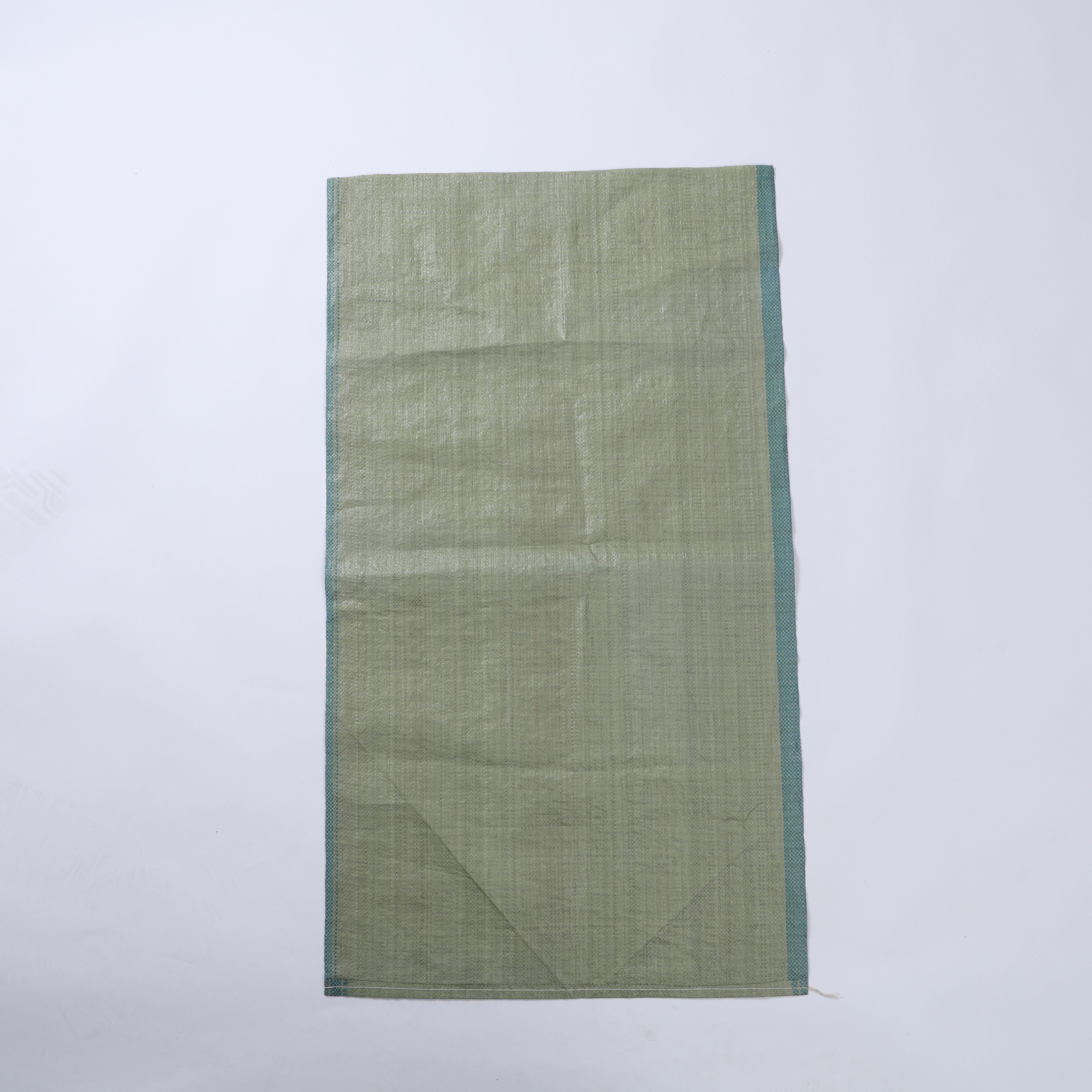
Seasonal variations significantly impact how agricultural bags perform in storage environments. Understanding these seasonal storage requirements ensures that your agricultural bags maintain structural integrity, protect crop quality, and deliver consistent performance year-round. Farmers and agricultural businesses must account for temperature fluctuations, humidity changes, and environmental stressors when planning storage strategies for their crop storage bags and other agricultural packaging solutions.
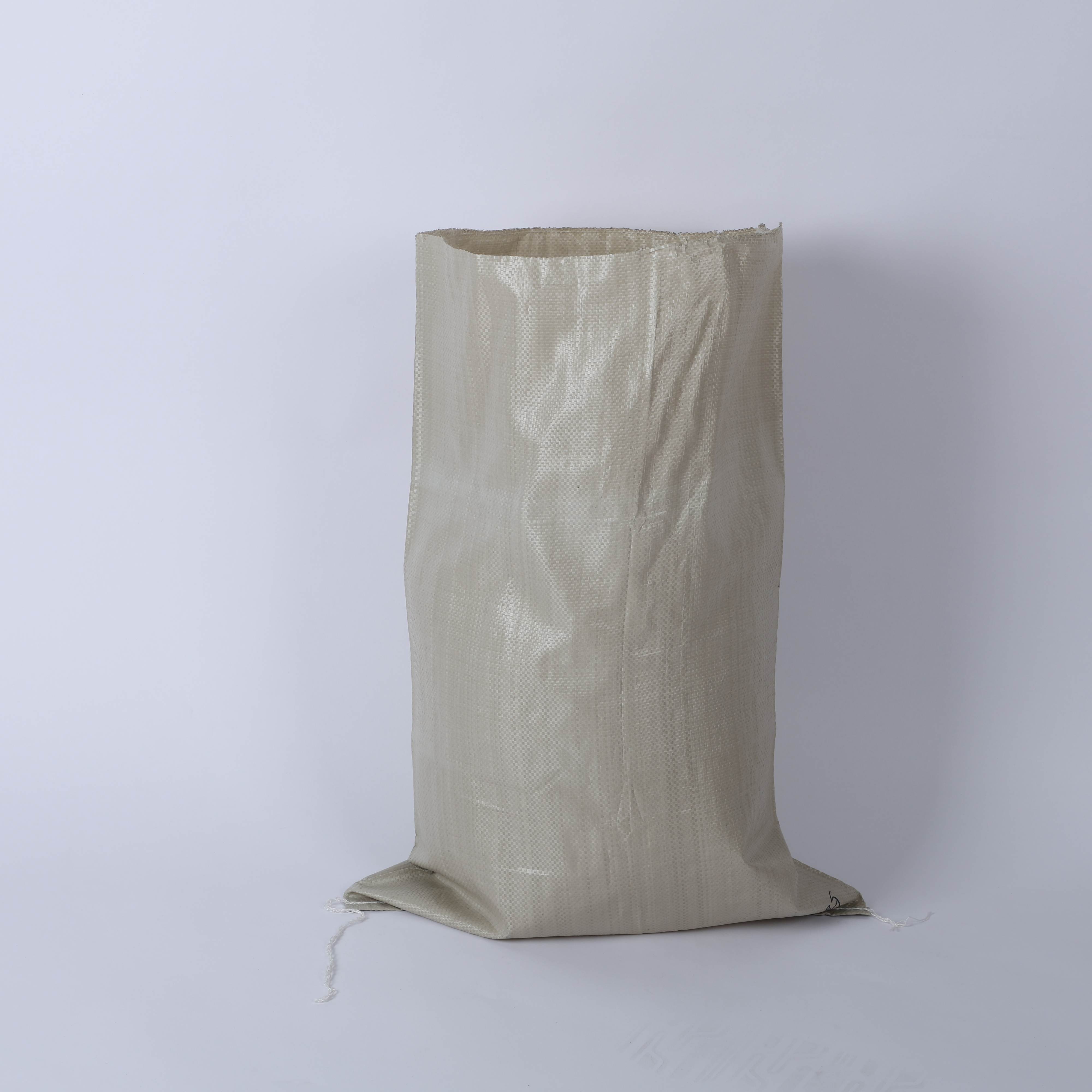
The effectiveness of pp agricultural sack systems depends heavily on matching storage conditions to seasonal climate patterns. Winter storage presents cold, dry conditions that can cause material brittleness in farm produce bag structures, while summer storage introduces heat and moisture that accelerate degradation if proper ventilation is not maintained. Agricultural packaging must be selected and managed with seasonal transitions in mind to prevent losses and ensure reliable crop protection throughout the year.
Cold temperatures during winter create unique challenges for agricultural bags. When pp agricultural sack materials experience prolonged cold exposure, their flexibility can diminish, making them more susceptible to cracking or tearing during handling. The brittleness that develops in cold conditions requires careful management when loading, unloading, or moving agricultural packaging in frozen storage environments. Farmers should inspect crop storage bag integrity regularly during winter months and avoid sudden temperature swings that stress the material.
Winter storage also reduces moisture evaporation rates, which can be beneficial for crop preservation but problematic if condensation forms inside the farm produce bag. Proper ventilation becomes essential to prevent moisture accumulation that encourages mold growth. Agricultural bags used for winter storage should be positioned to allow air circulation, and moisture barriers within the agricultural packaging system help regulate internal humidity levels that protect stored crops from fungal contamination.
Summer storage presents accelerated degradation risks for agricultural packaging exposed to direct sunlight and high temperatures. UV radiation breaks down polymer chains in pp agricultural sack materials, weakening structural properties and reducing the lifespan of crop storage bags. Heat exposure also increases oxygen permeability through agricultural bags, which accelerates oxidation processes that compromise crop quality. Shaded storage facilities and reflective covers become critical investments during warm months to extend the functional life of agricultural packaging.
Thermal stress during summer can cause expansion and contraction cycles that create micro-tears in farm produce bag seams and body sections. Agricultural bags stored in direct sunlight experience surface temperatures significantly higher than ambient air, intensifying material degradation. Farmers managing summer storage should prioritize covered storage facilities or use tarps to shade agricultural packaging and reduce temperature extremes that accelerate wear on crop storage bag systems.
Transitional seasons introduce rapid humidity fluctuations that create condensation problems within agricultural bags. Spring moisture combined with warm temperatures creates ideal conditions for mold proliferation if pp agricultural sack storage does not include adequate ventilation. Agricultural packaging must incorporate breathable design features or be stored in environments where humidity levels remain stable. Farmers should monitor weather forecasts during seasonal transitions and adjust ventilation practices in farm produce bag storage areas accordingly.
Fall conditions often bring wet weather that increases atmospheric moisture, challenging the performance of agricultural bags stored outdoors or in uncontrolled environments. Crop storage bags exposed to extended wet periods risk moisture penetration if seals or seams are compromised. Agricultural packaging inspection becomes critical before the fall harvest season to ensure that pp agricultural sack integrity has not degraded during previous storage periods. Preventive maintenance protects stored crops from water infiltration that causes sprouting, fermentation, or mold contamination.
Strategic use of desiccants within agricultural bags significantly improves moisture control during humid seasons. Desiccant packets placed inside crop storage bags absorb excess moisture and maintain lower internal humidity that preserves crop quality. Agricultural packaging manufacturers often incorporate desiccant compatibility into pp agricultural sack design, allowing farmers to add moisture control agents without compromising bag structure. Farm produce bag systems with integrated or compartmentalized desiccant access enable seasonal adjustments based on local climate patterns.
Vapor barrier technology in agricultural packaging provides another layer of protection against seasonal moisture variations. Multi-layer agricultural bags featuring moisture-blocking inner linings prevent condensation from forming on stored crops regardless of external humidity levels. Crop storage bags with advanced barrier features offer superior protection during high-humidity seasons while maintaining breathability during dry periods. This flexibility makes such agricultural packaging ideal for regions experiencing significant seasonal humidity swings.
Proper ventilation design is fundamental to seasonal agricultural packaging management. Farm produce bag storage facilities require different air circulation strategies during hot and cold seasons to maintain optimal temperature and humidity inside stored agricultural bags. Summer ventilation should emphasize high air exchange rates to prevent heat buildup, while winter ventilation balances air movement with thermal retention to avoid excessive cooling of stored crops. Agricultural packaging effectiveness depends directly on matching ventilation intensity to seasonal conditions and crop type requirements.
Natural ventilation through strategically positioned openings works well for moderate seasons, but extreme summer heat or winter cold may require mechanical ventilation adjustments. Farmers can install dampers, fans, or louvers that activate seasonally to optimize airflow within agricultural bags and surrounding storage spaces. Crop storage bag performance improves when storage facilities include sophisticated environmental controls that respond to seasonal temperature and humidity sensors. Agricultural packaging investment coupled with facility upgrades delivers superior crop protection across all seasons.
Stacking density and height must be adjusted seasonally to account for environmental stressors on agricultural bags. During hot seasons, pp agricultural sack stacks should be lower and more loosely arranged to enable heat dissipation and air circulation around stored agricultural packaging. Winter stacking can be tighter since cold temperatures reduce oxidation rates and moisture problems are less likely if proper ventilation exists. Crop storage bag rotation cycles should align with seasonal storage capacity needs and expected shelf life under specific seasonal conditions.
First-in-first-out inventory rotation becomes especially critical during high-temperature seasons when agricultural bags containing older stock face accelerated degradation. Farm produce bag monitoring systems should track seasonal storage duration and prioritize the use of crops stored in longer-exposed agricultural packaging before quality deteriorates. Farmers who implement seasonal rotation protocols based on bag material condition and crop freshness indicators minimize losses and maintain consistent product quality regardless of storage season.
Temperature fluctuations cause expansion and contraction cycles in pp agricultural sack polymers, creating micro-tears and weakening seams over extended periods. Cold temperatures reduce material flexibility, increasing brittleness and cracking risk during handling of farm produce bags. Heat accelerates oxidation and UV degradation in agricultural packaging exposed to sunlight. Farmers should minimize direct temperature extremes by using shaded storage facilities and insulated structures that buffer agricultural bags from severe seasonal temperature swings.
Integrated desiccant packets, vapor barrier linings, and proper ventilation create a comprehensive moisture management system for agricultural bags. Crop storage bags with multi-layer construction featuring moisture-blocking inner surfaces prevent condensation while maintaining breathability in farm produce bag designs. Agricultural packaging should be stored in facilities with controlled humidity, and farmers can use dehumidifiers or increase air exchange rates during high-humidity seasons. Strategic placement of agricultural bags away from walls and floors improves air circulation around stored crops.
While quality agricultural bags and farm produce bag materials are durable, seasonal adjustments optimize crop protection and extend storage lifespan. Crop storage bags will function across all seasons, but unprotected storage in extreme seasonal conditions accelerates material degradation and compromises agricultural packaging integrity. Farmers should implement basic seasonal practices like shade provision in summer, ventilation optimization, moisture monitoring, and regular pp agricultural sack inspection. These adjustments protect investment in agricultural packaging and ensure reliable crop preservation year-round.

Discover the 4 critical production metrics—throughput, defect rate, equipment uptime & on-time delivery—to vet factories confidently.

Ensure regulatory compliance & worker safety with proven methods for chemical woven bags—material selection, labeling, storage & training.

Discover the full PP woven bag manufacturing workflow—from extrusion & weaving to printing & QC. Boost efficiency, compliance & ROI. Download the process guide now.

Struggling with weak bags or high material waste? Master extrusion and tape drawing tech for stronger, cheaper PP woven bags. Optimize your production line now.

Struggling with defects or customer returns? Discover the 5 non-negotiable quality checkpoints across your woven bag production line
Which automation tier is right for your PP woven bag factory? Compare manual to Industry 4.0 systems for cost, quality, and scalability.
Get in touch for details on polypropylene woven bags and flexible packaging solutions.
Tel
Address
No.2015, Liaoyuan Building, Lanshan District, Linyi City, Shandong Province.China

