 EN
How to Assess Production Efficiency at a PP Woven Bag Factory
Discover the 4 critical production metrics—throughput, defect rate, equipment uptime & on-time delivery—to vet factories confidently.

2026/09/02
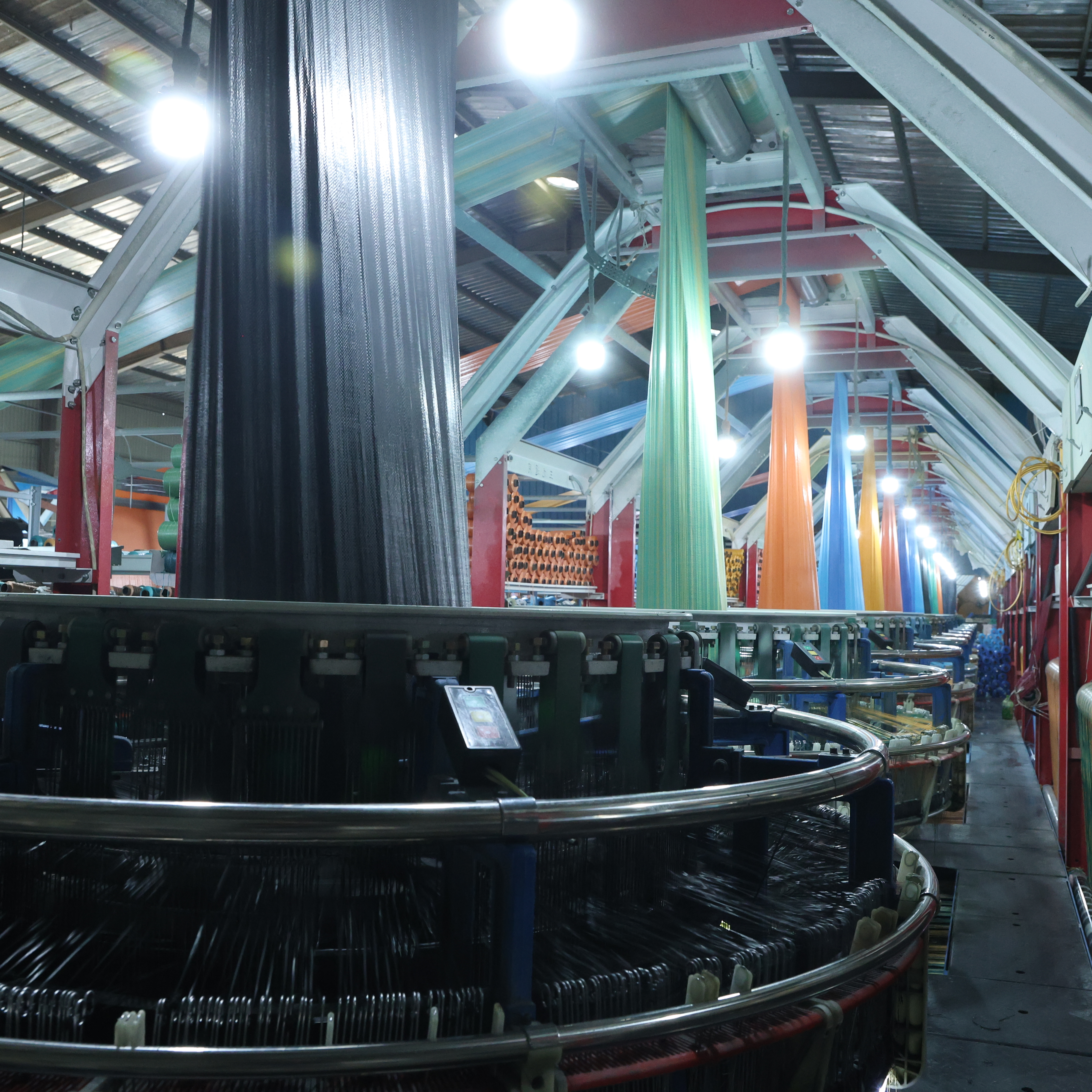
Supply chain transparency has become essential for businesses sourcing packaging materials globally. When selecting a PP woven bag supplier, understanding the sourcing journey from factory to delivery ensures quality, compliance, and reliability. Transparent supply chains reduce risks, improve communication, and build trust between buyers and suppliers in the competitive woven bag industry.
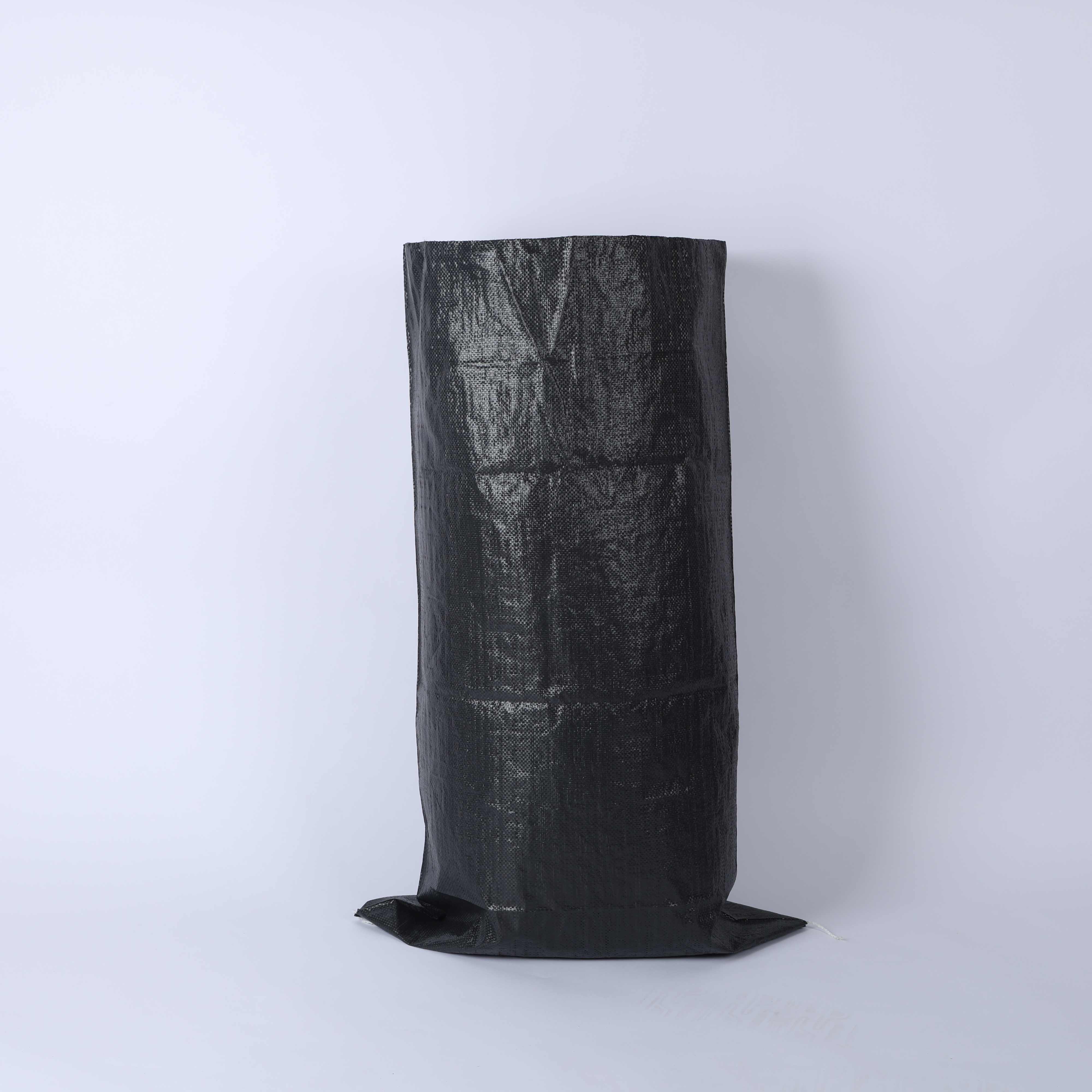
The woven bag wholesale market spans multiple regions and production facilities, making transparency critical for procurement teams. A reliable PP woven bag factory maintains clear documentation of material sourcing, production processes, quality checks, and shipment tracking. By partnering with transparent suppliers, businesses gain visibility into every stage of manufacturing and logistics, reducing uncertainty and enabling better inventory planning and cost management.
Transparency in woven bag sourcing begins with open communication about production methods and material origins. A pp bag export operation that prioritizes clarity documents raw material procurement, supplier verification, and manufacturing standards. This visibility allows buyers to confirm that bags meet specified durability, color consistency, and printing requirements before shipment. Clear tracking systems enable real-time updates on production stages, quality assurance checkpoints, and delivery schedules.
Buyers benefit from knowing exactly where their materials originate and how they are processed. When a bulk woven bag supply chain maintains transparent documentation, procurement teams can verify compliance with regulations, environmental standards, and customer specifications. This foundation builds confidence in product quality and strengthens long-term business relationships.
A professional PP woven bag factory implements standardized documentation practices that track each batch from raw materials through packaging. Essential records include material certificates, production logs, quality inspection reports, and shipping manifests. These documents enable traceability, allowing buyers to identify the origin and production date of any order. Transparent suppliers maintain digital systems that customers can access to review production status and quality metrics in real time.
Traceability standards also support compliance with international regulations and customer-specific requirements. When a woven bag wholesale provider maintains detailed records, both parties have confidence in product authenticity and regulatory adherence. This systematic approach reduces disputes and ensures accountability throughout the supply chain.
Selecting the right PP woven bag supplier requires thorough evaluation of their transparency practices and operational standards. Qualified suppliers should provide certifications, facility audits, and references from existing customers. Site visits and facility inspections offer firsthand insight into production environments, quality control measures, and inventory management systems. A pp bag export business that welcomes buyer inspections demonstrates confidence in their operations and commitment to transparency.
Verification processes should also assess supplier capacity, lead times, and responsiveness to quality concerns. By evaluating multiple candidates and comparing their transparency levels, procurement teams identify partners aligned with organizational standards and risk tolerance. Contracts should explicitly define documentation requirements, communication protocols, and escalation procedures for addressing issues.
Modern bulk woven bag supply chains benefit from digital platforms that enable continuous communication between buyers and suppliers. Real-time tracking systems provide production updates, shipment notifications, and quality metrics accessible through customer portals. These systems reduce delays caused by email inquiries and enable faster resolution of emerging issues. Regular reporting on key performance indicators, such as on-time delivery rates and defect frequencies, maintains accountability and transparency.
Transparent suppliers establish clear communication channels and designate account managers to address buyer questions promptly. By providing consistent updates on inventory levels, production schedules, and any potential delays, suppliers demonstrate reliability and commitment to customer success. This proactive communication approach prevents misunderstandings and strengthens supplier-buyer partnerships.
Supply chain transparency directly reduces operational and regulatory risks for businesses purchasing woven bags. A woven bag wholesale provider that maintains transparent practices ensures materials comply with industry standards and customer specifications. Documented quality checks and material certifications protect buyers from receiving substandard products that could damage brand reputation or violate regulations. Clear documentation also simplifies compliance audits and regulatory inspections for companies in regulated industries.
Transparent sourcing practices help identify and address potential issues before they escalate into costly problems. When a PP woven bag factory tracks production data systematically, anomalies in quality metrics or material variations are quickly detected and corrected. This proactive approach minimizes defects, returns, and emergency reorders that disrupt operations and inflate costs.
Understanding supply chain transparency enables better cost management and strategic planning for bulk orders. Access to detailed production information helps buyers negotiate pricing based on actual costs and production timelines. Transparent suppliers who share capacity and lead time data allow customers to plan orders strategically, reducing rush fees and premium charges. By aligning procurement schedules with supplier capabilities, businesses optimize inventory levels and working capital efficiency.
Long-term transparency partnerships also facilitate innovation and product development collaboration. When a pp bag export supplier shares technical specifications and production capabilities openly, buyers can identify opportunities for customization or process improvements. This collaborative approach often results in better products, reduced waste, and enhanced competitiveness in the marketplace.
Supply chain transparency in woven bag sourcing refers to the open sharing of information about production processes, material origins, quality control measures, and logistics. A transparent PP woven bag supplier provides documentation, traceability systems, and real-time updates that allow buyers to understand exactly where products come from and how they are made. This visibility builds trust and enables better decision-making throughout the sourcing process.
Buyers can verify transparency by requesting facility audits, material certifications, and quality documentation from their PP woven bag supplier. Direct communication with production teams, access to digital tracking systems, and regular performance reports indicate a factory's commitment to transparency. References from other customers and third-party certifications also validate a woven bag wholesale partner's transparency practices.
Transparency is critical for bulk woven bag supply because it reduces quality risks, ensures regulatory compliance, and enables better cost management. When a PP woven bag factory maintains transparent operations, buyers have confidence in product consistency and reliability for large orders. Transparent sourcing also prevents supply chain disruptions, simplifies problem resolution, and supports long-term business growth through reliable partnerships.

Discover the 4 critical production metrics—throughput, defect rate, equipment uptime & on-time delivery—to vet factories confidently.

Ensure regulatory compliance & worker safety with proven methods for chemical woven bags—material selection, labeling, storage & training.

Discover the full PP woven bag manufacturing workflow—from extrusion & weaving to printing & QC. Boost efficiency, compliance & ROI. Download the process guide now.

Struggling with weak bags or high material waste? Master extrusion and tape drawing tech for stronger, cheaper PP woven bags. Optimize your production line now.

Struggling with defects or customer returns? Discover the 5 non-negotiable quality checkpoints across your woven bag production line
Which automation tier is right for your PP woven bag factory? Compare manual to Industry 4.0 systems for cost, quality, and scalability.
Get in touch for details on polypropylene woven bags and flexible packaging solutions.
Tel
Address
No.2015, Liaoyuan Building, Lanshan District, Linyi City, Shandong Province.China

