 EN
How to Assess Production Efficiency at a PP Woven Bag Factory
Discover the 4 critical production metrics—throughput, defect rate, equipment uptime & on-time delivery—to vet factories confidently.

2026/08/07
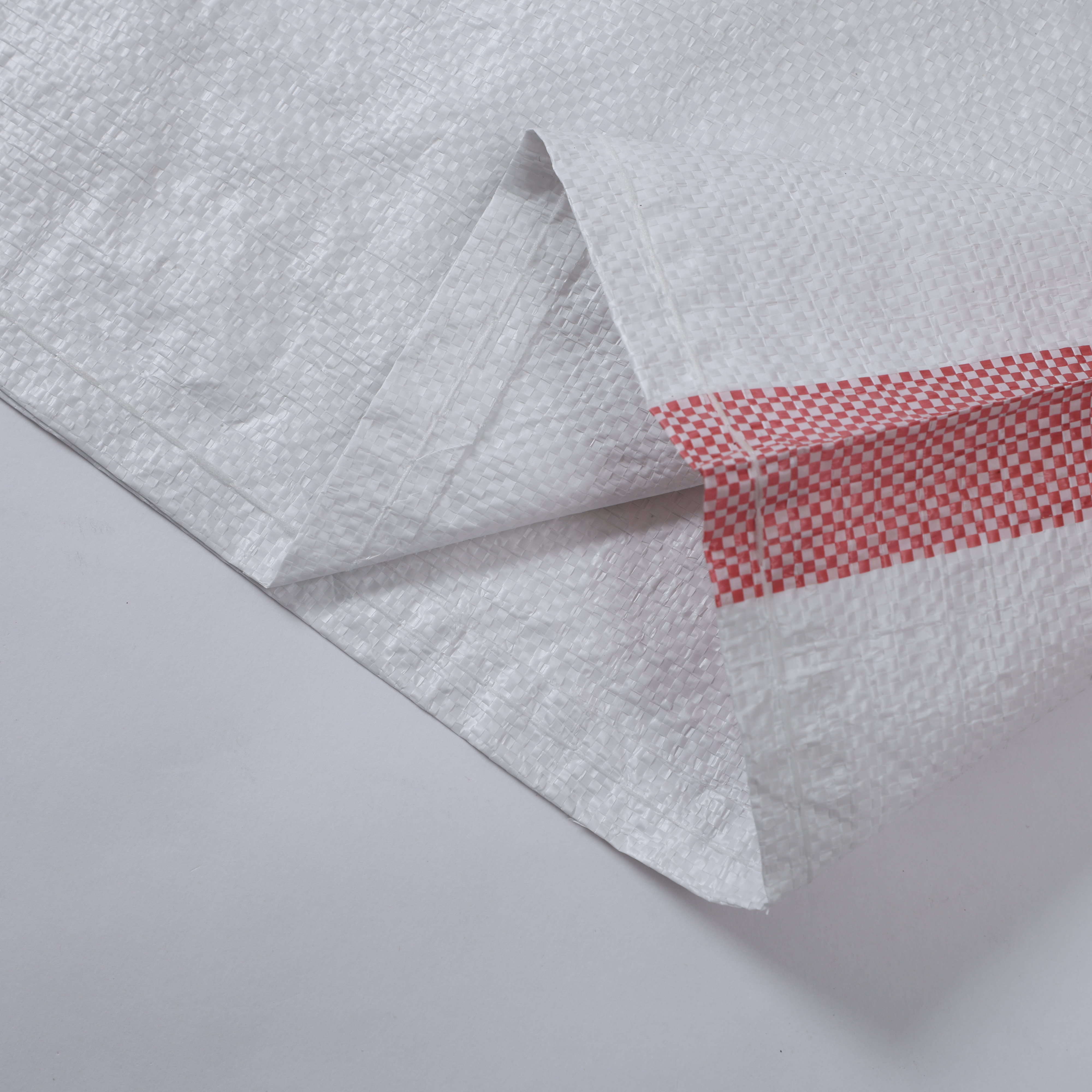
Tensile strength stands as one of the most critical performance metrics in modern industrial packaging, particularly when manufacturing a pp woven bag. Understanding and maintaining proper tensile strength standards ensures that polypropylene woven bag products meet customer expectations, regulatory requirements, and real-world handling demands. The strength characteristics of a pp woven sack directly influence its ability to contain heavy materials, resist puncture, and maintain structural integrity throughout its lifecycle, from production through transportation to end-user handling.
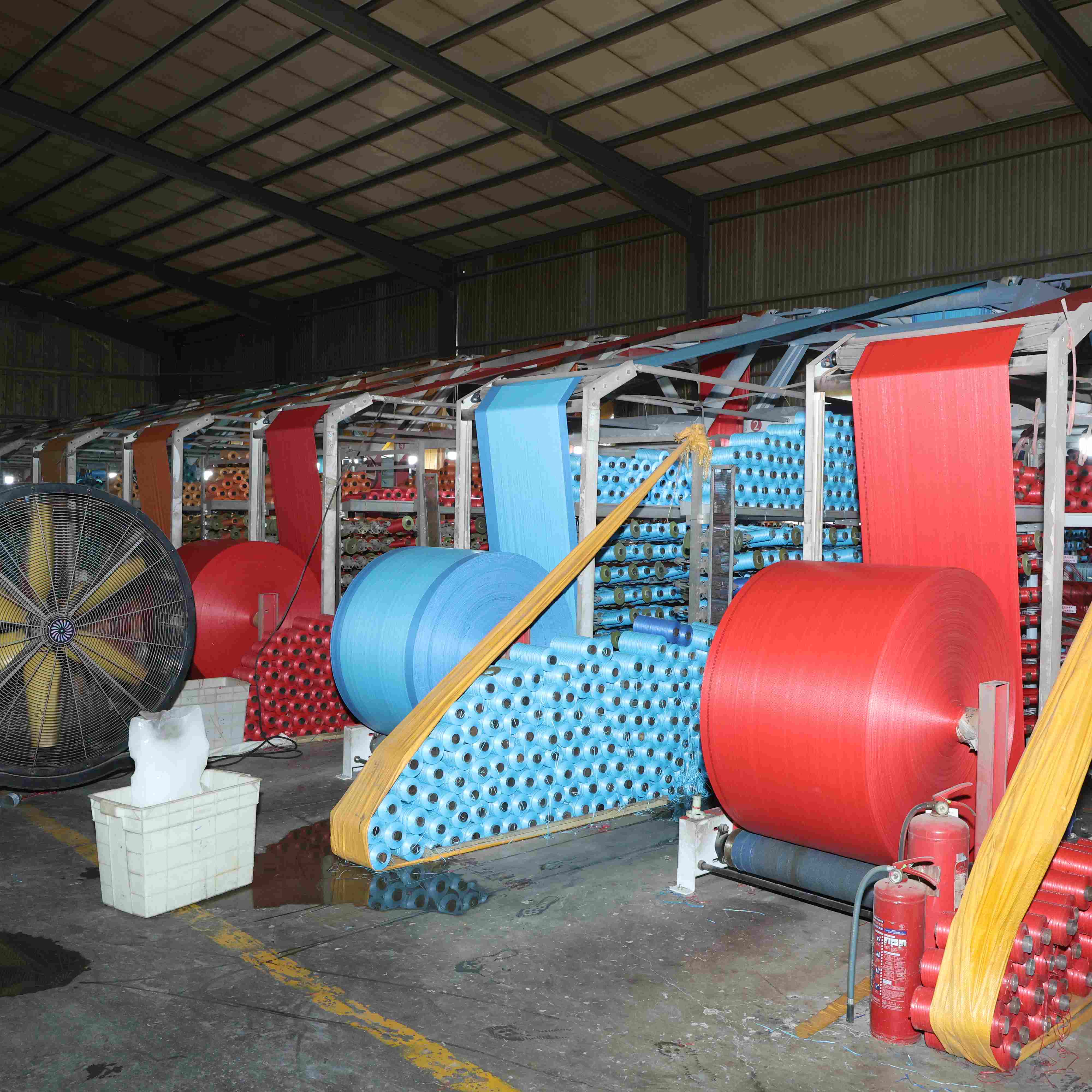
The production of high-quality woven polypropylene packaging requires precise control over raw material selection, fiber orientation, weaving density, and post-production processing. Manufacturing facilities must establish clear tensile strength benchmarks aligned with international standards and customer specifications to ensure consistent output. This comprehensive guide explores the essential tensile strength standards that govern pp bulk bag manufacturing, the testing methodologies used to validate performance, and the practical implications for operations and quality assurance teams.
Tensile strength represents the maximum stress a material can withstand when subjected to pulling or stretching forces before failing or breaking. For polypropylene woven bag applications, tensile strength is typically measured in megapascals (MPa) or kilograms-force per square centimeter (kgf/cm²). The polypropylene woven bag's tensile properties depend on several interconnected factors, including the molecular weight distribution of the polymer resin, the fineness of the polypropylene fibers, the yarn twist and strength, and the overall weave pattern employed during manufacturing.
The pp woven sack industry recognizes two primary tensile strength measurements: machine direction (MD) strength and cross direction (CD) strength. Machine direction refers to the tensile strength along the length of the fabric as it exits the looms, while cross direction measures strength perpendicular to this axis. Both measurements are essential because woven polypropylene packaging experiences stress from multiple directions during handling, stacking, and transportation. A well-engineered pp bulk bag maintains balanced strength across both directions to prevent unexpected failures.
International standards organizations establish minimum tensile strength requirements to protect manufacturers, distributors, and end-users. The American Society for Testing and Materials (ASTM) D6775 standard specifically addresses tensile strength testing for polypropylene woven bags. This standard defines testing procedures, equipment specifications, sample preparation requirements, and acceptance criteria. Most major industrial sectors—including agriculture, chemicals, fertilizers, and minerals—reference ASTM standards or equivalent international guidelines such as ISO specifications when procuring pp woven bag materials.
Typical tensile strength requirements for pp woven sack products range from 50 to 200 kgf/cm² (5 to 20 MPa), depending on the intended application and load capacity. Heavy-duty industrial applications often demand polypropylene woven bag specifications exceeding 150 kgf/cm², while lighter packaging applications may require lower minimums. Manufacturers establishing tensile strength standards must consider customer expectations, regulatory frameworks in target markets, and competitive positioning within the woven polypropylene packaging landscape.
Proper testing protocols ensure that pp bulk bag batches consistently meet established tensile strength standards. Laboratories use universal testing machines that apply controlled pulling forces to fabric samples until rupture occurs, precisely measuring the maximum load sustained. For polypropylene woven bag testing, samples must be cut to standardized dimensions—typically 50 millimeters wide by 150 millimeters long—to ensure reproducibility and comparability across different production batches and manufacturing facilities.
Testing samples are collected from multiple locations across rolls of woven polypropylene packaging to account for potential variations in the manufacturing process. Technicians typically prepare samples in both machine direction and cross direction to verify balanced fabric performance. The pp woven sack samples are then conditioned to standard temperature and humidity levels before testing to eliminate environmental variables that could skew results.
Forward-thinking polypropylene woven bag manufacturers implement in-line monitoring systems that assess fabric properties during production rather than relying solely on post-production testing. These systems can detect variations in yarn tension, weave density, or processing conditions that might compromise the tensile strength of pp bulk bag output. Real-time feedback enables operators to make immediate adjustments before defective material accumulates, reducing waste and improving overall production efficiency.
Automated inspection equipment specifically designed for woven polypropylene packaging can measure fabric thickness, weight, and yarn count continuously. By correlating these parameters with historical tensile strength data, manufacturers can predict whether emerging batches will meet established standards before conventional laboratory testing confirms results. This proactive approach significantly reduces the risk of shipping pp woven sack products that fall below tensile strength specifications, protecting customer relationships and brand reputation.
The quality of base polypropylene resin fundamentally determines the maximum achievable tensile strength in any pp woven bag product. High-melt-flow-index (MFI) resins typically produce finer, more uniform fibers that contribute to superior woven polypropylene packaging performance. Fillers, additives, and processing aids included during resin preparation also influence how effectively the material can be drawn into yarn and subsequently woven into polypropylene woven bag fabric. Manufacturers must establish supplier specifications ensuring consistent resin characteristics batch-to-batch.
Yarn production processes directly impact the tensile properties of pp woven sack materials. The degree of molecular orientation achieved during fiber drawing and subsequent yarn processing strongly influences final fabric strength. Controlled temperature profiles, appropriate draw ratios, and optimized crimp levels during production of polypropylene fibers maximize the tensile strength potential for pp bulk bag applications. Some manufacturers employ specialty texturing or twisting processes that enhance yarn robustness without requiring premium resin grades.
Weave pattern selection represents a critical decision point in establishing tensile strength for polypropylene woven bag production. Plain weave patterns provide more uniform stress distribution and typically deliver higher machine-direction tensile strength compared to twill or other complex patterns. However, the specific balance between warp and weft thread counts substantially influences cross-direction strength and overall fabric balance. Densely woven pp woven sack fabrics generally exhibit superior tensile performance but require correspondingly higher energy input during production.
Thread count per unit area—measured in threads per inch (TPI) or threads per centimeter—directly correlates with achievable tensile strength in woven polypropylene packaging. Increasing warp and weft density enhances pp bulk bag strength characteristics but increases production complexity and material costs. Manufacturers must optimize this balance to deliver polypropylene woven bag products meeting customer specifications while maintaining competitive pricing and operational efficiency. Pilot production runs and mathematical modeling help identify the optimal weave construction parameters for specific applications.
Heat treatment and calendering processes applied after weaving significantly influence final tensile strength in pp woven sack products. Controlled heat-setting partially crystallizes the polypropylene fibers, improving dimensional stability and strengthening the overall structure of polypropylene woven bag materials. Over-aggressive heat treatment can degrade fiber properties and reduce tensile performance, requiring careful optimization of temperature and duration. Some manufacturers apply specialized surface treatments that enhance abrasion resistance without negatively impacting woven polypropylene packaging strength characteristics.
Environmental exposure—particularly ultraviolet radiation and temperature fluctuations—can significantly degrade tensile strength in pp bulk bag applications over extended periods. UV stabilizers and antioxidant additives incorporated during resin or yarn production help protect the polypropylene woven bag material from photodegradation. Proper storage conditions at manufacturing facilities and in customer warehouses preserve the tensile properties that were carefully engineered into the pp woven sack product, maintaining long-term performance and customer satisfaction.
Most industrial applications require pp woven sack tensile strength between 80 and 150 kgf/cm² (8 to 15 MPa) depending on load requirements. Heavy-duty polypropylene woven bag applications like chemical or mineral transport may demand 150 to 200 kgf/cm², while lighter packaging applications might accept 50 to 100 kgf/cm². Customer specifications and end-use conditions ultimately determine the appropriate tensile strength target for pp bulk bag products.
Best practices recommend testing polypropylene woven bag batches at least daily, with some manufacturers conducting hourly checks on production runs. The frequency depends on production volume, material consistency, and customer sensitivity to variations. Many facilities performing continuous production of pp woven sack materials implement real-time monitoring systems supplemented by formal laboratory testing at strategic intervals to ensure consistent woven polypropylene packaging quality.
Yes, optimizing process parameters like weave density, thread tension, heat-setting temperature, and post-production treatment can enhance polypropylene woven bag tensile strength within existing equipment capabilities. Manufacturers often discover that fine-tuning the loom settings or adjusting calendering parameters yields measurable improvements in pp woven sack strength without substantial capital investment, making process optimization a cost-effective pathway to enhanced woven polypropylene packaging performance.

Discover the 4 critical production metrics—throughput, defect rate, equipment uptime & on-time delivery—to vet factories confidently.

Ensure regulatory compliance & worker safety with proven methods for chemical woven bags—material selection, labeling, storage & training.

Discover the full PP woven bag manufacturing workflow—from extrusion & weaving to printing & QC. Boost efficiency, compliance & ROI. Download the process guide now.

Struggling with weak bags or high material waste? Master extrusion and tape drawing tech for stronger, cheaper PP woven bags. Optimize your production line now.

Struggling with defects or customer returns? Discover the 5 non-negotiable quality checkpoints across your woven bag production line
Which automation tier is right for your PP woven bag factory? Compare manual to Industry 4.0 systems for cost, quality, and scalability.
Get in touch for details on polypropylene woven bags and flexible packaging solutions.
Tel
Address
No.2015, Liaoyuan Building, Lanshan District, Linyi City, Shandong Province.China

