 EN
How to Assess Production Efficiency at a PP Woven Bag Factory
Discover the 4 critical production metrics—throughput, defect rate, equipment uptime & on-time delivery—to vet factories confidently.

2026/08/05
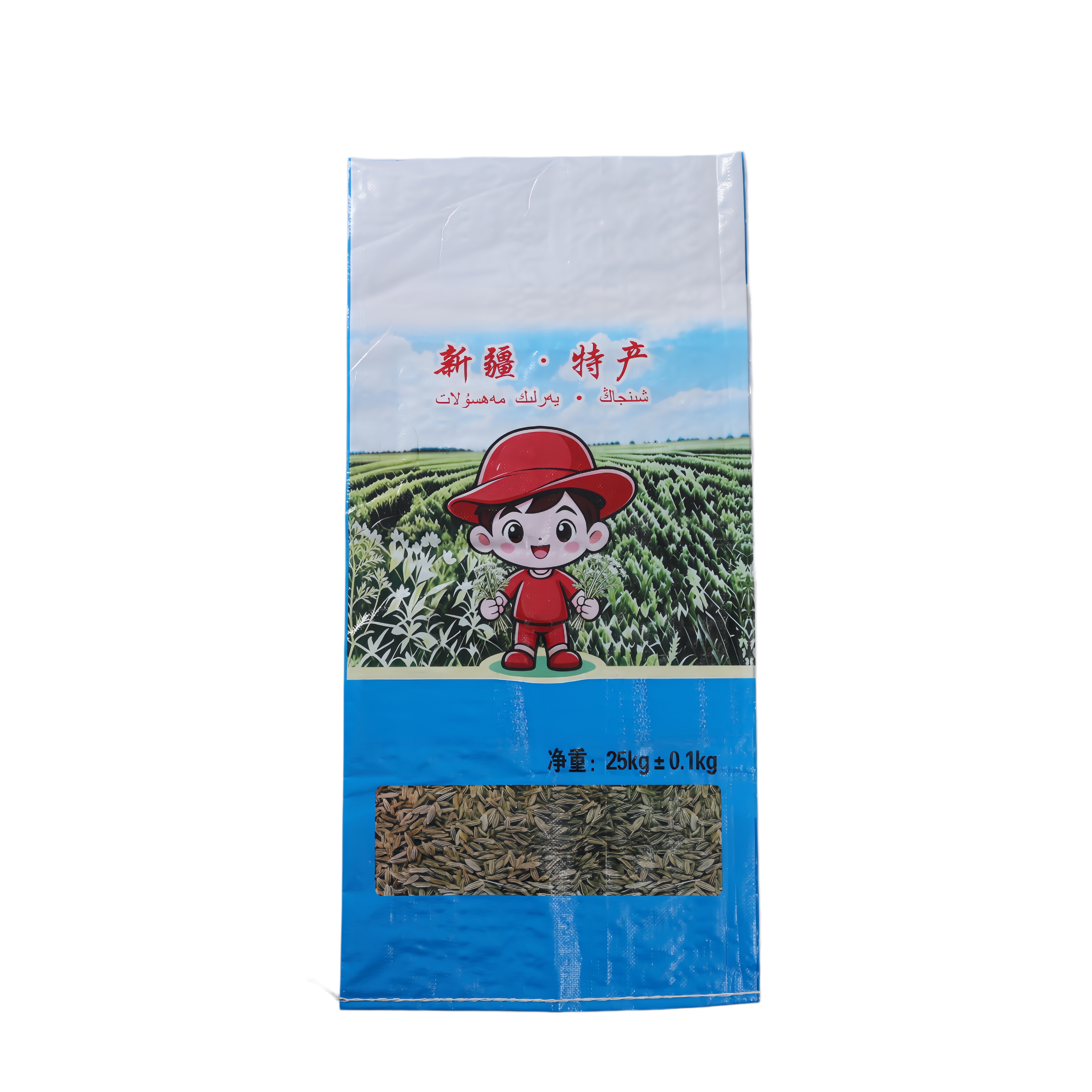
Moisture proof laminated bags represent a critical advancement in protective packaging technology, combining multiple material layers to create an effective barrier against environmental moisture. The coating process behind these specialized containers is a sophisticated engineering feat that transforms standard substrate materials into high-performance moisture proof packaging solutions. Understanding this process is essential for businesses seeking reliable storage and transportation options for moisture-sensitive products.
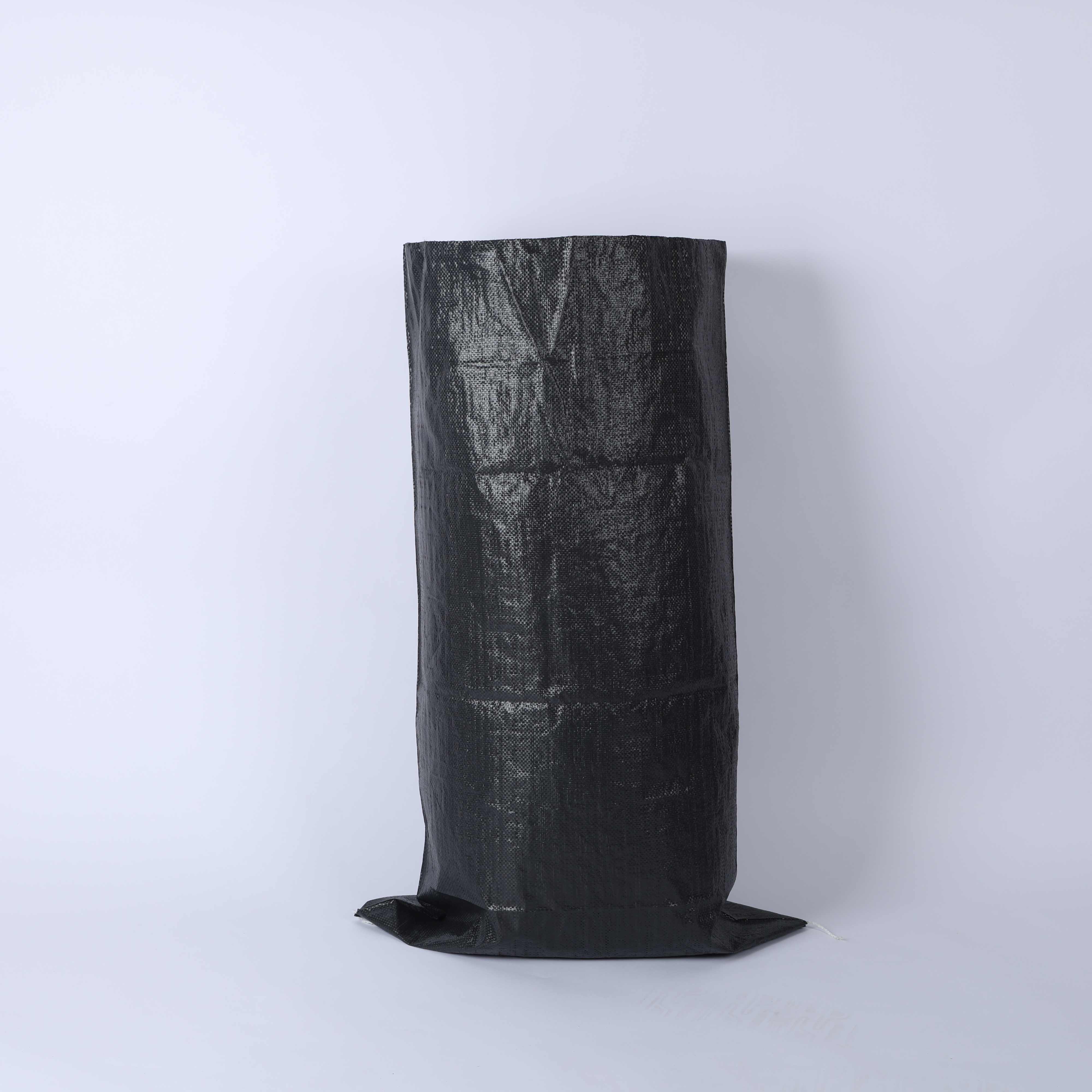
The development of coated packaging bag technology has revolutionized how manufacturers protect products from moisture exposure during storage and transport. Laminated pp bag designs incorporate multiple bonding layers and specialized coatings that work together to prevent water vapor penetration and moisture ingress. Modern laminated sack production combines traditional materials with advanced polymer coating techniques to deliver superior protective performance. This article explores the detailed coating mechanisms, material science principles, and industrial applications that make moisture proof bag solutions indispensable across diverse sectors.
The foundation of any effective coated packaging bag begins with selecting appropriate substrate materials that can accept and bond with protective coatings. Polypropylene woven fabric serves as the primary substrate for most laminated pp bag production, offering excellent dimensional stability and mechanical strength. The substrate material must possess specific surface characteristics that allow coating adhesion while maintaining breathability control. Paper-based substrates combined with plastic reinforcement create the foundation for laminated sack designs that meet demanding moisture proof requirements.
Modern laminated bags rely on specialized adhesive formulations that create permanent bonds between substrate layers and protective coatings. Water-based and solvent-based adhesives are carefully selected based on the specific moisture proof bag application and environmental regulations. The adhesive layer must cure uniformly across the entire width of the coated packaging bag material to ensure consistent performance. These bonding technologies determine how well the laminated sack resists delamination under humidity stress and temperature fluctuations during storage and transportation.
The moisture proof bag coating process employs multiple application techniques to apply barrier layers uniformly across substrate surfaces. Extrusion coating technology melts plastic resins and applies them directly onto the substrate during production, creating an instantaneous moisture-resistant barrier within the laminated bags structure. Lamination coating processes involve applying liquid polymer solutions that cure and harden to form moisture proof protective layers on coated packaging bag surfaces. Each method offers distinct advantages in controlling thickness, uniformity, and adhesion quality for laminated pp bag manufacturing.
The effectiveness of any moisture proof bag depends on the barrier film's ability to resist water vapor transmission and prevent moisture penetration. Coated packaging bag barriers achieve superior performance through multi-layer construction, where each laminated sack layer contributes distinct protective properties. Polyethylene and polypropylene coatings work synergistically to create redundant moisture protection systems that maintain product integrity throughout extended storage periods. The coating thickness, density, and chemical composition directly influence how effectively the laminated bags block moisture exposure under challenging warehouse and transportation conditions.
Manufacturing laminated bags requires rigorous testing protocols to verify that moisture proof performance meets or exceeds industry standards and customer specifications. Moisture vapor transmission rate (MVTR) testing measures how much water vapor penetrates the coated packaging bag barrier under controlled temperature and humidity conditions. Laminated pp bag samples undergo accelerated aging tests to simulate long-term environmental exposure and verify coating durability over extended storage periods. These moisture proof bag quality assessments ensure that each laminated sack batch maintains consistent protective performance and meets critical moisture barrier requirements.
Effective moisture proof bag performance depends not only on coating integrity but also on seal quality and structural soundness of laminated bags. Production facilities test seal strength, puncture resistance, and tear propagation to ensure that the coated packaging bag maintains structural integrity throughout the supply chain. Laminated sack inspection systems identify coating defects, adhesive voids, and dimensional inconsistencies that could compromise moisture proof protection. Advanced quality assurance ensures that every laminated pp bag meets demanding performance standards before distribution to customers requiring reliable moisture protection solutions.
Laminated bags achieve superior moisture proof performance through redundant barrier layers that work together to block water vapor transmission. The combination of substrate materials, adhesive bonding, and specialized polymer coatings creates multiple defensive barriers against moisture penetration. Unlike single-layer coated packaging bag alternatives, laminated sack designs provide backup protection if one layer experiences minor damage, ensuring continued moisture proof functionality throughout product storage and transportation cycles.
The coating application method directly influences how well moisture proof bags withstand mechanical stress, temperature fluctuations, and prolonged storage conditions. High-quality extrusion and lamination techniques create uniform, defect-free barriers that maintain coated packaging bag integrity over extended timeframes. Careful adhesive selection and proper curing procedures ensure that laminated sack layers remain permanently bonded, preventing delamination that would compromise moisture proof protection and product quality throughout the product lifecycle.
Food packaging, pharmaceutical products, chemical additives, and agricultural commodities represent primary markets where moisture proof bags provide critical value. Laminated pp bag applications protect sensitive products from humidity exposure during warehousing, international shipping, and retail display. Coated packaging bag solutions in the construction materials, electronics, and hygiene product sectors depend on laminated sack technology to maintain product specifications and prevent moisture-related degradation that could compromise customer satisfaction and product performance.

Discover the 4 critical production metrics—throughput, defect rate, equipment uptime & on-time delivery—to vet factories confidently.

Ensure regulatory compliance & worker safety with proven methods for chemical woven bags—material selection, labeling, storage & training.

Discover the full PP woven bag manufacturing workflow—from extrusion & weaving to printing & QC. Boost efficiency, compliance & ROI. Download the process guide now.

Struggling with weak bags or high material waste? Master extrusion and tape drawing tech for stronger, cheaper PP woven bags. Optimize your production line now.

Struggling with defects or customer returns? Discover the 5 non-negotiable quality checkpoints across your woven bag production line
Which automation tier is right for your PP woven bag factory? Compare manual to Industry 4.0 systems for cost, quality, and scalability.
Get in touch for details on polypropylene woven bags and flexible packaging solutions.
Tel
Address
No.2015, Liaoyuan Building, Lanshan District, Linyi City, Shandong Province.China

