 EN
How to Assess Production Efficiency at a PP Woven Bag Factory
Discover the 4 critical production metrics—throughput, defect rate, equipment uptime & on-time delivery—to vet factories confidently.

2026/08/04
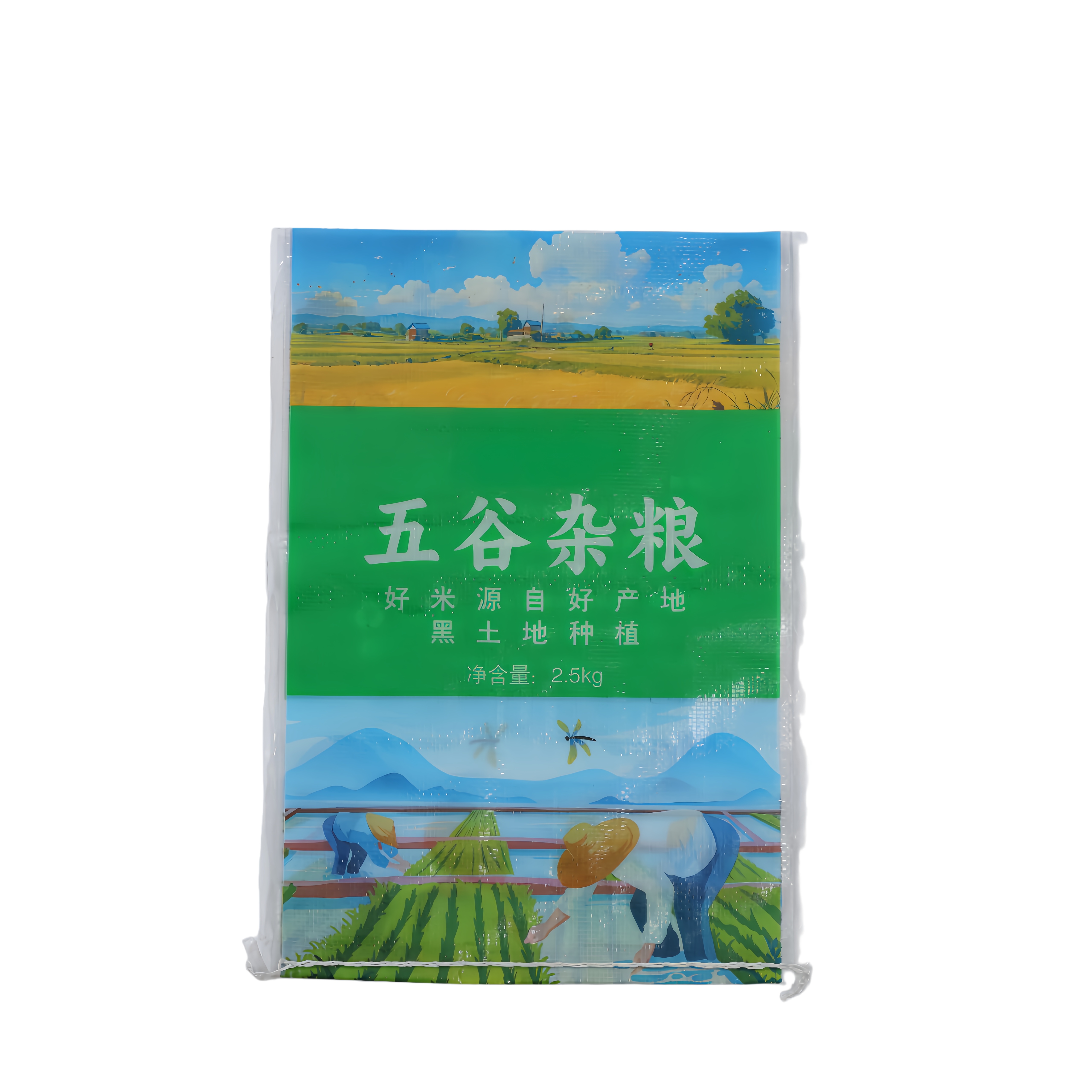
The journey from concept to completed product for custom woven bags involves a carefully orchestrated series of steps that blend technical expertise with creative design. Understanding this design to production workflow is essential for businesses planning to invest in personalized pp bags or tailored woven sack solutions. Each stage of the process directly impacts the final quality, durability, and visual appeal of your custom packaging solution. Whether you're developing a custom printed woven bag for retail distribution, promotional purposes, or internal logistics, knowing what happens behind the scenes ensures realistic timelines, accurate budgeting, and successful outcomes.
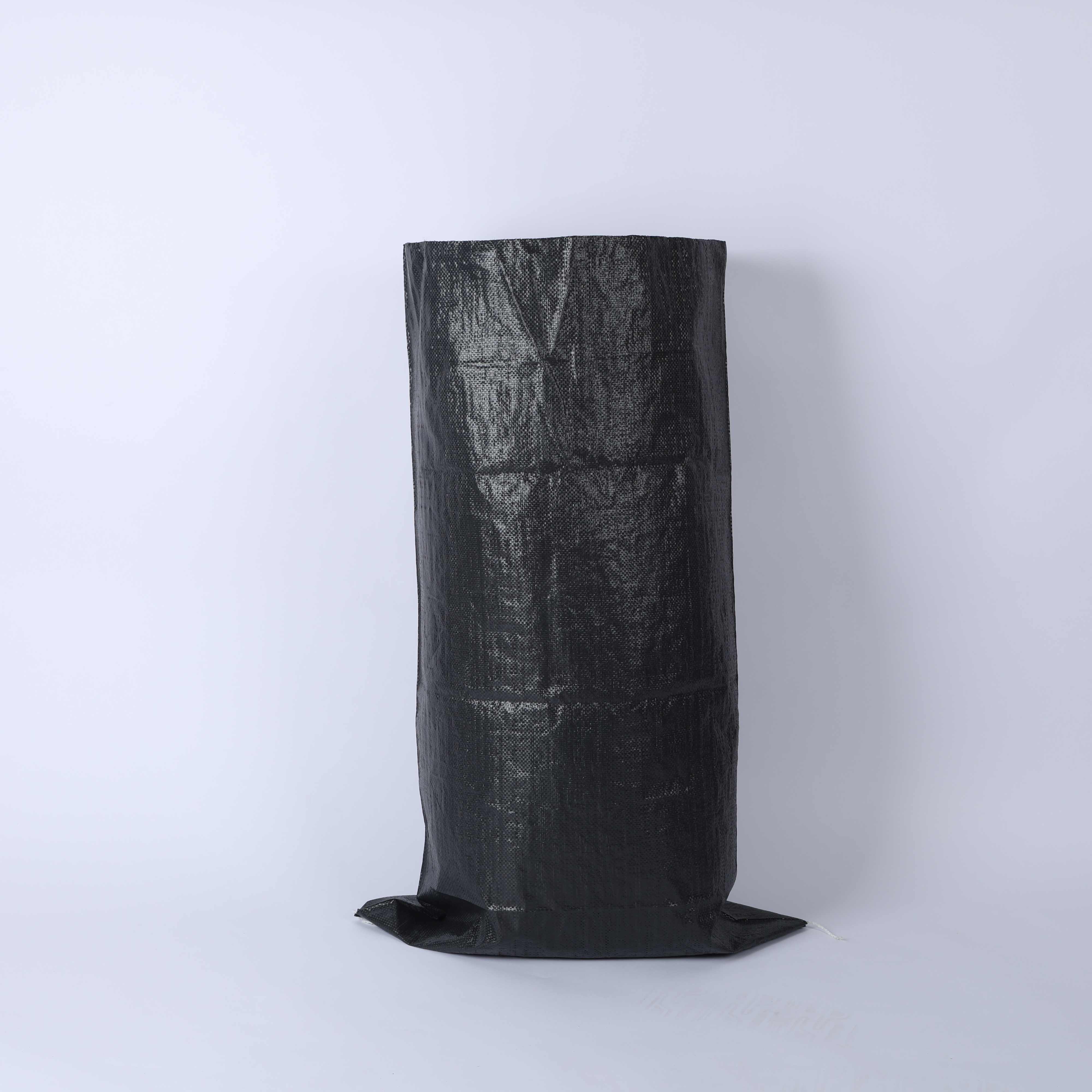
Custom woven bags represent a significant investment in brand presentation and functional packaging. Understanding the full workflow—from initial design consultation through material selection, production setup, quality testing, and final delivery—empowers you to make informed decisions and collaborate effectively with manufacturers.
The design to production workflow for custom woven bags begins long before any machinery starts running. During the initial consultation phase, manufacturers work closely with clients to clarify objectives, intended use, and functional requirements.
Technical specifications must address material composition, weave density, color preferences, and branding elements. For a personalized pp bag, this includes determining whether you need virgin or recycled polypropylene, the appropriate gram weight for your product, and any special features like waterproofing or UV resistance.
Once requirements are locked, designers create preliminary mockups showing how your custom packaging solution will appear. These digital renderings incorporate your logo, brand colors, text placement, and any special design elements. For a tailored woven sack intended for agricultural, industrial, or retail applications, the mockup stage allows you to visualize scale, proportion, and visual hierarchy before committing to production tooling. Most manufacturers provide two to three revision rounds during this phase to ensure the design aligns with your brand identity.
Sample approval is critical here. Requesting physical pre-production samples of a custom printed woven bag helps identify potential issues with color accuracy, text clarity, and print durability that flat digital files cannot reveal.
The material foundation of your custom woven bags directly determines durability, cost, and environmental profile. Polypropylene sourcing begins with determining whether virgin material, recycled content, or a blend best serves your application. A personalized pp bag for heavy-duty logistics demands higher gram weights and virgin-grade material, while a promotional custom packaging solution might accept lighter stock with recycled content.
Raw material arriving at the facility undergoes testing for tensile strength, tear resistance, and color uniformity. For tailored woven sack production, material quality control prevents weak points that could compromise load-bearing performance.
Beyond the woven fabric itself, the design to production workflow for custom woven bags includes sourcing secondary materials—reinforced threads, handles, labels, and closures. Each component must meet durability standards and integrate seamlessly with the final product.
The weaving phase transforms raw polypropylene into the flat fabric that becomes your tailored woven sack. Automated looms follow programmed specifications to create the correct weave density, width, and length. Modern weaving equipment maintains precise tension and thread alignment to ensure uniform strength across the entire fabric roll. For custom printed woven bag production, the fabric quality at this stage sets the foundation for print adhesion and overall durability.
Throughout weaving, quality monitors check for defects, irregular patterns, and thickness variations. The design to production workflow includes real-time inspection systems that flag any deviation from specifications, allowing operators to adjust machine parameters before defective fabric accumulates.
Once fabric rolls are verified, they proceed to printing equipment where your design is applied using flexographic, gravure, or rotogravure methods depending on complexity and order volume. A custom printed woven bag requires precise color registration, adequate ink transfer, and proper curing to achieve vibrant, long-lasting graphics.
For personalized pp bag applications, coating may be applied after or before printing to enhance water resistance, durability, or aesthetic finish. These coatings protect printed surfaces from UV degradation and mechanical wear during storage, transport, and use.
Printed fabric then moves to cutting stations where automated or semi-automated equipment precisely trims individual bag blanks from continuous rolls. These blanks are stacked and transferred to sewing departments where sides are stitched, bottoms sealed, and handles attached.
Handle attachment represents a critical assembly point where different styles—folded-over edges, separate rope handles, or reinforced straps—are affixed to bag sidewalls. Each method demands specific equipment setup and operator skill to ensure handles withstand intended load ratings. For a tailored woven sack used in logistics or industrial contexts, handle strength testing validates that assembly meets functional requirements before bags move to finishing and packaging.
Before finished custom printed woven bag units leave the facility, rigorous testing ensures they meet all functional and regulatory requirements. Tensile strength testing measures how much weight each bag can support without tearing. Seam strength verification confirms that stitching withstands intended abuse. For personalized pp bag applications carrying sensitive contents, leakage tests validate that seams are water-tight when required.
Print durability testing involves rubbing, washing, and UV exposure to simulate real-world conditions and confirm that colors and graphics remain vibrant and legible throughout the product's intended use. For tailored woven sack orders destined for harsh environments, abrasion testing and chemical resistance evaluation may be conducted.
Finished custom woven bags are counted, inspected for visual defects, and packed into cartons or larger containers for shipment. The design to production workflow includes careful documentation of quantity, lot numbers, and any special handling instructions. For large-volume custom packaging solution orders, bags may be packed flat or pre-folded depending on your preferences and logistics constraints.
From initial consultation to finished product delivery, the timeline for custom woven bags generally spans four to eight weeks, depending on order volume, design complexity, and material availability. Simpler designs with standard specifications may complete faster, while highly customized orders involving unique printing techniques or specialized materials extend the timeline. Manufacturers can often expedite certain stages—such as using express printing or prioritizing setup—if timeline pressures exist, though rush services may carry premium costs.
Sampling is essential because it bridges the gap between digital design and physical reality. A sample of your personalized pp bag allows you to assess color accuracy, text clarity, handle placement, and overall construction before authorizing full production. Manufacturers typically provide pre-production samples at minimal cost, treating them as quality assurance investments. By approving a sample, you confirm that the manufacturer's setup, materials, and processes deliver your desired outcome, reducing the risk of discovering issues only after thousands of units arrive. For critical tailored woven sack applications, some clients request multiple samples under varying conditions to validate durability and performance.
Minor design modifications during early phases—before tooling is finalized and production begins—typically involve minimal cost and schedule impact. However, changes after printing setup has begun or after production commences incur additional charges due to equipment reconfiguration and potential material waste. The design to production workflow functions most efficiently when specifications remain stable from sample approval forward.

Discover the 4 critical production metrics—throughput, defect rate, equipment uptime & on-time delivery—to vet factories confidently.

Ensure regulatory compliance & worker safety with proven methods for chemical woven bags—material selection, labeling, storage & training.

Discover the full PP woven bag manufacturing workflow—from extrusion & weaving to printing & QC. Boost efficiency, compliance & ROI. Download the process guide now.

Struggling with weak bags or high material waste? Master extrusion and tape drawing tech for stronger, cheaper PP woven bags. Optimize your production line now.

Struggling with defects or customer returns? Discover the 5 non-negotiable quality checkpoints across your woven bag production line
Which automation tier is right for your PP woven bag factory? Compare manual to Industry 4.0 systems for cost, quality, and scalability.
Get in touch for details on polypropylene woven bags and flexible packaging solutions.
Tel
Address
No.2015, Liaoyuan Building, Lanshan District, Linyi City, Shandong Province.China

