 EN
How to Assess Production Efficiency at a PP Woven Bag Factory
Discover the 4 critical production metrics—throughput, defect rate, equipment uptime & on-time delivery—to vet factories confidently.

2026/08/28
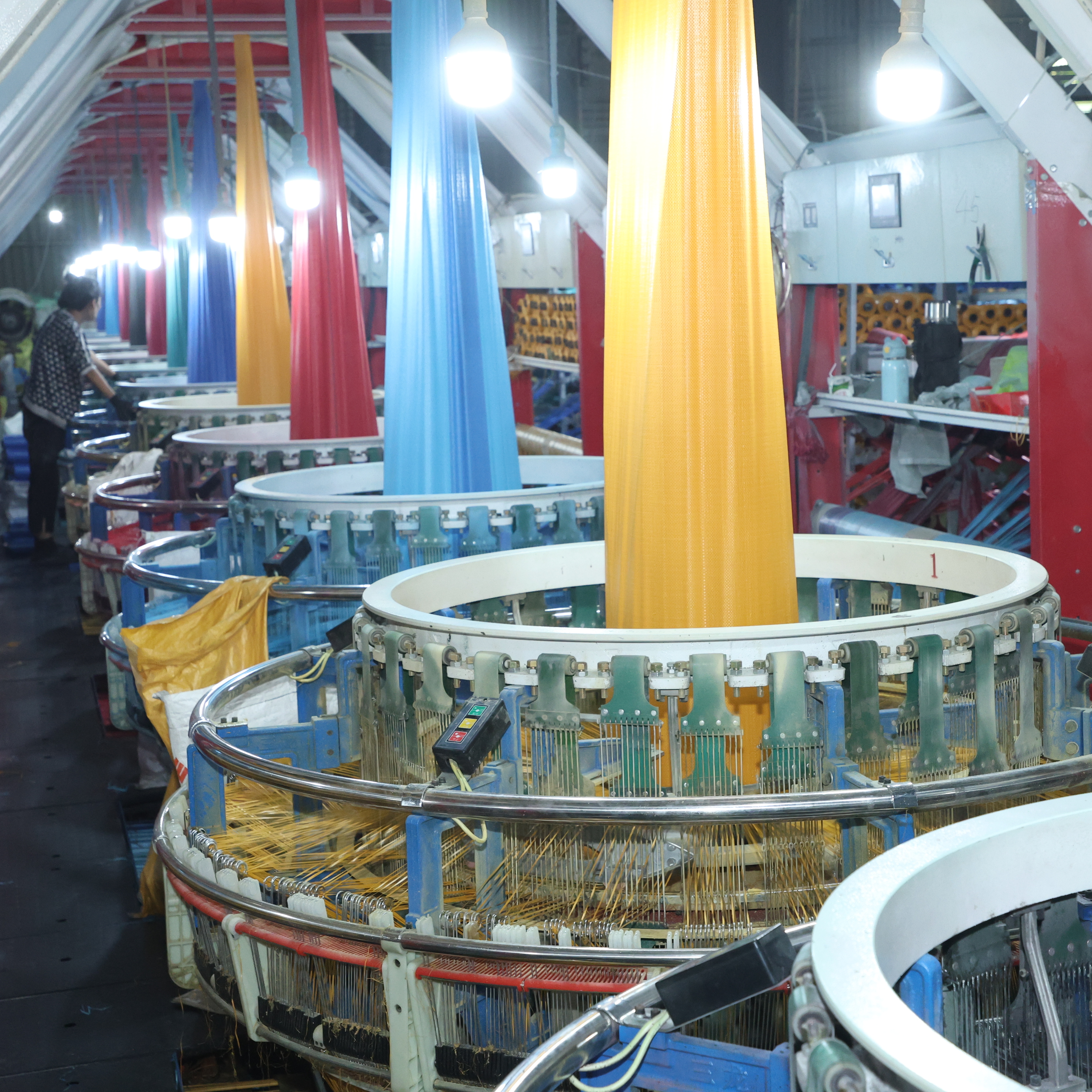
Moisture protection is critical in industrial and consumer packaging, particularly when products face storage in humid environments or require long-term shelf stability. PE Lined woven bags have become the standard solution for safeguarding sensitive materials, chemicals, food ingredients, and agricultural products from moisture ingress. Understanding how these bags function and why they perform so effectively helps purchasing professionals, logistics managers, and brand owners make informed decisions about their packaging strategy.
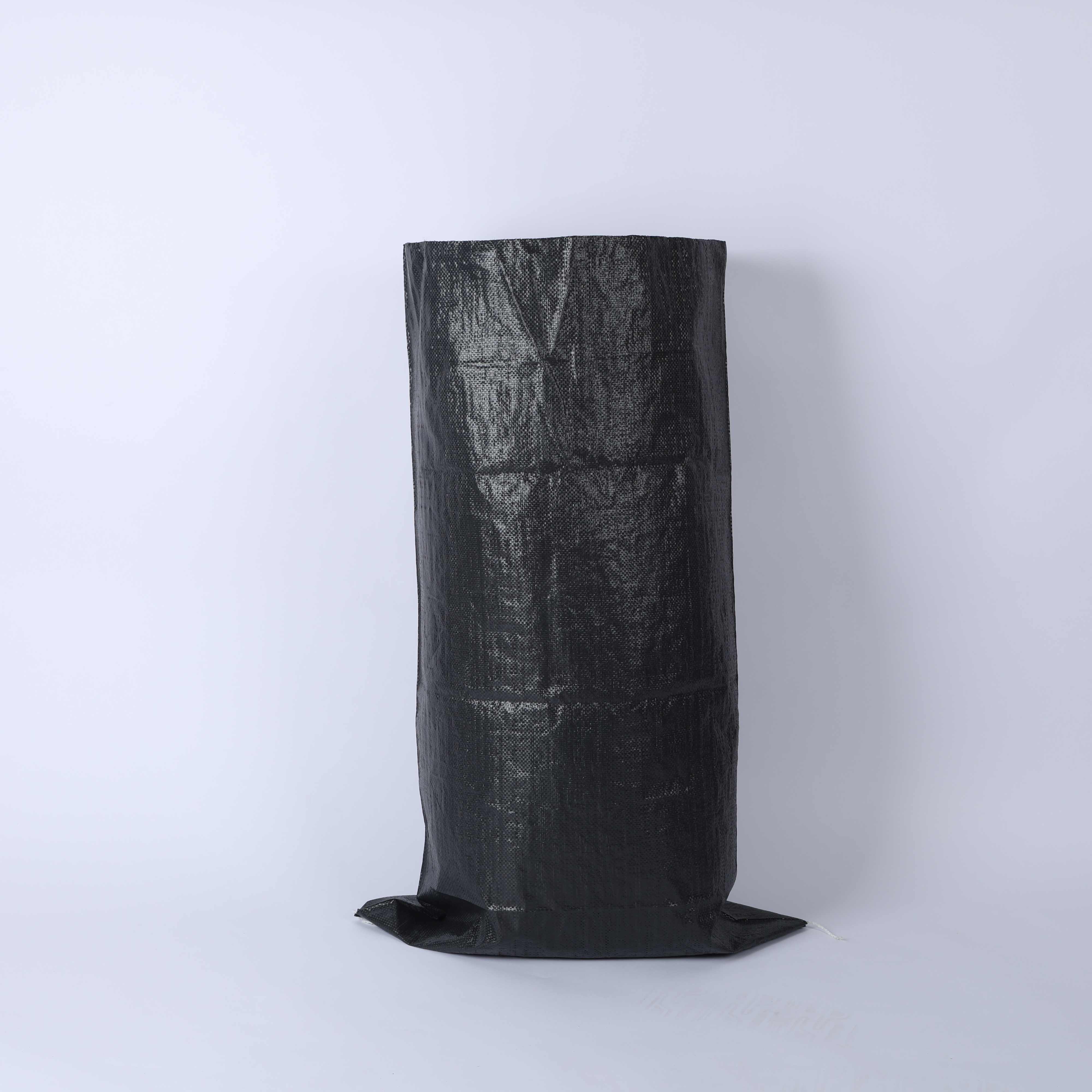
The integration of polyethylene liners into woven polypropylene structures creates a dual-layer system that combines the strength and printability of woven fabric with the moisture-resistant properties of plastic film. This hybrid construction approach delivers superior protection compared to single-layer alternatives, making PE liner bag solutions increasingly popular across pharmaceuticals, agriculture, chemicals, and food processing sectors. The moisture barrier bag design ensures products maintain their integrity during warehousing, transportation, and retail display.
A PE lined woven bag functions through a straightforward but highly effective principle: the outer woven polypropylene layer provides structural integrity, tear resistance, and accommodation for custom printing, while the inner polyethylene film layer blocks water vapor transmission. The polyethylene barrier works by creating a continuous, non-porous interface that moisture cannot penetrate under normal storage and transportation conditions. This combination ensures the pp pe composite bag withstands both mechanical stress and environmental moisture exposure simultaneously.
The thickness and quality of the polyethylene liner directly influence how well the moisture barrier bag protects contents. Premium-grade PE liners typically measure between 50 and 200 microns, depending on application requirements and product sensitivity. Thicker liners provide enhanced protection for high-value or hygroscopic materials, while balanced gauges optimize cost-efficiency for standard industrial applications. The pe liner bag construction allows manufacturers to customize protection levels without compromising the bag's handling performance or printability.
Technical performance of a moisture barrier bag is measured through water vapor transmission rate (WVTR), which quantifies how much water vapor passes through the barrier under standardized conditions. PE lined woven bags typically achieve WVTR values between 5 and 15 grams per square meter per day, depending on liner thickness and film quality. This performance level meets or exceeds requirements for most industrial applications, including chemical storage, pharmaceutical ingredient protection, and food ingredient preservation. The pe lined woven bag design ensures consistent WVTR performance across the entire surface, including seams where liners are heat-sealed during manufacture.
Pharmaceutical manufacturers and chemical distributors rely heavily on PE liner bag solutions to protect active ingredients, excipients, and bulk chemicals from moisture degradation. Moisture exposure can trigger chemical reactions, reduce potency of active pharmaceutical ingredients, or cause caking in powder formulations, resulting in product loss and regulatory compliance issues. The moisture barrier bag design prevents these failures by maintaining stable internal humidity levels, regardless of external storage conditions. A PE lined woven bag maintains product specifications throughout the supply chain, from manufacturing facility through final distribution.
Chemical products including pesticides, fertilizers, and specialty additives benefit from pe liner bag protection because these materials often experience reduced shelf life or altered chemistry when exposed to moisture. The pp pe composite bag construction withstands contact with oils, solvents, and aggressive chemicals while maintaining moisture barrier integrity. This combination of chemical resistance and moisture protection makes the PE lined solution ideal for multi-month storage in challenging warehouse environments.
Food ingredients, grains, seeds, and agricultural products face constant moisture threats during storage and international transport. The moisture barrier bag protects powdered ingredients such as milk powder, cocoa, spices, and flavorings from humidity absorption that leads to clumping, flavor degradation, or bacterial growth. PE lined woven bags maintain product quality and reduce spoilage losses, directly improving profitability for food manufacturers and exporters. The pe lined woven bag also accommodates food-grade polyethylene formulations that comply with FDA and EU food contact regulations.
Agricultural exporters shipping grains, nuts, seeds, and dried produce across diverse climates depend on moisture barrier bag solutions to prevent mold, sprouting, and quality deterioration. The PE liner bag design protects these valuable commodities during weeks-long sea voyages where temperature and humidity fluctuations would otherwise compromise product integrity. The pp pe composite bag construction maintains structural performance throughout the supply chain while delivering consistent moisture protection.
The effectiveness of a PE lined woven bag depends critically on proper sealing of the polyethylene liner at the bag opening. Heat sealing technology creates secure, moisture-tight closures that prevent any water vapor ingress at potential weakness points. Modern packaging manufacturers use automated heat-sealing equipment that ensures consistent seal quality across every PE liner bag produced. Double-seal or zipper-top options provide enhanced security for moisture barrier bag applications requiring repeated access or extended shelf life.
Quality control testing during manufacturing includes seal-strength verification and moisture penetration testing to confirm each pe liner bag meets specified performance standards. These tests ensure the pp pe composite bag maintains integrity throughout transportation, handling, and storage phases. Manufacturers that invest in rigorous quality assurance protocols deliver consistent protection, reducing customer losses from moisture damage claims.
The outer woven polypropylene layer of a PE lined woven bag accommodates high-quality custom printing, allowing brands to display product information, handling instructions, and regulatory compliance details without compromising moisture barrier bag performance. Multiple color printing and photographic imagery remain sharp and vibrant on woven substrates, supporting premium brand presentation in retail and industrial contexts. The pe liner bag design does not restrict design flexibility, enabling marketers to utilize the full surface for branding while maintaining the protective function of the moisture barrier bag.
Size customization, grommet placement, and specialized closures can be integrated into PE lined woven bag designs to match specific operational requirements. Whether requiring 5-kilogram food pouches, 25-kilogram chemical sacks, or 50-kilogram agricultural bags, manufacturers can produce pe liner bag solutions tailored to exact customer specifications. The pp pe composite bag approach allows designers to optimize bag dimensions, handle strength, and barrier performance for each unique application scenario.
Products protected by a PE liner bag typically maintain their specified quality for 6 to 24 months, depending on the product type, storage temperature, and baseline moisture sensitivity. Pharmaceutical ingredients and chemical additives stored in moisture barrier bag conditions often exceed manufacturer shelf-life predictions because moisture exposure—a primary degradation driver—remains blocked. The pe liner bag protection extends profitability by reducing spoilage losses and minimizing inventory write-offs from moisture-damaged stock.
PE lined woven bags can be recycled through specialized plastic waste streams, though the composite nature of pp pe composite bag construction requires separation of the polypropylene woven outer layer from the polyethylene liner. Many facilities now process these materials separately to recover both plastics for remanufacturing into secondary products. Reuse of a PE liner bag for different products depends on previous contents and regulatory requirements, particularly in pharmaceutical and food-contact applications.
PE lined woven bags represent competitive pricing compared to rigid containers or multi-layer film pouches, particularly for large volumes and standard sizes. The moisture barrier bag cost advantage increases significantly when accounting for reduced product loss from moisture damage, minimized spoilage claims, and efficient logistics due to lower packaging weight. For bulk storage applications, the pe liner bag solution delivers superior cost-performance compared to alternative moisture protection methods across supply chain operations.

Discover the 4 critical production metrics—throughput, defect rate, equipment uptime & on-time delivery—to vet factories confidently.

Ensure regulatory compliance & worker safety with proven methods for chemical woven bags—material selection, labeling, storage & training.

Discover the full PP woven bag manufacturing workflow—from extrusion & weaving to printing & QC. Boost efficiency, compliance & ROI. Download the process guide now.

Struggling with weak bags or high material waste? Master extrusion and tape drawing tech for stronger, cheaper PP woven bags. Optimize your production line now.

Struggling with defects or customer returns? Discover the 5 non-negotiable quality checkpoints across your woven bag production line
Which automation tier is right for your PP woven bag factory? Compare manual to Industry 4.0 systems for cost, quality, and scalability.
Get in touch for details on polypropylene woven bags and flexible packaging solutions.
Tel
Address
No.2015, Liaoyuan Building, Lanshan District, Linyi City, Shandong Province.China

