 EN
How to Assess Production Efficiency at a PP Woven Bag Factory
Discover the 4 critical production metrics—throughput, defect rate, equipment uptime & on-time delivery—to vet factories confidently.

2026/08/07
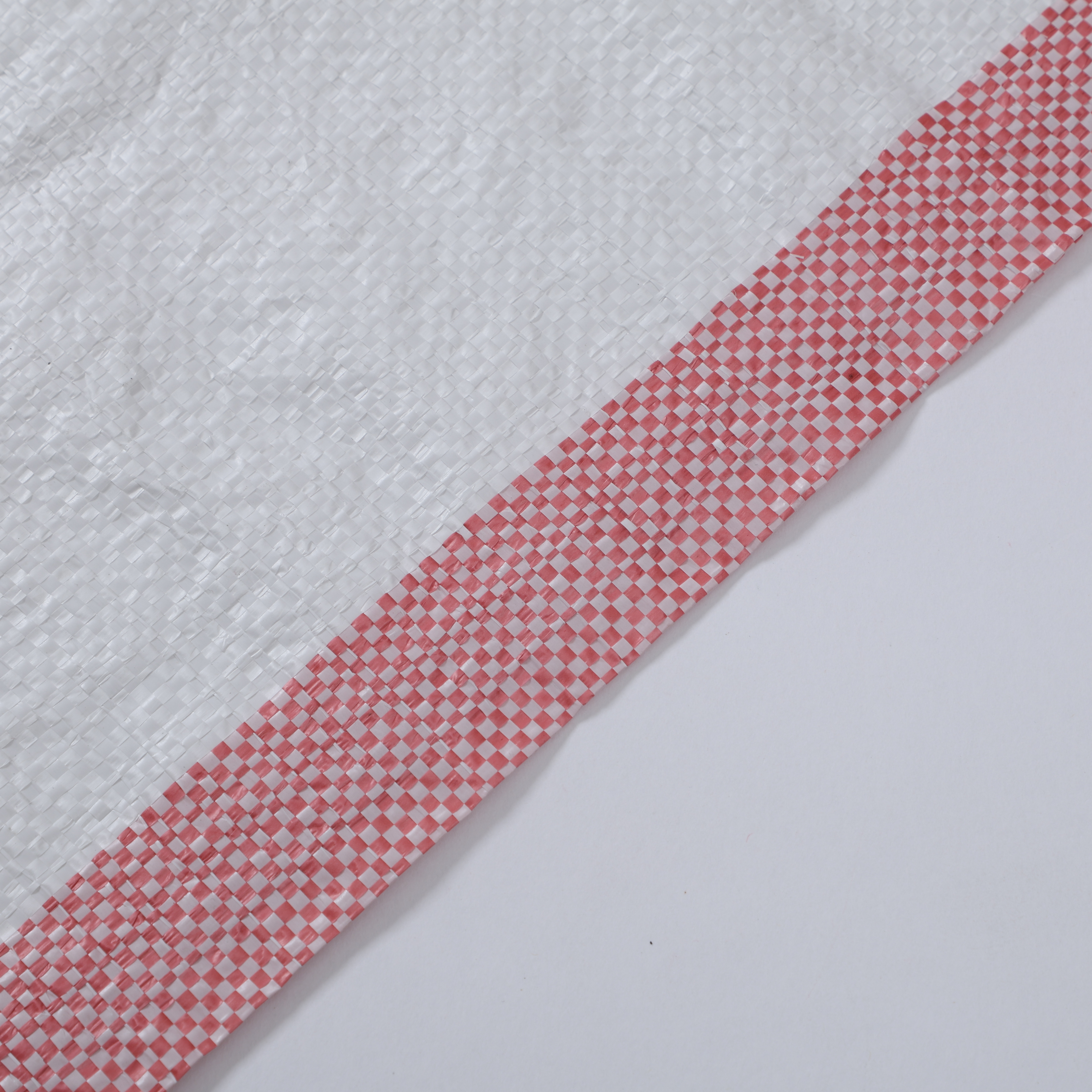
The strength of a pp woven bag depends fundamentally on the structural design of its woven polypropylene fabric rather than material grade alone. Industrial buyers often assume that raw material quality is the primary determinant of performance, but the actual weaving structure—tape width, density, weave pattern, and thread orientation—plays an equally critical role in delivering durability and load-bearing capacity. Understanding these structural elements helps procurement teams make informed decisions about which polypropylene woven bag solutions truly meet their operational demands.
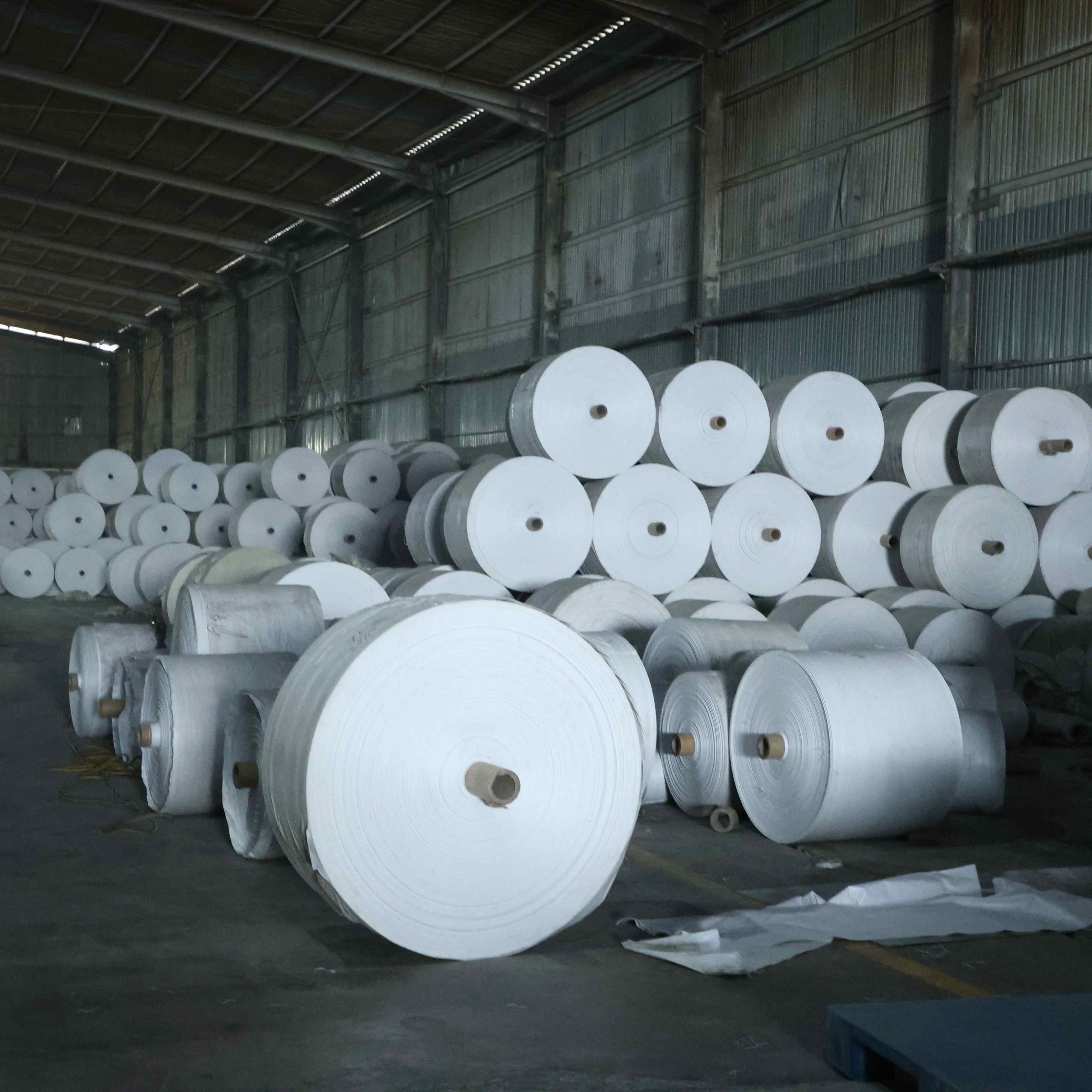
Modern pp woven sack manufacturing has evolved into a precision discipline where fabric architecture directly controls tensile strength, tear resistance, and puncture performance. When you specify a polypropylene woven bag for chemical storage, agricultural commodities, or industrial materials, you are not simply selecting a container—you are choosing a specific weaving geometry that determines how stress distributes across the fabric matrix. This structural logic applies equally to pp bulk bag designs used in construction aggregates, resins, and powdered ingredients.
The plain weave remains the foundation of most woven polypropylene packaging due to its simplicity and balanced strength profile. In this structure, warp and weft threads cross at regular intervals in an over-under sequence, creating a uniform grid. This geometry distributes tensile loads evenly across both directions, which is why plain-weave pp woven bags maintain reliable strength under multi-directional stress. Specialty patterns such as twill or basket weave introduce deliberate offset angles or grouped thread passages that shift stress concentration patterns and optimize performance for specific applications.
High-density plain weaves used in premium pp bulk bag production can achieve thread counts exceeding 20 threads per inch in both directions. This density reduction of void space directly increases fabric mass per unit area and improves barrier properties against fine particles and moisture. Conversely, lower-density weaves prioritize cost efficiency and breathability for products like agricultural seeds or fertilizers where slight particle loss is acceptable.
Precise spacing between warp and weft threads in woven polypropylene packaging governs how external loads transfer through the fabric network. When threads are positioned closer together, the number of load-bearing contact points increases exponentially, creating a more robust matrix that resists tearing and puncture. Industrial-grade pp woven sack suppliers typically tighten thread spacing in critical zones such as bag sides and seams to concentrate structural capacity where shear stress concentrates during handling and stacking.
The relationship between thread spacing and strength is not linear—doubling thread density does not double strength because diminishing returns occur once interference between threads limits further tightening. Experienced fabric engineers balance density with processability: excessively tight weaves can cause loom friction, thread breakage, and manufacturing inefficiency. Modern polypropylene woven bag manufacturers use computational stress modeling to identify optimal density points that maximize performance while maintaining production throughput.
The individual tape denier—the mass in grams of 9000 meters of yarn—directly influences the load-bearing capacity of each thread in a pp woven bag structure. Higher denier tapes contain more polymer material and exhibit proportionally higher tensile strength and elongation at break. A pp bulk bag constructed with 1000-denier tape can withstand substantially higher puncture and tear forces than an equivalent density structure made from 500-denier tape, provided both are produced from comparable polypropylene resin grades.
Selection of tape denier depends on the application's specific demands. Agricultural and construction commodities transported in pp woven sack formats typically require 800- to 1200-denier tapes to handle rough handling, stacking loads, and environmental exposure. Lower-denier options suffice for light-duty packaging of non-abrasive materials or short transport distances. Woven polypropylene packaging designers must balance denier choice against weight, material cost, and manufacturing speed.
Industrial-grade polypropylene woven bag tape can be produced using either flat-film extrusion or fibrillation methods, each affecting structural behavior. Flat-tape construction involves slitting extruded polypropylene film into strips, resulting in smooth, uniform threads with excellent gloss and appearance. Fibrillated yarn production requires blending high and low melting-point polypropylene, then post-drawing to create a mechanically interlocked fiber bundle that exhibits higher modulus and superior abrasion resistance.
Fibrillated structures are preferred for pp woven sack applications requiring durability against sharp objects, rough surfaces, or repetitive handling stress. The internal fiber networking within fibrillated yarn resists catastrophic tear propagation better than solid flat tape because stress must overcome multiple micro-bonds rather than propagating through a single continuous material. This architectural difference explains why some pp bulk bag suppliers charge premiums for fibrillated products—the added performance directly results from structural geometry rather than chemical composition.
A pp woven bag is only as strong as its weakest structural point, making seam integrity critical to overall performance. Traditional four-panel bag construction typically incorporates overlapping fabric panels sewn with multiple parallel stitch rows along side seams and bottom closures. The stitch pattern itself functions as secondary reinforcement, creating mechanical locks between layers and distributing seam stress across an extended zone rather than concentrating it on isolated stitches.
High-strength woven polypropylene packaging for chemical or industrial use employs reinforced side seams with doubled fabric layers extending several inches from the stitched line. This geometry increases the cross-sectional area available to absorb tensile stress during filling, stacking, and handling. The pp bulk bag market has evolved toward thermal-welded and combination seam technologies that fuse fabric edges while maintaining mechanical stitching, creating hybrid strength profiles that exceed either method alone.
Fabric edges on pp woven sack products are vulnerable to fraying and tear initiation because fibers are exposed rather than constrained by weaving. Premium polypropylene woven bag manufacturers apply melted edge binding or specialized edge-locking treatments to seal fiber ends and prevent unraveling. This edge architecture is especially important near seams and handling points where operators grip the bag during loading and unloading cycles.
Tear-stopper technology represents another advanced pp bulk bag feature where small fabric reinforcement patches are strategically placed in high-stress zones. These patches interrupt potential tear paths by creating mechanical anchoring points that prevent tears from propagating across the entire fabric. Testing confirms that tear-stopper equipped bags maintain integrity after puncture events that would split conventional woven polypropylene packaging.
Thread count directly determines how load distributes across the fabric matrix in woven polypropylene packaging. Higher thread counts increase the number of load-bearing fiber intersections, creating a denser network that resists tearing and puncture. A pp woven sack with 20 threads per inch in both directions can handle substantially higher stacking loads than a 12-thread-per-inch equivalent because each square inch of fabric contains more structural elements. However, density increases must be balanced against manufacturing feasibility and cost efficiency for commercial viability.
Fiber orientation determines how tensile forces distribute directionally within the weave structure of polypropylene woven bag designs. Balanced plain weaves distribute loads equally in machine and cross-machine directions, providing consistent strength regardless of stress direction. Specialized weave patterns deliberately bias fiber orientation to optimize strength in the primary load direction—typically vertical in pp woven sack bags where contents push downward against sidewalls. Understanding orientation helps engineers select the right polypropylene woven packaging for specific handling scenarios.
Weaving structure and material quality both contribute to overall strength, but they are not fully interchangeable. Optimal pp woven bag performance requires both high-quality polypropylene resin and intelligent structural design. A superior weave pattern cannot fully compensate for degraded resin, just as premium material cannot overcome poor fabric geometry. The most effective woven polypropylene packaging combines strong base material with dense, well-engineered weave patterns, proper tape denier selection, and reinforced seam construction to deliver reliable field performance.

Discover the 4 critical production metrics—throughput, defect rate, equipment uptime & on-time delivery—to vet factories confidently.

Ensure regulatory compliance & worker safety with proven methods for chemical woven bags—material selection, labeling, storage & training.

Discover the full PP woven bag manufacturing workflow—from extrusion & weaving to printing & QC. Boost efficiency, compliance & ROI. Download the process guide now.

Struggling with weak bags or high material waste? Master extrusion and tape drawing tech for stronger, cheaper PP woven bags. Optimize your production line now.

Struggling with defects or customer returns? Discover the 5 non-negotiable quality checkpoints across your woven bag production line
Which automation tier is right for your PP woven bag factory? Compare manual to Industry 4.0 systems for cost, quality, and scalability.
Get in touch for details on polypropylene woven bags and flexible packaging solutions.
Tel
Address
No.2015, Liaoyuan Building, Lanshan District, Linyi City, Shandong Province.China

