 EN
How to Assess Production Efficiency at a PP Woven Bag Factory
Discover the 4 critical production metrics—throughput, defect rate, equipment uptime & on-time delivery—to vet factories confidently.

2026/08/11
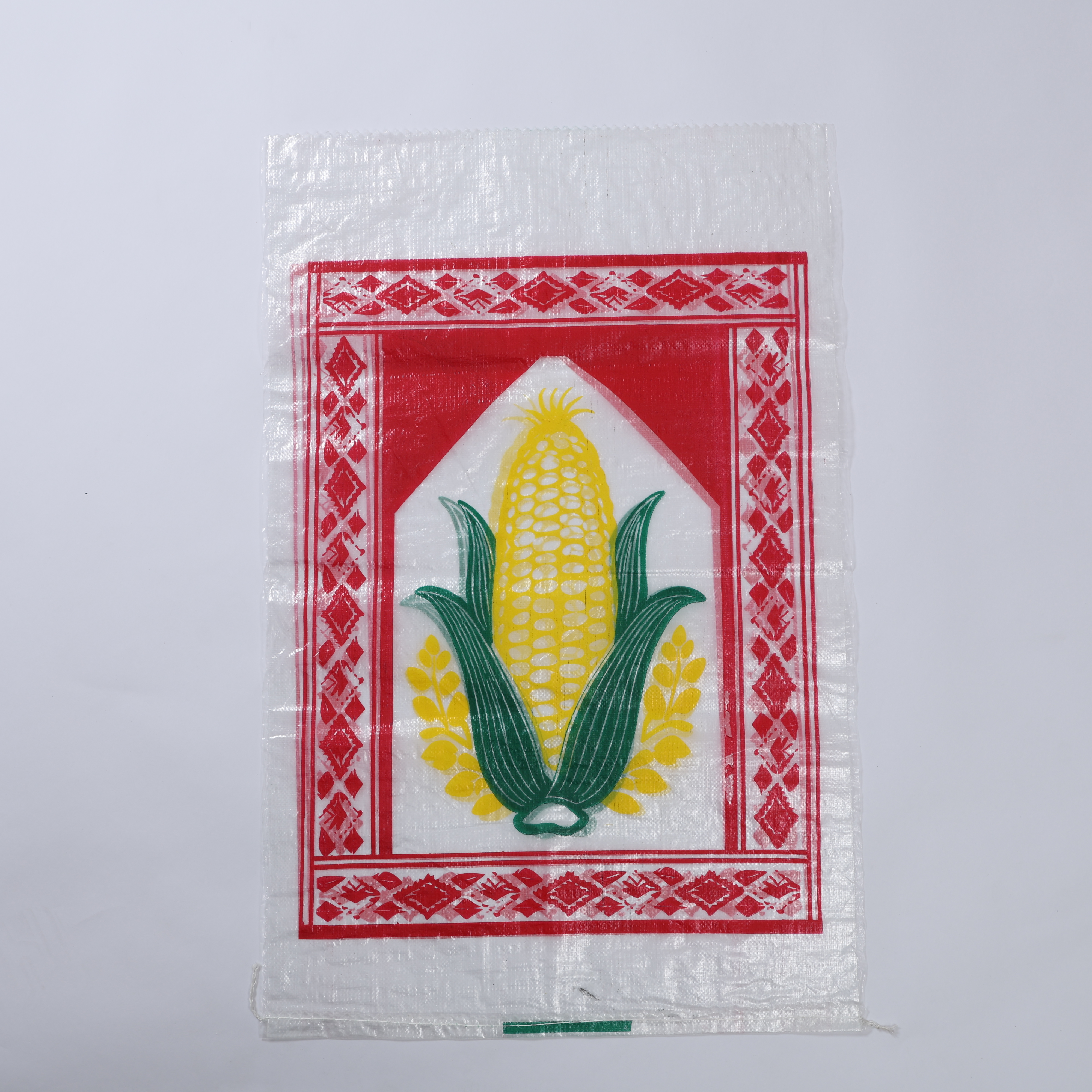
Thread density is a critical factor that directly determines the durability, reliability, and performance of any rice bag used in agricultural storage and transport. When evaluating a rice packaging bag, understanding how thread count and weave density influence overall strength becomes essential for agricultural businesses, grain traders, and storage facility managers. Higher thread density in woven bags creates tighter fabric construction, which translates to better puncture resistance, improved load-bearing capacity, and extended product lifespan in demanding storage environments.
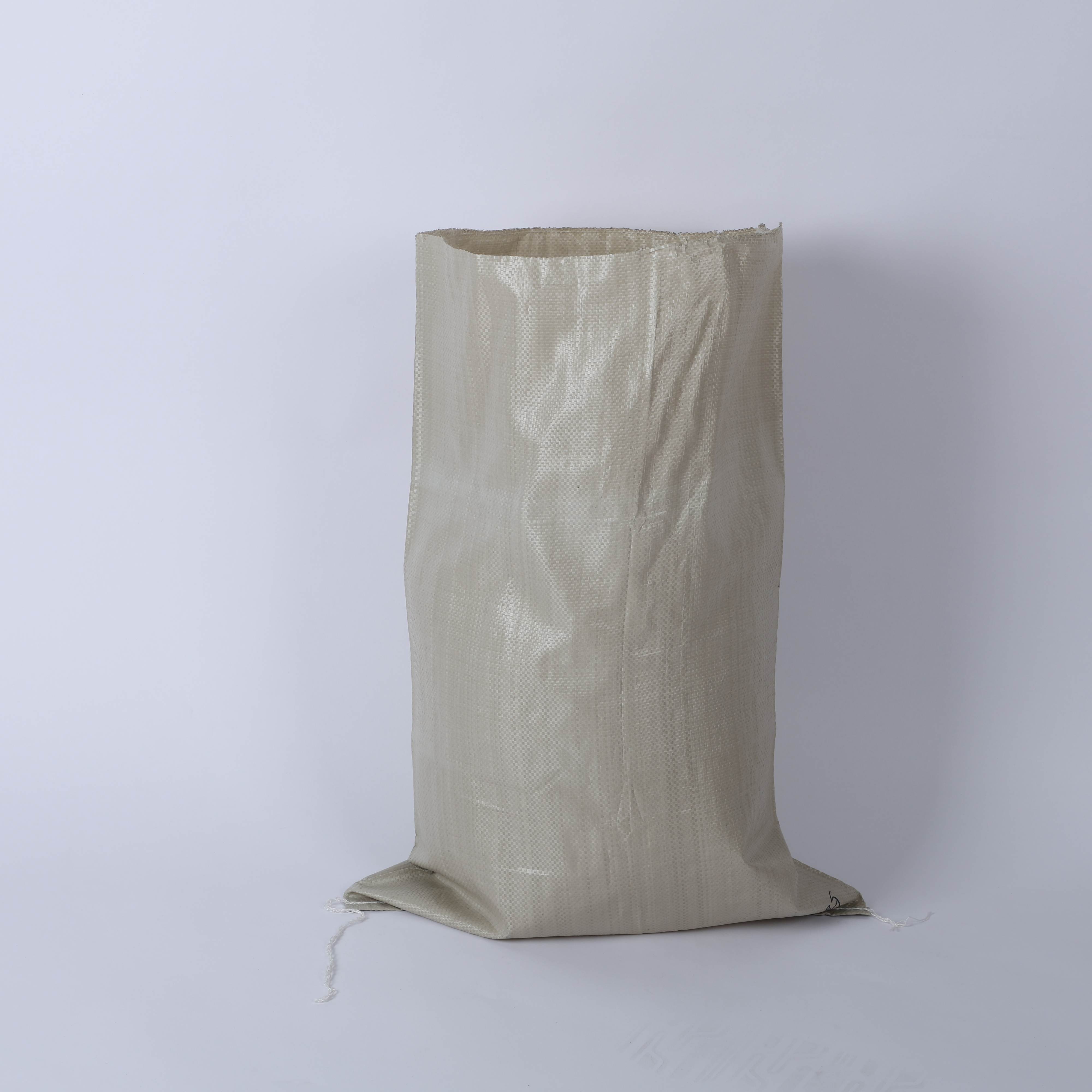
The relationship between thread density and rice woven bag performance extends beyond simple strength metrics. A rice packaging bag with optimized thread density prevents grain loss through micro-tears, reduces exposure to moisture and pests, and maintains structural integrity throughout handling, transport, and storage cycles. This article explores the technical foundations of thread density, practical implications for grain storage operations, and actionable guidance for selecting the right pp rice sack for your specific agricultural needs.
Thread density refers to the number of threads woven per unit area, typically measured in threads per inch (TPI) or threads per centimeter. In a pp rice sack, this metric directly affects how tightly the polypropylene fibers bind together. When the weave is denser, individual threads are positioned closer together, creating a fabric surface that resists penetration from sharp objects, abrasive materials, and environmental stress factors. A grain storage bag with higher thread density exhibits superior tear propagation resistance, meaning small punctures are less likely to expand into catastrophic failures during transport or stacking.
The thread density of a rice bag is determined by both the resin grade of polypropylene used and the mechanical weave pattern employed during manufacturing. Laminated rice packaging bag designs often combine higher thread density in the base fabric with additional protective layers to achieve optimal strength-to-weight ratios. The pp rice sack construction industry typically classifies weave densities into standard ranges: light-duty bags with 10–14 TPI, standard-duty bags with 14–18 TPI, and heavy-duty bags with 18–24 TPI or higher. Each category serves different storage and transport scenarios, and selecting the appropriate density level directly impacts operational costs and product protection outcomes.
Higher thread density in a rice bag directly enhances puncture resistance, which is critical for protecting grain through multiple handling stages. When agricultural products are stored in bags with inadequate thread density, the fabric becomes vulnerable to damage from sharp grain edges, machinery contact, and rough warehouse conditions. A properly constructed grain storage bag with optimized thread density minimizes perforation incidents and significantly reduces the risk of grain spillage or contamination. Field experience across storage facilities demonstrates that upgrading to higher-density rice packaging bags reduces damage claims by 15–25%, substantially lowering overall supply chain costs.
Thread density also influences the effectiveness of moisture barriers in rice woven bag construction. Denser weaves create a tighter fabric foundation that works synergistically with polyethylene liners and coating treatments to prevent moisture ingress. In tropical and humid climates where grain storage risks include mold formation and quality degradation, a pp rice sack with higher thread density combined with proper lamination provides superior protection. The spacing between threads determines how easily air and moisture molecules can penetrate the fabric, directly affecting the grain quality preservation performance over weeks and months of storage.
Selecting the appropriate thread density for your rice packaging bag requires careful evaluation of storage duration, transport conditions, stacking height, and environmental factors. Short-term storage of premium rice varieties may justify lighter-duty bags with 12–14 TPI, whereas long-duration storage in high-humidity regions or rough handling environments demands heavier-duty grain storage bags with 20 TPI or higher. The pp rice sack density choice should align with expected mechanical stress during loading, transport via truck or rail, warehouse stacking pressures, and climate exposure throughout the storage cycle. Underestimating required density leads to preventable product loss, while over-specifying density unnecessarily increases packaging costs without proportional benefit.
While higher thread density rice packaging bags carry a modest cost premium, the total cost of ownership typically favors investing in adequate density levels. Reduced spillage, lower replacement rates due to bag failures, improved product quality at destination, and simplified warranty management create meaningful savings that offset initial packaging expenses. Agricultural operations comparing light-duty versus heavy-duty rice woven bag options should calculate expected damage rates, product value per bag, and storage conditions to determine the optimal density threshold. Most commercial grain handlers find that medium to heavy-duty pp rice sack specifications deliver the best balance between protection investment and operational efficiency.
For long-term storage exceeding six months, rice packaging bags with thread density of 18–24 TPI are generally recommended. This density range provides robust puncture resistance and effective moisture barrier properties when combined with proper lamination. Environmental conditions, stacking height, and transport frequency should be evaluated to confirm whether this range meets your specific operational needs or if higher or lower densities are appropriate.
Thread density is one of several factors influencing rice woven bag pricing, alongside material grade, size, and coating treatments. Heavy-duty bags with higher density typically cost 10–20% more than standard-duty alternatives, but they often provide superior return on investment through reduced damage rates and extended service life. The actual cost impact depends on production scale, supplier location, and bulk order volumes in the grain storage bag market.
Thread density specifications should be clearly documented in the product datasheet provided by pp rice sack manufacturers and suppliers. Professional testing methods include visual inspection under magnification, laboratory weave analysis, and physical testing for tensile strength and tear resistance. Working with established suppliers who provide certified density specifications helps ensure you receive grain storage bags that meet your performance and durability requirements.

Discover the 4 critical production metrics—throughput, defect rate, equipment uptime & on-time delivery—to vet factories confidently.

Ensure regulatory compliance & worker safety with proven methods for chemical woven bags—material selection, labeling, storage & training.

Discover the full PP woven bag manufacturing workflow—from extrusion & weaving to printing & QC. Boost efficiency, compliance & ROI. Download the process guide now.

Struggling with weak bags or high material waste? Master extrusion and tape drawing tech for stronger, cheaper PP woven bags. Optimize your production line now.

Struggling with defects or customer returns? Discover the 5 non-negotiable quality checkpoints across your woven bag production line
Which automation tier is right for your PP woven bag factory? Compare manual to Industry 4.0 systems for cost, quality, and scalability.
Get in touch for details on polypropylene woven bags and flexible packaging solutions.
Tel
Address
No.2015, Liaoyuan Building, Lanshan District, Linyi City, Shandong Province.China

