 EN
How to Assess Production Efficiency at a PP Woven Bag Factory
Discover the 4 critical production metrics—throughput, defect rate, equipment uptime & on-time delivery—to vet factories confidently.

2026/08/21
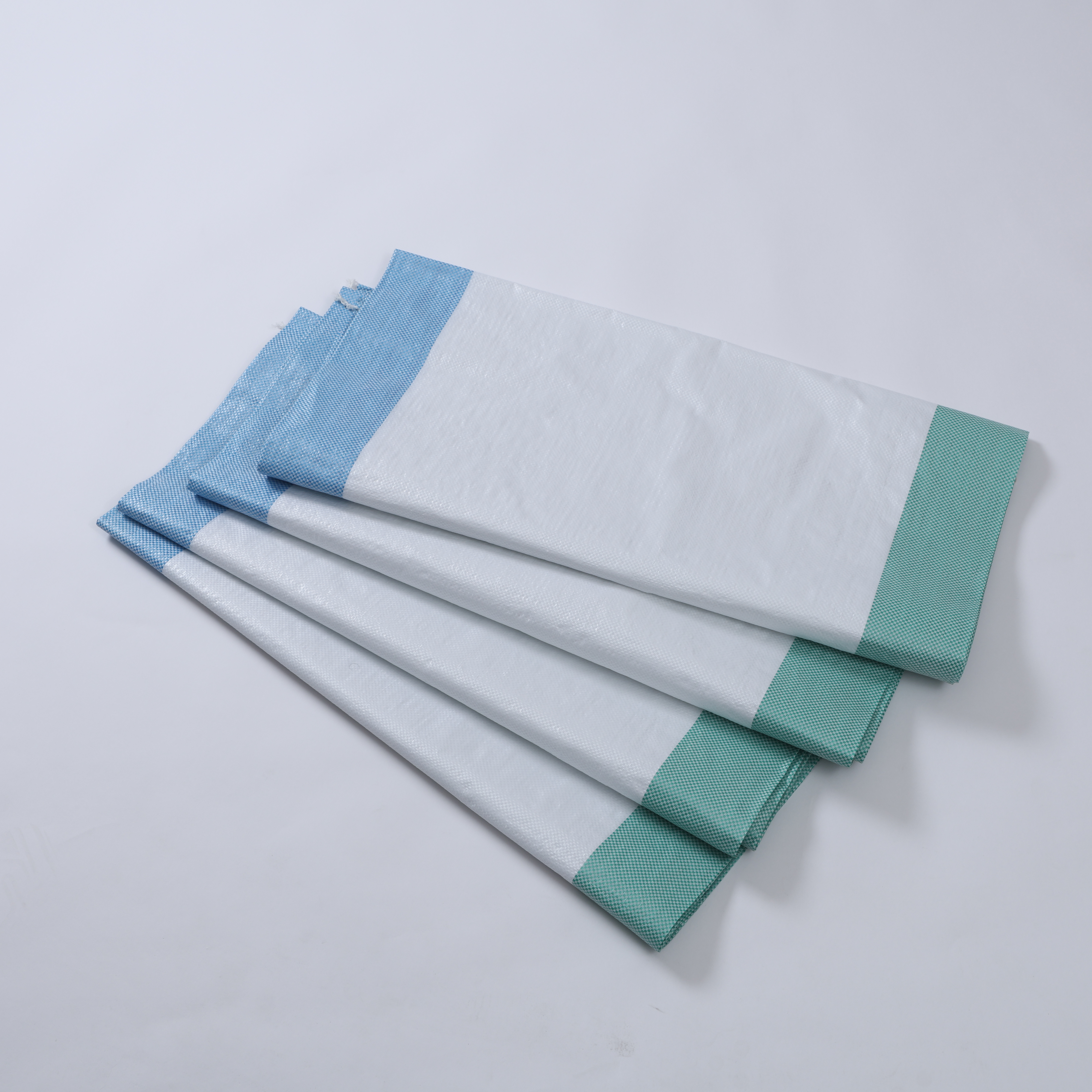
Agricultural packaging bags face constant exposure to sunlight, rain, temperature fluctuations, and harsh outdoor conditions. Understanding UV and weather resistance in agricultural packaging bags is essential for farmers, distributors, and supply chain professionals who need to protect crops and produce throughout storage and transport. The durability of farm packaging bag materials directly impacts product shelf life, quality preservation, and cost efficiency.
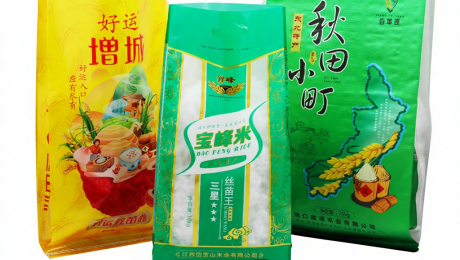
Weather resistance in farm packaging solutions protects contents from moisture ingress, contamination, and degradation caused by environmental stress. UV-resistant farm packaging bag designs prevent color fading, material brittleness, and structural weakness that compromise product integrity and aesthetic appeal. Selecting the right pp agricultural packaging material ensures reliable performance across seasons and climates.
Ultraviolet radiation breaks down polymer chains in packaging materials, causing surface cracking, discoloration, and loss of tensile strength. In outdoor agricultural environments, direct sunlight exposure occurs continuously during crop drying, storage in open sheds, and field transportation. UV degradation accelerates under combined heat and moisture conditions, reducing the effective lifespan of farm packaging bags significantly.
Unprotected agricultural packaging bags become brittle and prone to tearing within weeks of intense sun exposure, leading to product spillage and waste. Farmers lose both the crops inside and the investment in packaging when UV damage causes structural failure. The pp agricultural packaging industry has responded by developing formulations that include UV stabilizers and protective additives.
Modern crop packaging solution manufacturers incorporate carbon black, hindered amine light stabilizers, and UV absorbers into polypropylene compounds. These additives work by either blocking UV radiation from penetrating the material or by neutralizing free radicals created by photodegradation. High-quality farm packaging bag materials maintain structural integrity and color consistency even after months of outdoor exposure.
UV stabilization technology allows agricultural packaging bags to withstand extended periods in direct sunlight without significant degradation. Farmers can confidently store produce in protected conditions longer, reducing post-harvest losses. Investment in UV-resistant produce storage bag solutions provides measurable return through extended product shelf life and reduced waste rates.
Moisture penetration through packaging materials causes mold growth, pest infestation, and premature spoilage of stored crops. Agricultural packaging bags must resist water absorption while maintaining breathability for certain crops that require minimal moisture exchange. Pp agricultural packaging with appropriate barrier properties prevents water ingress from rain, irrigation spray, and high-humidity storage environments.
Temperature cycling combined with moisture exposure accelerates material degradation through stress cracking and delamination. A farm packaging bag exposed to alternating wet and dry conditions experiences dimensional changes that weaken seams and create micro-cracks. Weather-resistant designs account for these environmental stresses through multi-layer construction and reinforced sealing mechanisms.
Extreme temperature variations challenge the mechanical properties of agricultural packaging bags. Cold conditions make polypropylene more brittle, while excessive heat can cause softening and dimensional distortion. Crop packaging solution formulations are engineered to maintain acceptable flexibility and strength across the temperature ranges typical in agricultural regions.
Premium produce storage bag materials include additives that improve low-temperature impact resistance and high-temperature stability. Testing protocols simulate real-world climate conditions to ensure farm packaging bag performance in target markets. Farmers selecting agricultural packaging bags should verify temperature stability ratings match their specific storage and transport environment.
Farmers and distributors must examine specification sheets for UV stability ratings, moisture vapor transmission rates, and tensile strength values. A farm packaging bag should meet industry standards for impact resistance, tear propagation, and puncture resistance relevant to stored commodities. Comparing pp agricultural packaging options requires understanding how material composition relates to environmental durability.
Quality agricultural packaging bags display clear certifications and test data confirming UV and weather resistance performance. Third-party testing validates claims about material durability and environmental tolerance. Selecting crop packaging solution providers who offer transparent specifications and performance documentation reduces risk of packaging failure during critical storage periods.
Different agricultural commodities have unique packaging requirements based on storage conditions and handling methods. Agricultural packaging bags must be selected based on whether crops require protection from pests, moisture, light, or all three factors. Open-field storage demands more robust weather resistance than climate-controlled warehouse conditions.
Produce storage bag designs vary significantly depending on intended use, from bulk commodity storage to consumer-ready packaging. Long-term outdoor storage requires heavy-duty pp agricultural packaging with maximum UV protection and reinforced construction. Shorter-duration transport applications may use lighter-duty farm packaging bag materials optimized for cost efficiency rather than extreme durability.
High-quality UV-resistant farm packaging bag materials typically maintain structural integrity for 12 to 24 months in direct outdoor sunlight, depending on specific climate conditions, material composition, and sun intensity. Bags used in covered storage with filtered light exposure last significantly longer. Proper maintenance and protection from unnecessary heat exposure extend the functional lifespan of agricultural packaging bags considerably.
Polypropylene offers excellent chemical resistance, low moisture absorption, and compatibility with UV stabilizer additives that enhance durability in farm packaging solutions. Unlike natural fibers or unprotected plastics, pp agricultural packaging resists water penetration and maintains dimensional stability across temperature ranges. These inherent properties make polypropylene the preferred material for produce storage bag applications in challenging outdoor environments.
Weather-resistant crop packaging solution bags typically cost 10 to 30 percent more than basic unprotected packaging due to additive formulations and enhanced manufacturing processes. However, the extended service life and reduced product spoilage of durable agricultural packaging bags often provide better overall value. Farmers comparing farm packaging bag options should evaluate total cost of ownership including waste reduction and operational efficiency gains.

Discover the 4 critical production metrics—throughput, defect rate, equipment uptime & on-time delivery—to vet factories confidently.

Ensure regulatory compliance & worker safety with proven methods for chemical woven bags—material selection, labeling, storage & training.

Discover the full PP woven bag manufacturing workflow—from extrusion & weaving to printing & QC. Boost efficiency, compliance & ROI. Download the process guide now.

Struggling with weak bags or high material waste? Master extrusion and tape drawing tech for stronger, cheaper PP woven bags. Optimize your production line now.

Struggling with defects or customer returns? Discover the 5 non-negotiable quality checkpoints across your woven bag production line
Which automation tier is right for your PP woven bag factory? Compare manual to Industry 4.0 systems for cost, quality, and scalability.
Get in touch for details on polypropylene woven bags and flexible packaging solutions.
Tel
Address
No.2015, Liaoyuan Building, Lanshan District, Linyi City, Shandong Province.China

