 EN
How to Assess Production Efficiency at a PP Woven Bag Factory
Discover the 4 critical production metrics—throughput, defect rate, equipment uptime & on-time delivery—to vet factories confidently.

2026/08/31
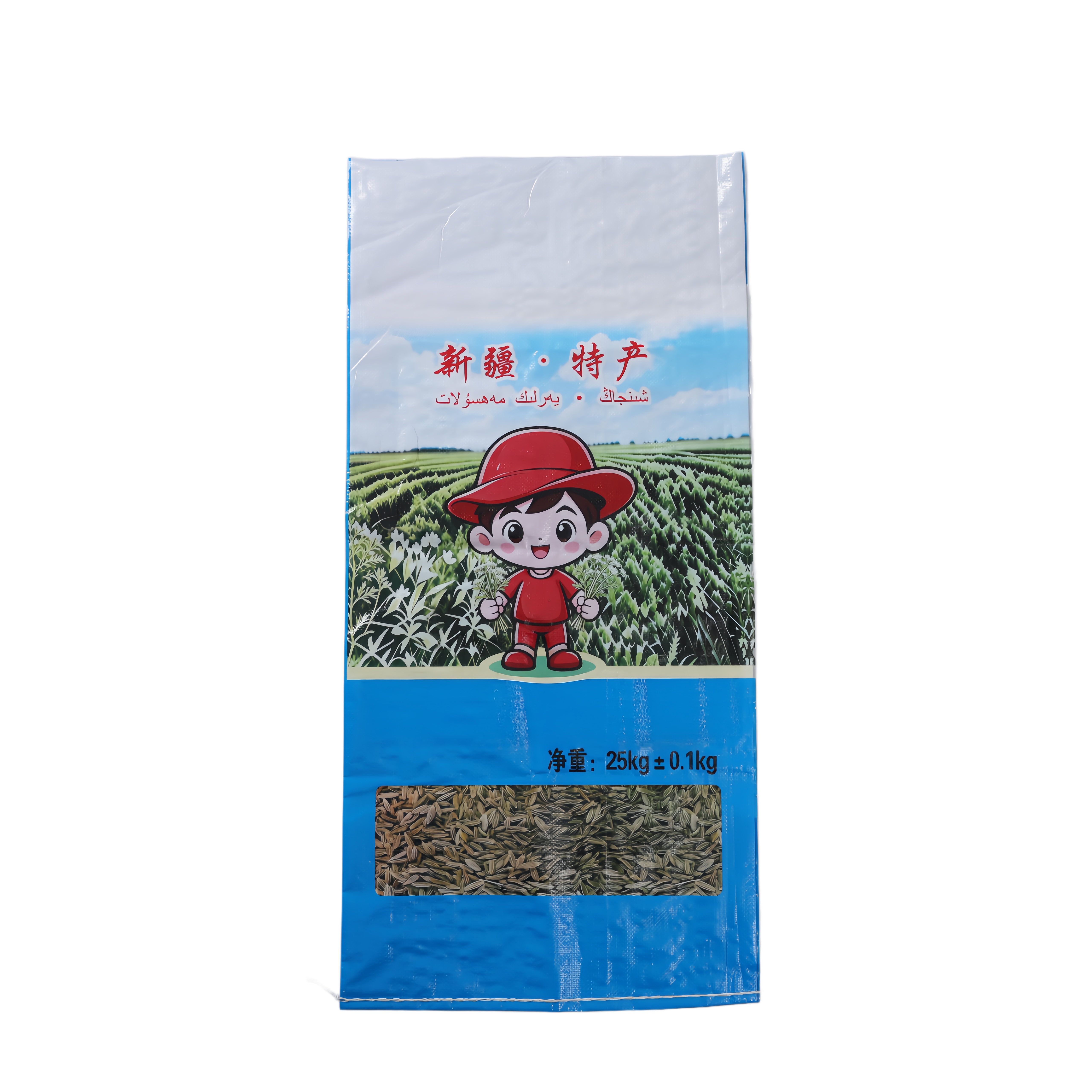
Outdoor fertilizer storage exposes agricultural products to intense ultraviolet radiation that gradually damages packaging and reduces nutrient integrity. UV protection is essential for maintaining the quality of fertilizer bags throughout the growing season and beyond. Understanding the science behind UV degradation and implementing proper storage strategies ensures your fertilizer remains effective and cost-efficient. This guide explores why UV protection matters for outdoor storage and how to choose the right solutions for your agricultural operation.
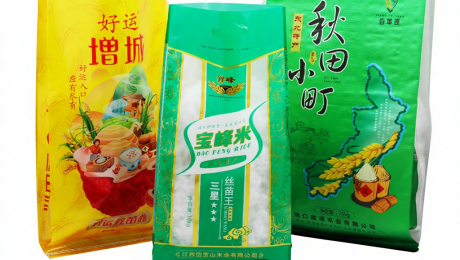
The composition of agricultural fertilizer packaging determines how well it withstands environmental stress. Modern pp fertilizer sack materials are engineered to resist UV rays, but even robust containers require strategic placement and protective measures. Farmers and distributors who invest in quality fertilizer woven bag products with built-in UV stabilizers experience significantly lower product loss and maintain consistent nutrient concentrations. Selecting appropriate storage bags and implementing shade solutions protects your investment while ensuring reliable crop nutrition throughout the season.
Ultraviolet radiation breaks down polymer chains in polypropylene and other synthetic materials used in fertilizer bags. When UV light penetrates the surface of pp fertilizer sack materials, it initiates chemical reactions that weaken structural integrity over time. This degradation process accelerates in tropical and subtropical climates where UV intensity is highest. Prolonged exposure causes visible discoloration, brittleness, and eventual perforation, allowing fertilizer to spill or moisture to penetrate the storage bag.
Beyond physical damage to the container, UV exposure triggers chemical transformations within fertilizer formulations themselves. Nitrogen compounds, potassium salts, and phosphate nutrients are sensitive to light energy and can undergo unwanted reactions. The fertilizer woven bag must provide a complete barrier to prevent these losses. Studies show that inadequately protected agricultural fertilizer packaging can lose 10 to 20 percent of nutrient availability within three months of outdoor storage. This degradation translates directly into reduced crop yields and wasted application resources for farmers relying on stored inventory.
High-quality fertilizer bags incorporate UV-blocking additives and carbon black pigments that absorb harmful radiation before it reaches the product inside. A pp fertilizer sack with adequate UV stabilizer content can protect contents for six to twelve months under direct sunlight, depending on climate intensity. Look for packaging that specifies UV resistance ratings and certification from agricultural standards organizations. Thicker materials and multi-layer construction also improve barrier performance, though they increase packaging costs. Balancing protection level with budget requires understanding your specific climate zone and storage duration requirements.
Dark-colored agricultural fertilizer packaging, particularly black and dark green, provides superior UV protection compared to translucent or light-colored alternatives. The pigmentation works by scattering and absorbing ultraviolet wavelengths that would otherwise penetrate transparent or light materials. Polypropylene-based fertilizer woven bag products offer excellent UV resistance when properly formulated, while polyethylene options may require additional protective layers. The thickness of the fertilizer storage bag walls also correlates directly with UV blocking capacity. Industrial-grade materials used for commercial agricultural operations typically measure between 80 and 120 microns thick, providing reliable long-term protection.
Even the most advanced fertilizer bags benefit from supplementary shade during storage. Constructing covered storage areas or using shade cloths dramatically reduces UV exposure and extends the protection window for your inventory. Positioning storage facilities away from direct afternoon sun, particularly in hot climates, prevents temperature spikes that accelerate both UV degradation and chemical reactions. Proper ventilation within storage structures maintains airflow and prevents moisture accumulation that could compromise bag integrity. Many agricultural operations combine UV-resistant packaging with strategic site layout to achieve maximum protection with minimal overhead.
A first-in-first-out inventory system ensures that stored fertilizer bags rotate before UV exposure becomes critical. Tracking storage duration for pp fertilizer sack batches allows managers to prioritize older inventory for application before degradation becomes significant. Regular inspections of stored agricultural fertilizer packaging identify early signs of UV damage, including color changes and surface brittleness. Implementing moisture barriers and ground-level placement elevates bags above standing water and soil contact. These operational practices, combined with quality packaging selections, create a comprehensive approach to maintaining fertilizer integrity throughout the storage season.
High-quality fertilizer woven bag products with proper UV stabilization can maintain acceptable protection for six to twelve months under direct sunlight, depending on climate intensity and material thickness. Tropical regions with intense year-round UV exposure may see faster degradation, while temperate climates allow longer storage periods. Combining UV-resistant pp fertilizer sack materials with shade structures or covered facilities extends this window significantly. Most manufacturers recommend not exceeding nine months of continuous outdoor storage for maximum nutrient retention and container integrity.
Early warning signs of UV degradation include color fading, surface discoloration, and a chalky appearance on agricultural fertilizer packaging. As damage progresses, the material becomes brittle and susceptible to cracking or tearing. A pp fertilizer sack exposed to excessive UV may develop hairline fractures along stress points or show separation at seams. Once these signs appear, the fertilizer storage bag has compromised barrier properties and increased risk of contamination or nutrient loss. Inspecting stored inventory monthly helps catch degradation before significant product loss occurs.
No, UV resistance varies significantly among fertilizer bags depending on additive formulation and material composition. Industrial-grade pp fertilizer sack products with carbon black pigments and chemical UV stabilizers provide substantially better protection than basic polypropylene materials. The fertilizer woven bag manufacturing process and additive concentration determine actual UV blocking capacity. Purchasing from reputable suppliers who specify UV stabilizer percentages and provide performance data ensures you receive truly protective agricultural fertilizer packaging rather than standard-grade materials marketed as UV resistant.

Discover the 4 critical production metrics—throughput, defect rate, equipment uptime & on-time delivery—to vet factories confidently.

Ensure regulatory compliance & worker safety with proven methods for chemical woven bags—material selection, labeling, storage & training.

Discover the full PP woven bag manufacturing workflow—from extrusion & weaving to printing & QC. Boost efficiency, compliance & ROI. Download the process guide now.

Struggling with weak bags or high material waste? Master extrusion and tape drawing tech for stronger, cheaper PP woven bags. Optimize your production line now.

Struggling with defects or customer returns? Discover the 5 non-negotiable quality checkpoints across your woven bag production line
Which automation tier is right for your PP woven bag factory? Compare manual to Industry 4.0 systems for cost, quality, and scalability.
Get in touch for details on polypropylene woven bags and flexible packaging solutions.
Tel
Address
No.2015, Liaoyuan Building, Lanshan District, Linyi City, Shandong Province.China

