 EN
How to Assess Production Efficiency at a PP Woven Bag Factory
Discover the 4 critical production metrics—throughput, defect rate, equipment uptime & on-time delivery—to vet factories confidently.

2026/08/17
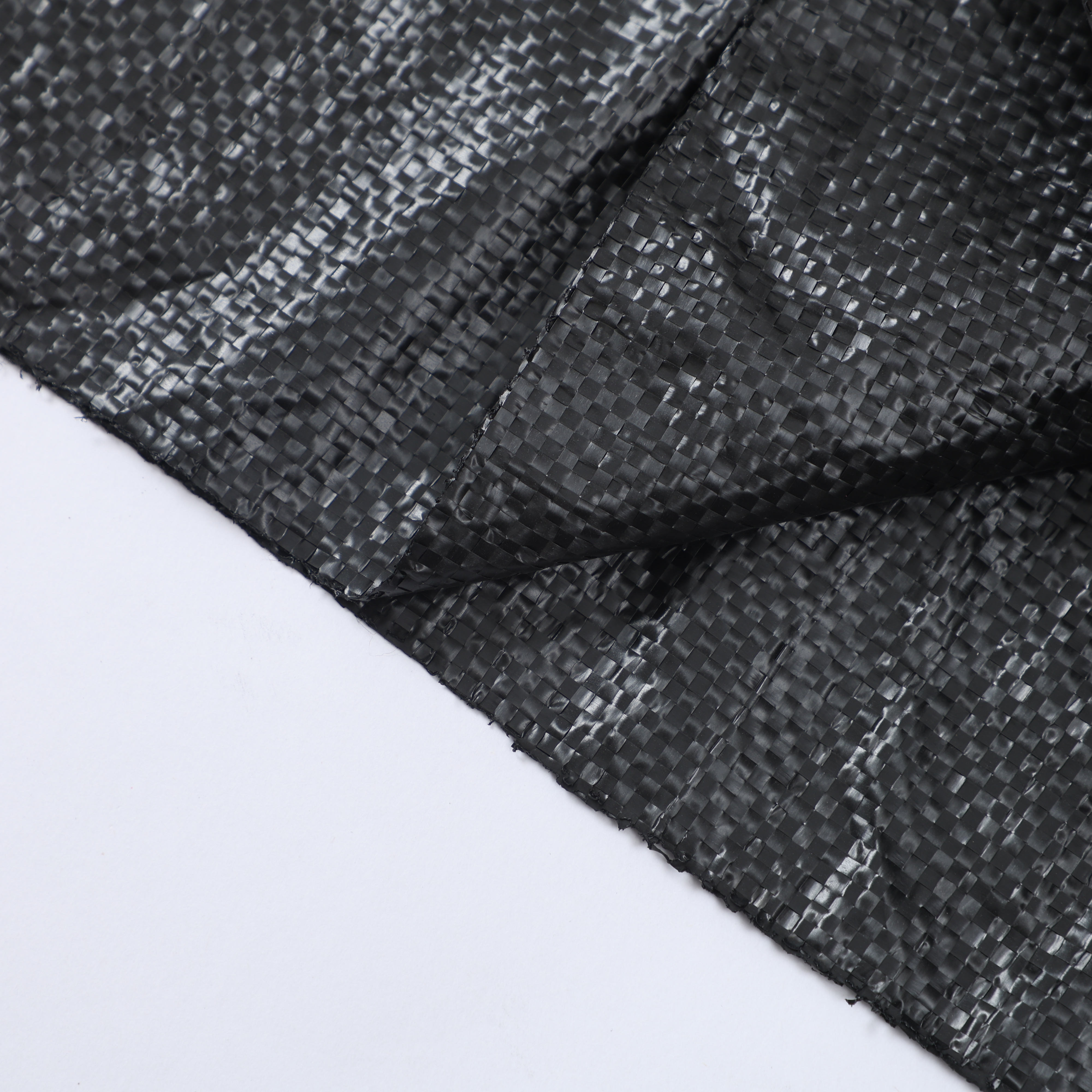
Agricultural bags face intense environmental stress from continuous sun exposure in the field and during storage. UV radiation degrades polymer materials rapidly, causing brittleness, discoloration, and structural failure that compromises the integrity of stored crops. Understanding UV resistant additives used in agricultural bags is essential for anyone involved in agricultural packaging, grain handling, or crop storage operations. These additives significantly extend the lifespan of pp agricultural sack materials and ensure that farm produce bag solutions maintain their protective function throughout extended storage cycles and seasonal use patterns.
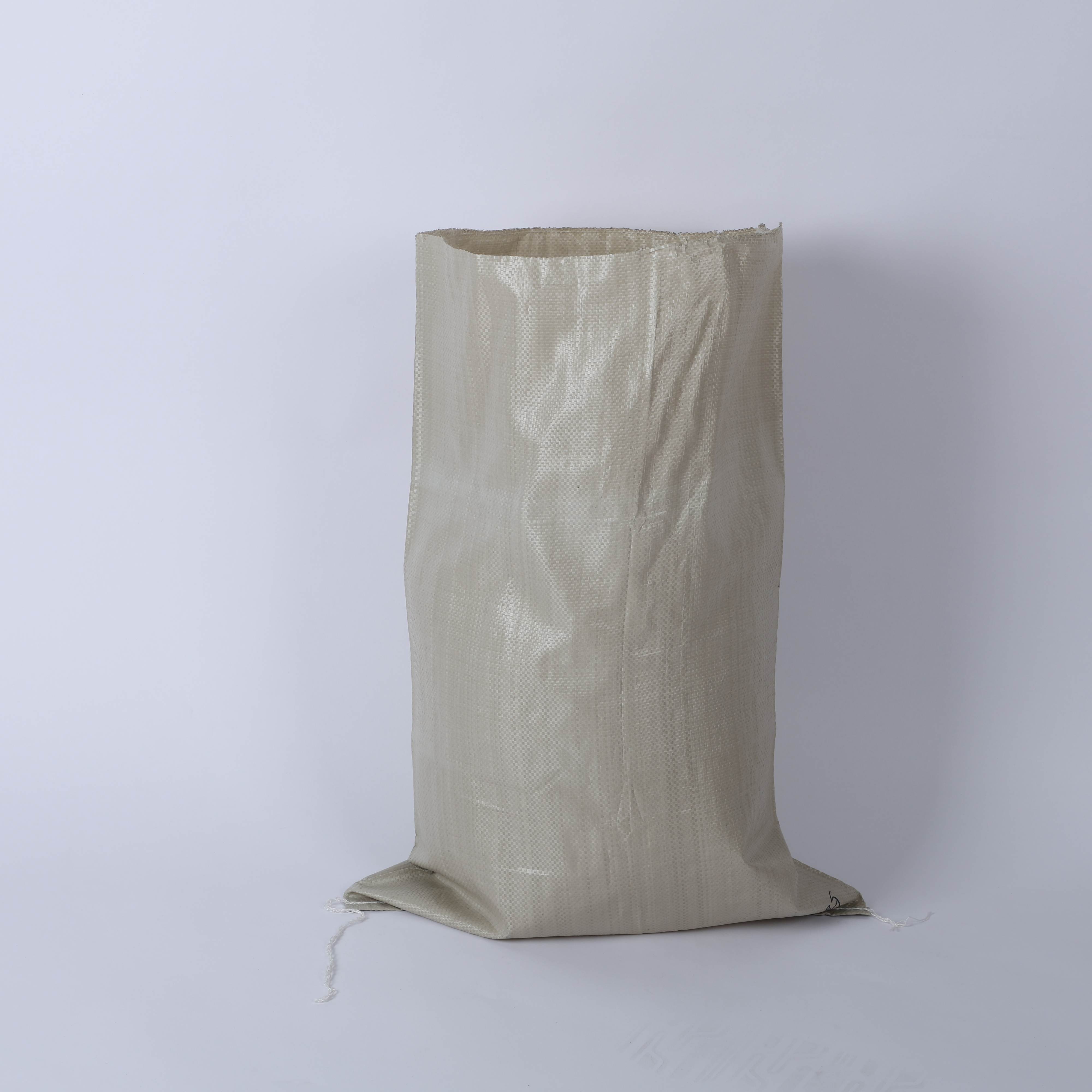
UV degradation represents one of the most significant threats to agricultural packaging durability. Without proper additive technology, polypropylene materials used in agricultural bags deteriorate within months of outdoor exposure. Modern UV resistant additives work through multiple chemical mechanisms to absorb harmful ultraviolet radiation before it can damage polymer chains. The integration of these protective compounds into farm produce bag manufacturing has become a critical quality standard across the agricultural industry.
UV resistant additives function primarily through absorption and energy transformation. When ultraviolet light strikes the surface of crop storage bag materials, these additives intercept photons and convert radiant energy into harmless heat. Hindered amine light stabilizers, commonly used in agricultural packaging, absorb UV radiation in the 320-400 nanometer range where polymer damage occurs most rapidly. This absorption prevents free radical formation that would otherwise degrade the polypropylene chains in pp agricultural sack fabrics.
The energy dissipation process is continuous and non-depleting under normal outdoor conditions. As UV radiation strikes farm produce bag surfaces throughout growing seasons, additive molecules continuously cycle through absorption and heat release without losing effectiveness. This regenerative mechanism makes high-quality UV resistant additives economically viable for agricultural applications where equipment faces months of unprotected sun exposure.
UV resistant additives work most effectively when combined with complementary antioxidants in agricultural bags formulations. While UV absorbers prevent initial photodegradation, secondary antioxidants capture free radicals that escape initial protection mechanisms. This dual-action approach ensures that crop storage bag materials maintain structural integrity even under extreme conditions like tropical climates or high-altitude exposure where UV intensity amplifies significantly. The synergistic effect of multiple additive types in pp agricultural sack production extends functional lifespan by 200-300 percent compared to unprotected materials.
Agricultural packaging must withstand continuous UV exposure during harvest, storage, and transport phases that can span six months to over a year in outdoor conditions. Standard durability testing measures UV resistance through accelerated weathering protocols that simulate multi-year field exposure in controlled laboratory environments. Bags intended for crop storage must maintain tear strength above 80 percent of original values after 1000 hours of UV exposure according to industry specifications. This performance requirement drives the selection of premium UV resistant additives in agricultural bags manufacturing for producers serving international markets.
The cost-to-performance ratio differs significantly between basic and advanced additive packages. Premium UV resistant formulations in agricultural packaging systems cost 5-8 percent more than conventional materials but deliver 300-400 percent longer functional service life. Farm produce bag producers must balance material costs against replacement frequency and crop loss risks associated with premature bag failure during critical storage periods.
Different agricultural regions require customized UV protective strategies based on local sunlight intensity and environmental conditions. Equatorial and tropical agricultural bags experience 40-50 percent stronger UV radiation than temperate zone applications, necessitating higher additive concentrations in pp agricultural sack formulations. Coastal agricultural packaging operations face additional degradation from salt spray that accelerates polymer oxidation, requiring enhanced antioxidant packages beyond standard UV absorbers. The selection of appropriate UV resistant additives for crop storage bags must account for regional climate factors, storage duration, and intended handling conditions.
UV resistant additives are incorporated into agricultural bags through multiple manufacturing pathways depending on production scale and performance targets. Master batch systems allow smaller agricultural packaging operations to achieve consistent additive distribution without requiring specialized mixing equipment. Large-scale pp agricultural sack producers typically inject additives directly into polymer feeds during compounding stages, ensuring homogeneous dispersion throughout the material matrix. Proper additive incorporation temperature control and residence time management are critical for maintaining additive effectiveness in farm produce bag applications.
Quality assurance for agricultural packaging requires rigorous UV resistance testing before production release. ASTM G154 accelerated weathering tests expose agricultural bags samples to concentrated UV radiation over 500-2000 hour cycles, simulating years of field exposure. Tensile strength, elongation, and color retention measurements quantify performance degradation and verify that UV resistant additive packages meet specification requirements. Many international agricultural marketing standards now mandate third-party certification of crop storage bag UV resistance before export approval, making compliance testing an essential component of competitive pp agricultural sack production.
Regular re-testing of finished agricultural packaging batches ensures consistent quality across production runs. Additive package suppliers provide technical support to help farm produce bag manufacturers optimize formulations for their specific equipment capabilities and market requirements. This collaborative approach to additive selection and verification has become standard practice among professional-grade agricultural bags suppliers serving global markets.
High-quality UV resistant additives in agricultural bags typically provide effective protection for 18-36 months of continuous outdoor exposure under typical agricultural conditions. The actual protection duration depends on climate intensity, additive concentration, and bag material thickness. Equatorial regions with extreme UV intensity may experience faster additive depletion, reducing effective protection to 12-18 months. Crop storage bags stored in partially shaded locations or used seasonally can maintain protection for 3-5 years, making them cost-effective for many agricultural applications.
Modern UV resistant additive formulations have minimal impact on bag transparency when used at standard concentrations in agricultural packaging. Hindered amine light stabilizers and benzotriazole UV absorbers remain colorless and do not alter the appearance of pp agricultural sack materials. Some UV-resistant pigments used in crop storage bag applications may impart slight color tints, typically amber or bronze hues that are aesthetically acceptable for agricultural uses. Transparent farm produce bags with UV protection are readily available from quality suppliers, though color-pigmented varieties offer slightly enhanced UV protection through combined absorption mechanisms.
UV resistant additives used in food-grade agricultural bags undergo rigorous safety testing and are approved by food safety regulatory bodies including FDA and European Food Safety Authority standards. These additives are designed to remain bound within polymer matrices and do not migrate into stored crops under normal storage conditions. Food-contact grade pp agricultural sack materials must be specifically formulated with food-safe additive packages that meet strict migration limits, and reputable crop storage bag manufacturers provide certification documentation confirming compliance with relevant food safety standards.

Discover the 4 critical production metrics—throughput, defect rate, equipment uptime & on-time delivery—to vet factories confidently.

Ensure regulatory compliance & worker safety with proven methods for chemical woven bags—material selection, labeling, storage & training.

Discover the full PP woven bag manufacturing workflow—from extrusion & weaving to printing & QC. Boost efficiency, compliance & ROI. Download the process guide now.

Struggling with weak bags or high material waste? Master extrusion and tape drawing tech for stronger, cheaper PP woven bags. Optimize your production line now.

Struggling with defects or customer returns? Discover the 5 non-negotiable quality checkpoints across your woven bag production line
Which automation tier is right for your PP woven bag factory? Compare manual to Industry 4.0 systems for cost, quality, and scalability.
Get in touch for details on polypropylene woven bags and flexible packaging solutions.
Tel
Address
No.2015, Liaoyuan Building, Lanshan District, Linyi City, Shandong Province.China

