 EN
How to Assess Production Efficiency at a PP Woven Bag Factory
Discover the 4 critical production metrics—throughput, defect rate, equipment uptime & on-time delivery—to vet factories confidently.

2026/08/19
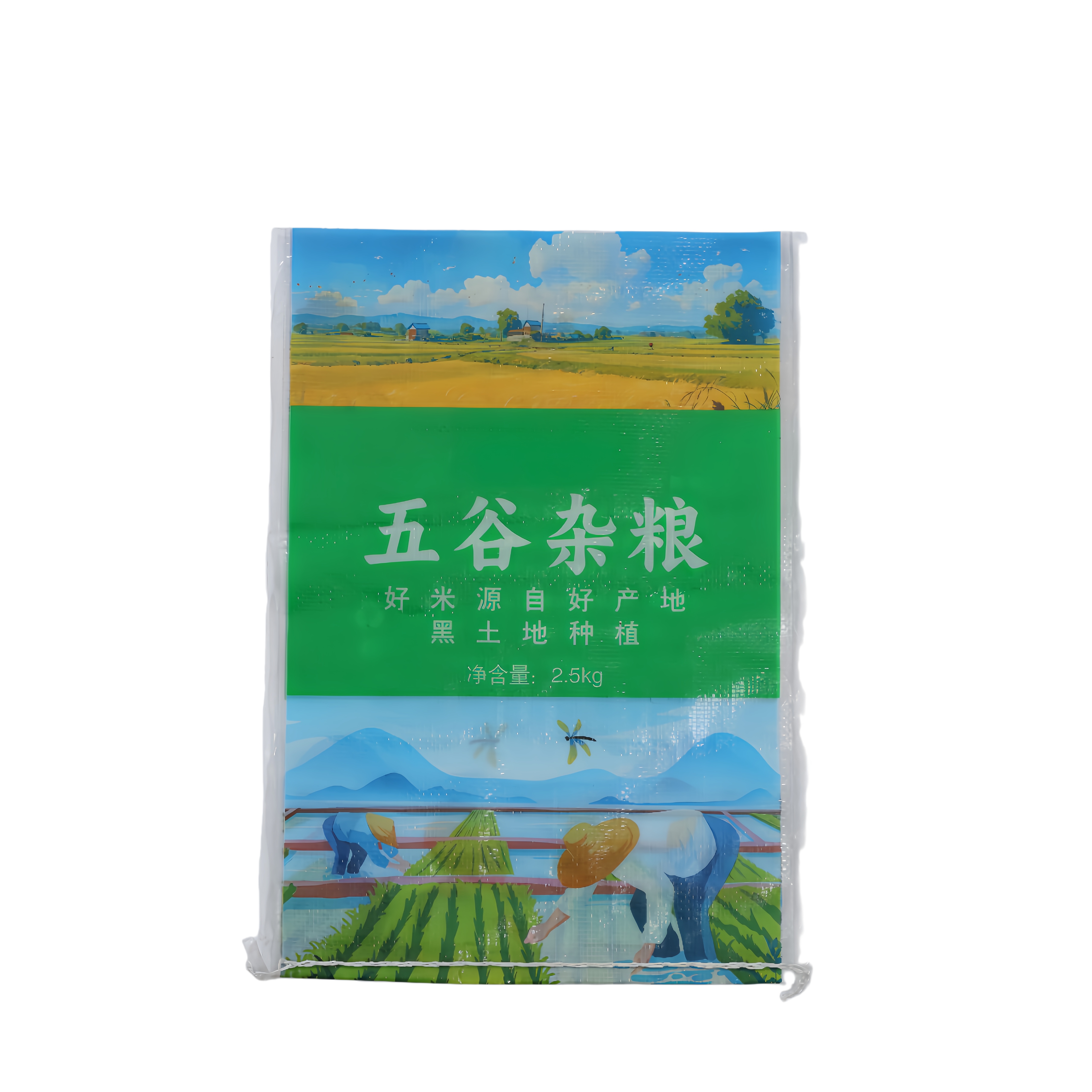
Understanding waterproof rating standards is essential when selecting packaging solutions for moisture-sensitive products. Laminated woven bags have become the industry standard for protecting goods during storage and transport, but their effectiveness depends entirely on how well you understand the waterproof specifications that govern their performance. Whether you're shipping food products, chemicals, or agricultural materials, knowing the rating system behind your packaging ensures your goods arrive in perfect condition.
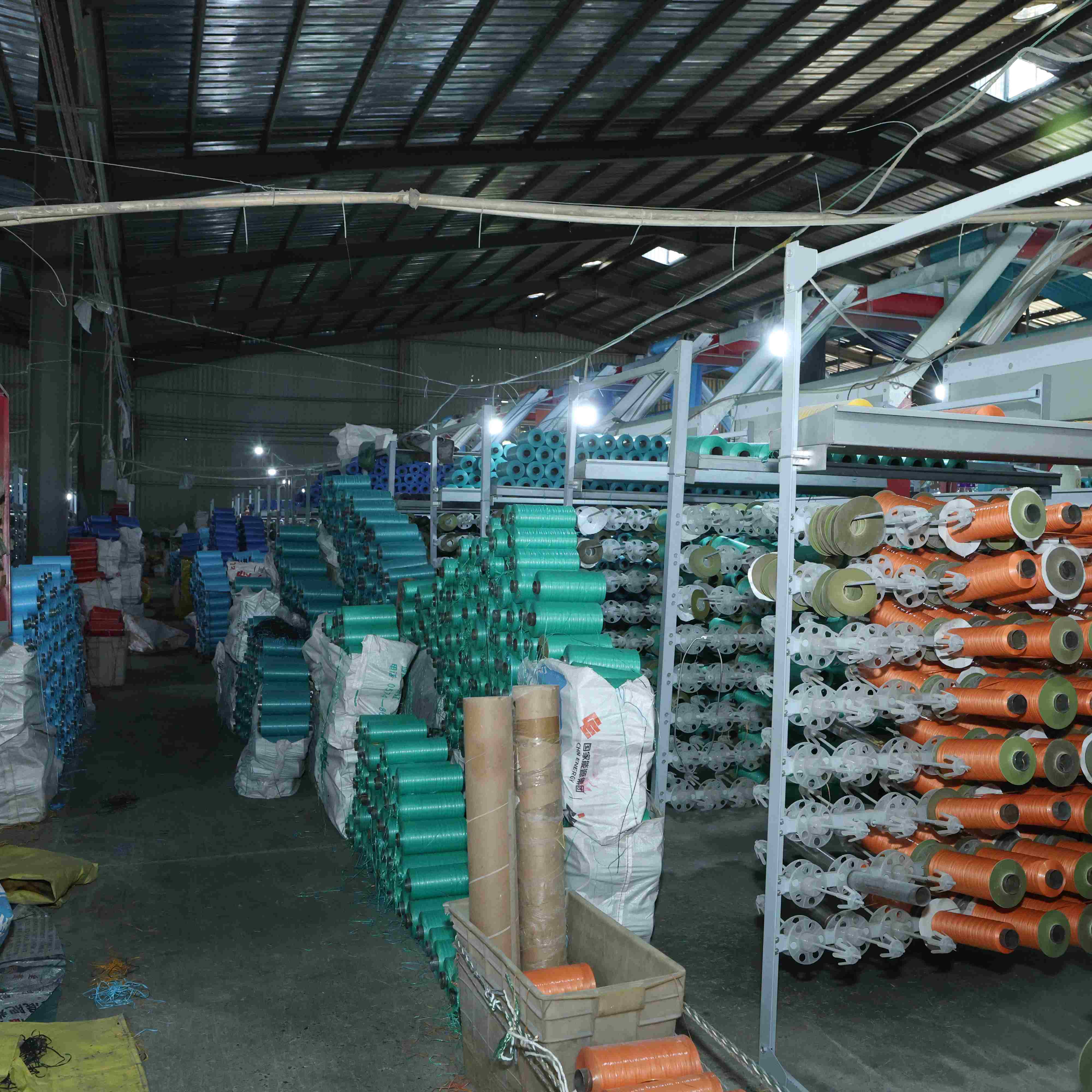
The global packaging industry has adopted multiple standardized rating systems to measure moisture protection in laminated woven bags, and understanding these metrics directly impacts your procurement decisions. This guide explains the key waterproof rating standards, how they apply to different packaging types like coated woven bags and laminated packaging bags, and how to choose the right specification for your specific application needs.
Waterproof ratings for laminated pp sack and coated woven bag products follow several internationally recognized standards. The International Organization for Standardization (ISO) defines performance thresholds through metrics like water vapor transmission rate (WVTR) and moisture barrier effectiveness. These numerical ratings help manufacturers and buyers communicate protection levels consistently across different markets and industries. Rating systems typically express waterproof capability in grams of water vapor transmitted per square meter per twenty-four hours, allowing direct comparison between competing products.
The IP (Ingress Protection) rating system, while primarily designed for electronic equipment, has influenced how laminated packaging bag specifications are communicated in some sectors. Similarly, the TAPPI (Technical Association of the Pulp and Paper Industry) standards provide specific test methods for measuring moisture barrier performance in industrial packaging. Understanding which standard applies to your product category ensures you're comparing apples to apples when evaluating laminated woven bags from different suppliers. Each standard defines specific test conditions, duration, and acceptable performance thresholds that directly affect real-world packaging reliability.
A waterproof woven bag with a low WVTR rating (typically below 50 grams per square meter per day) provides superior moisture protection, making it ideal for hygroscopic materials that absorb ambient moisture. Mid-range ratings between 50 and 150 grams per square meter per day suit most general industrial applications where moderate protection suffices. High WVTR ratings above 150 grams per square meter per day indicate minimal moisture barrier, appropriate only for products that tolerate some moisture exposure. The waterproof rating directly determines how long goods remain protected in humid environments, during sea transport, or in climate-controlled warehouses.
The effectiveness of a coated woven bag depends fundamentally on its laminated layer composition and application technique. Modern laminated pp sack manufacturers use polyethylene (PE), polypropylene (PP), or specialized polymer blends to create moisture barriers on woven substrates. The thickness of this coating directly correlates with waterproof performance—thicker laminates provide better ratings but increase cost and may reduce flexibility. Multi-layer lamination, where different polymers are combined, can achieve superior waterproof ratings while maintaining desired handling properties and cost efficiency. Quality control during the coating application ensures consistent rating achievement across production batches, preventing unexpected failures in the field.
The underlying woven fabric structure significantly impacts how effectively lamination protects against moisture. Tighter weaves in the base cloth create a more robust foundation for the laminated layer, preventing water penetration around fiber structures. The denier (yarn thickness) and thread count of the woven substrate determine initial moisture resistance before lamination is applied. A premium laminated packaging bag combines high-quality woven cloth with optimized laminate thickness, achieving superior waterproof ratings compared to products using thin or loose-weave base materials. Testing laminated woven bags involves evaluating both the laminate layer independently and the complete composite structure to ensure rating claims reflect real-world performance.
Different industries require different waterproof woven bag specifications based on product vulnerability and storage conditions. Food and pharmaceutical products demand strict moisture control, necessitating laminated woven bags with very low WVTR ratings to prevent contamination and spoilage. Chemical powders and agricultural seeds tolerate moderate moisture exposure but require protection from direct water contact, making mid-range waterproof ratings appropriate. Construction materials and non-perishable goods often require minimal moisture protection, allowing use of economical coated woven bags with higher WVTR ratings. Evaluating your specific product's hygroscopic properties and intended storage environment ensures you specify appropriate laminated packaging bag standards without over-purchasing unnecessary protection.
Extended supply chains involving multiple handling points, long-distance transport, and variable climate conditions typically require stronger waterproof ratings for laminated pp sack solutions. Products that remain in warehouses for extended periods need superior moisture barrier performance because condensation and humidity accumulation intensify over time. Conversely, products with rapid turnover and controlled storage conditions may function adequately with moderate-rated laminated woven bags. Temperature fluctuations during transport can stress packaging materials, making higher waterproof ratings valuable as insurance against microscopic crack formation. Environmental considerations also influence specification choices—sustainable laminated packaging bags with recycled content may have different waterproof rating capabilities than virgin material options, requiring careful evaluation during procurement.
A laminated pp sack includes a bonded plastic coating layer that creates a moisture barrier, while standard woven bags offer minimal protection against water vapor transmission. The lamination process involves applying melted polypropylene or polyethylene to the woven substrate surface, creating an integrated seal that prevents moisture penetration. Standard woven bags rely only on the tightly woven fabric structure, which provides limited moisture resistance compared to true laminated packaging bags. For applications requiring reliable waterproof performance, laminated woven bags consistently outperform uncoated alternatives.
Lower WVTR values indicate better moisture protection—a rating of 30 grams per square meter per day provides superior barrier performance compared to a rating of 100. Calculate your acceptable moisture gain based on product sensitivity and intended shelf life, then match suppliers offering coated woven bags with appropriate WVTR ratings. Request third-party test certificates validating waterproof claims, as ratings from reputable testing laboratories provide more reliable information than manufacturer estimates. Always confirm that rating comparisons use identical test methods (ISO, TAPPI, or equivalent standards) to ensure valid comparison between laminated packaging bag options.
Recycling laminated pp sack materials reduces their waterproof rating capabilities because the recycling process can compromise the laminated layer integrity and blend material properties. Virgin laminated packaging bags typically maintain superior waterproof ratings compared to recycled alternatives. However, manufacturers now produce recycled laminated woven bags meeting acceptable performance standards for applications tolerating slightly reduced moisture protection. If waterproof rating is your critical requirement, verify that recycled content products retain necessary WVTR specifications through independent testing rather than assuming performance equivalence with virgin materials.

Discover the 4 critical production metrics—throughput, defect rate, equipment uptime & on-time delivery—to vet factories confidently.

Ensure regulatory compliance & worker safety with proven methods for chemical woven bags—material selection, labeling, storage & training.

Discover the full PP woven bag manufacturing workflow—from extrusion & weaving to printing & QC. Boost efficiency, compliance & ROI. Download the process guide now.

Struggling with weak bags or high material waste? Master extrusion and tape drawing tech for stronger, cheaper PP woven bags. Optimize your production line now.

Struggling with defects or customer returns? Discover the 5 non-negotiable quality checkpoints across your woven bag production line
Which automation tier is right for your PP woven bag factory? Compare manual to Industry 4.0 systems for cost, quality, and scalability.
Get in touch for details on polypropylene woven bags and flexible packaging solutions.
Tel
Address
No.2015, Liaoyuan Building, Lanshan District, Linyi City, Shandong Province.China

