 EN
How to Assess Production Efficiency at a PP Woven Bag Factory
Discover the 4 critical production metrics—throughput, defect rate, equipment uptime & on-time delivery—to vet factories confidently.

2026/08/06
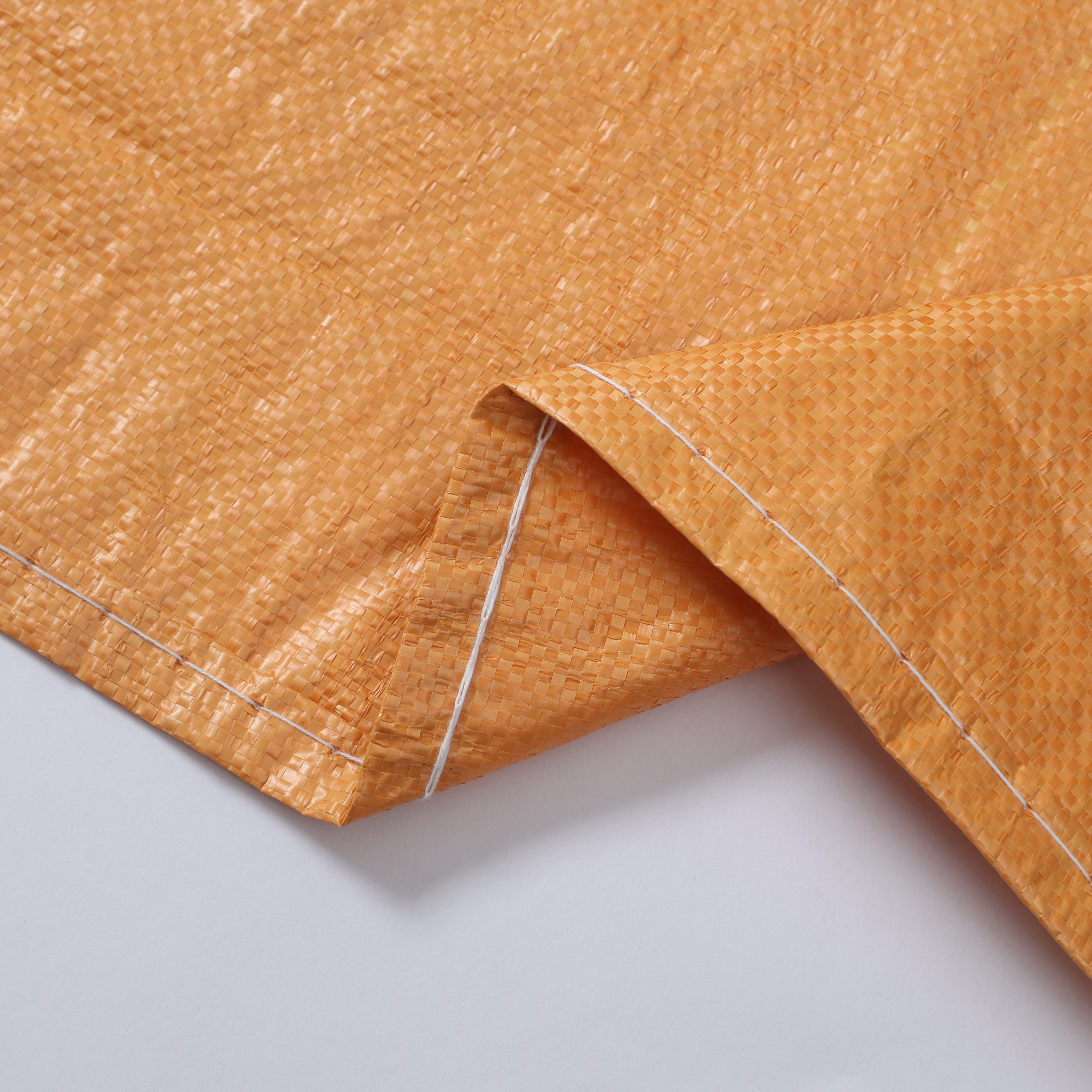
When businesses source packaging solutions, selecting a used bag can offer cost advantages, but safety remains paramount. Understanding the specific wear indicators that signal structural failure is essential for procurement teams, warehouse managers, and logistics professionals. A compromised used bag can lead to product loss, contamination, and supply chain disruption. This guide examines the warning signs that distinguish a serviceable secondhand pp bag from one that poses operational and safety risks.
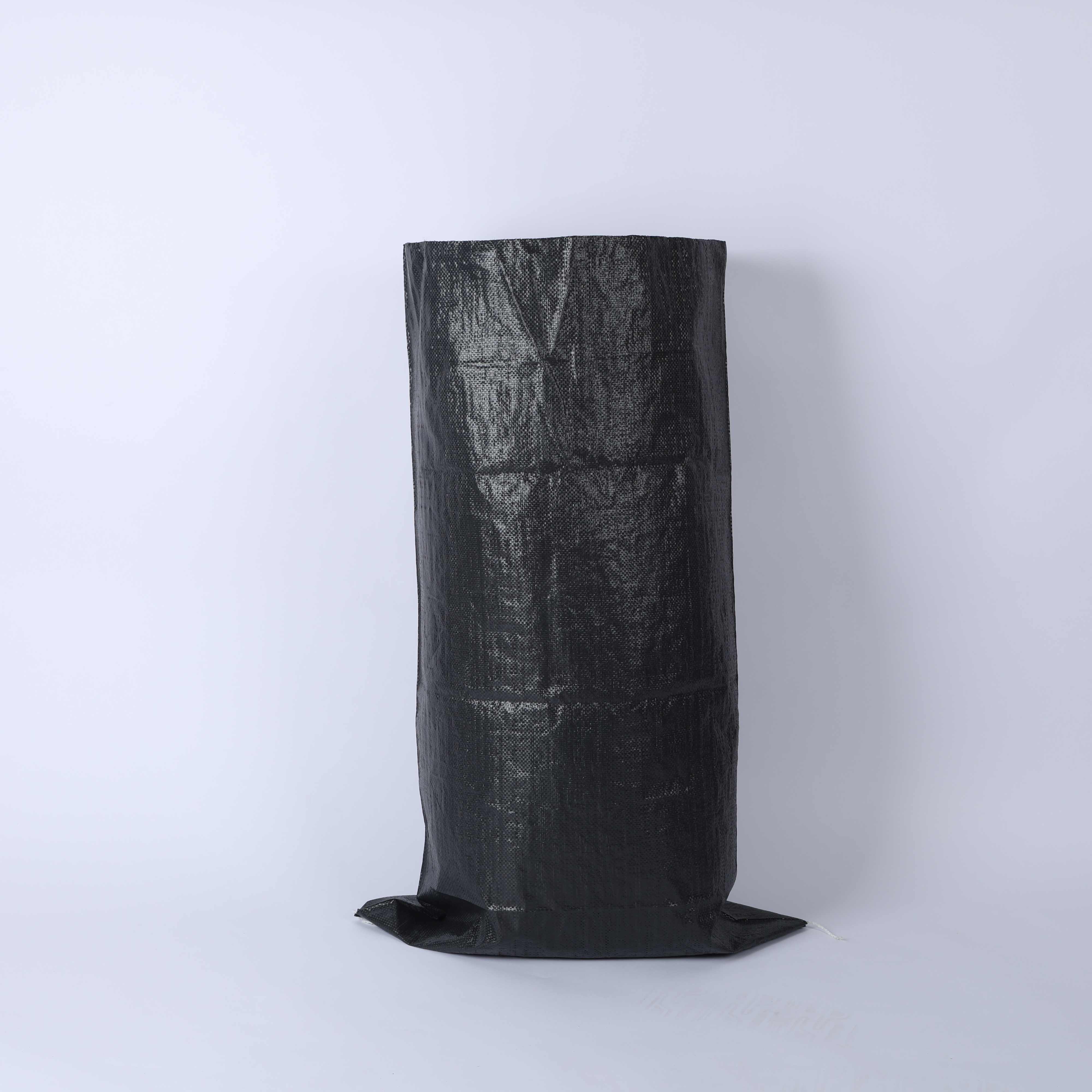
A recycled woven bag or reused packaging bag may appear acceptable at first glance, yet hidden damage can compromise load-bearing capacity and containment integrity. The transition from visual inspection to informed assessment requires knowledge of material degradation patterns, stress concentration points, and failure mechanics specific to polypropylene construction. This article provides industrial buyers with practical criteria for evaluating structural soundness before committing used pp sacks to production environments.
Surface cracks represent one of the most visible warning signs in a used bag. When polypropylene fibers begin to break along the woven pattern, load stresses concentrate at crack initiation points, accelerating failure propagation. Hairline cracks may appear insignificant, but they indicate material embrittlement and reduced tensile strength. Inspect the entire exterior surface under direct light, focusing on areas where the weave pattern appears interrupted or where the glossy finish transitions to a dull, fractured appearance. A recycled woven bag displaying radial crack patterns suggests repeated stress cycling or environmental exposure that has compromised fiber bonding.
Discoloration signals chemical or ultraviolet exposure that weakens polypropylene molecular structure. Dark spots, yellowing gradients, or bleached patches indicate oxidative breakdown. While a secondhand pp bag may show minor color variation from normal use, extensive discoloration across large sections suggests prolonged outdoor exposure or contact with reactive substances. Degraded material exhibits reduced elasticity and increased brittleness, making the reused packaging bag prone to splitting under normal handling stress. Compare the suspect bag against known reference samples to establish baseline color expectations for the material grade.
Seams represent inherent stress concentration zones in any used pp sack design. When thread pulls away from fabric edges or shows visible gaps, structural integrity is already compromised. Thread discoloration, fraying, or reduced tension indicates chemical attack or thermal exposure. A used bag with seam separation will fail suddenly under modest load increases, often without warning. Examine seams using tactile inspection alongside visual assessment; thread should remain taut and firmly anchored, with no visible separation gaps between thread and polypropylene weave.
Grommets and corner reinforcements concentrate handling forces during transport and stacking operations. If a recycled woven bag displays torn reinforcement patches or separated grommet edges, the structural load path has been compromised. A secondhand pp bag with loose or missing grommets cannot distribute point loads safely, leading to catastrophic fabric tearing under practical use conditions. Grasp each reinforcement zone gently; material should not flex excessively or exhibit loose threads. Cracked or split reinforcement indicates material fatigue beyond acceptable operational thresholds.
A reused packaging bag that has lost its structural rigidity may collapse under standard stacking loads. Squeeze the filled used bag with moderate hand pressure; material should resist deformation and spring back to shape. If the used pp sack compresses easily or remains indented, tensile strength has degraded significantly. Polypropylene fibers that no longer maintain geometric integrity cannot reliably contain product over extended storage periods. Weight capacity ratings from original manufacturing become invalid once material properties deteriorate, creating liability risks if bags are repurposed without capacity re-evaluation.
Microscopic damage in a used bag alters moisture barrier properties of the polypropylene weave. Inspect the interior surface for white powder or crystalline deposits indicating prior moisture penetration and corrosion of protected products. A recycled woven bag with visible moisture staining suggests compromised barrier function. Products stored in a secondhand pp bag with altered permeability face contamination or spoilage risks. Test moisture resistance by holding the used pp sack against strong light and examining for localized translucency or pinholes where light penetrates directly through damaged fibers.
A used bag's previous service history determines its suitability for new applications. Chemical residue embedded in polypropylene fibers can migrate into sensitive contents or violate food-contact regulations. Smell the interior of a reused packaging bag for chemical, solvent, or off-odor indicators that suggest problematic prior use. A recycled woven bag showing evidence of caustic chemical exposure or petroleum product contact poses cross-contamination risks that inspection alone cannot eliminate. Request documented handling history for critical applications; transparency about prior content usage informs safer redeployment decisions.
Exposure to temperature extremes, humidity fluctuation, or direct sunlight degrades used bag material over time. A secondhand pp bag stored outdoors typically exhibits greater brittleness than indoor-stored equivalents. Inspect the used pp sack for warping, which indicates heat exposure; material should lie flat without permanent deformation. UV damage appears as surface chalking or fading; significant chalking represents material breakdown that compromises fiber bonding. Environmental history shapes polymer properties more than age alone; a properly stored 5-year-old used bag may outperform a 1-year-old bag exposed to harsh outdoor conditions.
Normal wear appears as minor surface scuffing, slight color variation, or cosmetic imperfections that do not affect structural function. A used bag crosses into unsafe territory when cracks, seam separation, grommet damage, or material brittleness become evident. The key distinction involves load-bearing capacity; if a recycled woven bag cannot maintain shape under normal product weight or shows visible fiber breakage, structural failure has begun. Professional assessment using destructive testing on sample units provides definitive capacity verification before deploying recovered stock into production.
Tensile strength testing, burst strength measurement, and seam holding tests provide quantitative data on a reused packaging bag's performance capability. Laboratory testing on representative samples from the used pp sack batch establishes actual failure thresholds rather than relying on original manufacturing specs. Drop testing and dynamic load simulation reveal failure modes under realistic operational stress. While formal laboratory testing incurs cost, critical applications justify this expense to prevent supply chain failures. For lower-risk applications, field load testing on small quantities provides practical validation before full deployment of recycled woven bag inventory.
Industry standards such as FIB (Flexible Intermediate Bulk Container) guidelines and regional packaging regulations establish baseline safety criteria for reused packaging bags. These standards define acceptable wear limits, residue testing requirements, and documentation protocols for recovered containers. A secondhand pp bag must meet applicable regulations for its intended end-use; food-grade applications enforce stricter standards than industrial bulk transport. Professional inspection agencies familiar with these standards provide certification services confirming that a used bag or recycled woven bag meets regulatory and operational requirements before redeployment into sensitive supply chains.

Discover the 4 critical production metrics—throughput, defect rate, equipment uptime & on-time delivery—to vet factories confidently.

Ensure regulatory compliance & worker safety with proven methods for chemical woven bags—material selection, labeling, storage & training.

Discover the full PP woven bag manufacturing workflow—from extrusion & weaving to printing & QC. Boost efficiency, compliance & ROI. Download the process guide now.

Struggling with weak bags or high material waste? Master extrusion and tape drawing tech for stronger, cheaper PP woven bags. Optimize your production line now.

Struggling with defects or customer returns? Discover the 5 non-negotiable quality checkpoints across your woven bag production line
Which automation tier is right for your PP woven bag factory? Compare manual to Industry 4.0 systems for cost, quality, and scalability.
Get in touch for details on polypropylene woven bags and flexible packaging solutions.
Tel
Address
No.2015, Liaoyuan Building, Lanshan District, Linyi City, Shandong Province.China

