 EN
How to Assess Production Efficiency at a PP Woven Bag Factory
Discover the 4 critical production metrics—throughput, defect rate, equipment uptime & on-time delivery—to vet factories confidently.

2026/09/22
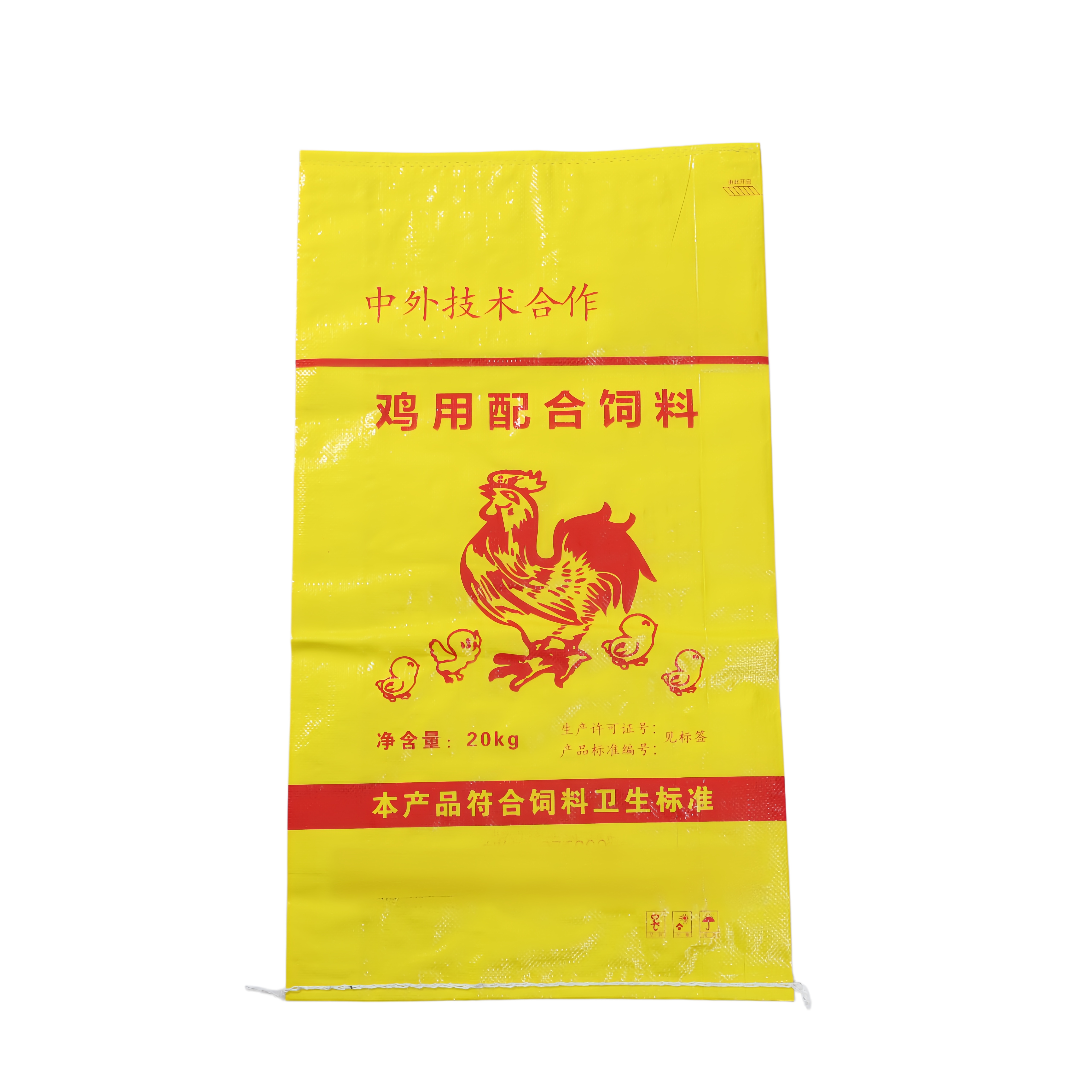
Understanding weight capacity standards for animal feed bags is essential for anyone involved in livestock management, feed distribution, or agricultural operations. Animal feed bags serve as the primary containment solution for grains, pellets, and mixed feeds across farms, processing facilities, and retail outlets. The structural integrity and weight-bearing capacity of these bags directly affect feed quality, operational efficiency, and cost management. Selecting the right animal feed bags with appropriate weight capacity ensures that feed remains protected from environmental contamination while maintaining product value throughout storage and transport.
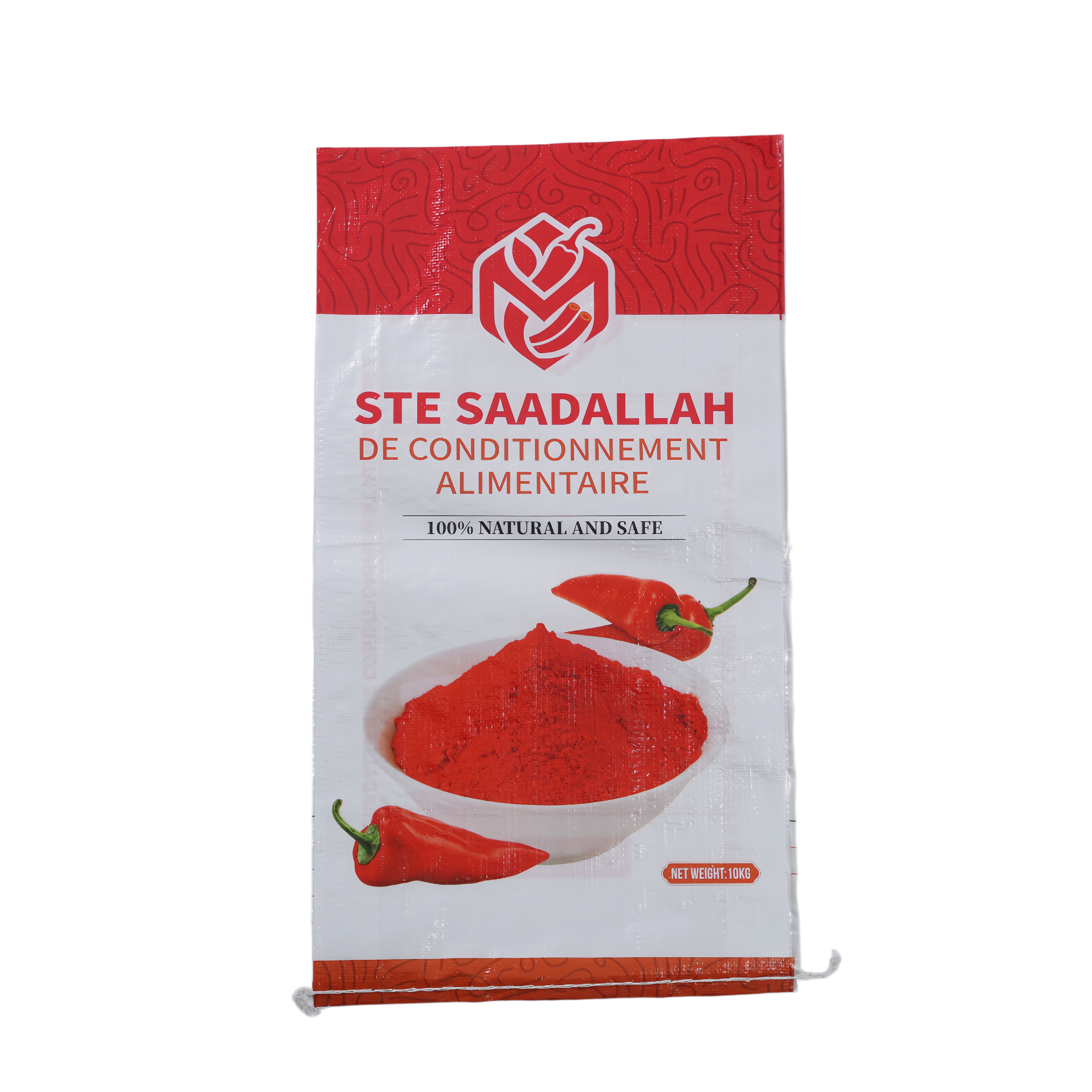
Weight capacity standards for livestock feed packaging are determined by material composition, weave density, ply count, and intended application. Industry requirements vary depending on the type of feed, storage duration, transport method, and climate conditions. A pp feed bag designed for short-term retail distribution may differ significantly from a heavy-duty feed storage sack intended for warehouse stacking or long-distance shipment. Understanding these distinctions helps operations select packaging that balances cost efficiency with protection, preventing product loss and maintaining regulatory compliance across supply chains.
Polypropylene (pp) feed bags form the backbone of modern livestock feed packaging due to their durability, moisture resistance, and cost-effectiveness. A typical pp feed bag consists of multiple layers of woven polypropylene fabric, laminated with an inner coating to create a moisture barrier. The weight capacity of a pp feed bag depends on the denier of the polypropylene filament, the thread count per inch, and the number of plies used in construction. Standard livestock feed packaging typically ranges from single-ply to triple-ply configurations, with each ply adding tensile strength and tear resistance. A pp feed bag rated for 50 kg capacity differs fundamentally from one rated for 100 kg, with differences visible in fabric thickness, seam construction, and reinforcement patterns.
Weight capacity specifications for feed storage sacks are established through testing protocols including tensile strength analysis, tear resistance evaluation, and dynamic load simulation. Most animal feed bags manufactured for commercial use undergo standardized testing to verify that they can withstand static loads, internal pressure from settled product, and handling stresses during transport. A feed storage sack rated at 50 kg can safely support that weight without rupturing, but exceeding this limit risks bag failure, product spillage, and safety hazards. Manufacturers typically provide a safety margin in their capacity ratings, meaning the actual breaking point exceeds the rated capacity by 20 to 30 percent, though operators should never rely on this margin for operational planning.
Poultry feed bags require different capacity specifications than bags designed for cattle or swine operations. A poultry feed bag is typically lighter in weight capacity than livestock feed packaging for larger animals, generally ranging from 25 to 50 kg depending on the feed type and storage method. Poultry operations often handle higher volumes of bags due to smaller individual capacities, making bag durability and stack-ability critical factors. The pp feed bag used for poultry must resist moisture from drinking systems, ammonia from bedding, and physical contact from birds and workers. Poultry feed bag design often incorporates ventilation considerations or special coatings to prevent mold growth, factors that influence both weight capacity ratings and selection criteria for feed storage sacks.
Large-scale livestock operations and feed mills require animal feed bags with higher weight capacity ratings, often reaching 50 kg, 75 kg, or even 100 kg for bulk distribution. These heavy-duty livestock feed packaging solutions feature reinforced stitching, multi-ply construction, and specialized materials that maintain integrity under warehouse stacking conditions. A feed storage sack designed for stacking must support not only its own weight but also the weight of bags stacked above it, sometimes creating cumulative loads exceeding 1,000 kg per stack. Such high-capacity pp feed bags utilize specialized thread, reinforced gussets, and sometimes partial liners to distribute load evenly across the bag structure. Operations choosing heavy-duty feed storage sacks benefit from reduced bag count per shipment, lower transportation costs, and more efficient warehouse space utilization, though individual bag costs are higher.
Selecting appropriate weight capacity for animal feed bags requires evaluating multiple operational factors beyond simple weight requirements. A poultry feed bag with 25 kg capacity may be ideal for small operations with limited storage space, while a 50 kg livestock feed packaging solution better serves large producers with established logistical infrastructure. Transport method significantly influences capacity selection: feed storage sacks transported by hand require lower capacities for worker safety, while containerized shipments allow higher capacities. Climate considerations also matter because moisture absorption can increase effective weight and stress on pp feed bag seams. Cost per unit of feed decreases with higher capacity options, but operations must ensure their equipment, personnel, and facilities can safely handle larger animal feed bags without damage or injury.
Reputable manufacturers of livestock feed packaging provide documentation specifying the exact weight capacity of each pp feed bag product line, along with testing certificates demonstrating compliance with industry standards. Before implementing new feed storage sack specifications, operations should verify that capacity ratings reflect their climate conditions, storage methods, and handling practices. A poultry feed bag rated for indoor warehouse storage may perform differently when exposed to outdoor conditions or high-humidity environments. Purchasing livestock feed packaging from certified suppliers ensures that weight capacity claims are backed by third-party testing and that bags meet food-safety and agricultural standards. Regular inspection of received animal feed bags for defects, improper sealing, or visible damage helps operations catch substandard products before they enter the supply chain, protecting both feed quality and operational reputation.
Weight capacity depends on polypropylene denier, thread count per inch, number of plies, seam construction quality, and the material thickness of the laminated inner coating. Manufacturers conduct tensile strength and tear resistance testing to establish safe weight limits for each animal feed bags design. Environmental factors like temperature and humidity can slightly affect rated capacity over time, which is why pp feed bag specifications are typically tested under standardized conditions.
Selection depends on flock size, labor availability, storage space, and feed turnover rate in your poultry operation. Smaller operations may prefer 25 kg capacity pouches for flexibility, while larger producers benefit from 50 kg poultry feed bag options that reduce handling labor and improve efficiency. Consider the physical abilities of workers, the lifting equipment available, and your facility's infrastructure when deciding on poultry feed bag capacity to balance safety and operational performance.
No, stacking feed storage sacks beyond their rated capacity creates risk of bag failure, product loss, and safety hazards for workers. The weight capacity of a livestock feed packaging solution accounts for the bag's own weight plus rated load; exceeding this causes unnecessary stress on pp feed bag seams and fabric. Always follow manufacturer guidelines to ensure that your animal feed bags operate safely and your facility maintains compliance with agricultural and workplace safety standards.

Discover the 4 critical production metrics—throughput, defect rate, equipment uptime & on-time delivery—to vet factories confidently.

Ensure regulatory compliance & worker safety with proven methods for chemical woven bags—material selection, labeling, storage & training.

Discover the full PP woven bag manufacturing workflow—from extrusion & weaving to printing & QC. Boost efficiency, compliance & ROI. Download the process guide now.

Struggling with weak bags or high material waste? Master extrusion and tape drawing tech for stronger, cheaper PP woven bags. Optimize your production line now.

Struggling with defects or customer returns? Discover the 5 non-negotiable quality checkpoints across your woven bag production line
Which automation tier is right for your PP woven bag factory? Compare manual to Industry 4.0 systems for cost, quality, and scalability.
Get in touch for details on polypropylene woven bags and flexible packaging solutions.
Tel
Address
No.2015, Liaoyuan Building, Lanshan District, Linyi City, Shandong Province.China

