 EN
How to Assess Production Efficiency at a PP Woven Bag Factory
Discover the 4 critical production metrics—throughput, defect rate, equipment uptime & on-time delivery—to vet factories confidently.

2026/08/31
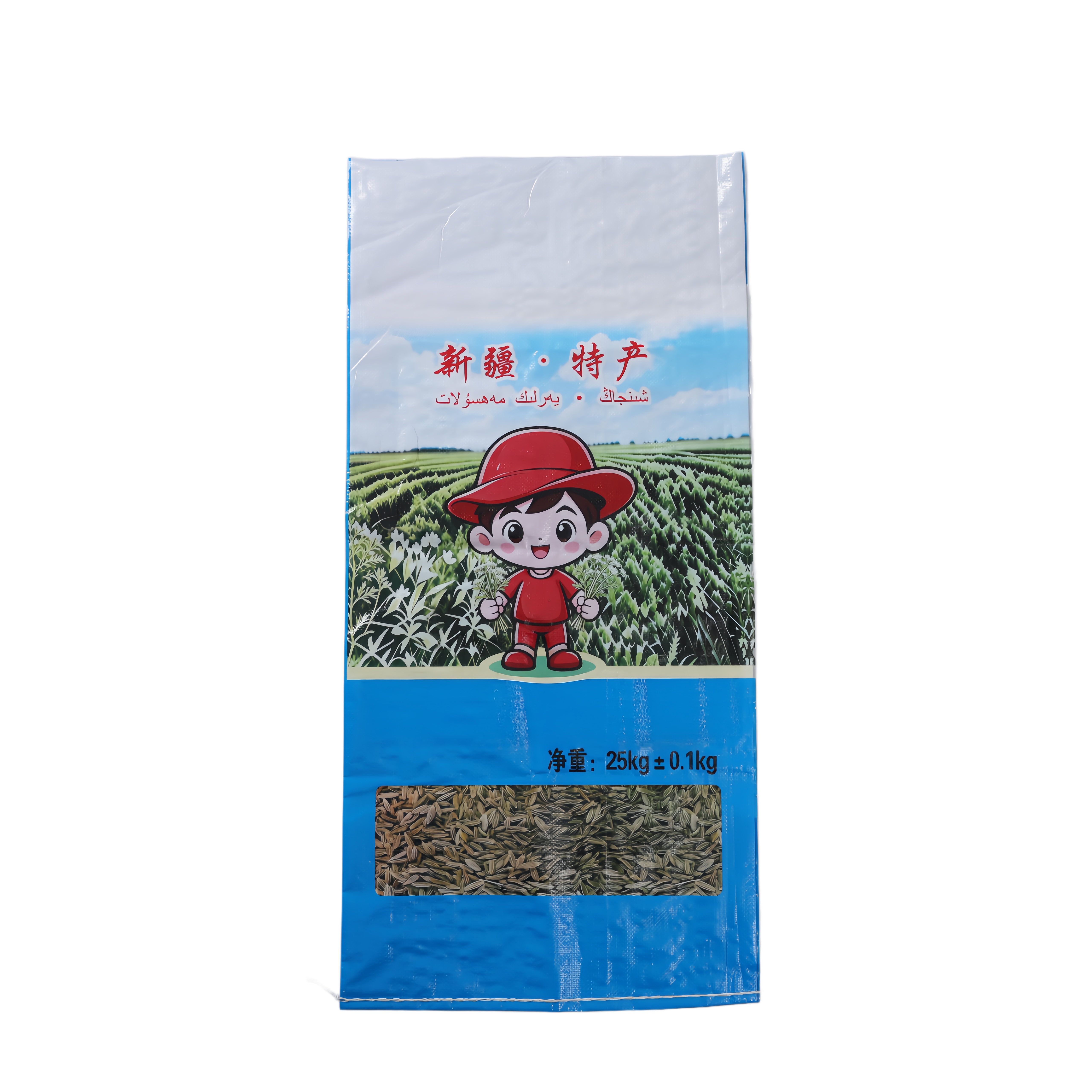
Weight tolerance standards for fertilizer bags represent critical specifications that ensure product consistency, regulatory compliance, and customer satisfaction in agricultural operations. These standards define the acceptable range of variation in net weight for packaged fertilizer products, balancing the practical limitations of filling equipment with legal requirements and market expectations. Understanding and implementing proper weight tolerance standards is essential for manufacturers, distributors, and end-users who depend on accurate nutrient delivery to optimize crop performance.
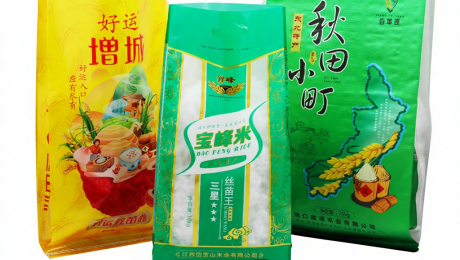
The regulatory framework governing weight tolerance for agricultural fertilizer packaging varies by region but generally follows established standards that protect both producers and farmers. Most jurisdictions require that fertilizer bags meet specified net weight declarations with minimal deviation. These regulations exist to ensure fair trade practices, prevent short-weighting customers, and maintain the integrity of nutrient content claims printed on packaging materials.
Weight tolerance standards for fertilizer woven bag products are typically established by agricultural departments, standards organizations, and international trade bodies. These standards recognize that mechanical filling equipment cannot achieve absolute precision, so they establish an acceptable range around the declared net weight. The fertilizer woven bag industry commonly follows tolerance ranges of plus or minus two to five percent depending on the product category and package size.
Regulatory agencies conduct periodic inspections and random sampling of pp fertilizer sack batches to verify compliance with declared weights. When a fertilizer storage bag fails to meet minimum weight requirements, manufacturers may face penalties, product recalls, or market access restrictions. Conversely, excessive overfilling increases production costs and reduces profitability, making precise tolerance management a key operational concern for packaging operations.
Smaller pp fertilizer sack packages typically require tighter absolute tolerances than larger bags due to statistical variation principles. A fifty-kilogram bag might have a tolerance of plus or minus one kilogram, while a small five-kilogram agricultural fertilizer packaging unit might allow only plus or minus two hundred grams variation. This relationship reflects the reality that achieving precise filling is more difficult with smaller quantities and simpler mechanical systems.
The correlation between package size and tolerance becomes critical when manufacturers serve diverse market segments. Operations that produce agricultural fertilizer packaging across multiple weight categories must calibrate separate filling lines or adjust equipment settings to accommodate different tolerance requirements. This operational complexity underscores why weight management standards significantly influence equipment selection and facility design decisions.
Professional fertilizer bag manufacturers employ statistical process control methods to monitor filling consistency and detect drift before tolerance violations occur. These systems establish control limits based on historical data and periodically sample bags from production to verify that weights remain within acceptable ranges. Modern agricultural fertilizer packaging operations integrate automated weighing systems that provide real-time feedback to filling equipment, allowing operators to make micro-adjustments that keep weight variation minimal.
Statistical monitoring helps manufacturers avoid both the cost of overfilling and the legal risk of underfilling. When control charts indicate that average weights are trending toward tolerance limits, operators can investigate root causes such as equipment wear, material density changes, or sensor calibration drift. This proactive approach maintains product quality and regulatory compliance while optimizing material usage efficiency across the pp fertilizer sack production operation.
Accurate weight verification depends entirely on properly calibrated weighing equipment used throughout production and quality control processes. Fertilizer storage bag manufacturers must establish regular calibration schedules using certified weights traceable to national or international standards. Many jurisdictions require documented calibration records and third-party verification of weighing equipment used to verify compliance with weight tolerance standards.
The precision of weighing systems directly impacts the reliability of weight tolerance measurements and regulatory audit results. Digital scales used for in-process monitoring must maintain accuracy within one percent or better, while final verification scales should meet even stricter standards. Environmental factors such as temperature, humidity, and vibration affect scale performance, so manufacturers typically install weighing equipment in controlled environments and implement routine maintenance protocols that include zero-point verification and span checks.
Modern multihead weighing technology represents the industry standard for achieving consistent fertilizer woven bag weights with minimal tolerance deviation. These systems simultaneously monitor multiple filling heads and calculate weighted average discharge to compensate for individual head variation. The combination of weight precision and real-time adjustment capability allows manufacturers to set target weights closer to declared specifications, reducing both overfilling waste and underfilling risk across agricultural fertilizer packaging operations.
The selection between weigh-fill or count-fill equipment depends on product density and packaging requirements specific to fertilizer storage bag applications. Weigh-fill systems, which measure by mass, provide superior tolerance control for granular products where density may vary slightly between batches. Count-fill or volumetric systems work well for uniform products but may require periodic adjustment when material characteristics change, making weigh-fill technology the preferred choice for fertilizer applications where precise net weight compliance is critical.
Comprehensive documentation of weight tolerance performance, equipment settings, and calibration maintenance creates the foundation for sustainable compliance with regulatory requirements. Manufacturers maintain detailed records of production batches, sampling results, and corrective actions taken when weights drift outside acceptable ranges. This documentation serves multiple purposes including regulatory audit preparation, customer verification, troubleshooting equipment problems, and identifying trends that might indicate systemic issues within the pp fertilizer sack production process.
Continuous improvement approaches such as regular equipment maintenance, operator training programs, and periodic process capability studies help manufacturers maintain and enhance their weight control performance over time. When fertilizer bags are produced with consistent weights near target specifications rather than at tolerance extremes, manufacturers build customer confidence, reduce liability exposure, and optimize raw material utilization. These operational benefits combine with regulatory compliance to make weight tolerance management a strategic business concern rather than simply a technical checkbox.
Most agricultural markets accept weight tolerance ranges of plus or minus two to five percent from the declared net weight, with specific requirements varying by region and product category. Smaller packages typically require tighter absolute tolerances to meet percentage-based standards, while larger bulk fertilizer bags may allow wider absolute variation. Always verify specific requirements with your regulatory agency or customer specifications since requirements differ significantly across jurisdictions and customer expectations.
Calibration frequency depends on equipment type, production volume, and regulatory requirements but typically occurs monthly or quarterly for commercial operations producing agricultural fertilizer packaging. High-speed production equipment and scales used for final weight verification may require more frequent calibration due to mechanical wear. Many manufacturers implement daily zero-point checks and periodic span verification between formal calibrations to catch equipment drift early and prevent tolerance violations in pp fertilizer sack batches.
Weight variation in fertilizer bags results from multiple sources including equipment wear and mechanical drift, material density fluctuations between supplier batches, environmental factors affecting scale performance, and operator adjustments. Changes in material moisture content, granule size distribution, or bulk density significantly impact filling consistency and may require recalibration of equipment settings. Regular monitoring and prompt corrective action when production weights trend toward tolerance limits helps minimize variance and maintain compliance with agricultural fertilizer packaging standards.

Discover the 4 critical production metrics—throughput, defect rate, equipment uptime & on-time delivery—to vet factories confidently.

Ensure regulatory compliance & worker safety with proven methods for chemical woven bags—material selection, labeling, storage & training.

Discover the full PP woven bag manufacturing workflow—from extrusion & weaving to printing & QC. Boost efficiency, compliance & ROI. Download the process guide now.

Struggling with weak bags or high material waste? Master extrusion and tape drawing tech for stronger, cheaper PP woven bags. Optimize your production line now.

Struggling with defects or customer returns? Discover the 5 non-negotiable quality checkpoints across your woven bag production line
Which automation tier is right for your PP woven bag factory? Compare manual to Industry 4.0 systems for cost, quality, and scalability.
Get in touch for details on polypropylene woven bags and flexible packaging solutions.
Tel
Address
No.2015, Liaoyuan Building, Lanshan District, Linyi City, Shandong Province.China

