 EN
How to Assess Production Efficiency at a PP Woven Bag Factory
Discover the 4 critical production metrics—throughput, defect rate, equipment uptime & on-time delivery—to vet factories confidently.

2026/08/28
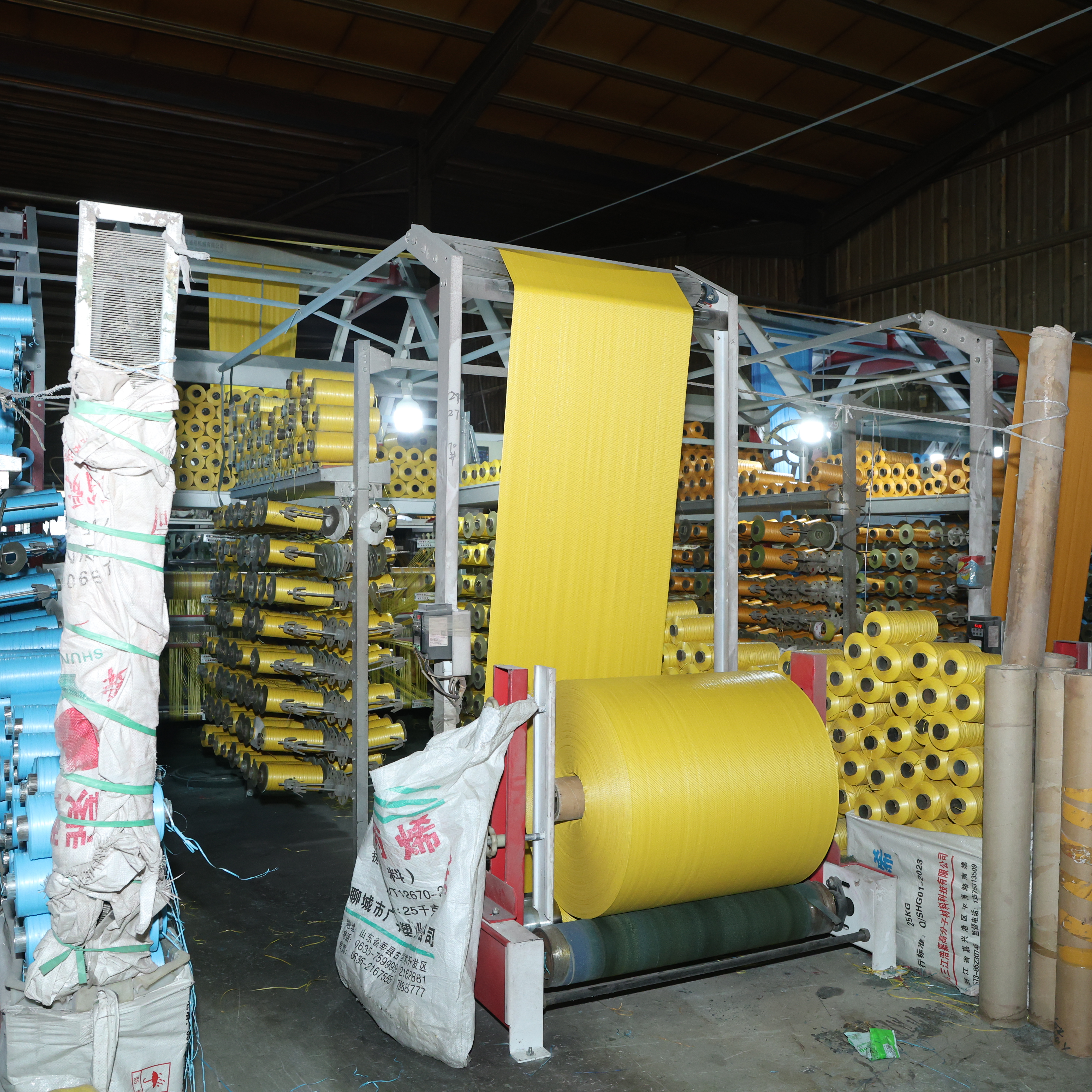
Choosing the right packaging material is critical for product protection, cost efficiency, and supply chain performance. PE Lined bags have emerged as a superior alternative to standard woven bags in many industrial and commercial applications. These bags combine the structural strength of polypropylene with the moisture protection of polyethylene lining, creating a hybrid solution that addresses the limitations of conventional packaging. Understanding when and why PE Lined bags become the preferred choice can significantly improve your packaging strategy and protect your products from environmental damage.
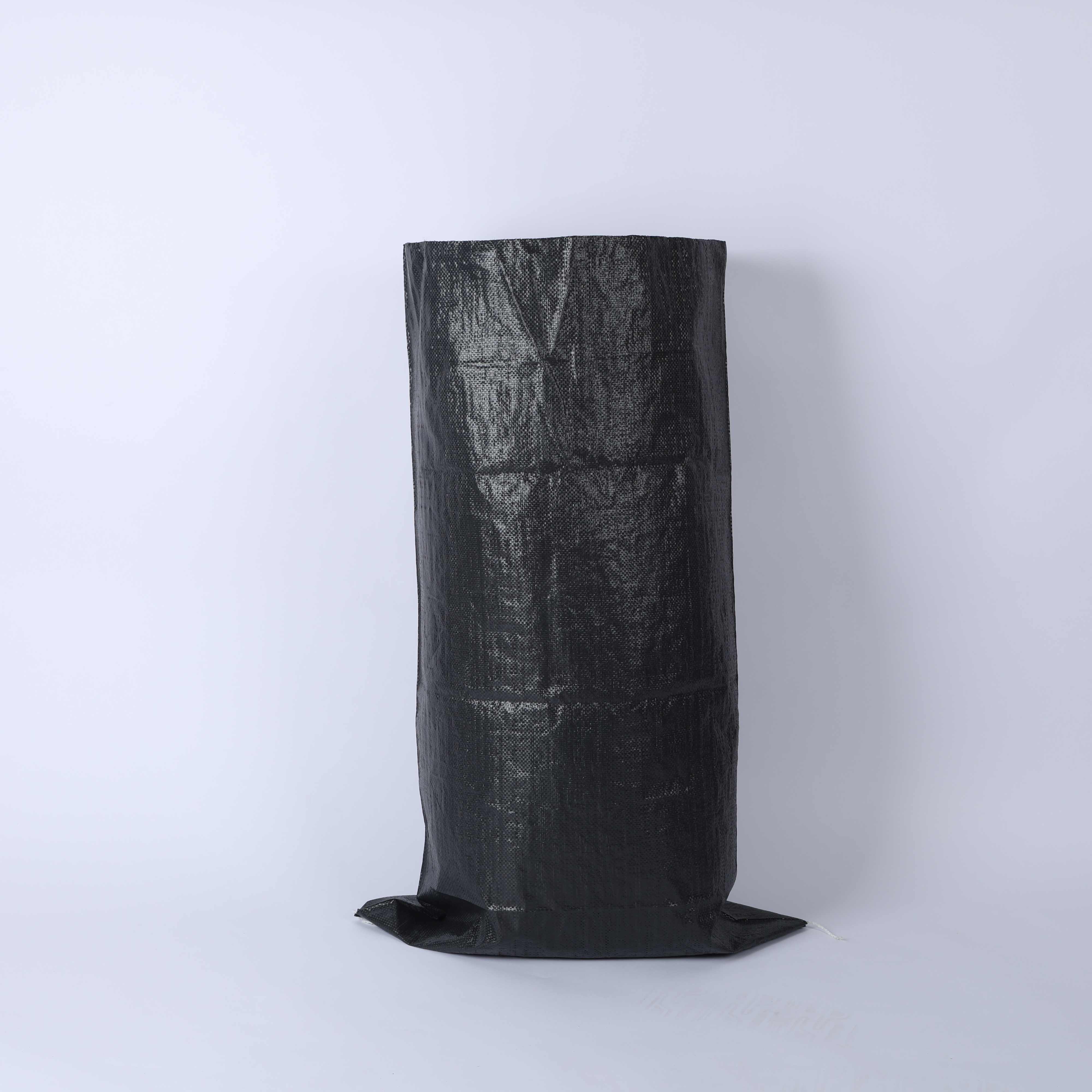
Standard bags without internal protection struggle to keep moisture, dust, and contaminants away from sensitive cargo. A PE Lined woven bag, however, provides a complete barrier system that extends product shelf life and maintains quality throughout storage and transportation. Industries ranging from food processing to chemical handling, agricultural exports to pharmaceutical production, rely on these enhanced bags to meet strict regulatory requirements and customer expectations. The decision to upgrade from standard bags to PE lined alternatives depends on product vulnerability, transit conditions, storage duration, and cost-benefit analysis.
Standard woven bags are permeable structures designed primarily for dry bulk commodities. Without an internal moisture barrier bag layer, they allow water vapor to penetrate and condense inside the packaging. Products sensitive to humidity—such as sugar, salt, flour, chemicals, fertilizers, and minerals—suffer quality degradation when exposed to moisture. The polyethylene liner inside a PE lined woven bag creates an impermeable seal that prevents moisture ingress even in high-humidity environments, coastal logistics, or tropical storage conditions.
A moisture barrier bag configuration is essential when products must maintain specific moisture content for functionality or safety. For example, desiccant materials, pharmaceutical powders, and hygroscopic chemicals require absolute moisture protection. PP PE composite bag designs stack polypropylene structural integrity with polyethylene protective barriers, offering both tear resistance and environmental sealing. The result is dramatically extended shelf life, reduced waste, and lower replacement costs compared to standard bags that allow moisture intrusion.
When products spend extended periods in warehouses, port facilities, or distribution centers, they encounter variable temperature and humidity cycles. Standard bags cannot adapt to these fluctuations without allowing moisture exchange. PE Lined bags maintain internal stability regardless of external conditions, preventing condensation, mold growth, and product caking. Industries exporting goods across multiple climate zones—from arid deserts to humid tropics—consistently choose PE lined woven bags because they guarantee product integrity upon arrival, reducing customer complaints, returns, and reputation damage.
Regulatory bodies worldwide impose strict contamination standards for food, pharmaceuticals, and specialty chemicals. Standard bags offer minimal protection against external contaminants, dust particles, and microbial ingress. A PE liner bag provides a certified barrier that meets food safety certifications, pharmaceutical packaging guidelines, and chemical handling requirements. Food manufacturers using sugar, spices, grains, and dried ingredients depend on moisture barrier bag technology to achieve FDA compliance and international certification standards like ISO or HACCP protocols.
The polyethylene interior of a PP PE composite bag is inherently resistant to microbial colonization and chemical leaching. This is critical for products in contact with sensitive applications where even trace contamination creates liability or product failure. Pharmaceutical companies, dietary supplement manufacturers, and food exporters recognize that the minimal cost increase of PE lined woven bags provides substantial protection against regulatory fines, product recalls, and market access restrictions that would result from contamination incidents.
Beyond moisture, PE lined bags protect products from absorbing external odors and volatile compounds. Standard bags cannot prevent odor migration in shared warehousing environments where multiple products are stored nearby. PE Lined woven bags isolate contents from environmental odors, ensuring quality perception at delivery. Additionally, the polyethylene liner prevents chemical vapors and aggressive substance vapors from corroding or damaging the polypropylene exterior, extending bag reusability and structural integrity. For hazardous materials, powdered chemicals, and odor-sensitive products, PE liner bag selection is not optional—it is a fundamental safety and compliance requirement.
Not every application requires PE Lined bags. Dry commodities with short handling periods, bulk materials destined for immediate processing, and non-sensitive products stored in controlled environments can justify standard woven bag economics. Construction materials, sand, gravel, and aggregates generally need only the structural support that standard bags provide. Understanding product vulnerability and supply chain exposure is essential before deciding to invest in PE lined woven bag upgrades. Cost-conscious buyers should evaluate whether the premium justifies the protection benefit for their specific use case.
Export-oriented food producers, pharmaceutical manufacturers, chemical suppliers, and agricultural trading companies consistently prefer PE Lined bags because supply chain exposure justifies the investment. Long transit times, ocean shipping, multiple handling events, and uncertain storage conditions increase contamination and moisture risks substantially. The moisture barrier bag premium becomes negligible when weighed against product loss, regulatory penalties, and customer satisfaction. PP PE composite bag adoption accelerates in industries where product value, regulatory requirement stringency, and customer expectations demand maximum protection. Small cost differences translate into significant competitive advantages when delivery quality and packaging reliability define market reputation.
Standard woven bags are open-weave structures designed for dry bulk storage with minimal environmental protection. PE lined woven bags incorporate a polyethylene interior layer that creates a complete moisture and contamination barrier. While standard bags suffice for short-term storage of non-sensitive materials, PE Lined bags extend shelf life, prevent moisture ingress, and protect products during long-distance transportation and extended warehouse exposure. The PE liner bag configuration adds structural durability and environmental resilience, making them ideal for export, multi-climate logistics, and regulatory-sensitive industries.
Moisture barrier bag technology becomes essential when products absorb water vapor and lose functional properties or develop safety risks. Hygroscopic materials like salt, sugar, pharmaceuticals, and desiccants require absolute moisture isolation to maintain specification compliance and shelf life. Standard bags allow water vapor penetration that causes caking, chemical degradation, and contamination. A PP PE composite bag prevents internal condensation and moisture exchange, preserving product integrity across temperature and humidity fluctuations. Industries handling valuable or sensitive products cannot afford moisture-related losses that contaminate entire shipments.
The cost premium of PE Lined woven bags is justified when product value, supply chain exposure, and regulatory requirements create significant risk. High-value commodities, internationally exported goods, and compliance-sensitive products benefit substantially from moisture barrier bag protection that prevents loss and maintains market access. Conversely, bulk construction materials, short-duration storage, and low-value dry goods may not justify the PE lined investment. Each application requires evaluation of product vulnerability, transit duration, storage conditions, and customer requirements. The PP PE composite bag decision should align with specific operational context rather than default assumptions.

Discover the 4 critical production metrics—throughput, defect rate, equipment uptime & on-time delivery—to vet factories confidently.

Ensure regulatory compliance & worker safety with proven methods for chemical woven bags—material selection, labeling, storage & training.

Discover the full PP woven bag manufacturing workflow—from extrusion & weaving to printing & QC. Boost efficiency, compliance & ROI. Download the process guide now.

Struggling with weak bags or high material waste? Master extrusion and tape drawing tech for stronger, cheaper PP woven bags. Optimize your production line now.

Struggling with defects or customer returns? Discover the 5 non-negotiable quality checkpoints across your woven bag production line
Which automation tier is right for your PP woven bag factory? Compare manual to Industry 4.0 systems for cost, quality, and scalability.
Get in touch for details on polypropylene woven bags and flexible packaging solutions.
Tel
Address
No.2015, Liaoyuan Building, Lanshan District, Linyi City, Shandong Province.China

