 EN
How to Assess Production Efficiency at a PP Woven Bag Factory
Discover the 4 critical production metrics—throughput, defect rate, equipment uptime & on-time delivery—to vet factories confidently.

2026/08/25
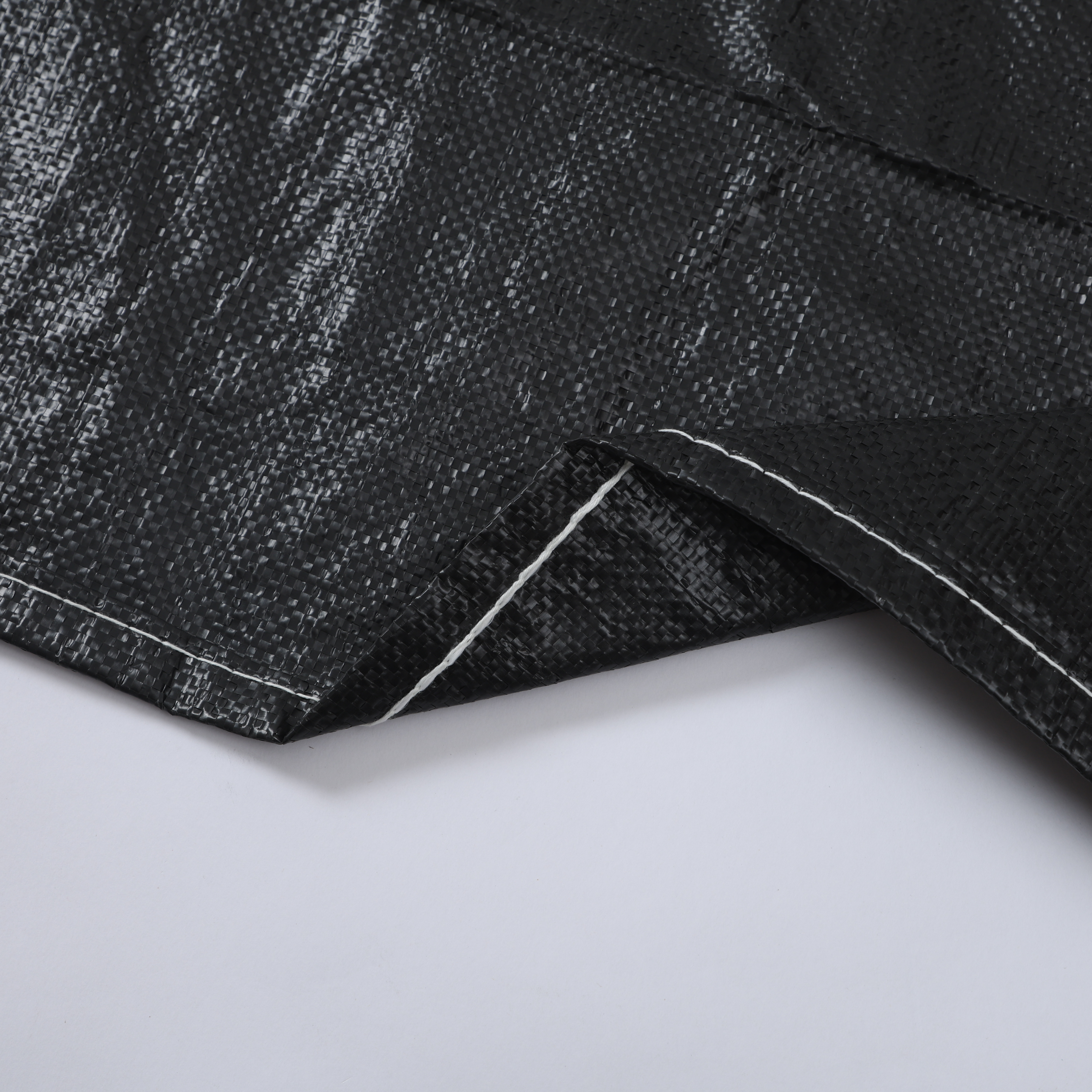
When managing non-food bulk storage operations, the choice between a used bag and a new one can significantly impact both your budget and operational efficiency. Many businesses automatically assume that new packaging delivers better value, but this assumption often overlooks the practical advantages of quality secondhand pp bags and reused packaging bags for specific storage applications. Understanding the real differences between these options allows procurement teams to make informed decisions aligned with their actual storage needs, material handling conditions, and sustainability goals.
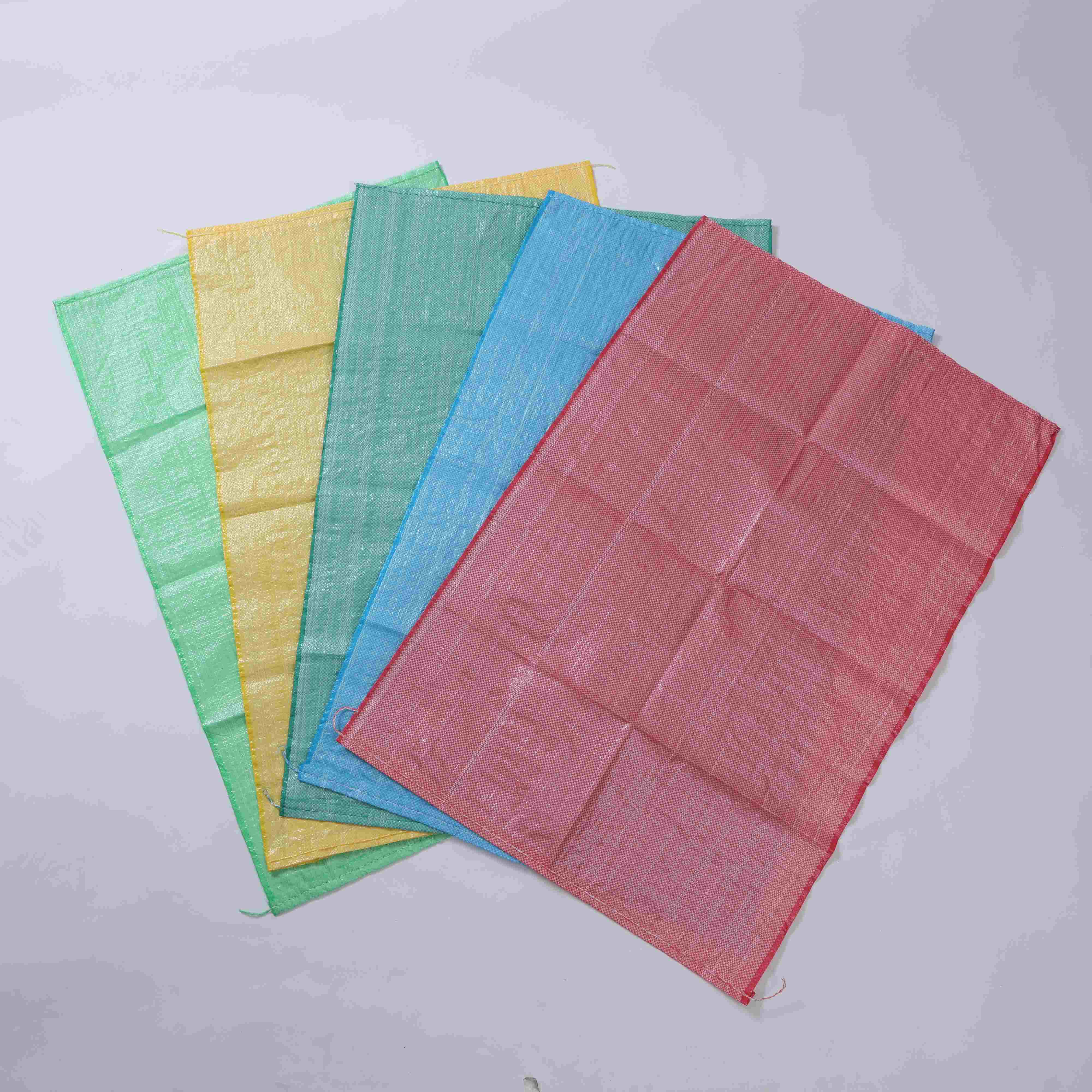
Selecting between recycled woven bags and newly manufactured options requires examining multiple variables beyond initial purchase price. The durability of a quality used pp sack, the environmental impact of material reuse, cost transparency, and the specific characteristics of your stored materials all shape the true value equation. This article explores the practical and financial considerations that guide this decision, helping storage managers determine which option best serves their operational and business objectives.
The most obvious advantage of choosing a recycled woven bag or reused packaging bag is the lower upfront cost. Used pp sacks typically retail at 30 to 50 percent below the price of equivalent new bags, creating immediate savings on material expenses. However, this price difference does not always translate directly into better financial outcomes, because total cost of ownership includes failure rates, replacement frequency, and logistics expenses. A recycled woven bag that fails prematurely forces replacement orders, emergency shipping, and potential storage disruption costs that can quickly offset initial savings.
Evaluating true cost requires examining how long each bag performs reliably under your specific storage conditions. New bags typically come with known manufacturing standards and quality consistency, whereas a used bag carries variable history and prior use intensity. For operations storing lightweight, non-abrasive, or climate-controlled materials, a quality used pp sack often delivers equivalent performance at substantially lower total cost. In contrast, high-moisture environments, chemical exposure, or heavy-load stacking scenarios often justify the investment in new bags, because reused packaging bags in these conditions may require earlier replacement, negating cost advantages.
Not all secondhand pp bags are created equal. Reputable suppliers of recycled woven bags conduct durability testing, inspect for material degradation, and grade bags by condition before resale. A well-graded used bag from a quality-focused supplier often performs reliably for years, because the underlying polypropylene material retains its structural properties across multiple product cycles. However, unknowingly purchasing used pp sacks with hidden defects, stress fractures, or prior chemical exposure can result in catastrophic failure during stacking, material handling, or transit. Establishing clear quality specifications and sourcing relationships with transparent grading practices protects against these risks.
The nature of materials being stored fundamentally shapes whether a recycled woven bag or new bag is appropriate. Dry, inert materials like minerals, sand, aggregates, or processed grains experience minimal interaction with the bag itself, making reused packaging bags an excellent fit for these applications. In contrast, materials with high moisture content, oils, acidic properties, or sharp edges create mechanical and chemical stress that accelerates degradation. For these demanding applications, new bags provide better reliability assurance and consistent performance expectations. Additionally, regulatory compliance or food-grade certification requirements typically exclude secondhand pp bags entirely, regardless of quality, because traceability and prior-use documentation cannot be guaranteed.
Choosing a used bag directly reduces manufacturing demand and associated resource consumption. Producing new polypropylene bags requires crude oil extraction, chemical processing, and energy-intensive manufacturing, whereas a quality recycled woven bag already embodies this environmental cost. By extending product life through reuse, operations reduce plastic waste entering landfills and lower their carbon footprint per storage cycle. For organizations with sustainability commitments or ESG reporting obligations, demonstrating preference for reused packaging bags strengthens environmental credentials and often aligns with supplier expectations or corporate policies.
The sustainability advantage of a used pp sack depends on reliable sourcing networks and reverse logistics systems. Where established collection, sorting, and distribution infrastructure exists for recycled woven bags, reused packaging bags become consistently available and easily comparable. However, in regions lacking mature reuse networks, sourcing quality secondhand pp bags can prove unpredictable, requiring longer lead times or accepting variable material quality. New bags, by contrast, deliver predictable availability through standard manufacturing supply chains. Operations prioritizing sustainability must balance ideals with practical procurement realities, ensuring that their chosen reused packaging bag suppliers maintain consistent grading standards and supply reliability.
A quality used bag makes financial and operational sense for non-food bulk storage when several conditions align. Your stored materials must be dry, stable, and non-corrosive; storage conditions must be climate-controlled or indoor; volume requirements must be predictable enough to absorb occasional quality variation; and your operation must prioritize cost reduction over risk minimization. Seasonal businesses, temporary storage solutions, or organizations with budget constraints often find that a recycled woven bag meets their practical requirements while freeing capital for other operational needs. In these scenarios, establishing relationships with reputable suppliers of secondhand pp bags and implementing quality verification processes protects against reliability risks while capturing cost benefits.
New bags become the logical choice when your operation demands consistent, predictable performance under challenging conditions. High-volume operations requiring reliability guarantees, outdoor storage in harsh climates, materials requiring food-grade certification, or aggressive stacking and material handling justify the cost of new packaging. Similarly, organizations with sophisticated supply chain visibility, just-in-time inventory practices, or regulatory compliance requirements benefit from the quality consistency and documentation standards of new bags. In these contexts, the marginal cost of a reused packaging bag is outweighed by the risk of failure, replacement delays, and operational disruption.
Yes, a quality used bag from a reputable supplier often performs equally well as a new bag for non-food bulk storage, particularly when storing dry, inert materials in controlled environments. However, performance depends on the material being stored, storage conditions, and the specific quality grading of the secondhand pp bag. Used pp sacks require more careful supplier selection and quality verification than new bags, but this due diligence can yield excellent results. Materials like aggregates, minerals, and grains typically work well with recycled woven bags, whereas chemically aggressive or high-moisture applications favor new bags.
Establish clear quality specifications with your supplier and request documentation of grading standards for reused packaging bags. Ask about inspection procedures, material testing, and condition classification systems used for secondhand pp bags. Request samples and conduct your own trial testing before committing to large orders. Evaluate the supplier's reputation, return policies, and willingness to address defects quickly. Building a direct relationship with suppliers of quality recycled woven bags allows you to verify that their reused packaging bag standards match your operational requirements and risk tolerance.
Yes, selecting a recycled woven bag typically delivers environmental benefits by reducing manufacturing demand and extending product life. Each reused packaging bag represents avoided resource extraction, chemical processing, and manufacturing emissions embedded in new production. However, environmental benefit depends on reliable sourcing infrastructure and consistent reuse rates for secondhand pp bags. If a used bag fails prematurely and requires replacement with new bags, or if transportation distances for used pp sacks are exceptionally long, environmental advantages diminish. The strongest environmental case for a reused packaging bag occurs within established circular economy networks where collection, sorting, and distribution systems are optimized.

Discover the 4 critical production metrics—throughput, defect rate, equipment uptime & on-time delivery—to vet factories confidently.

Ensure regulatory compliance & worker safety with proven methods for chemical woven bags—material selection, labeling, storage & training.

Discover the full PP woven bag manufacturing workflow—from extrusion & weaving to printing & QC. Boost efficiency, compliance & ROI. Download the process guide now.

Struggling with weak bags or high material waste? Master extrusion and tape drawing tech for stronger, cheaper PP woven bags. Optimize your production line now.

Struggling with defects or customer returns? Discover the 5 non-negotiable quality checkpoints across your woven bag production line
Which automation tier is right for your PP woven bag factory? Compare manual to Industry 4.0 systems for cost, quality, and scalability.
Get in touch for details on polypropylene woven bags and flexible packaging solutions.
Tel
Address
No.2015, Liaoyuan Building, Lanshan District, Linyi City, Shandong Province.China

