 EN
How to Assess Production Efficiency at a PP Woven Bag Factory
Discover the 4 critical production metrics—throughput, defect rate, equipment uptime & on-time delivery—to vet factories confidently.

2026/08/21
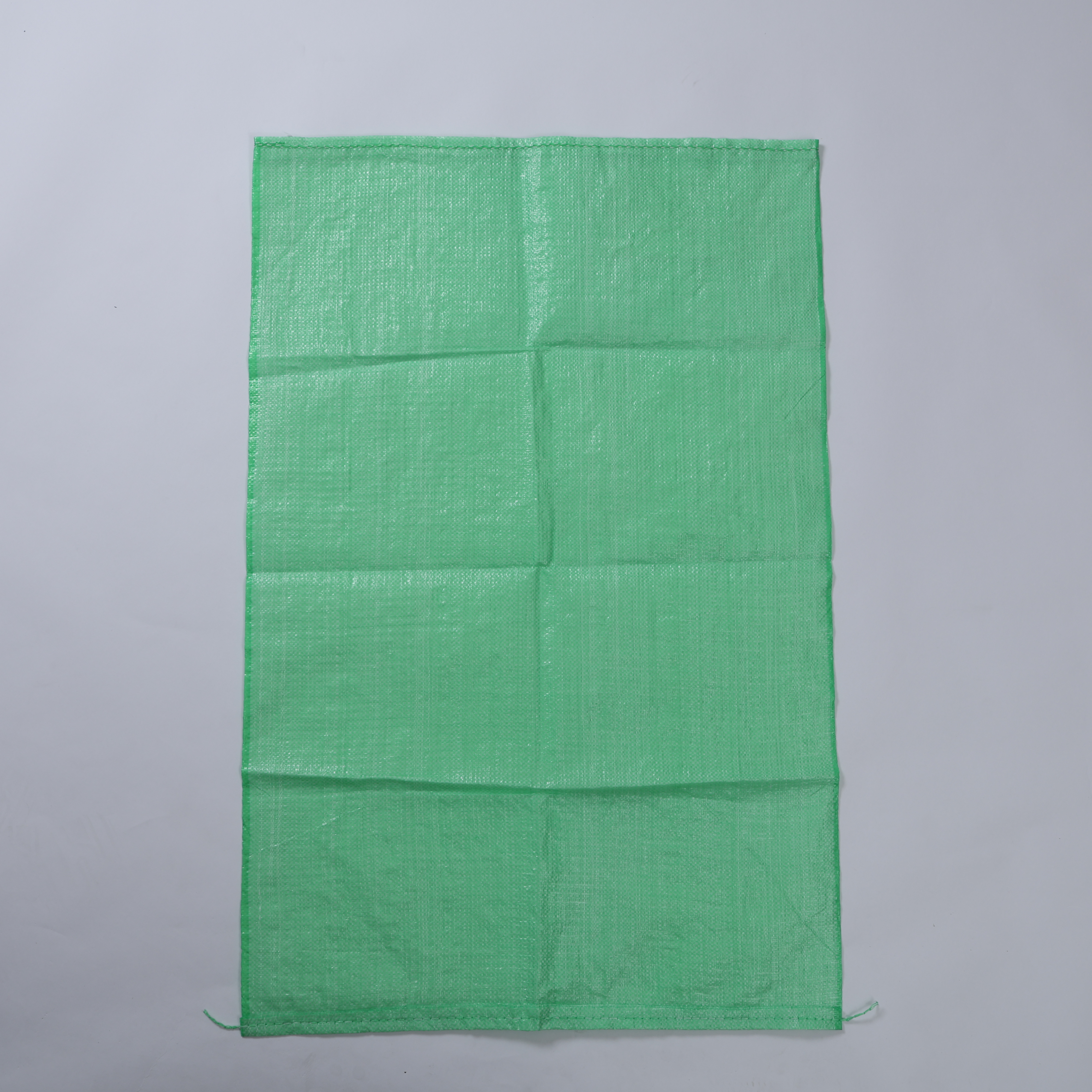
Choosing between valve cement bags and open mouth cement sacks represents a critical decision for plant operators managing material handling efficiency and operational costs. The type of cement packaging bags you select directly impacts production workflows, labor requirements, storage conditions, and overall facility performance. Understanding the distinct advantages and limitations of each design helps facilities optimize their cement packaging bags strategy to align with production volumes, environmental conditions, and budget constraints.
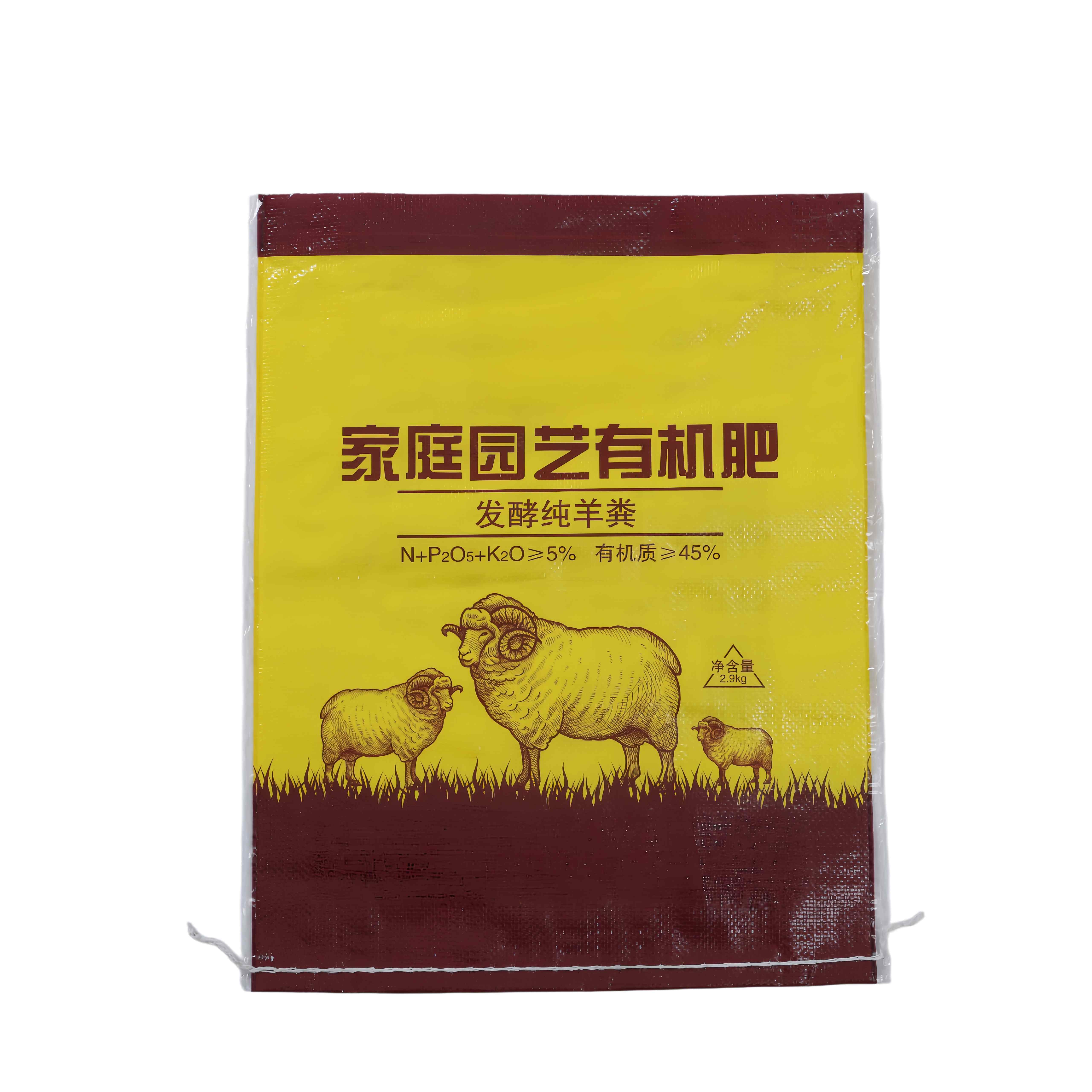
Both valve cement sack designs and open mouth cement sacks serve essential roles in industrial construction and manufacturing settings, yet they address different operational priorities. Valve designs offer controlled discharge and dust containment, while open mouth configurations prioritize accessibility and rapid filling. A pp cement bag engineered for heavy duty applications must balance protection during transport with practical handling characteristics that operators encounter daily.
Valve cement bags feature a pinched or sewn valve opening at the top, creating a sealed opening that remains closed until deliberately opened for discharge. This cement packaging bags design prevents product exposure during storage and transport, maintaining material integrity and reducing contamination risk. The valve mechanism typically employs a heat-sealed or stitched closure that operators open cleanly, allowing controlled material flow directly into mixers or storage vessels. Heavy duty cement bag construction using polypropylene woven material ensures the valve maintains its integrity throughout the supply chain and multiple handling cycles.
Valve-equipped cement sack designs significantly reduce dust generation when opening bags at loading facilities or job sites, creating healthier working conditions for personnel. The controlled opening mechanism means operators can portion material directly without spillage, reducing material loss and cleanup requirements. For plants processing high-volume cement operations, valve cement bags enable faster batch preparation since material flows directly into equipment without requiring transfer containers. Building material packaging using valve designs also protects product quality by preventing moisture infiltration and airborne contaminant exposure during the critical distribution phase.
Open mouth cement sacks represent the traditional pp cement bag configuration with a wide, unrestricted opening that provides immediate full access to the entire bag contents. This design prioritizes rapid filling at cement production facilities where conveyor systems and automated equipment fill bags in high-speed sequences. The absence of a valve mechanism reduces manufacturing complexity and material costs associated with valve components and sealing processes. Open mouth configurations allow operators to inspect bag contents visually before use and accommodate diverse handling equipment without compatibility considerations.
For plants prioritizing material cost reduction, open mouth cement sacks deliver significant savings because they eliminate valve components and specialized sealing operations required by valve designs. Heavy duty cement bag construction for open mouth versions uses reinforced stitching and durable polypropylene material to withstand handling impacts during rapid bag processing cycles. Building material packaging using open mouth designs enables faster filling operations because equipment operators need not navigate valve positioning or control mechanisms. Plants with established receiving procedures and covered storage facilities often find open mouth cement sacks provide optimal cost-to-performance ratio for their specific operational context.
Valve cement bags streamline operations in facilities where material handling occurs outdoors or in exposed environments, as the sealed design protects contents until the precise discharge moment. Plants managing sensitive applications requiring material traceability and minimal contamination risk find valve designs justify their higher material costs through reduced waste and improved product consistency. Open mouth cement sacks excel in high-throughput environments where bags move rapidly through automated systems and storage occurs in climate-controlled warehouses minimizing exposure risk. The pp cement bag selection ultimately depends on whether your plant prioritizes speed and economy or controlled handling and environmental protection.
Calculating total ownership cost requires examining not just bag purchase price but also labor time, material loss, equipment compatibility, and storage space efficiency. Valve cement bags reduce spillage and contamination losses, potentially offsetting their higher unit cost through improved material yield rates across multiple cement batches. Heavy duty cement bag durability in both designs ensures multiple handling cycles without degradation, though valve designs maintain superior product protection throughout the entire supply chain. Building material packaging strategy should account for your facility's specific climate conditions, production pace, and regulatory compliance requirements when comparing long-term efficiency outcomes.
Valve cement bags significantly reduce dust generation because the controlled opening mechanism eliminates the sudden exposure created when workers tear open open mouth cement sacks. The sealed valve contains dust within the discharge stream, directing material flow directly into equipment rather than dispersing particulates into the work environment. OSHA guidelines and occupational health standards increasingly favor heavy duty cement bag designs that minimize airborne cement dust, making valve configurations particularly suitable for facilities prioritizing worker safety compliance.
Yes, open mouth cement sacks work effectively with mechanical filling equipment because the unrestricted opening accommodates various nozzle sizes and filling mechanisms without compatibility issues. pp cement bag design for open mouth configurations specifically accommodates fast-fill applications where conveyor systems and automated equipment process hundreds of bags hourly. Heavy duty cement bag construction ensures the mouth remains properly positioned and structured throughout the filling process without collapsing or sealing around equipment connections.
Facilities with indoor, climate-controlled storage can safely use open mouth cement sacks because protected conditions eliminate moisture and contamination risks that valve designs prevent. Building material packaging decisions should prioritize valve cement bags when storage occurs outdoors, in humid environments, or during extended distribution periods where environmental exposure threatens product quality. pp cement bag selection based on storage conditions ensures you maximize efficiency by choosing the simplest design adequate for your specific facility conditions rather than over-specifying protection features you don't require.

Discover the 4 critical production metrics—throughput, defect rate, equipment uptime & on-time delivery—to vet factories confidently.

Ensure regulatory compliance & worker safety with proven methods for chemical woven bags—material selection, labeling, storage & training.

Discover the full PP woven bag manufacturing workflow—from extrusion & weaving to printing & QC. Boost efficiency, compliance & ROI. Download the process guide now.

Struggling with weak bags or high material waste? Master extrusion and tape drawing tech for stronger, cheaper PP woven bags. Optimize your production line now.

Struggling with defects or customer returns? Discover the 5 non-negotiable quality checkpoints across your woven bag production line
Which automation tier is right for your PP woven bag factory? Compare manual to Industry 4.0 systems for cost, quality, and scalability.
Get in touch for details on polypropylene woven bags and flexible packaging solutions.
Tel
Address
No.2015, Liaoyuan Building, Lanshan District, Linyi City, Shandong Province.China

