 EN
How to Assess Production Efficiency at a PP Woven Bag Factory
Discover the 4 critical production metrics—throughput, defect rate, equipment uptime & on-time delivery—to vet factories confidently.

2026/08/24
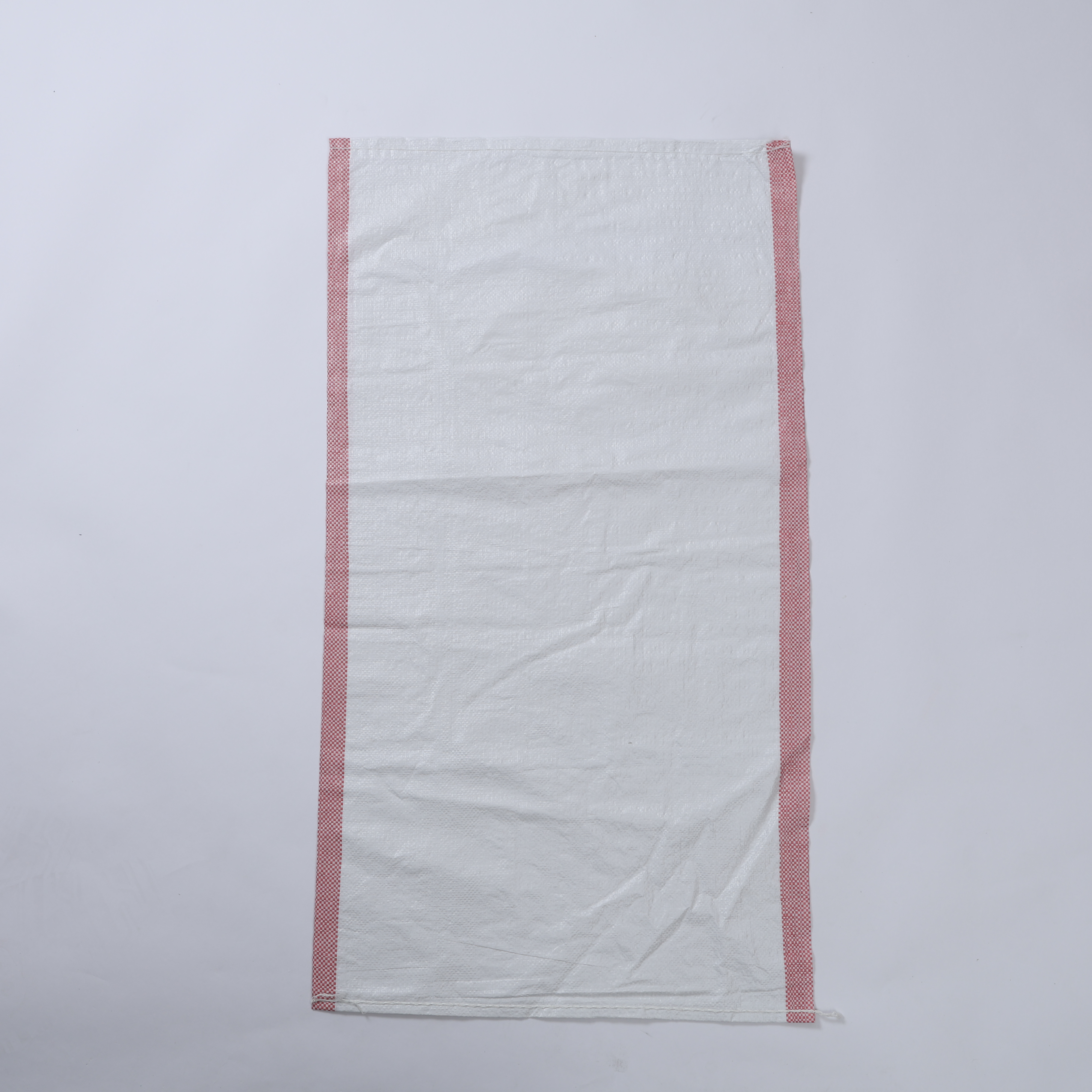
Choosing the right agricultural packaging bags is one of the most critical decisions for crop storage and distribution. The difference between ventilated and sealed agricultural packaging bags can directly impact crop quality, shelf life, and overall profitability. Understanding when to use each type ensures your produce reaches market in optimal condition, whether you are storing grains, vegetables, or specialty crops.
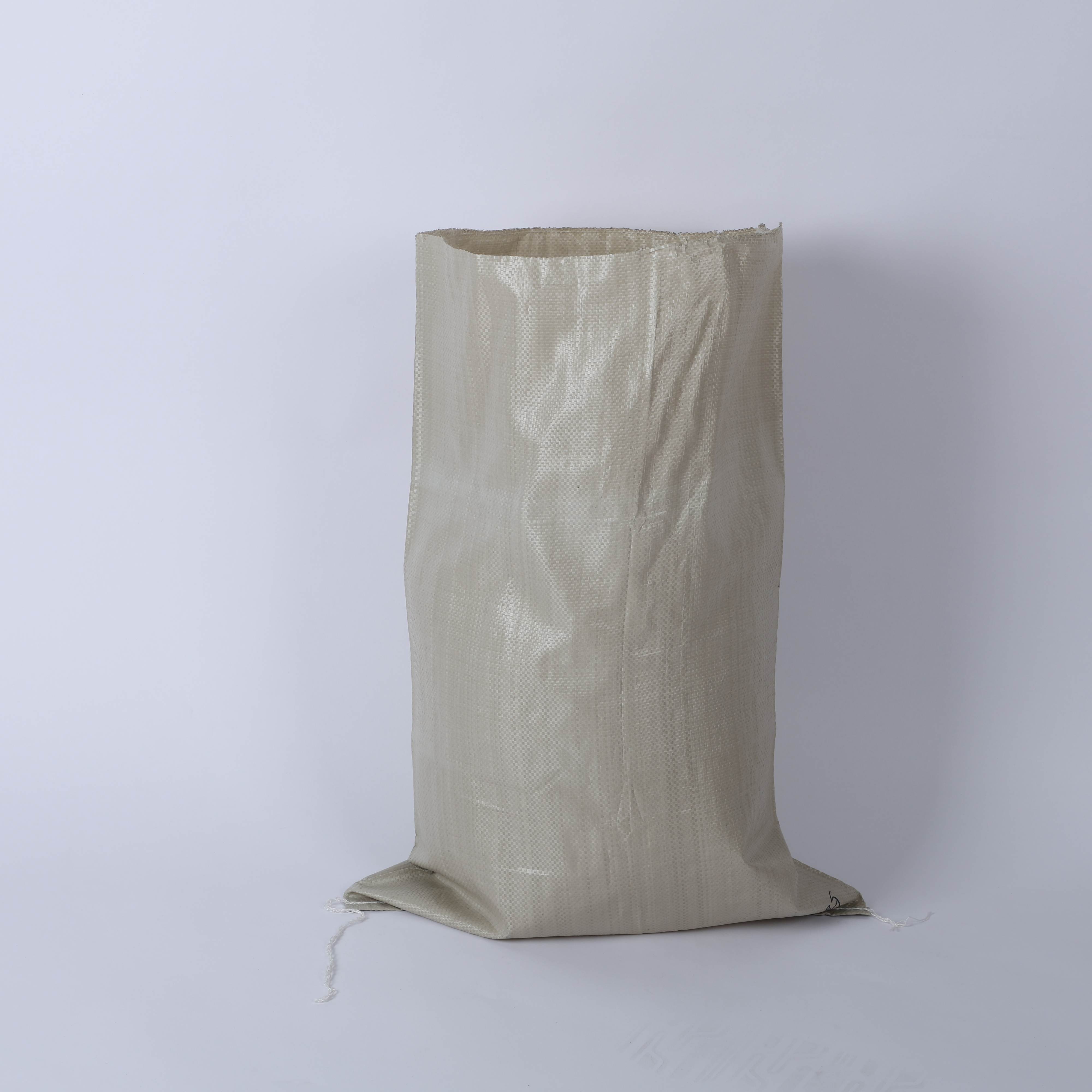
The selection between ventilated and sealed options depends on moisture content, respiration rates, storage duration, and climate conditions. Each farm packaging bag design serves distinct purposes in the supply chain. Modern pp agricultural packaging now offers solutions tailored to specific crop needs, making informed selection essential for minimizing waste and maintaining product value.
Ventilated agricultural packaging bags feature perforations or breathable weave patterns that allow continuous air circulation. This design permits moisture vapor and gases to escape, preventing condensation buildup inside the bag. For produce storage bags containing fresh fruits and vegetables, this airflow maintains proper humidity levels and reduces fungal growth. The pp agricultural packaging used in ventilated designs typically incorporates strategic perforation patterns that balance protection with breathability.
Fresh produce such as potatoes, onions, apples, and carrots benefit significantly from ventilated designs. These crops continue respiring after harvest, consuming oxygen and releasing carbon dioxide and moisture. A farm packaging bag with proper ventilation prevents ethylene gas accumulation, which can accelerate spoilage. Root vegetables and hardy produce stored in ventilated farm packaging maintain better texture, flavor, and nutritional quality throughout storage periods.
Sealed agricultural packaging bags create controlled environments that isolate contents from external humidity, pests, and contaminants. These crop packaging solutions employ heat-sealed closures or laminated layers that provide complete moisture barriers. The pp agricultural packaging used in sealed designs often includes multiple material layers, creating durability and extended shelf life. For products vulnerable to oxidation or requiring long-distance distribution, sealed agricultural packaging bags offer superior protection.
Grains, rice, flour, and dried commodities require sealed crop packaging solutions to prevent moisture reabsorption and pest infiltration. Coffee beans, nuts, and seeds maintain freshness and flavor through sealed environmental protection. The produce storage bag design for these products emphasizes barrier properties over breathability. Sealed agricultural packaging bags create stable conditions that prevent quality degradation across weeks or months of storage and transportation.
Agricultural packaging bags must match the moisture profile of both the product and storage environment. High-humidity regions favor sealed designs that prevent moisture infiltration, while low-humidity areas may benefit from ventilated farm packaging bag options. Temperature fluctuations create condensation risk, which ventilated pp agricultural packaging helps mitigate through continuous air exchange. Sealed crop packaging solutions protect against humidity spikes by maintaining internal equilibrium.
Short-distance, rapid-turnover distribution often supports ventilated agricultural packaging bags, as produce remains fresher with active respiration. Long-haul shipments across regions or continents necessitate sealed farm packaging bag designs that withstand environmental variations. Storage duration directly influences the choice: fresh produce destined for sale within days uses ventilated solutions, while bulk commodities stored for months require sealed agricultural packaging bags. The produce storage bag selected must align with the entire supply chain timeline.
Certain markets mandate specific pp agricultural packaging standards for food safety and traceability. Organic certification, import regulations, and retailer specifications may require sealed crop packaging solutions with documented barrier protection. Ventilated farm packaging bags must meet breathability standards while maintaining structural integrity under stacking weight. Understanding target market requirements ensures your chosen agricultural packaging bags comply with all applicable regulations and customer expectations.
No, ventilated and sealed agricultural packaging bags serve fundamentally different purposes. Using ventilated farm packaging bag for moisture-sensitive grains risks spoilage, while sealed crop packaging solutions for fresh produce can trap gases and accelerate spoilage. Each design addresses specific produce storage bag requirements based on product respiration, shelf life needs, and environmental factors. Proper selection prevents quality loss and financial loss.
Ventilated farm packaging bags typically extend freshness for fresh produce by 2–4 weeks under proper conditions, depending on crop type. Sealed agricultural packaging bags for dried commodities can maintain quality for 6–12 months or longer in stable environments. The pp agricultural packaging material quality, storage temperature, and humidity consistency further influence actual shelf life. Sealed crop packaging solutions generally provide longer protection due to controlled internal environments.
Assess your primary crops, typical storage duration, distribution distance, and target market requirements. Fresh produce destined for retail sales within weeks benefits from ventilated agricultural packaging bags, while bulk commodity storage requires sealed options. Consult your supply chain partners and regulatory bodies to confirm specific farm packaging bag requirements. Testing both ventilated and sealed pp agricultural packaging with sample crops helps identify the produce storage bag solution that best protects your product quality and margins.

Discover the 4 critical production metrics—throughput, defect rate, equipment uptime & on-time delivery—to vet factories confidently.

Ensure regulatory compliance & worker safety with proven methods for chemical woven bags—material selection, labeling, storage & training.

Discover the full PP woven bag manufacturing workflow—from extrusion & weaving to printing & QC. Boost efficiency, compliance & ROI. Download the process guide now.

Struggling with weak bags or high material waste? Master extrusion and tape drawing tech for stronger, cheaper PP woven bags. Optimize your production line now.

Struggling with defects or customer returns? Discover the 5 non-negotiable quality checkpoints across your woven bag production line
Which automation tier is right for your PP woven bag factory? Compare manual to Industry 4.0 systems for cost, quality, and scalability.
Get in touch for details on polypropylene woven bags and flexible packaging solutions.
Tel
Address
No.2015, Liaoyuan Building, Lanshan District, Linyi City, Shandong Province.China

