 EN
How to Assess Production Efficiency at a PP Woven Bag Factory
Discover the 4 critical production metrics—throughput, defect rate, equipment uptime & on-time delivery—to vet factories confidently.

2026/08/19
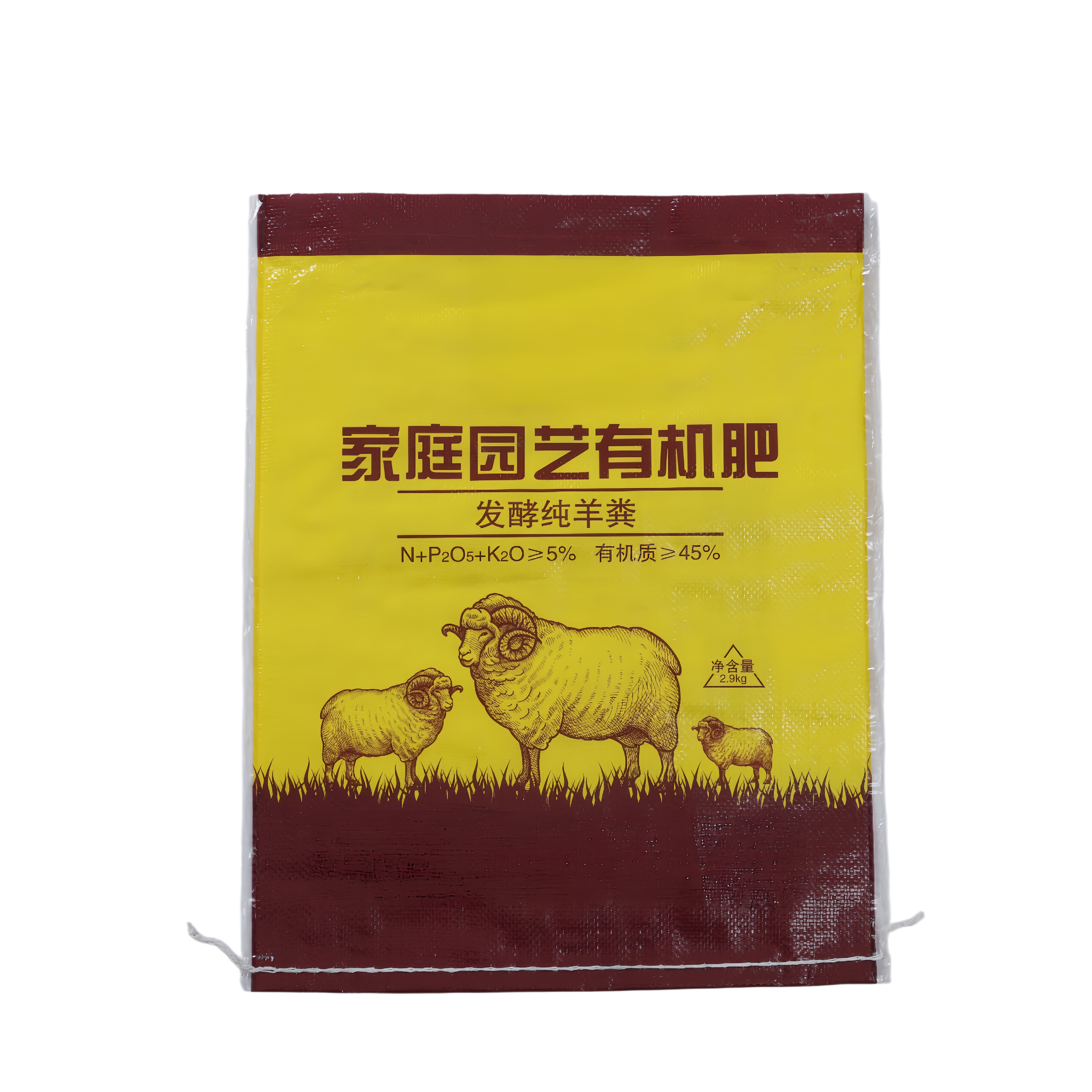
BOPP laminated bags are widely used across industries for packaging food, chemicals, textiles, and agricultural products due to their strength, moisture resistance, and professional appearance. However, manufacturers and end-users frequently encounter a frustrating problem: these bags crack or tear along the folding lines, compromising package integrity and product quality. Understanding why this happens and implementing targeted prevention strategies is critical for maintaining packaging performance and minimizing costly waste throughout the supply chain.
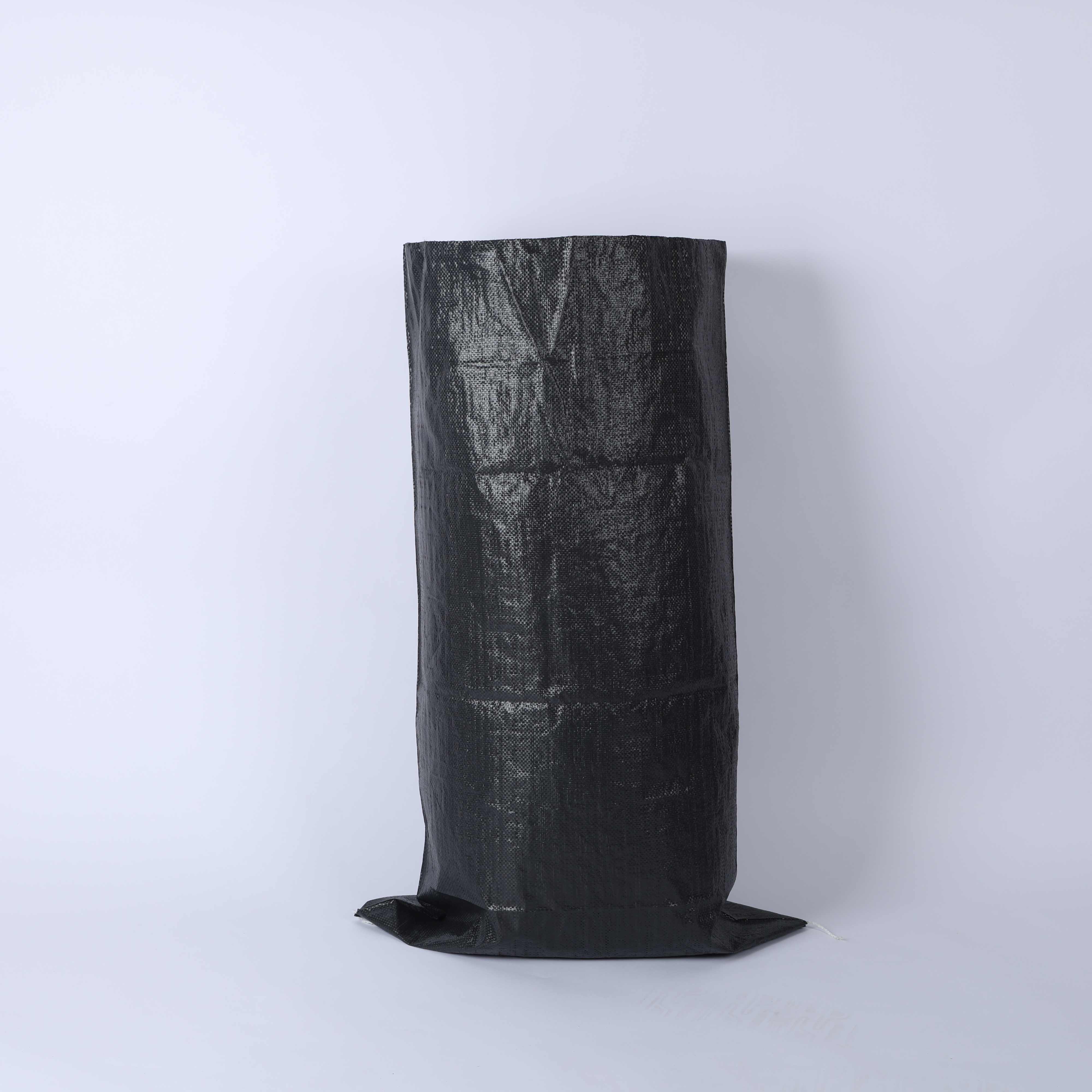
The cracking phenomenon occurs because of material stress concentration at fold points, where multiple layers of polypropylene film and adhesive layers experience tensile forces during forming, filling, and transport. When a BOPP laminated bags is folded, the polymer chains within the material are stretched and realigned, creating weak points that are more prone to splitting under pressure or impact.
The primary cause of cracking in laminated pp bag designs lies in the interaction between the BOPP film layer and the adhesive bond. When lamination occurs at improper temperatures or pressures, the adhesive layer may not achieve full molecular integration with the polypropylene surfaces, creating a delamination zone along the fold line. This weak interface becomes a stress concentration point that fails before the base material itself, causing characteristic splitting patterns that follow the exact fold geometry. BOPP woven bag constructions are especially vulnerable because they combine rigid woven structures with relatively brittle lamination coatings.
Environmental conditions during bag storage, transport, and use significantly impact polymer chain flexibility. Cold temperatures reduce the elasticity of polypropylene, making the material more brittle and susceptible to cracking when subjected to folding stress. Conversely, excessive humidity can cause micro-swelling in the adhesive layers and the paper or woven substrate, creating internal stresses that compound the brittleness effect. Printed woven bag designs are particularly sensitive because the ink layer adds a thin, rigid coating that further reduces the material's ability to flex without cracking at stress points.
When manufacturers apply printed graphics or protective coatings to BOPP packaging, they introduce additional material layers with different elastic moduli and thermal expansion rates. The printed ink film cures to a hardness that does not match the inherent flexibility of the base BOPP woven bag material, creating a composite structure prone to delamination at interfaces. The coating layers act as stress risers that concentrate mechanical loads at fold lines rather than distributing them uniformly across the bag width. This layered-structure mismatch is a leading reason why custom printed woven bag designs often experience higher cracking rates than unprinted alternatives.
The adhesive formulation used to bond BOPP film to substrate materials directly influences fold-line durability. Under-cured adhesives remain tacky and weak, while over-cured adhesives become brittle and inflexible. The optimal adhesive must achieve a balance between bond strength and resilience, allowing the laminate structure to flex slightly without rupturing at stress concentration points. BOPP laminated bags manufactured with formulations tuned for static strength often fail under dynamic folding cycles because the adhesive network lacks the molecular chain flexibility required to absorb cyclic bending strain.
One effective prevention approach involves introducing reinforcement at anticipated fold locations. Some manufacturers embed narrow strips of flexible polymeric material across the interior of printed woven bag structures at predetermined fold lines, creating stress distribution zones that prevent crack initiation. Alternatively, laminated pp bag designs can be optimized by using thicker or more flexible BOPP films at fold regions, or by reducing ink coating density in those areas to preserve material elasticity. Computer-aided design and finite element analysis now allow manufacturers to model stress distribution patterns and identify critical failure zones before production begins.
Modern BOPP woven bag manufacturers are adopting specially formulated adhesives that retain elasticity across wider temperature ranges and humidity conditions. These advanced formulations incorporate flexible polymer chains and plasticizers that allow the laminate bond to move with the substrate without rupturing. Plasma surface treatment of the BOPP film prior to lamination improves adhesive wetting and creates more uniform, defect-free bond lines that distribute stress more evenly. Bopp packaging that undergoes this surface preparation typically shows 40 to 60 percent improvement in fold-line durability compared to standard lamination methods.
Precision in lamination temperature, pressure, and nip roll spacing is essential for creating consistent bond lines that resist fold-induced cracking. BOPP laminated bags produced under tight process control experience fewer defects because adhesive curing is uniform and the laminate structure maintains consistent mechanical properties across the entire sheet. Manufacturers should also select BOPP films with lower hardness values and higher elongation-at-break ratings when designing laminated pp bag products intended for applications involving frequent folding or handling stress. Quality assurance protocols should include repeated fold tests and environmental cycling trials to verify durability before full production deployment.
Fold lines create geometric stress concentration zones where the material bends acutely, causing polymer chains and adhesive layers to reach their maximum extension simultaneously. Unlike flat surfaces, fold regions experience cumulative strain from multiple directions—stretching, compression, and shear—all concentrated in a narrow band. The adhesive bond at the fold is weakest because the lamination process does not anticipate this extreme bending stress, and the adhesive's molecular network cannot relax quickly enough to prevent crack initiation when the bag is flexed or handled repeatedly.
Yes, thicker BOPP films generally provide greater resistance to fold-line cracking because they distribute bending stresses over a larger cross-sectional area, reducing local strain intensity. Additionally, BOPP films manufactured with lower crystallinity or wider molecular weight distributions exhibit greater elongation-at-break properties, allowing them to flex without immediate rupture. However, increasing film thickness raises material costs and bag weight, so manufacturers must balance durability improvements against economic constraints by testing specific film grades and thickness values for their intended application.
Cold storage temperatures below 10 degrees Celsius reduce polymer chain mobility and make the BOPP film and adhesive layers significantly more brittle, increasing crack susceptibility when bags are handled or folded. High humidity environments cause the paper substrate and adhesive to absorb moisture, creating internal swelling stresses that pre-stress the laminate structure and reduce its remaining tolerance for additional folding strain. Bags stored in controlled temperature and humidity ranges (between 18 and 25 degrees Celsius with 40 to 60 percent relative humidity) consistently demonstrate superior fold-line durability compared to bags exposed to temperature or humidity extremes.

Discover the 4 critical production metrics—throughput, defect rate, equipment uptime & on-time delivery—to vet factories confidently.

Ensure regulatory compliance & worker safety with proven methods for chemical woven bags—material selection, labeling, storage & training.

Discover the full PP woven bag manufacturing workflow—from extrusion & weaving to printing & QC. Boost efficiency, compliance & ROI. Download the process guide now.

Struggling with weak bags or high material waste? Master extrusion and tape drawing tech for stronger, cheaper PP woven bags. Optimize your production line now.

Struggling with defects or customer returns? Discover the 5 non-negotiable quality checkpoints across your woven bag production line
Which automation tier is right for your PP woven bag factory? Compare manual to Industry 4.0 systems for cost, quality, and scalability.
Get in touch for details on polypropylene woven bags and flexible packaging solutions.
Tel
Address
No.2015, Liaoyuan Building, Lanshan District, Linyi City, Shandong Province.China

