 EN
How to Assess Production Efficiency at a PP Woven Bag Factory
Discover the 4 critical production metrics—throughput, defect rate, equipment uptime & on-time delivery—to vet factories confidently.

2026/08/12
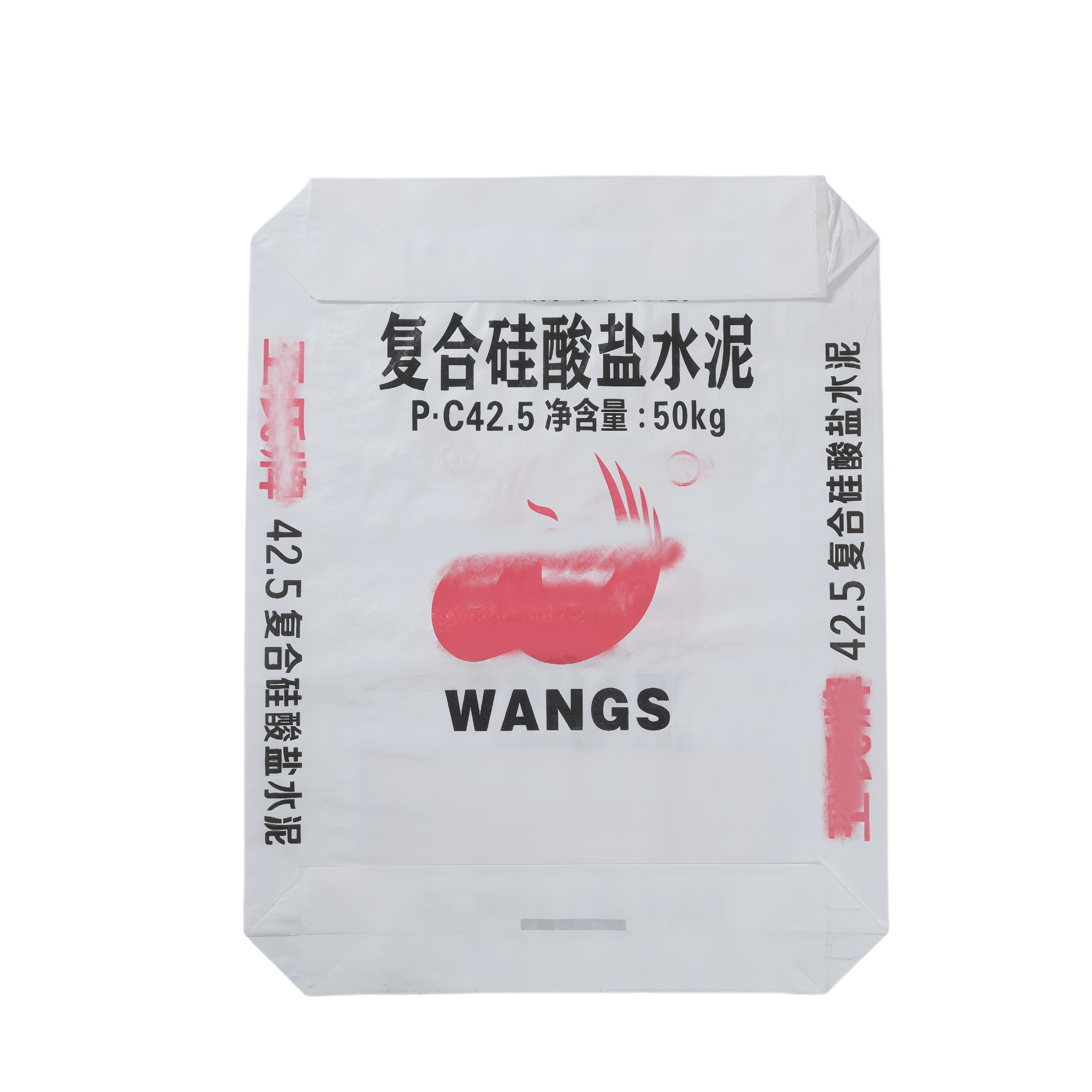
Moisture absorption is one of the most persistent challenges facing construction and manufacturing operations that rely on cement storage. A cement bag absorbs moisture from the air through hygroscopic properties inherent to Portland cement and the materials used in packaging. Understanding why this happens and implementing effective prevention measures is essential for maintaining product quality, reducing waste, and protecting your project timeline and budget.
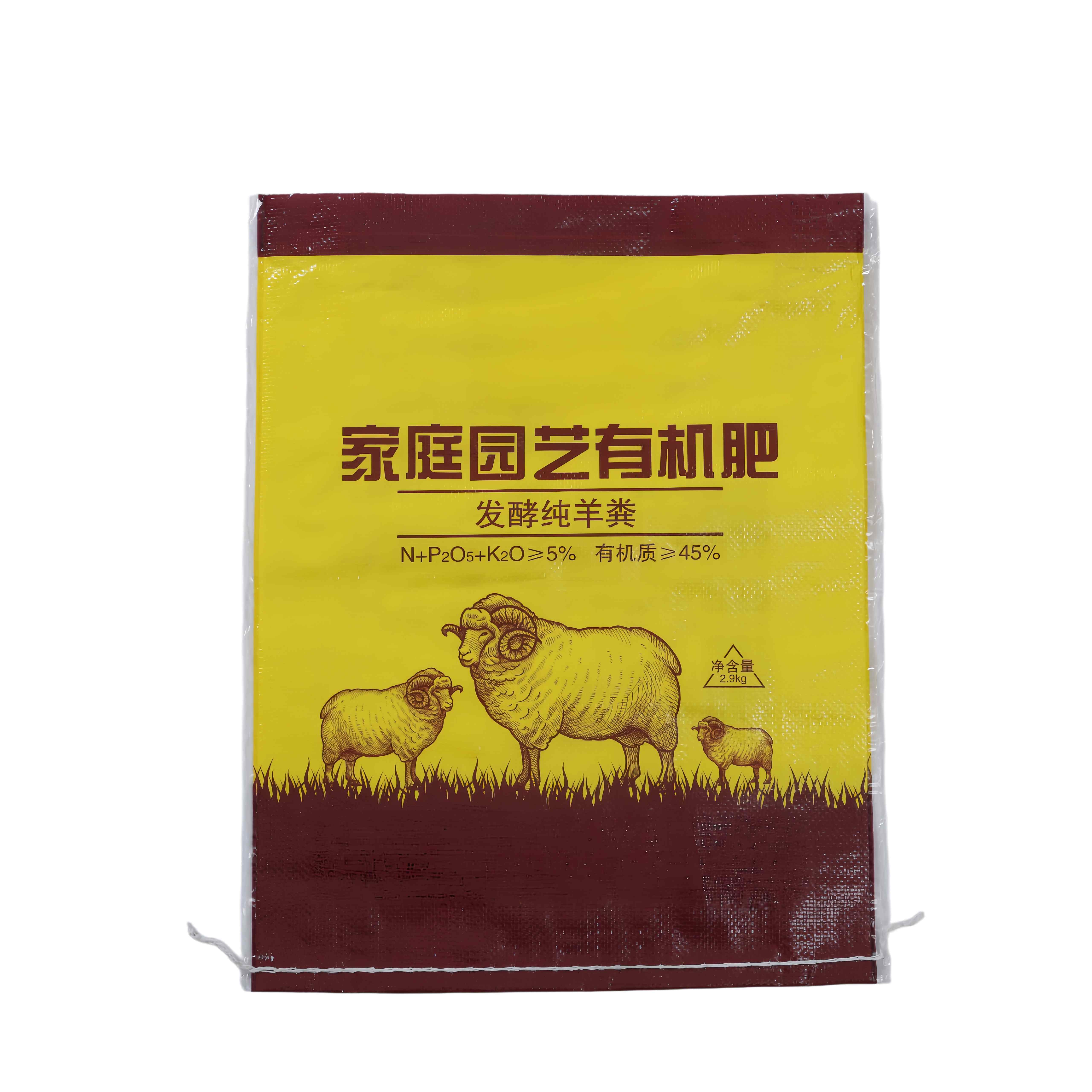
Caking—the hard clumping that renders cement unusable—occurs when moisture chemically reacts with cement particles. A heavy duty cement bag must provide robust protection against environmental moisture, yet many standard packaging solutions fail under humid or variable climate conditions. This article explores the science behind cement moisture absorption, examines how packaging design influences storage performance, and outlines actionable strategies to minimize product loss and maintain cement integrity throughout the supply chain.
Portland cement contains calcium silicates and other compounds that naturally attract and retain water molecules from surrounding air. This hygroscopic behavior means a cement woven bag will gradually equilibrate with ambient humidity levels unless properly sealed and protected. The rate of moisture uptake depends on relative humidity, temperature fluctuations, air circulation, and the duration of exposure. In tropical climates or coastal regions where humidity exceeds 70–80%, moisture ingress accelerates significantly within days of production.
When cement absorbs moisture, the free lime and other reactive phases begin hydrating prematurely. This early hydration reduces the cement's ability to bind aggregates and develop strength in concrete. A pp cement sack manufactured with inadequate barrier properties cannot prevent this chemical deterioration, leading to clumping and reduced yield when the material reaches the job site. Industrial operations have documented cement strength loss of 15–25% when moisture exposure exceeds critical thresholds over extended storage periods.
Standard polypropylene woven bags, while cost-effective, possess inherent permeability to water vapor. Water molecules migrate through the polymer structure via diffusion, especially under conditions of high humidity differential between inside and outside the bag. A building material bag designed without multi-layer barrier coatings allows moisture vapor transmission rates of 20–40 grams per square meter per 24 hours at standard test conditions. Over a period of weeks or months in warm, humid environments, this cumulative vapor transmission can elevate internal cement moisture content from acceptable levels (0.5–1.5%) to problematic ranges (3–5%), triggering premature hydration and caking initiation.
When water penetrates a heavy duty cement bag, it initiates hydration reactions between cement phases and moisture. Free lime (calcium oxide) and tricalcium silicate begin forming calcium hydroxide and calcium silicate hydrate gel. These reaction products bind cement particles together into hard, dense lumps that cannot be easily broken apart or dispersed in concrete. Small clumps may pass through standard sieves, creating inconsistent batch properties and reducing concrete performance. Severe caking renders entire bags of cement unusable, representing direct financial loss and project delays.
The kinetics of caking accelerate exponentially with temperature. For every 10°C rise, hydration reaction rates typically double, meaning storage in warm, humid environments causes dramatic deterioration within weeks. A pp cement sack stored at 25°C and 80% relative humidity will develop visible clumping faster than the same material stored at 15°C and 60% humidity. Industrial testing shows that cement moisture content above 2% guarantees caking within 30–60 days under tropical storage conditions, whereas moisture below 1% remains stable for 6–12 months even in challenging environments.
Caked cement directly impacts construction economics and safety. Broken clumps introduce variability in concrete mixes, leading to inconsistent strength development, reduced workability, and potential structural defects. Quality control laboratories reject batches containing caked cement, forcing contractors to source replacement material at premium cost and short notice. Building codes and project specifications require cement moisture content below 1%, making moisture-damaged cement non-conforming regardless of its original quality. A cement woven bag that fails to maintain this standard creates cascading supply chain disruptions and warranty liability.
The foundation of moisture prevention begins with proper packaging selection. A heavy duty cement bag constructed with multiple layers—polypropylene woven substrate, low-density polyethylene inner coating, and specialized moisture barrier film—reduces water vapor transmission by 80–95% compared to single-layer alternatives. Multi-wall construction with kraft paper inner liners further enhances moisture resistance and provides additional mechanical protection during handling. Modern pp cement sack designs incorporate integrated desiccant sachets or oxygen absorbers, creating a microenvironment with controlled humidity that maintains cement moisture below critical thresholds throughout extended storage windows.
Selecting a building material bag with documented moisture barrier properties requires specification of water vapor transmission rate, tensile strength, and puncture resistance values. Compliance with international standards such as ISO 2326 or EN 1868 ensures packaging consistency across suppliers and geographies. Industrial cement producers increasingly specify high-barrier pp cement sack formats with laminated aluminum foil or metallized polyester inner liners, achieving vapor transmission rates below 5 grams per square meter per 24 hours and extending shelf life to 12–24 months under normal conditions.
Beyond packaging, environmental management at the warehouse or construction site is critical. Cement bags must be stored in covered, ventilated facilities with roof protection that prevents direct exposure to rain and morning dew condensation. Relative humidity should remain below 65% where feasible, achieved through natural air circulation, mechanical ventilation, or desiccant dehumidification systems in high-moisture climates. Stacking height, pallet configuration, and airflow patterns directly influence microclimate conditions around stored cement, with best practice calling for pallets elevated on racks rather than floor placement to prevent capillary moisture wicking from concrete floors.
Inventory rotation using first-in-first-out (FIFO) protocols ensures cement reaches job sites before extended storage amplifies moisture absorption risks. Shipment scheduling aligned with weather windows—avoiding monsoon seasons or peak humidity periods—reduces exposure duration. Documentation of storage conditions, including periodic humidity and temperature monitoring, provides traceability should caking issues arise during construction. A cement bag stored under documented optimal conditions (temperature 5–30°C, relative humidity 40–60%, covered and ventilated space) maintains quality throughout contractual shelf-life guarantees, whereas uncontrolled storage frequently violates these parameters within the first 4–6 weeks.
Transport vehicles and containers must provide weather protection and vapor barrier integrity throughout the supply chain. Sealed shipping containers with silica gel desiccant liners protect cement woven bag shipments during long-distance transport, particularly across maritime routes where humidity and temperature fluctuate significantly. Container ventilation plugs prevent condensation buildup while allowing pressure equalization. Upon arrival, cement should be unloaded promptly and transferred to permanent covered storage rather than remaining exposed on job sites in temporary conditions. Handling equipment must minimize bag punctures, which compromise barrier performance and allow direct moisture ingress even in well-controlled facilities.
Cement caking in sealed bags occurs when packaging barrier properties are insufficient to prevent water vapor transmission. Standard single-layer polypropylene woven bags allow moisture to migrate through the polymer matrix via molecular diffusion, especially under high humidity differentials. Over weeks or months, accumulated moisture initiates hydration reactions that bind cement particles into hard clumps. Only multi-layer barrier construction with documented low vapor transmission rates prevents this deterioration.
Industry standards specify cement moisture content below 1.0% by mass for safe storage. Moisture levels between 1.0–2.0% accelerate caking risk, while content above 2.0% virtually guarantees caking within 30–90 days depending on storage temperature and humidity. Laboratory testing of cement samples from storage facilities provides definitive measurement using loss-on-ignition methods or Karl Fischer titration, enabling corrective action before significant degradation occurs.
Mildly caked cement may be broken into smaller particles and sieved to remove clumps, restoring partial usability. However, cement that has undergone extensive hydration cannot be fully restored to original performance characteristics. Most construction projects reject reclaimed cement due to strength loss and quality variability, making prevention through proper packaging and storage far more economical than attempting recovery of damaged material.

Discover the 4 critical production metrics—throughput, defect rate, equipment uptime & on-time delivery—to vet factories confidently.

Ensure regulatory compliance & worker safety with proven methods for chemical woven bags—material selection, labeling, storage & training.

Discover the full PP woven bag manufacturing workflow—from extrusion & weaving to printing & QC. Boost efficiency, compliance & ROI. Download the process guide now.

Struggling with weak bags or high material waste? Master extrusion and tape drawing tech for stronger, cheaper PP woven bags. Optimize your production line now.

Struggling with defects or customer returns? Discover the 5 non-negotiable quality checkpoints across your woven bag production line
Which automation tier is right for your PP woven bag factory? Compare manual to Industry 4.0 systems for cost, quality, and scalability.
Get in touch for details on polypropylene woven bags and flexible packaging solutions.
Tel
Address
No.2015, Liaoyuan Building, Lanshan District, Linyi City, Shandong Province.China

