 EN
How to Assess Production Efficiency at a PP Woven Bag Factory
Discover the 4 critical production metrics—throughput, defect rate, equipment uptime & on-time delivery—to vet factories confidently.

2026/08/10
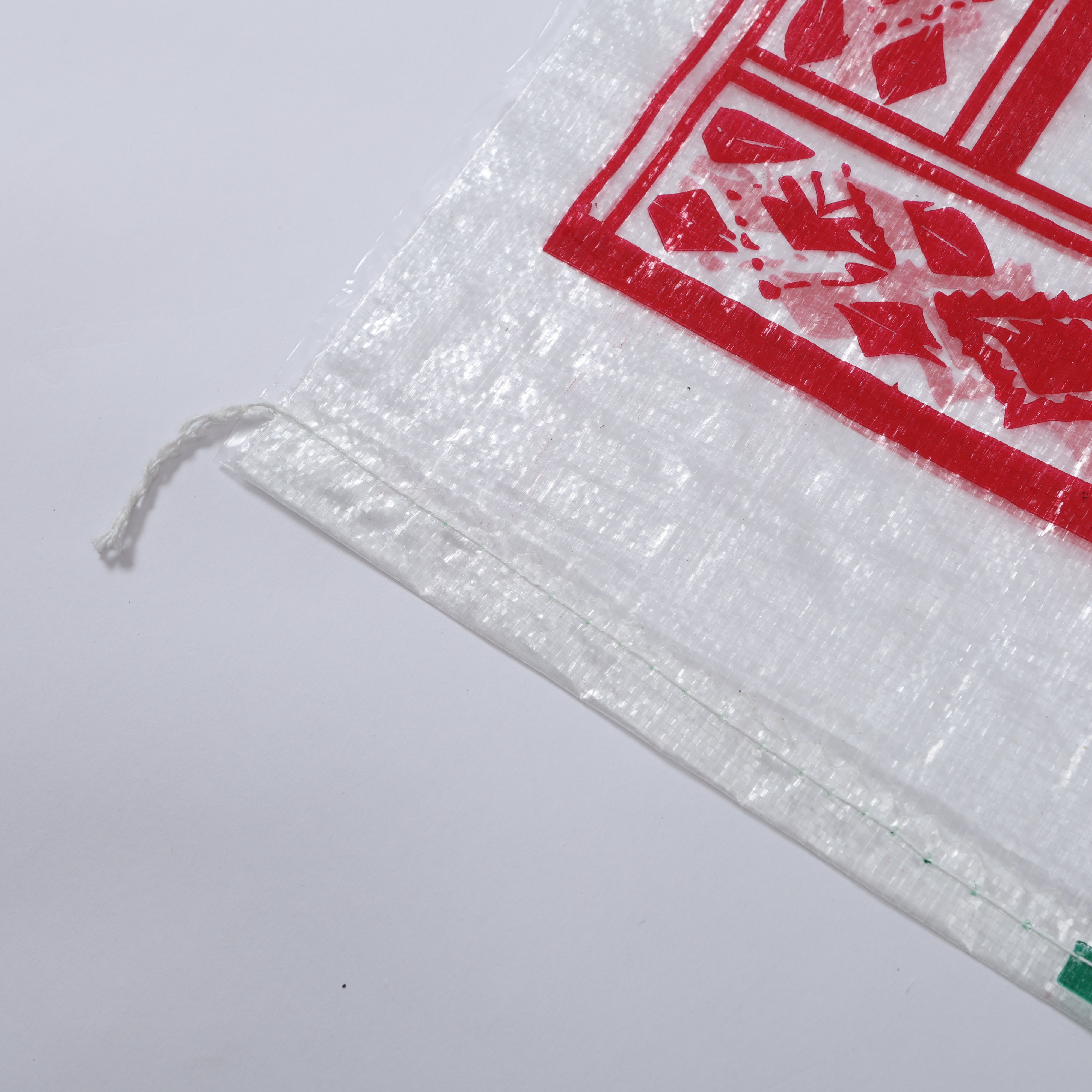
Mold development in corn bag storage represents one of the most significant challenges facing grain producers and agricultural businesses worldwide. When moisture infiltrates a corn packaging bag, fungal growth becomes inevitable, leading to substantial economic losses, reduced crop quality, and potential health risks for both livestock and human consumption. Understanding the root causes of mold development is essential for anyone involved in grain handling, storage, or distribution.
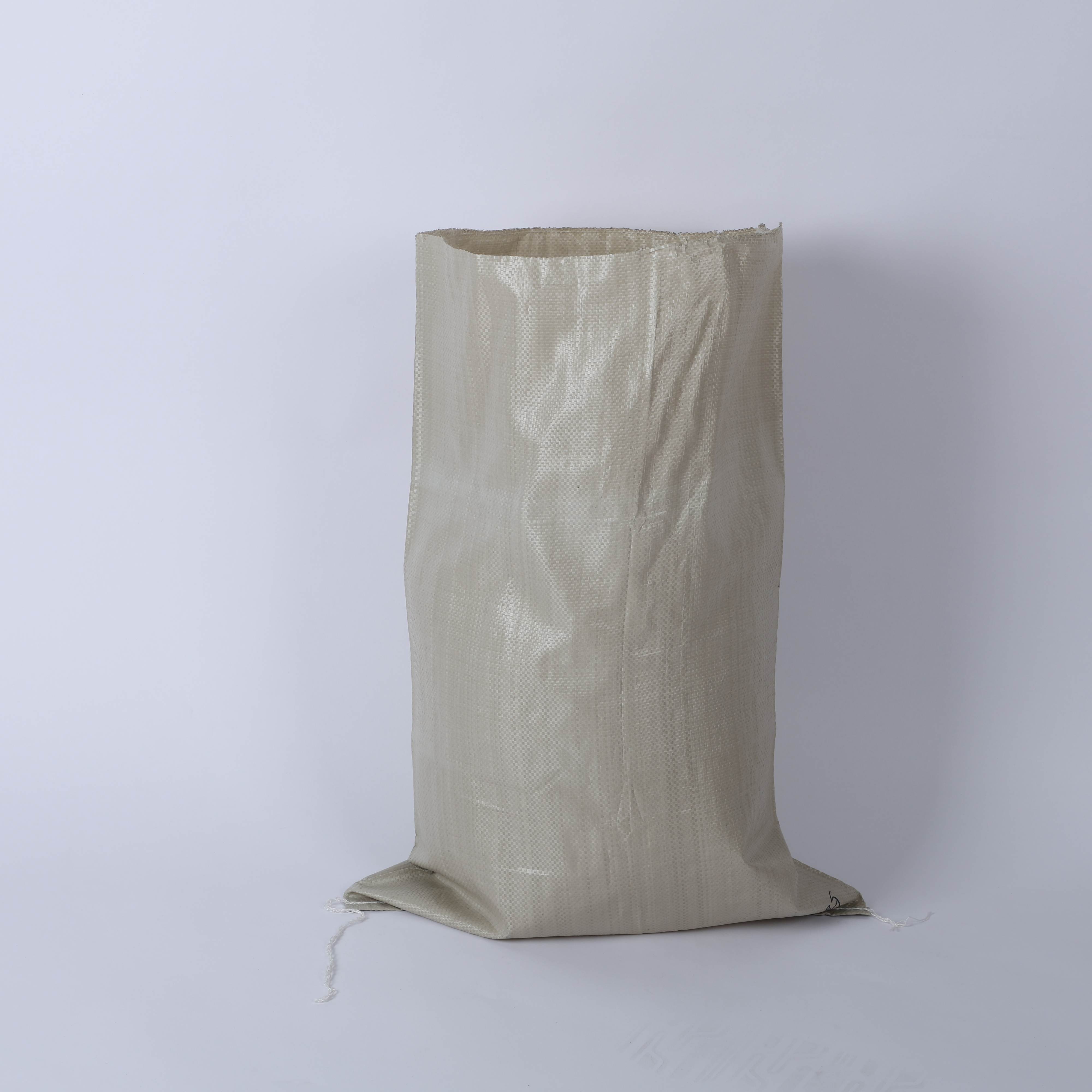
The problem extends beyond simple surface contamination. Mold spores thrive in warm, humid environments, and improperly sealed or damaged corn storage bags create ideal conditions for fungal proliferation. A grain woven bag that lacks adequate moisture barriers or ventilation becomes a breeding ground for mold colonies that spread rapidly throughout the stored grain. This article explores why mold develops in corn bags, the specific risk factors that accelerate spoilage, and practical prevention strategies that protect your grain investment.
Moisture is the critical factor enabling mold development in any corn storage environment. When water enters a pp corn bag through condensation, external rain, or high ambient humidity, the grain inside absorbs this moisture and reaches levels that support fungal colonization. Mold requires moisture content above approximately 14 percent to germinate and spread, making moisture control the cornerstone of effective grain preservation strategies.
External water infiltration can occur through multiple pathways. Damaged seams, tiny punctures, or loose closures in a corn packaging bag allow rainwater and moisture-laden air to penetrate the interior. Even breathable grain woven bags designed for traditional storage may become problematic in high-humidity climates or during rainy seasons when moisture accumulation accelerates beyond the bag's protective capacity.
Temperature fluctuations create another moisture pathway that many storage managers overlook. When a sealed corn bag experiences significant temperature changes between day and night, the warm air inside cools rapidly, causing water vapor to condense on the inner walls and grain surface. This internal moisture accumulation can initiate mold growth even when external conditions appear dry. Over time, condensation transforms the interior environment into a humid microclimate that accelerates fungal colonization throughout the stored grain.
Mold thrives when temperatures remain between 50 and 80 degrees Fahrenheit, with humidity levels exceeding 70 percent relative humidity. These conditions are common in many agricultural storage settings, particularly in regions with seasonal humidity peaks or inadequate climate control. A pp corn bag stored in such environments becomes increasingly vulnerable to rapid mold colonization, with fungal growth potentially doubling in density every few days under optimal conditions.
The combination of moisture and moderate temperatures creates an exponential risk scenario. A grain storage bag containing corn at 15 percent moisture in a 75-degree warehouse with 75 percent relative humidity will experience accelerated mold development within one to two weeks. This timeline compresses further if temperatures rise or if the corn packaging bag sits exposed to direct sunlight, which can increase interior temperatures and accelerate metabolic processes that support fungal growth.
Corn arriving at storage facilities often contains dormant mold spores from field conditions, harvesting practices, or earlier processing stages. A corn storage bag filled with grain already containing spore populations enters a race against time, particularly if moisture levels climb. Even grain that appears clean and dry may harbor millions of fungal spores waiting for moisture activation, making prevention through moisture control absolutely essential rather than optional.
High-quality pp corn bags manufactured from multi-layer polypropylene provide significantly better moisture resistance than traditional woven alternatives. A modern corn bag incorporating moisture barriers, sealed seams, and reinforced construction offers superior protection against both external water infiltration and internal condensation accumulation. These engineered grain woven bag designs specifically address the environmental factors that trigger mold development, making material selection a critical first step in spoilage prevention.
When evaluating corn packaging bag options, prioritize construction features that minimize moisture pathways. Sealed stitching, reinforced corners, and impermeable inner liners create multiple defensive layers against moisture intrusion. A grain storage bag featuring these characteristics maintains lower internal humidity levels even in challenging external conditions, directly reducing the timeframe during which mold can establish itself and spread through stored corn.
Reducing initial grain moisture content before filling corn bags represents the most effective prevention approach. Proper drying to moisture levels between 12 and 13 percent substantially reduces mold risk regardless of external humidity conditions. Once dried grain enters a pp corn bag, maintaining storage temperature stability and ensuring adequate ventilation around stacked bags prevents condensation formation and temperature-driven moisture migration.
Storage location decisions dramatically impact spoilage rates. A grain woven bag stored in a climate-controlled facility with consistent temperature and humidity levels dramatically outperforms bags stored in open warehouses or outdoor environments exposed to temperature swings. Additionally, maintaining airflow around stacked corn bags prevents localized humidity pockets from forming, which is particularly important in high-density storage arrangements where air circulation becomes restricted.
Regular monitoring through moisture measurement and visual inspection catches early warning signs before mold becomes established. A corn storage bag showing signs of condensation, unusual odor, or surface discoloration requires immediate investigation and potential relocation to drier conditions. Implementing scheduled inspection protocols transforms reactive damage control into proactive risk management that protects grain quality and storage investment.
Mold begins germinating when grain moisture content reaches approximately 14 percent, with rapid proliferation occurring above this threshold. Keeping corn storage bags filled with grain dried to 12 to 13 percent moisture significantly reduces mold risk. Even brief periods of moisture elevation above this critical level can activate dormant spores already present in the grain, making moisture control the primary defense mechanism against fungal spoilage.
Prevent condensation by ensuring stored grain reaches target moisture levels before bagging and by maintaining stable storage temperatures that minimize day-night fluctuations. A corn bag stored in climate-controlled facilities experiences less condensation than bags exposed to outdoor temperature swings. Additionally, selecting pp corn bag designs with moisture barriers and inner linings reduces condensation contact with grain, and positioning bags to allow adequate airflow helps dissipate any moisture that does accumulate.
Inspect corn storage bags at minimum monthly during storage periods, with increased frequency during high-humidity seasons or temperature-volatile months. Early detection of moisture issues, unusual odors, or visible mold growth allows corrective action before widespread spoilage occurs. A grain woven bag showing condensation should be relocated immediately to drier conditions or opened for grain drying, preventing total crop loss and protecting your agricultural investment.

Discover the 4 critical production metrics—throughput, defect rate, equipment uptime & on-time delivery—to vet factories confidently.

Ensure regulatory compliance & worker safety with proven methods for chemical woven bags—material selection, labeling, storage & training.

Discover the full PP woven bag manufacturing workflow—from extrusion & weaving to printing & QC. Boost efficiency, compliance & ROI. Download the process guide now.

Struggling with weak bags or high material waste? Master extrusion and tape drawing tech for stronger, cheaper PP woven bags. Optimize your production line now.

Struggling with defects or customer returns? Discover the 5 non-negotiable quality checkpoints across your woven bag production line
Which automation tier is right for your PP woven bag factory? Compare manual to Industry 4.0 systems for cost, quality, and scalability.
Get in touch for details on polypropylene woven bags and flexible packaging solutions.
Tel
Address
No.2015, Liaoyuan Building, Lanshan District, Linyi City, Shandong Province.China

