 EN
How to Assess Production Efficiency at a PP Woven Bag Factory
Discover the 4 critical production metrics—throughput, defect rate, equipment uptime & on-time delivery—to vet factories confidently.

2026/08/20
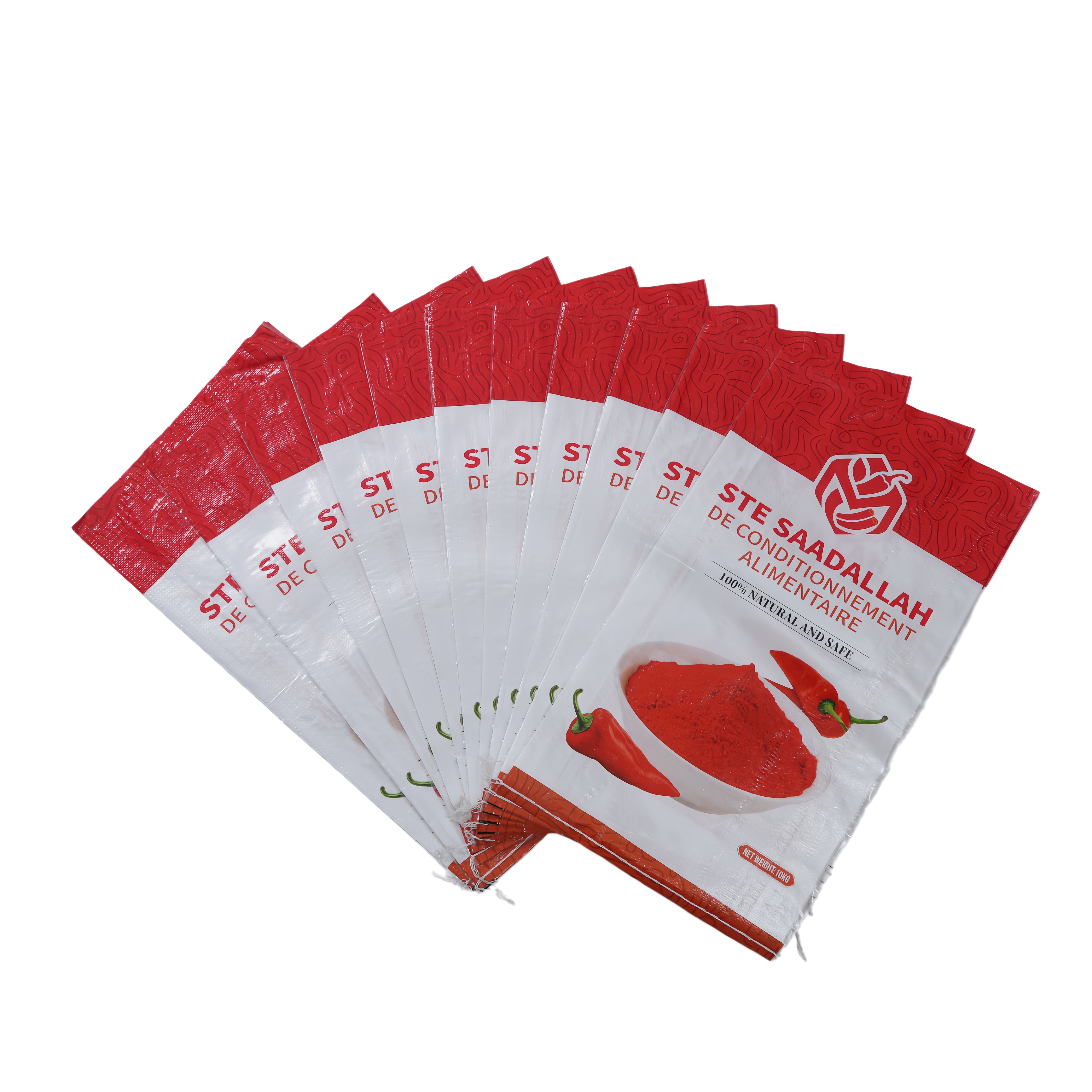
Custom print orders at rice bag manufacturing facilities often encounter unexpected delays that can disrupt supply chains and frustrate procurement teams. Understanding the root causes behind these delays is essential for businesses relying on consistent delivery timelines. Whether you work with a rice bag manufacturer or manage inventory logistics, delays in custom orders can create cascading problems throughout your distribution network. This article explores the primary factors causing delays in custom rice bag production and offers practical insights to help you navigate these challenges more effectively.
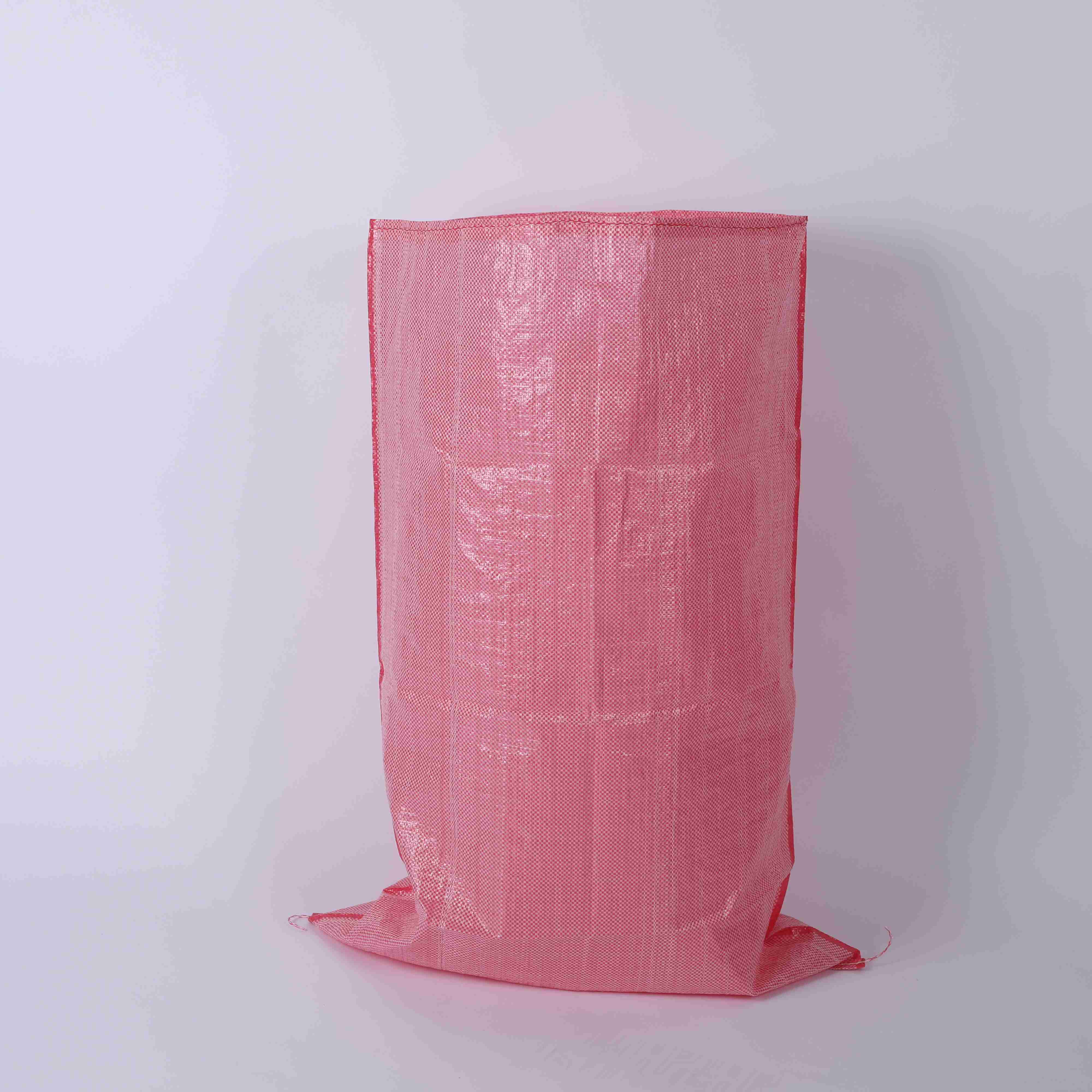
When you select a rice packaging supplier for custom orders, you enter a complex production environment where dozens of variables influence final delivery dates. A rice bag factory must balance material sourcing, printing setup, quality checks, and shipping coordination simultaneously. Many delays stem not from incompetence but from the inherent complexity of managing custom orders in facilities designed primarily for high-volume, standardized production. Recognizing these bottlenecks helps you set realistic expectations and work proactively with suppliers to minimize timeline impact.
The foundation of any rice bag manufacturer's production schedule depends entirely on material availability. Custom rice bag orders typically require specific materials like polypropylene woven fabric, laminate liners, or specialty films that may not be stocked in large quantities. A rice packaging supplier must often order these materials from upstream suppliers, introducing lead time that most customers don't anticipate. If a particular raw material becomes temporarily unavailable, the entire custom order can stall while the factory waits for restocking.
Furthermore, quality specifications for custom rice bag production sometimes demand materials that only a few regional suppliers can provide. This narrowed supplier base means longer procurement windows and vulnerability to supply disruptions. When multiple customers request similar materials simultaneously, competition for limited stock can push your order further back in the queue. A rice bag factory cannot manufacture products without raw materials, so this stage often represents the first potential delay point that remains outside your direct control.
Most rice bag factories maintain targeted inventory levels based on historical demand forecasts. Custom orders that deviate from standard specifications sometimes require material purchases specifically for that job, rather than drawing from existing stock. This just-in-time approach reduces storage costs but increases lead time for custom orders. When pp rice bag production requires unusual dimensions, barrier properties, or material combinations, the rice packaging supplier must source materials from scratch rather than fulfilling orders from warehouse inventory.
Custom print orders require dedicated setup time that standard runs do not. When you request unique graphics, branding, or design elements on your custom rice bag, the rice bag manufacturer must create printing plates, calibrate color systems, and validate registration marks before production begins. For a rice bag factory operating multiple production lines, scheduling this setup work around existing orders creates bottlenecks. If the facility is running at high capacity, your custom order may wait days or weeks simply for an available printing press and operator time.
The complexity of design files also influences setup duration. If artwork requires color separations, special inks, or lamination after printing, a rice packaging supplier must allocate additional time for equipment preparation and trial runs. Design corrections discovered during initial print trials can add surprising delays that weren't anticipated in original lead time quotes. Many pp rice bag production facilities reserve only limited windows for setup work, which means custom orders scheduled during peak seasons face extended waits.
Rice bag factories typically operate multiple production lines, but each line specializes in certain material types and product specifications. Your custom rice bag order may require a specific production line that is already booked weeks ahead. Rather than forcing your job onto an incompatible line, the rice bag manufacturer will schedule you into the next available window on the appropriate equipment. This sequencing approach ensures quality but creates rigid timelines that cannot be accelerated without disrupting other customer orders.
Additionally, a rice packaging supplier must balance run efficiency against delivery speed. Longer production runs reduce per-unit costs but increase lead time for orders queued after them. Custom orders are often smaller in volume than standardized products, which means they generate lower production efficiency and therefore get scheduled strategically rather than urgently. When pp rice bag production capacity is stretched during peak seasons, custom orders inevitably experience delays as the facility prioritizes higher-volume, more profitable standard runs.
After a rice bag manufacturer completes production, the custom rice bag must pass multiple quality checkpoints before shipment. Testing for print quality, seam strength, barrier integrity, and dimensional accuracy can require several days. A rice packaging supplier cannot ship products until samples have been inspected, tested, and approved by quality assurance teams. If inspection reveals issues such as color mismatch, weak seams, or print defects, the entire batch may require rework, creating significant delays.
Rework cycles add unexpected time that extends delivery schedules substantially. When pp rice bag production returns to the line for corrections, the rice bag factory must reschedule it around current production, which means waiting for the appropriate production line to become available again. This rework delay can add one to two weeks to your original timeline, and many customers are not informed of the complication until after rework has begun. Quality control rigor protects your product integrity but inevitably extends timelines compared to factories with less stringent inspection processes.
For custom orders, a rice bag manufacturer often requires customer approval of pre-production samples or first-article inspections before full-scale production begins. This approval step protects both parties but introduces an unpredictable delay window depending on how quickly you can review and approve samples. If specifications need adjustment during this stage, the production timeline extends further. A rice packaging supplier cannot proceed confidently into full production without clear sign-off, which means your approval response time directly impacts your delivery date.
Standard lead times for rice bag manufacturer facilities range from two to six weeks, depending on order complexity, material availability, and production schedule. Simpler custom rice bag orders with standard materials and designs may ship in two to three weeks, while complex orders requiring specialty inks or custom specifications can take six weeks or longer. A rice packaging supplier's timeline depends heavily on current capacity utilization and whether materials must be sourced externally.
Work closely with your rice packaging supplier during the specification phase to ensure all custom rice bag details are finalized before production begins. Provide complete artwork and design files well in advance, approve samples promptly, and maintain clear communication about any changes. Ordering in larger quantities can prioritize your job compared to smaller pp rice bag production orders. Additionally, asking your rice bag manufacturer about their current capacity before placing the order helps you understand realistic timelines and potentially negotiate priority positioning.
A rice bag factory often sources materials specifically for custom orders rather than using existing inventory, which eliminates volume discounts on raw materials. Custom specifications may require specialty films, barrier layers, or printing-compatible materials that cost more than standard options. A rice packaging supplier passes these material premiums along with setup charges and shorter production runs to customers. pp rice bag production becomes more expensive when orders require dedicated resources and cannot leverage standardized processes, making custom orders naturally more costly than bulk standard runs.

Discover the 4 critical production metrics—throughput, defect rate, equipment uptime & on-time delivery—to vet factories confidently.

Ensure regulatory compliance & worker safety with proven methods for chemical woven bags—material selection, labeling, storage & training.

Discover the full PP woven bag manufacturing workflow—from extrusion & weaving to printing & QC. Boost efficiency, compliance & ROI. Download the process guide now.

Struggling with weak bags or high material waste? Master extrusion and tape drawing tech for stronger, cheaper PP woven bags. Optimize your production line now.

Struggling with defects or customer returns? Discover the 5 non-negotiable quality checkpoints across your woven bag production line
Which automation tier is right for your PP woven bag factory? Compare manual to Industry 4.0 systems for cost, quality, and scalability.
Get in touch for details on polypropylene woven bags and flexible packaging solutions.
Tel
Address
No.2015, Liaoyuan Building, Lanshan District, Linyi City, Shandong Province.China

