 EN
How to Assess Production Efficiency at a PP Woven Bag Factory
Discover the 4 critical production metrics—throughput, defect rate, equipment uptime & on-time delivery—to vet factories confidently.

2026/08/04
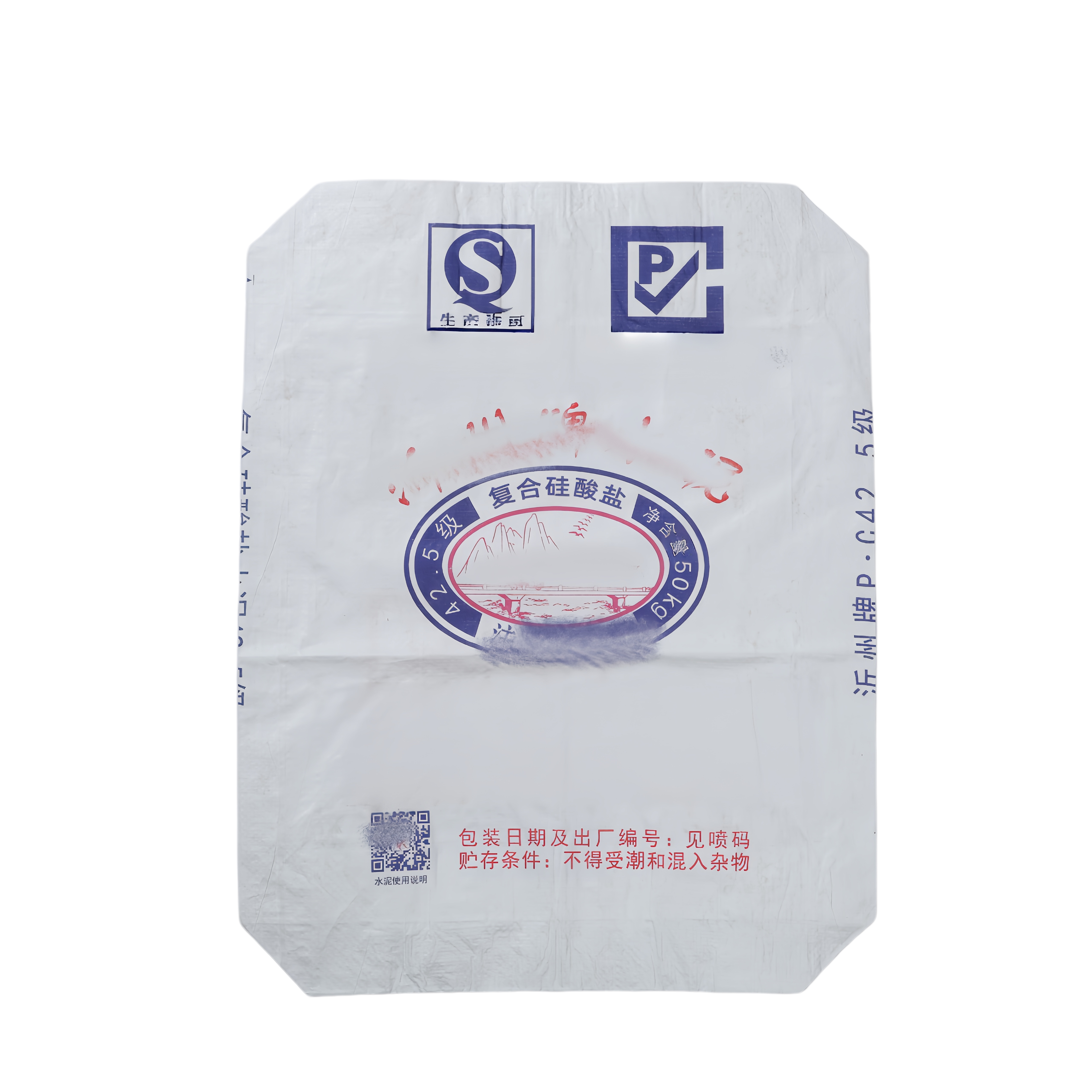
When you order custom woven bags, the samples you receive often look noticeably different from the finished bulk production run. This difference surprises many buyers who expect their first samples to match their final shipment exactly. Understanding why these variations occur is essential for setting realistic expectations and making informed decisions about your custom packaging solution.
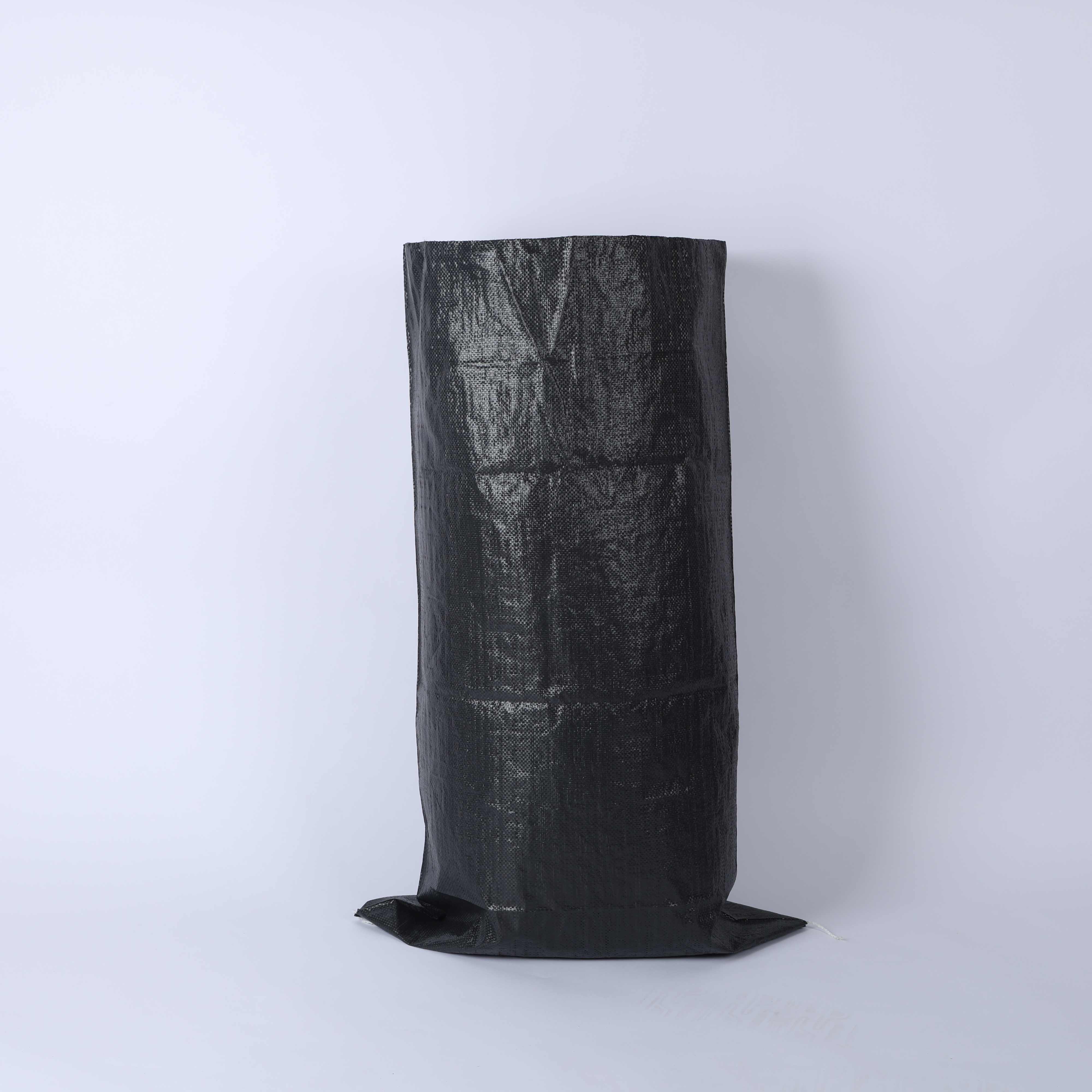
The journey from sample to bulk production involves multiple stages, each introducing subtle but measurable changes to your custom printed woven bag. Manufacturers adjust equipment settings, material sourcing, and production techniques when scaling from a single sample to thousands of units. Recognizing these differences helps you work more effectively with your supplier and achieve the results your business needs.
Sample production typically uses manual or semi-automated setups that differ significantly from the high-speed machinery used in bulk runs. When creating a personalized pp bag sample, operators may make real-time adjustments to thread tension, pattern alignment, and weave density. These hands-on tweaks are impossible to replicate consistently across hundreds of thousands of units. The sample represents an idealized version of your design rather than a realistic preview of mass production.
Bulk production requires fixed machinery configurations that prioritize speed and consistency over individual perfection. Once equipment is calibrated for a production run, changing settings for each unit becomes impractical. Your custom packaging solution must work within these operational constraints, which means the final product reflects the best compromise between your specifications and production efficiency rather than the pristine quality of a handcrafted sample.
The dies and molds used to create your tailored woven sack experience wear throughout a production run. Early samples are produced using fresh tooling with minimal wear, creating sharper edges, crisper prints, and more precise dimensions. As production progresses through thousands of units, tooling surfaces gradually dull and lose their original sharpness. This wear affects print clarity, color saturation, and dimensional tolerances in ways that accumulate across the run.
Custom woven bags are made from polypropylene (PP) resin and woven fibers that vary by supplier batch. Your sample may have been produced using resin from one supplier lot, while bulk production draws from multiple lots manufactured weeks or months apart. Different batches exhibit slight variations in color, viscosity, and mechanical properties. These variations are normal within industry tolerances but become visible when comparing sample to finished goods.
The custom printed woven bag sample receives materials selected specifically for quality, while bulk production balances quality with cost efficiency. Suppliers may source materials from different geographic regions or use slightly different formulations within specification limits. Color matching becomes particularly challenging because dye lots vary, and printing inks behave differently on resin with different properties. Your bulk shipment represents an average across material sources rather than a perfect match to your sample.
Samples are often produced at the tighter end of material specifications to showcase quality. Bulk production operates within standard tolerance ranges established by industry norms and cost considerations. A personalized pp bag sample might weigh 45 grams, but your production run may average 44 to 46 grams across the entire batch. This variation is acceptable within standard specifications but creates a noticeably different feel and appearance compared to your original sample.
Printing color on custom woven bags changes as production equipment temperatures fluctuate and ink supplies are replenished. Your sample is printed under controlled conditions with fresh ink and calibrated equipment, producing vibrant, consistent color. As your custom packaging solution moves through mass production, print heads require adjustment, ink viscosity shifts with temperature changes, and equipment experiences natural variance. Mid-run and end-of-run batches may appear slightly lighter or darker than your approved sample.
Manufacturers manage color variance through regular quality checks and adjustments, but perfect consistency across tens of thousands of units is technically impossible. The tailored woven sack you receive represents color within acceptable variance bands rather than exact replication of your sample. Environmental factors like humidity and ambient temperature also influence color perception, meaning your sample viewed under different lighting may appear different from your production batch viewed under your facility's lights.
Sample production allows operators to manually adjust pattern registration to achieve perfect alignment on each bag. Bulk production relies on automated systems that compensate for standard mechanical tolerances inherent to high-speed weaving and printing equipment. Small variations in bag dimensions during production cause pattern alignment to shift slightly across the run. Your custom printed woven bag sample shows ideal pattern placement, while bulk production typically exhibits minor shifts of 2 to 5 millimeters across the batch.
Samples receive individual attention and manual adjustments that are impossible to replicate across thousands of units. Sample production uses fresh tooling, carefully selected materials, and optimized settings. Bulk production balances quality with speed and cost, resulting in a product that meets specifications but may not perfectly match your idealized sample. This is normal and expected across the custom woven bags industry.
Many manufacturers can produce pre-production samples from the same material batches and equipment setup as your bulk run. These samples provide a more realistic preview of your custom packaging solution. However, these samples are more expensive than initial design samples because they require running production equipment. Requesting samples at different stages helps you adjust specifications before full-scale production of your personalized pp bag order.
Communicate clearly about your tolerance expectations and request samples from your actual production setup when possible. Understand that minor variations in color, weight, and print alignment are industry-standard for tailored woven sack manufacturing. Work with your supplier to establish specification ranges rather than exact matches. Building realistic expectations and establishing clear quality standards helps you achieve better results with your custom woven bags.

Discover the 4 critical production metrics—throughput, defect rate, equipment uptime & on-time delivery—to vet factories confidently.

Ensure regulatory compliance & worker safety with proven methods for chemical woven bags—material selection, labeling, storage & training.

Discover the full PP woven bag manufacturing workflow—from extrusion & weaving to printing & QC. Boost efficiency, compliance & ROI. Download the process guide now.

Struggling with weak bags or high material waste? Master extrusion and tape drawing tech for stronger, cheaper PP woven bags. Optimize your production line now.

Struggling with defects or customer returns? Discover the 5 non-negotiable quality checkpoints across your woven bag production line
Which automation tier is right for your PP woven bag factory? Compare manual to Industry 4.0 systems for cost, quality, and scalability.
Get in touch for details on polypropylene woven bags and flexible packaging solutions.
Tel
Address
No.2015, Liaoyuan Building, Lanshan District, Linyi City, Shandong Province.China

