 EN
How to Assess Production Efficiency at a PP Woven Bag Factory
Discover the 4 critical production metrics—throughput, defect rate, equipment uptime & on-time delivery—to vet factories confidently.

2026/08/31
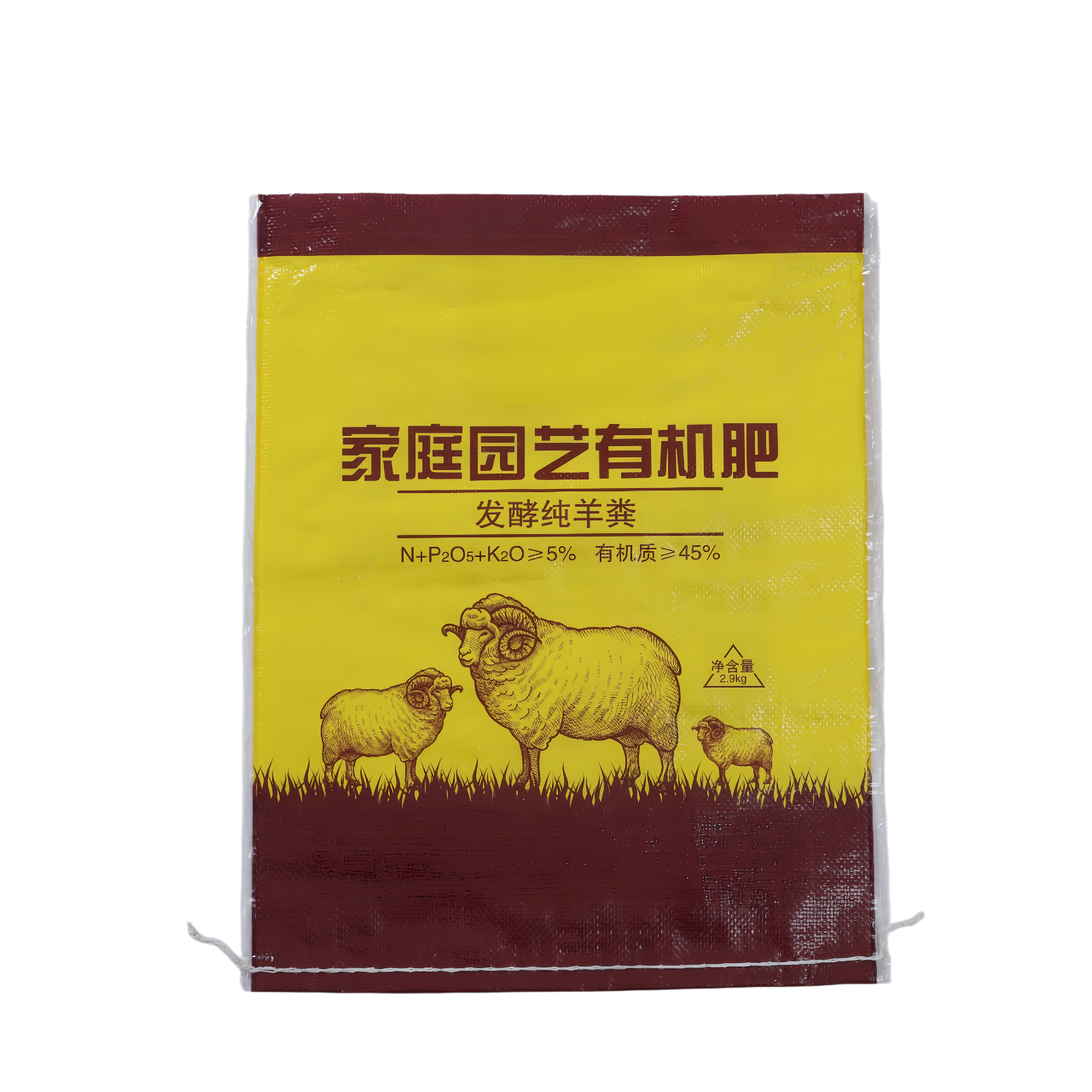
Fine granule leakage from fertilizer bags represents a significant operational challenge for agricultural businesses, distributors, and farmers worldwide. Whether you're managing a large-scale fertilizer operation or storing products on your farm, understanding the root causes of this issue is essential for minimizing product loss and maintaining quality standards. Fertilizer bags that leak compromise both profitability and environmental compliance, making it crucial to recognize why these failures occur and how to prevent them effectively.
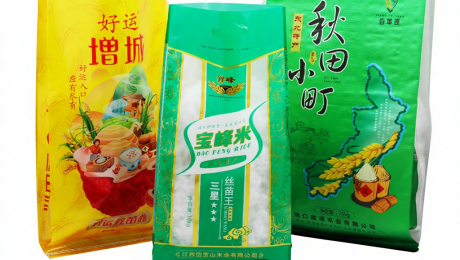
The consequences of leaking fertilizer bags extend beyond simple product waste. When agricultural fertilizer packaging fails, you face inventory shrinkage, regulatory concerns, and potential environmental impact. Customers receiving partially empty bags experience frustration and reduced trust in your supply chain. Modern agricultural operations demand reliable packaging solutions that maintain product integrity from warehouse to field application. This article examines why leakage happens, explores the critical role of packaging quality in preventing it, and provides actionable strategies to strengthen your agricultural fertilizer packaging system.
Fertilizer woven bags experience stress from multiple directions during handling, storage, and transport. The granular content inside creates internal pressure that tests the integrity of seams and fabric weave. Over time, exposure to sunlight, moisture fluctuations, and temperature variations weakens the polypropylene fibers used in most agricultural fertilizer packaging. When a pp fertilizer sack degrades, microscopic tears develop along stress points, typically at seams, corners, and areas experiencing repeated friction. The granule size of many fertilizer products compounds this problem—fine particles can escape through increasingly larger gaps as structural failure progresses.
Not all pp fertilizer sack manufacturing processes maintain consistent quality standards. Inadequate seam stitching, weak adhesive bonding, or improper fabric tension during production create weak points where granules can escape. Fertilizer woven bag designs that lack proper reinforcement at high-stress areas fail prematurely. Additionally, the valve or opening mechanism on certain agricultural fertilizer packaging styles may not seal completely, allowing fine particles to filter out gradually during storage and handling. Poor quality control during manufacturing directly translates to increased leakage incidents in the field.
Environmental conditions significantly impact how long fertilizer bags maintain structural integrity. Moisture penetration weakens both the woven fabric and any internal liners, while temperature swings cause expansion and contraction that stresses seams. When agricultural fertilizer packaging is stored in uncontrolled environments, humidity levels fluctuate dramatically, and this cycling accelerates material fatigue. Fine granules absorb moisture and compact, creating different internal pressure patterns that can overwhelm weakened seams. Outdoor storage without proper protection exposes pp fertilizer sacks to weather exposure that accelerates degradation and leakage initiation.
The journey from manufacturing facility to end-user involves multiple handling points where mechanical stress accumulates. Forklift punctures, stacking pressure, and rough handling during loading and unloading damage fertilizer woven bag surfaces and seams. Products transported in vehicles experience vibration and shifting that causes bags to rub against each other and container surfaces. Sharp edges or protrusions in storage containers or transport equipment can pierce even quality agricultural fertilizer packaging. This cumulative mechanical stress—combined with the weight of stacked bags—concentrates pressure on seams and creates conditions where fine granules begin escaping.
The foundation of leak prevention begins with choosing high-quality pp fertilizer sack materials and construction methods. Premium fertilizer bags utilize virgin polypropylene rather than recycled materials, delivering superior strength and durability. Reinforced seam stitching with redundant stitching patterns ensures that even if one thread fails, others maintain structural integrity. Selecting fertilizer woven bag suppliers who implement rigorous quality control testing—including burst strength testing and seam tear resistance—guarantees consistent performance. Premium agricultural fertilizer packaging may cost more initially, but the reduction in product loss, customer complaints, and replacement costs delivers clear return on investment.
Implementing proper storage procedures extends the life of pp fertilizer sacks and reduces leakage incidents dramatically. Store agricultural fertilizer packaging in climate-controlled environments that maintain consistent temperature and humidity levels. Stack bags in patterns that distribute weight evenly, avoiding concentrated pressure on lower-tier bags. Use protective pallets and covers to shield fertilizer bags from environmental exposure and puncture hazards. Train handling personnel on gentle loading techniques that minimize unnecessary stress. Establish a first-in-first-out rotation system to prevent extended storage of individual bags, which increases the probability of material degradation and leakage development.
For operations requiring maximum leak prevention, consider inner liners or moisture barrier layers within fertilizer woven bags. These secondary containment solutions catch fine granules even if the outer pp fertilizer sack develops small tears or weak seams. Vacuum-sealed packaging or nitrogen-flushed bags can reduce moisture exposure within agricultural fertilizer packaging, prolonging structural integrity. For premium products or long-distance shipments, double-bagging—placing filled bags inside larger protective bags—provides redundant containment. These multi-layer approaches align with premium agricultural fertilizer packaging standards and justify their cost through dramatically reduced waste and liability exposure.
Fine granules exploit micro-gaps and weaving imperfections more readily than larger particles. The smaller surface area of fine particles allows them to migrate through minute openings in fertilizer bags that larger granules cannot penetrate. This is why pp fertilizer sacks with deteriorating seams lose fine material more visibly than coarse material, making fine-particle fertilizers more challenging for agricultural fertilizer packaging solutions to contain effectively.
Implement a drop-test protocol where filled fertilizer woven bags are dropped from standard heights onto hard surfaces, simulating warehouse handling conditions. Inspect seams, corners, and stress points for granule spillage or visual damage. Additionally, perform visual inspections of stored pp fertilizer sacks weekly, noting any evidence of leakage or material degradation. Conduct moisture testing to verify that agricultural fertilizer packaging stored in your facilities maintains integrity under your specific climate conditions. These protocols identify problematic batches before widespread distribution occurs.
Regulatory standards vary by jurisdiction, but most agricultural regions establish acceptable tolerance levels for product loss during transport and storage. Many standards specify that fertilizer bags must retain a defined percentage of contents through final delivery. Compliance requires both quality agricultural fertilizer packaging and documented handling procedures. Working with fertilizer woven bag suppliers who understand these regulations ensures your pp fertilizer sacks meet all applicable requirements and protects your business from penalties or customer disputes arising from excessive leakage.

Discover the 4 critical production metrics—throughput, defect rate, equipment uptime & on-time delivery—to vet factories confidently.

Ensure regulatory compliance & worker safety with proven methods for chemical woven bags—material selection, labeling, storage & training.

Discover the full PP woven bag manufacturing workflow—from extrusion & weaving to printing & QC. Boost efficiency, compliance & ROI. Download the process guide now.

Struggling with weak bags or high material waste? Master extrusion and tape drawing tech for stronger, cheaper PP woven bags. Optimize your production line now.

Struggling with defects or customer returns? Discover the 5 non-negotiable quality checkpoints across your woven bag production line
Which automation tier is right for your PP woven bag factory? Compare manual to Industry 4.0 systems for cost, quality, and scalability.
Get in touch for details on polypropylene woven bags and flexible packaging solutions.
Tel
Address
No.2015, Liaoyuan Building, Lanshan District, Linyi City, Shandong Province.China

