 EN
How to Assess Production Efficiency at a PP Woven Bag Factory
Discover the 4 critical production metrics—throughput, defect rate, equipment uptime & on-time delivery—to vet factories confidently.

2026/08/06
Condensation inside packaging represents one of the most persistent challenges in industrial logistics and storage. When products are sealed in PE Lined woven bags, the moisture barrier created by the polyethylene layer often traps internal humidity, creating an environment where condensation forms and degrades product quality. Understanding why this happens and how design innovations can mitigate the problem is essential for anyone handling sensitive goods in bulk packaging applications.
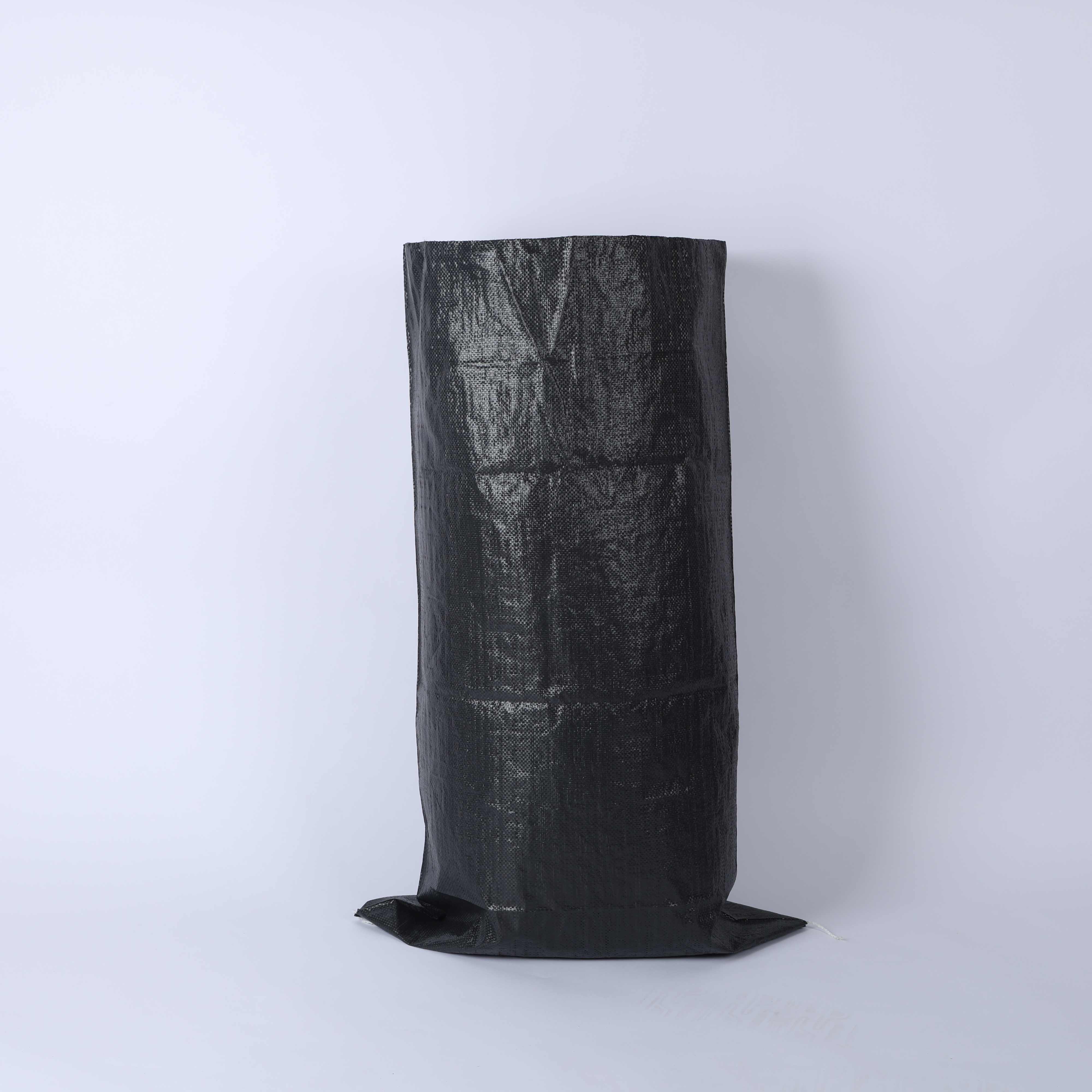
PE liner bag construction has become a standard in agricultural, chemical, and food industries because the polyethylene layer provides exceptional protection against external moisture and contaminants. However, this same hermetic seal that protects against external threats can inadvertently create a moisture trap if internal humidity is not properly managed during storage and transport. The condensation problem emerges from the temperature differential between the product, the bag environment, and external conditions, combined with the impermeability of the PE layer itself.
When goods are placed into a PE liner bag, they often contain residual moisture from manufacturing, processing, or ambient air at the time of packaging. The moisture barrier bag design prevents this internal moisture from escaping into the external environment. As the sealed package experiences temperature fluctuations during storage and transit, the air inside cools, reducing its capacity to hold moisture. This triggers condensation as water vapor converts to liquid droplets on cooler interior surfaces, including the product itself and the inner walls of the PE liner.
The pp pe composite bag structure amplifies this effect because the polypropylene outer layer insulates the interior environment, slowing heat transfer and prolonging temperature gradients. When external temperatures drop faster than internal temperatures equilibrate, condensation forms rapidly. The polyethylene liner, while excellent as a moisture barrier bag against external contamination, becomes counterproductive in preventing internal condensation because it traps both air and vapor without allowing equalization.
Condensation damage varies by product type. Hygroscopic materials such as powders, minerals, and dried foods absorb moisture from condensation quickly, leading to caking, clumping, and degradation. Electronics, chemicals, and pharmaceutical products face corrosion and reaction risks. Temperature swings common in maritime shipping and cross-climate warehousing intensify the PE liner bag condensation problem. A PE lined woven bag stored in a warm tropical port and then moved to a cold container ship environment creates ideal conditions for severe condensation formation within hours.
Modern moisture barrier bag design now incorporates breathable inserts positioned between the polypropylene outer weave and the inner PE liner. These micro-perforated or specialized fabric layers allow slow vapor transmission while maintaining the protection offered by the PE liner bag structure. The insert enables internal humidity to gradually equilibrate with external conditions, preventing the rapid pressure differentials that trigger condensation. PP pe composite bag manufacturers have adopted this approach to preserve barrier integrity while reducing internal moisture accumulation.
The effectiveness of breathable inserts depends on material selection and positioning. Non-woven polypropylene inserts with controlled porosity allow vapor migration rates of 500–2000 grams per square meter per 24 hours, sufficient to prevent pressure buildup without compromising the moisture barrier properties. Placement directly against the PE liner bag inner surface ensures moisture encounters the breathable layer before condensing on products.
Another design innovation for PE lined woven bags involves incorporating small desiccant packs or desiccant strips integrated into the bag structure. These absorb internal moisture before condensation can form, maintaining relative humidity below the dew point threshold. For sensitive products requiring a moisture barrier bag with maximum protection, silica gel or molecular sieve desiccants work alongside the polyethylene liner to create a dual-defense system against both external contamination and internal condensation.
Additionally, PE liner bag design can include small ventilation channels or micro-vents engineered to allow air circulation without compromising the moisture barrier. These channels guide vapor toward desiccant elements or toward controlled escape paths, preventing stagnant moisture pockets. Advanced pp pe composite bag designs now feature layered construction where the polyethylene liner sits slightly separated from the desiccant layer, creating airflow pathways that enhance moisture management.
Surface treatment of inner PE liner surfaces with hydrophobic nano-coatings represents an emerging design solution. These coatings reduce the affinity between condensation droplets and the plastic surface, promoting moisture beading rather than spreading. When condensation does form on a treated PE lined woven bag interior, droplets remain discrete and roll downward along the sloped interior toward collection channels or escape routes rather than saturating the product.
Choosing the right PE liner bag design requires understanding your specific storage and shipping conditions. Products destined for tropical climates benefit from moisture barrier bags featuring breathable inserts, while short-duration cold-chain shipments may only require standard PE lined woven bags with desiccant packs. The pp pe composite bag construction thickness also matters—thicker polypropylene layers reduce external temperature transmission speed, allowing more time for internal temperature equilibration and reducing condensation severity.
Material specification is critical. Food-grade polyethylene liners offer different moisture permeability rates than industrial PE liner material, affecting how quickly internal humidity builds. Selecting PE liner bag material with the appropriate grade for your product ensures the moisture barrier functions as intended without over-sealing and trapping excessive condensation. Multi-layer PE lined woven bags, where the polyethylene layer is sandwiched between polypropylene or other barrier materials, provide both external protection and internal moisture management when properly engineered.
Before bulk ordering PE liner bags, verify condensation performance through accelerated testing. Cycle sealed samples through temperature ranges matching your supply chain—from storage warehouse to transit vehicle to destination. Measure internal humidity and inspect for condensation after each cycle. This validation confirms whether your selected moisture barrier bag design adequately prevents condensation under real-world conditions specific to your products and logistics network.
Condensation forms due to temperature changes and humidity inherent in the sealed environment. When a PE liner bag transitions from a warm location to a cool environment, internal air temperature drops and loses capacity to hold moisture. The polyethylene liner traps this moisture, so it condenses on interior surfaces rather than escaping. Even air originally at low humidity can contain enough moisture to form visible condensation when rapidly cooled.
A standard PE lined woven bag alone cannot prevent condensation because its strength—impermeability—is also its limitation for internal moisture management. However, enhanced designs that combine the PE liner with breathable inserts, desiccant integration, or hydrophobic coatings significantly reduce condensation formation. Selecting the right pp pe composite bag design for your specific supply chain conditions substantially mitigates but does not completely eliminate condensation risk.
Signs include visible moisture on product surfaces upon opening, clumping or caking in powdered goods, corrosion on metal components, and discoloration or mold growth. Open several bags from different shipments and inspect interior surfaces. If moisture beads are visible on the PE liner or product quality shows degradation patterns consistent with humidity exposure, your current moisture barrier bag design requires upgrading to include condensation control features.

Discover the 4 critical production metrics—throughput, defect rate, equipment uptime & on-time delivery—to vet factories confidently.

Ensure regulatory compliance & worker safety with proven methods for chemical woven bags—material selection, labeling, storage & training.

Discover the full PP woven bag manufacturing workflow—from extrusion & weaving to printing & QC. Boost efficiency, compliance & ROI. Download the process guide now.

Struggling with weak bags or high material waste? Master extrusion and tape drawing tech for stronger, cheaper PP woven bags. Optimize your production line now.

Struggling with defects or customer returns? Discover the 5 non-negotiable quality checkpoints across your woven bag production line
Which automation tier is right for your PP woven bag factory? Compare manual to Industry 4.0 systems for cost, quality, and scalability.
Get in touch for details on polypropylene woven bags and flexible packaging solutions.
Tel
Address
No.2015, Liaoyuan Building, Lanshan District, Linyi City, Shandong Province.China

