 EN
How to Assess Production Efficiency at a PP Woven Bag Factory
Discover the 4 critical production metrics—throughput, defect rate, equipment uptime & on-time delivery—to vet factories confidently.

2026/08/13
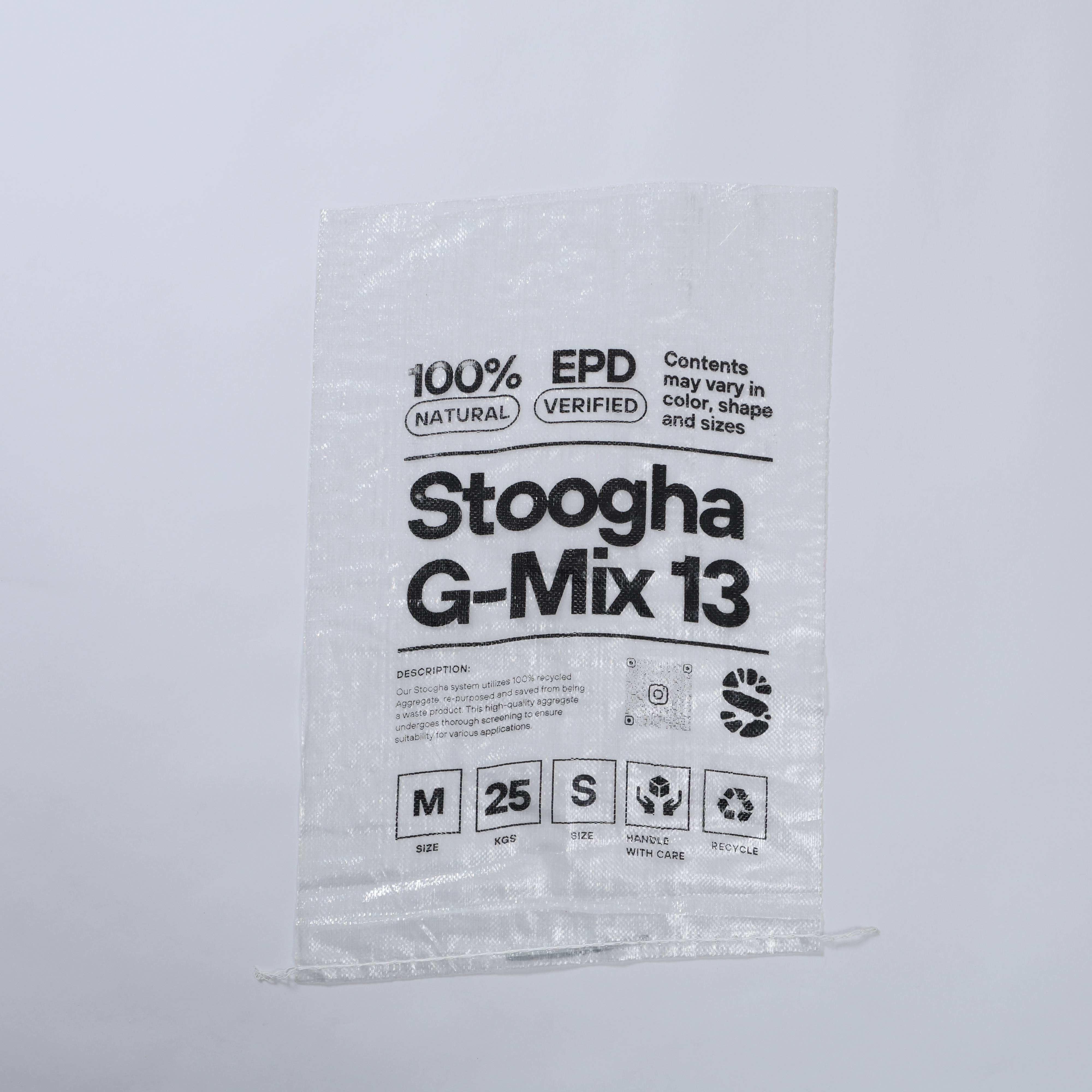
Sugar clumping in storage represents one of the most frustrating challenges for distributors, retailers, and consumers alike. Understanding why sugar bags develop clumping is essential for anyone involved in food production, logistics, or retail operations. The phenomenon occurs due to moisture infiltration, temperature fluctuations, and inadequate barrier protection within conventional packaging. Modern sugar packaging bag design addresses these issues through innovative materials, structural engineering, and moisture control technologies that significantly extend shelf life and maintain product quality throughout the supply chain.
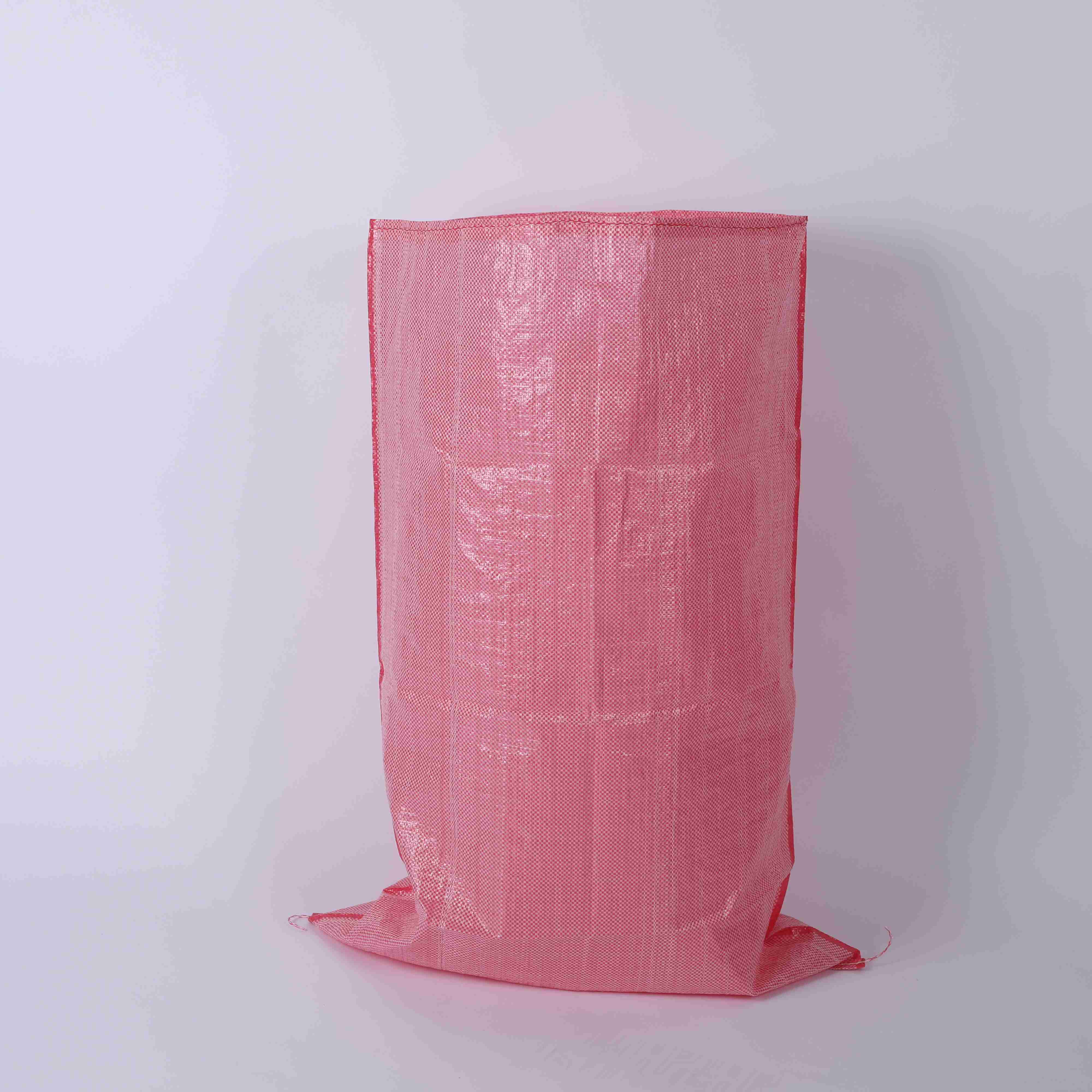
The root causes of clumping are multifaceted and interconnected. Humidity exposure remains the primary culprit, as sugar particles absorb atmospheric moisture and bond together through crystallization. Temperature changes create condensation inside poorly sealed containers, accelerating this process. Additionally, the hygroscopic nature of sugar means it naturally attracts water molecules from surrounding air. Recognizing these mechanisms helps stakeholders select superior packaging solutions that protect their products and maintain customer satisfaction across different climates and storage conditions.
Environmental moisture is the fundamental driver of sugar clumping during storage and transport. When sugar bags lack proper sealing or barrier materials, ambient humidity penetrates the package and reaches sugar crystals. This moisture causes individual sugar particles to develop sticky surfaces through osmotic absorption. Once particles become damp, they naturally agglomerate into solid masses rather than flowing freely. Food grade packaging bag standards address this by incorporating multi-layer constructions that create effective moisture barriers while maintaining breathability where necessary.
Temperature fluctuations compound moisture problems significantly. As sugar bags experience warming cycles during daytime or transport, internal air temperature rises and relative humidity increases proportionally. Cooling periods cause condensation to form on inner surfaces, depositing liquid water directly onto sugar crystals. This cycle repeats throughout logistics chains, gradually forcing more moisture into the product. Superior sugar woven bag designs minimize this effect through reflective outer layers and ventilation management that stabilizes internal temperature and humidity gradients.
Different regions present unique moisture challenges for sugar bags. Coastal and tropical areas experience year-round high humidity that continuously stresses conventional packaging materials. Monsoon seasons create temporary but intense moisture exposure that can destroy entire shipments of poorly packaged sugar. Even inland regions experience seasonal peaks where spring moisture and winter temperature swings create ideal conditions for clumping. Food grade packaging bag manufacturers must design solutions that perform consistently across these varied environments, ensuring that sugar packaging bag specifications meet or exceed regional climate demands.
Storage facility conditions further impact clumping risk. Uncontrolled warehouses exposed to outdoor air quality experience direct humidity penetration through walls and ventilation systems. Cold storage facilities create steeper temperature differentials that increase condensation likelihood. Understanding these environmental pressures helps logistics managers and distributors select pp sugar sack products engineered for their specific geographic and seasonal contexts.
Modern sugar packaging bag construction incorporates advanced barrier materials that block moisture while maintaining structural integrity. Polypropylene woven base layers provide mechanical strength, while inner plastic liners create impermeable moisture barriers. Many food grade packaging bag designs now feature oxygen scavenger additives that reduce oxidative degradation and chemical reactions that accelerate clumping. Three-layer and four-layer constructions have become industry standards for premium pp sugar sack applications, ensuring redundant protection against moisture breach.
The sealing methodology directly impacts barrier effectiveness. Heat-sealed closures create hermetic seals that eliminate moisture entry pathways entirely. Zipper-style closures with integrated desiccant packets offer resealability for partial-use scenarios while maintaining barrier integrity. Sugar woven bag manufacturers increasingly employ ultrasonic sealing technology that creates stronger, more consistent seals than traditional heat methods. These innovations represent tangible advances in sugar packaging bag engineering that directly translate to reduced clumping complaints and improved customer satisfaction.
Strategic desiccant placement within sugar bags provides active moisture absorption that complements passive barrier technologies. Silica gel packets or calcium chloride desiccants maintain internal humidity below the saturation point where sugar begins absorbing moisture. Proper desiccant sizing ensures adequate absorption capacity for the specific storage duration and environmental conditions. Food grade packaging bag standards now specify desiccant types and quantities based on sugar quantity and expected storage timelines, transforming reactive clumping solutions into proactive prevention strategies.
Ventilation management balances competing objectives: allowing excess moisture escape while preventing fresh moisture infiltration. Micro-perforated films used in sugar packaging bag design enable vapor transmission rates that stay within controlled parameters. This approach prevents pressure buildup from fermentation gases while limiting atmospheric humidity entry. Modern pp sugar sack designs incorporate these ventilation features strategically, ensuring that sugar woven bag materials optimize both structural protection and internal atmosphere control throughout the product lifecycle.
Selecting appropriate sugar bags requires understanding technical specifications that directly impact clumping prevention. Water vapor transmission rates (WVTR) measured in grams per square meter per day quantify barrier performance under standardized conditions. Lower WVTR values indicate superior moisture blocking capability. Food grade packaging bag specifications should document WVTR ratings alongside oxygen transmission rates that affect shelf stability. Comparing these metrics across sugar packaging bag suppliers enables data-driven decisions that align with specific product requirements and storage environments.
Tensile strength and puncture resistance also contribute to clumping prevention by maintaining barrier integrity during handling. Damaged sugar bags develop localized moisture entry points that initiate clumping in concentrated areas. Premium pp sugar sack products undergo rigorous mechanical testing to ensure they withstand typical logistics stresses without compromising seal integrity. Food grade packaging bag certifications and compliance documentation provide transparent evidence that products meet established safety and performance standards.
Optimal sugar woven bag selection requires honest assessment of actual storage conditions rather than theoretical best-case scenarios. Facilities with climate control support different packaging requirements than outdoor warehouses. Short-term storage needs differ fundamentally from long-term bulk inventory management. Sugar packaging bag specifications should reflect these real-world contexts, ensuring that selected materials and designs provide cost-effective protection appropriate to specific operational demands. Implementing monitoring systems that track internal humidity and temperature validates that chosen solutions perform as intended across seasonal variations.
Staff training on proper storage procedures amplifies packaging effectiveness significantly. Correct stacking methods, facility ventilation management, and inventory rotation protocols extend the protective benefits of superior food grade packaging bag designs. Many clumping problems result from preventable storage errors rather than packaging inadequacy. When organizations align packaging technology with operational best practices, they create synergistic improvements that dramatically reduce product damage and waste.
Sugar is hygroscopic, meaning it naturally absorbs moisture from surrounding air. In humid climates, higher ambient moisture creates stronger gradients that drive water absorption into sugar crystals. This process accelerates clumping formation. Additionally, sugar packaging bag materials may not provide adequate barrier protection if not specifically engineered for tropical or coastal humidity levels. Food grade packaging bag designs optimized for humid environments incorporate enhanced moisture barriers and desiccant systems that counteract these environmental pressures more effectively than standard pp sugar sack products.
Hermetic sealing created through heat fusion or advanced closure mechanisms significantly reduces clumping risk but cannot eliminate it completely under all circumstances. Sugar bags with perfect seals prevent external moisture infiltration, but internal moisture already present during packaging can still cause limited clumping over extended periods. Additionally, temperature fluctuations create internal condensation that may occur even in well-sealed containers. Combining hermetic sealing with desiccant integration and appropriate sugar woven bag materials creates comprehensive protection that minimizes clumping to commercially acceptable levels. Food grade packaging bag standards recognize that multi-layer strategies outperform single-solution approaches.
Premium pp sugar sack products using advanced barrier materials and desiccant integration typically maintain sugar quality for 12–24 months under normal storage conditions. Actual duration depends on specific environmental exposures, facility climate control effectiveness, and initial product moisture content. Food grade packaging bag designs engineered for particular climate zones perform optimally within those parameters. Sugar packaging bag manufacturers provide shelf-life projections based on WVTR testing and accelerated aging studies, enabling customers to select products aligned with their inventory turnover and storage durations. Proper storage conditions and monitoring extend these timeframes significantly.

Discover the 4 critical production metrics—throughput, defect rate, equipment uptime & on-time delivery—to vet factories confidently.

Ensure regulatory compliance & worker safety with proven methods for chemical woven bags—material selection, labeling, storage & training.

Discover the full PP woven bag manufacturing workflow—from extrusion & weaving to printing & QC. Boost efficiency, compliance & ROI. Download the process guide now.

Struggling with weak bags or high material waste? Master extrusion and tape drawing tech for stronger, cheaper PP woven bags. Optimize your production line now.

Struggling with defects or customer returns? Discover the 5 non-negotiable quality checkpoints across your woven bag production line
Which automation tier is right for your PP woven bag factory? Compare manual to Industry 4.0 systems for cost, quality, and scalability.
Get in touch for details on polypropylene woven bags and flexible packaging solutions.
Tel
Address
No.2015, Liaoyuan Building, Lanshan District, Linyi City, Shandong Province.China

