 EN
How to Assess Production Efficiency at a PP Woven Bag Factory
Discover the 4 critical production metrics—throughput, defect rate, equipment uptime & on-time delivery—to vet factories confidently.

2026/09/04
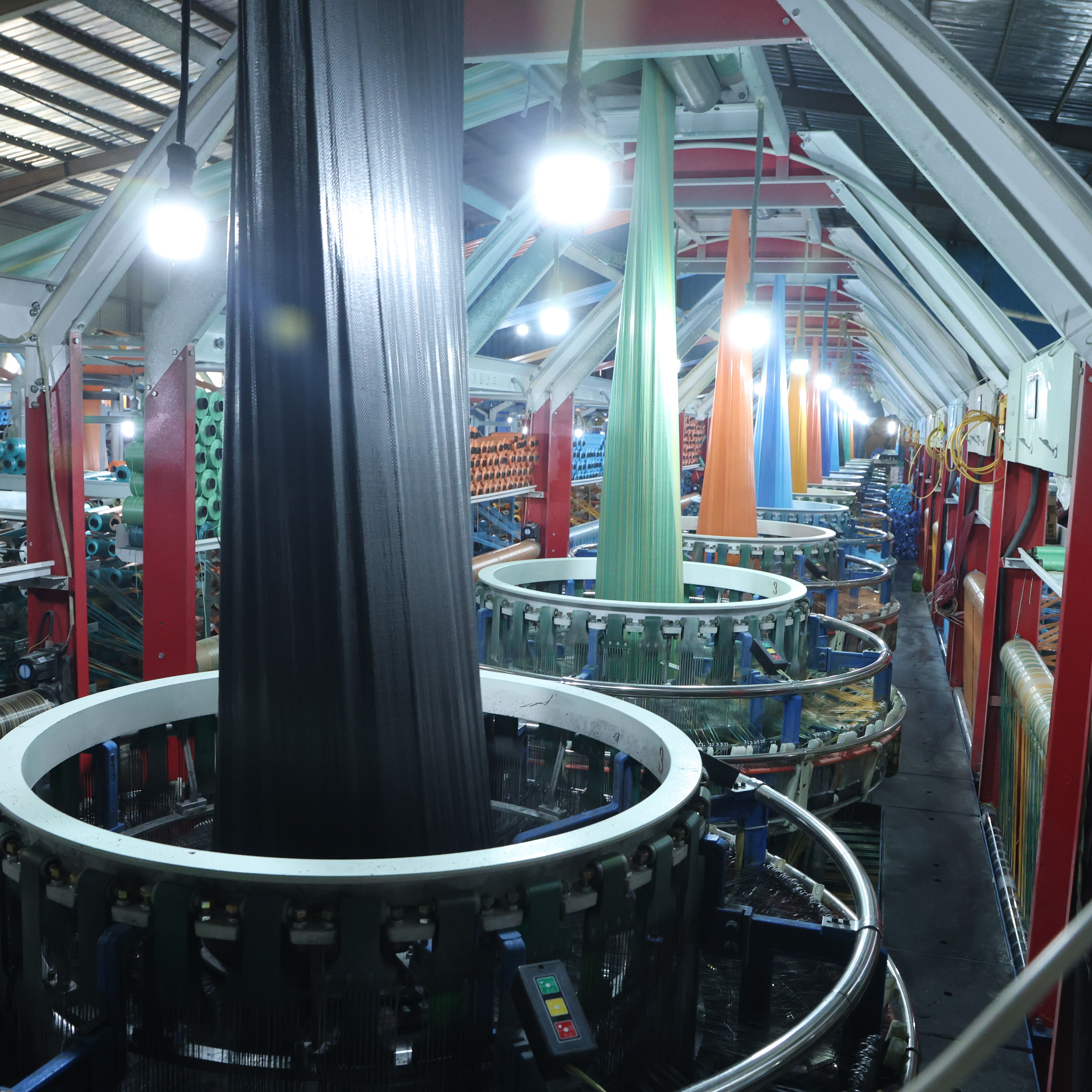
Communication breakdowns with your PP woven bag supplier can derail entire procurement operations, delay shipments, and inflate costs unexpectedly. When bulk woven bag supply orders encounter misalignment between buyer expectations and supplier capabilities, the consequences ripple through production timelines, inventory management, and ultimately, your bottom line. Understanding why these communication failures occur is the first step toward building a more resilient supply chain partnership.
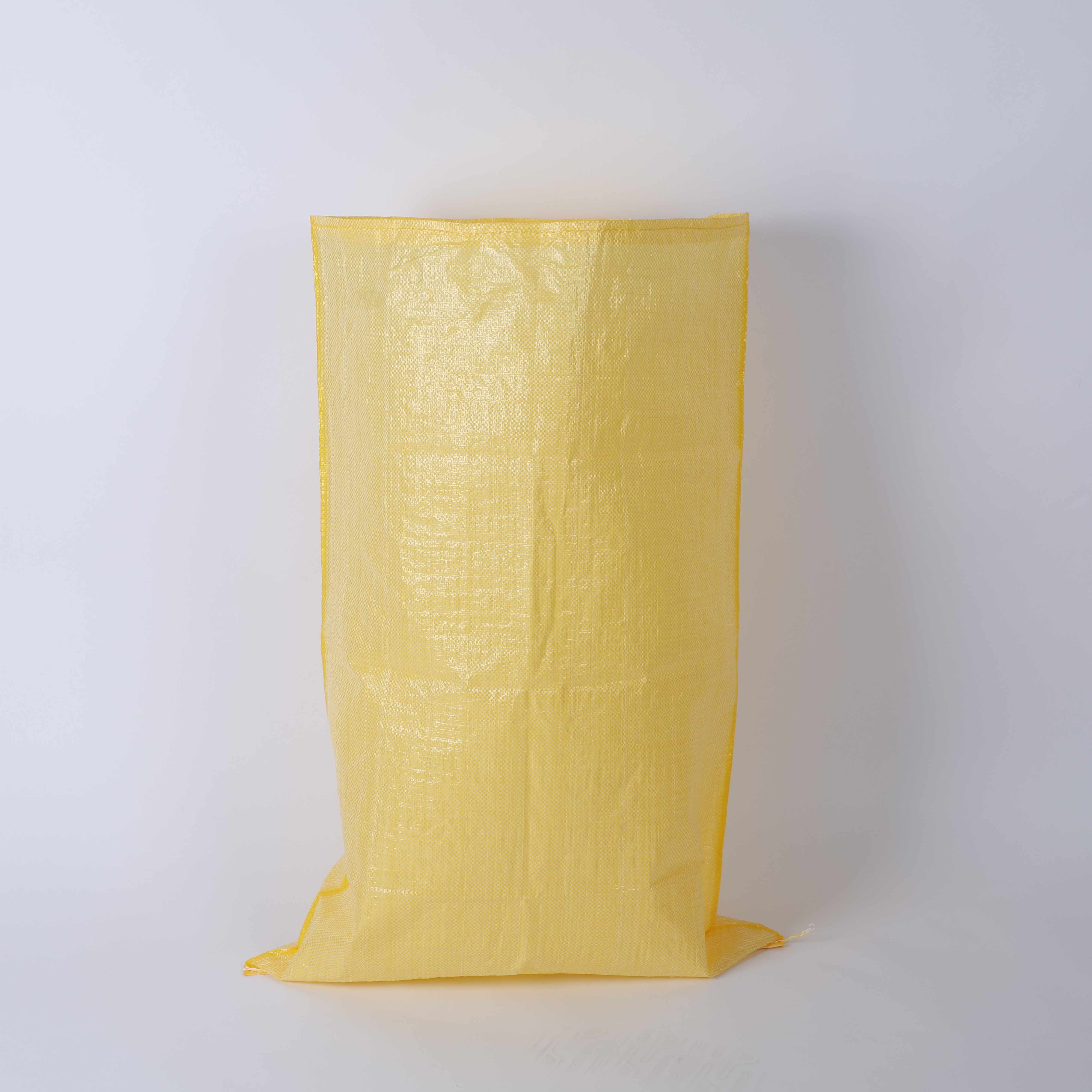
The industrial packaging sector relies heavily on precise coordination between buyers and suppliers. When you source pp bag export products or negotiate woven bag wholesale agreements, communication quality directly influences order accuracy, lead times, and product quality. Many organizations discover too late that gaps in communication with their pp woven bag factory partner have created costly complications. Recognizing these patterns early enables proactive correction and stronger supplier relationships.
Most communication breakdowns stem from reliance on multiple, disconnected communication platforms. Bulk woven bag supply operations often involve emails, instant messaging, phone calls, and document uploads scattered across different systems. When your woven bag wholesale contact uses email while your procurement team relies on a vendor portal, critical details slip through unnoticed. Specifications get lost, approval timelines extend, and neither party knows who has the most current information. A pp woven bag factory managing dozens of global clients faces similar challenges, creating an environment where miscommunication becomes almost inevitable.
The human tendency to assume clarity where none exists amplifies this problem. Your pp bag export coordinator may believe a requirement was communicated when the message simply never reached the supplier's decision-maker. Documentation sits in inboxes, overlooked amid daily operational demands. Without a single, authoritative source of truth for each bulk order, assumptions fill knowledge gaps and breed costly mistakes.
Traditional bulk woven bag supply relationships often lack transparent tracking systems that both parties can access simultaneously. You send an order, wait for acknowledgment, and hope for updates at predetermined intervals. Your PP woven bag supplier may have completed stages of your order, but you have no visibility until a formal status report arrives. This lag creates anxiety, prompts redundant follow-ups, and prevents rapid problem-solving when issues emerge. When delays occur in pp bag export shipments, the lack of real-time data means problems are discovered after they've compounded, rather than during preventable early stages.
Woven bag wholesale specifications involve technical terminology that varies by region, manufacturing tradition, and industry practice. What constitutes 'heavy-duty' polypropylene differs between a pp woven bag factory in one country and another. Material grades, weave patterns, UV stabilization percentages, and load-bearing capacities are often described differently across cultures and industries. Your procurement team may specify requirements using terminology familiar to domestic suppliers, only to discover your bulk woven bag supply vendor interprets those same terms differently. Even when both parties speak the same language, industrial jargon carries embedded assumptions that create genuine misunderstanding.
Additionally, many pp bag export transactions involve translation layers that introduce subtle but significant shifts in meaning. Technical drawings, specification sheets, and quality standards lose precision when converted between languages. A pp woven bag factory in Southeast Asia may work with technical documents that have been translated multiple times, each iteration introducing small but cumulative errors. Neither party recognizes the drift until production is underway and expectations diverge sharply.
Bulk woven bag supply orders often require customization beyond standard catalog items. Your woven bag wholesale supplier may assume certain modifications are routine, while you expect explicit approval processes. Printing specifications, closure mechanisms, interior coatings, and protective linings all require precise alignment. A pp woven bag factory may have a standard lead time for custom orders, but your purchasing schedule assumes faster turnaround. Without explicit negotiation of these customization boundaries, each party proceeds with different assumptions about feasibility, timeline, and cost. When reality diverges from expectation at the production stage, correcting course becomes expensive and time-consuming.
Most pp bag export operations involve tight margins that limit dedicated communication resources. Your PP woven bag supplier may manage hundreds of accounts without assigned relationship managers for smaller orders. A bulk woven bag supply operation that seems significant to your organization may be routine to a large pp woven bag factory, receiving minimal personalized attention. Your own procurement team often juggles multiple suppliers, categories, and competing priorities, making intensive supplier communication feel like a luxury rather than a necessity. This resource asymmetry means communication defaults to transactional efficiency rather than collaborative clarity.
Time zones compound these constraints significantly. When your woven bag wholesale partner operates on a different continent, synchronous communication becomes difficult. You need an answer today; they receive your message tomorrow and respond when you are offline. Complex issues requiring back-and-forth dialogue stretch across weeks despite only a few hours of actual decision-making time. Escalation procedures intended to resolve critical bulk woven bag supply issues instead add layers of delay as messages move through organizational hierarchies.
Your pp woven bag factory supplier prioritizes orders based on profit margin, production capacity, and established customer relationships. A high-volume pp bag export order may receive faster attention than your smaller bulk woven bag supply request, regardless of communication priority. When production schedules tighten, suppliers focus on execution rather than communication, leaving buyers in information vacuums. Your woven bag wholesale contact may be technically correct that the order remains on schedule, but you lack visibility into whether schedule assumptions have shifted.
Establish a single designated point of contact at your PP woven bag supplier and ask them to designate a counterpart on their team. Create written communication protocols that specify how different types of messages will be handled, what information must be in writing versus verbal, and which channel handles which issue type. Implement a shared project tracking system for bulk woven bag supply orders where both parties can log updates, document changes, and track status transparently. Regular scheduled calls, even brief weekly check-ins, prevent information gaps from widening into crises.
Your woven bag wholesale order specification must include material grade and composition, exact dimensions and weight specifications, weave pattern and density, UV stability requirements, printing or customization details with samples, desired color matching tolerances, packaging requirements for the finished bags, delivery timeline and location, acceptance testing procedures, and quality standards with documented examples of acceptable versus unacceptable product. Include contact information for technical questions, approval workflows, and change request procedures. Request written acknowledgment from your pp bag export supplier confirming they understand and accept each specification before production begins.
Delays often stem from miscommunication about production sequencing rather than supplier dishonesty. Your pp woven bag factory may interpret a delivery date as a target rather than a firm commitment, particularly for bulk woven bag supply orders without penalty clauses. Raw material suppliers to the factory may experience their own delays, cascading through the production schedule without immediate notification to buyers. Customization requirements may take longer than either party anticipated, yet communication about timeline slippage happens only when customers escalate concerns. Building buffer time into orders, establishing clear milestone dates with written confirmation, and implementing automatic escalation alerts when milestones approach prevents last-minute surprises.

Discover the 4 critical production metrics—throughput, defect rate, equipment uptime & on-time delivery—to vet factories confidently.

Ensure regulatory compliance & worker safety with proven methods for chemical woven bags—material selection, labeling, storage & training.

Discover the full PP woven bag manufacturing workflow—from extrusion & weaving to printing & QC. Boost efficiency, compliance & ROI. Download the process guide now.

Struggling with weak bags or high material waste? Master extrusion and tape drawing tech for stronger, cheaper PP woven bags. Optimize your production line now.

Struggling with defects or customer returns? Discover the 5 non-negotiable quality checkpoints across your woven bag production line
Which automation tier is right for your PP woven bag factory? Compare manual to Industry 4.0 systems for cost, quality, and scalability.
Get in touch for details on polypropylene woven bags and flexible packaging solutions.
Tel
Address
No.2015, Liaoyuan Building, Lanshan District, Linyi City, Shandong Province.China

