 EN
How to Assess Production Efficiency at a PP Woven Bag Factory
Discover the 4 critical production metrics—throughput, defect rate, equipment uptime & on-time delivery—to vet factories confidently.

2026/08/25
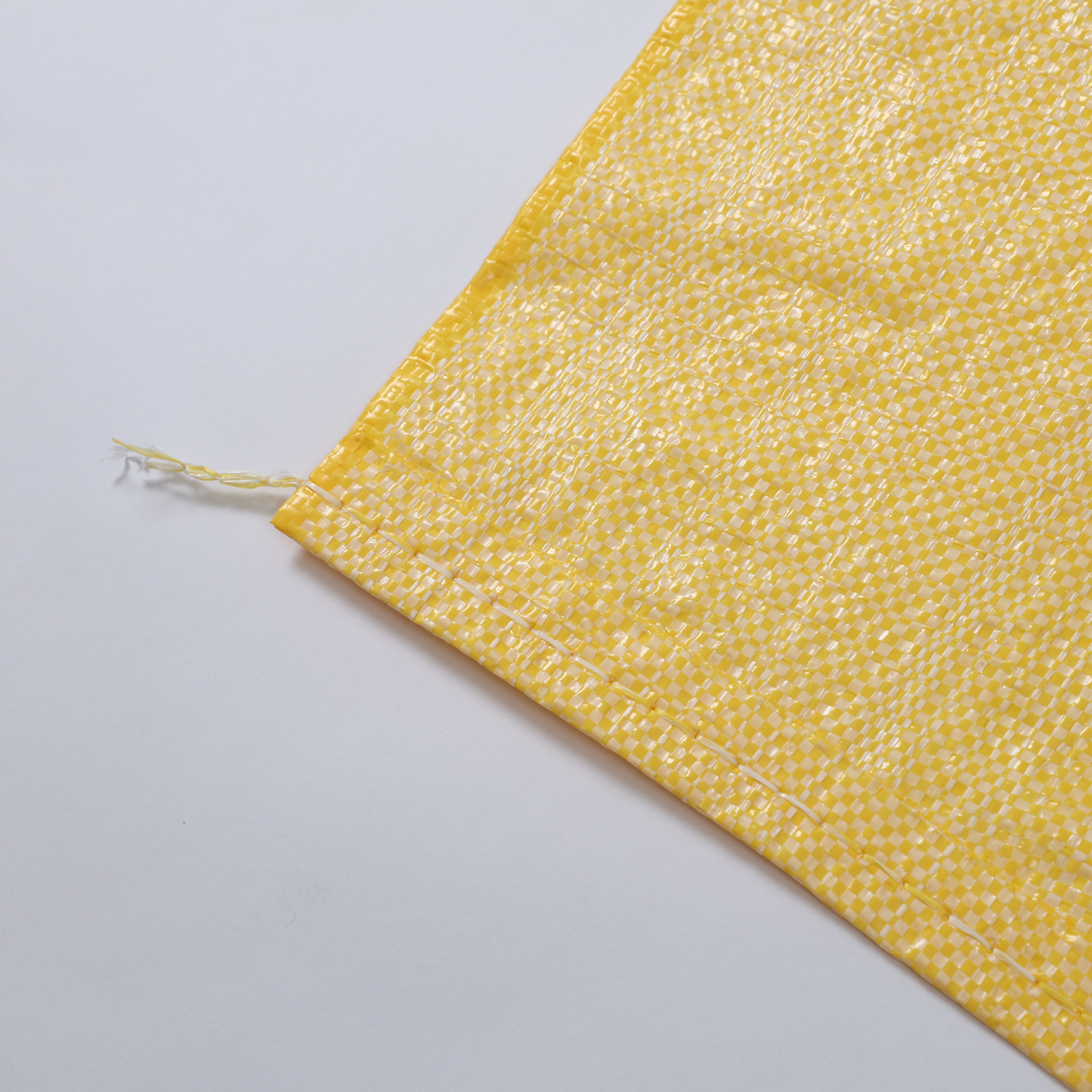
A used bag rarely performs as well as its original condition after multiple handling cycles. Whether you work in agriculture, logistics, or retail distribution, you've likely noticed that reused packaging materials show visible signs of wear and reduced structural integrity. This degradation isn't random or purely cosmetic—it's a predictable result of physical and chemical stress that accumulates through each reuse event. Understanding why secondhand pp bags weaken helps businesses make informed decisions about packaging sustainability and cost management.
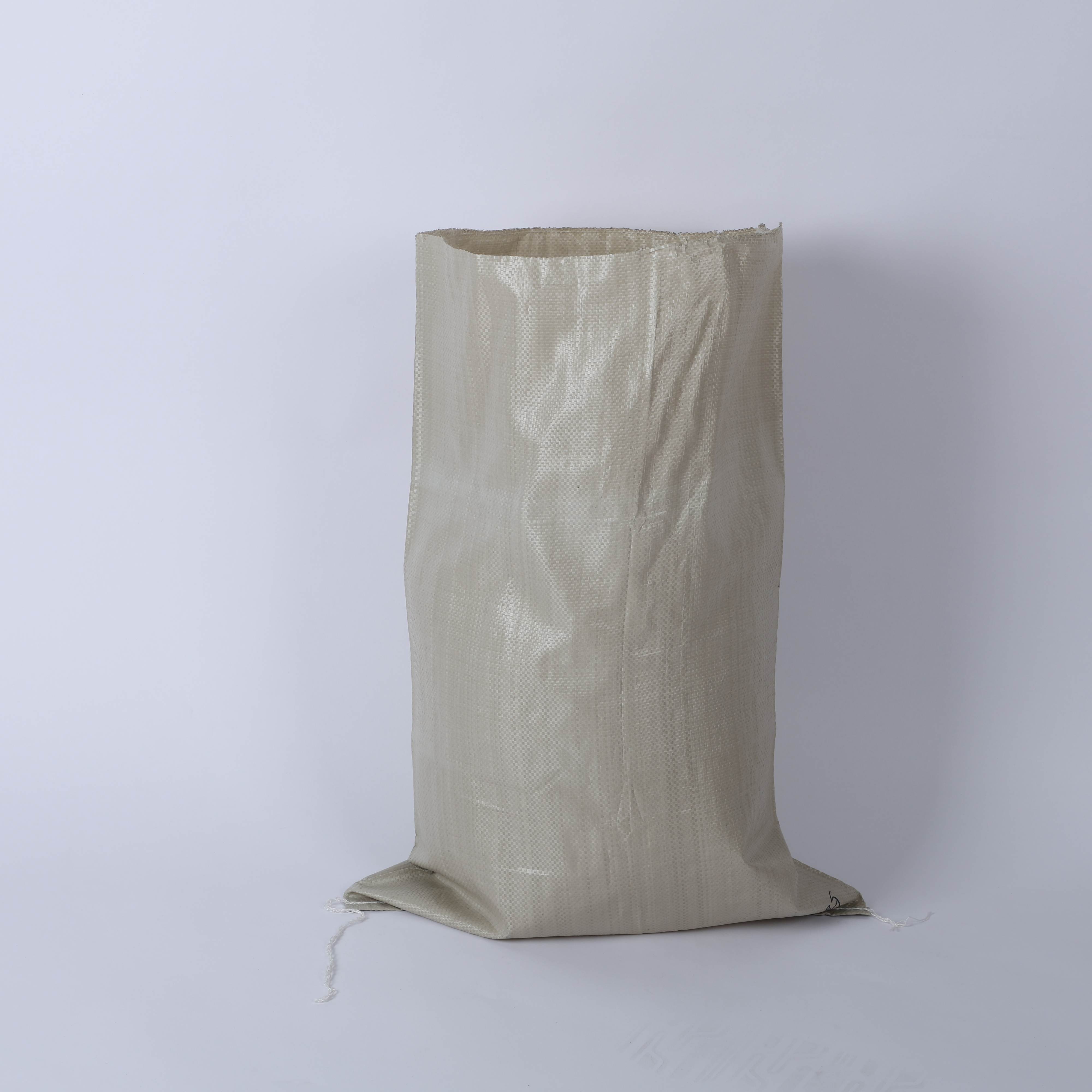
The structural decline of reused packaging bag materials stems from multiple interconnected failure mechanisms. Polypropylene and woven synthetic fibers experience cumulative damage through mechanical stress, UV exposure, temperature fluctuations, and material fatigue. Each time a used pp sack is handled, filled, transported, and emptied, its polymer matrix becomes incrementally more brittle and less able to withstand stress. Recycled woven bag performance drops measurably because the fibers lose elasticity and begin to micro-fracture, ultimately reducing tensile strength and tear resistance across successive reuse cycles.
Every time a used bag is lifted, dragged, or compressed, the fibers experience bending stress and micro-level deformation. The woven structure of secondhand pp bags distributes this stress unevenly across junction points where fibers intersect and are held together by adhesive or thermal bonding. After dozens of handling cycles, these junction points develop microscopic cracks and separations. A recycled woven bag loses its original flexibility, becoming stiffer and more prone to sudden tearing rather than gradual stretching. This mechanical fatigue fundamentally changes how the material responds to load, explaining why used packaging bags fail at lower weights than their initial use state.
Seams on a reused packaging bag experience particularly intense stress during each fill and empty cycle. As material is poured into or removed from a used pp sack, the bottom and side seams absorb dynamic forces that exceed static load calculations. Thermal bonding and stitching that held the seams together in the new material gradually separates and weakens with each cycle. The heat used in initial seam construction cannot be replicated during reuse, leaving bonded areas increasingly vulnerable to shear stress. A secondhand pp bag's seam failure often precedes overall material failure, making seam integrity a critical indicator of remaining reuse potential.
A used bag stored outdoors or in semi-protected environments faces accelerated chemical degradation from ultraviolet radiation and thermal cycling. Polypropylene polymer chains gradually break down when exposed to UV light, losing their molecular crosslinks and becoming increasingly rigid and brittle. Temperature fluctuations cause repeated expansion and contraction of the material, creating internal stress that compounds over time. Recycled woven bag materials stored in warehouses with natural light experience this UV degradation even when not actively in use, further reducing the service life of the reused packaging bag before the next handling cycle occurs.
Many reused packaging bag materials absorb moisture from humid environments, which weakens fiber-to-fiber bonding and reduces material stiffness. A used pp sack that has absorbed moisture becomes heavier, more prone to sagging under load, and susceptible to mold and mildew growth that chemically attacks the polymer structure. Secondhand pp bags used in agricultural or food storage applications face particularly high moisture exposure, accelerating degradation. Once the material dries again, residual damage remains in the polymer structure, permanently reducing the tensile strength and load capacity of the recycled woven bag for all subsequent reuse cycles.
Industrial materials follow predictable fatigue curves where repeated stress cycles reduce the maximum stress the material can withstand before failure. A used bag exhibits a lower fatigue threshold after each reuse event, meaning it can tolerate progressively smaller loads before tearing or splitting develops. By the third or fourth reuse cycle, a secondhand pp bag typically shows a measurable drop in elongation at break, indicating the material has become more brittle. The reused packaging bag no longer flexes and recovers from stress as efficiently, instead accumulating permanent deformation that weakens structural performance across all subsequent handling and storage scenarios.
Understanding this degradation pattern helps businesses determine when a recycled woven bag has reached the end of its economically viable life. A used packaging bag typically retains adequate performance through two to four reuse cycles depending on storage conditions, material quality, and handling intensity. Once a used pp sack shows visible wear patterns, reduced stiffness, or seam separation beginning to develop, its reuse value declines significantly. The cost of managing, inspecting, and potentially losing contents during another reuse cycle often exceeds the value saved by reusing the secondhand pp bag once more, making disposal or recycling a more rational business decision.
Most reused packaging bags can reliably handle two to four complete use cycles before showing significant strength loss. The exact number depends on initial material quality, storage conditions, handling intensity, and exposure to UV light and moisture. A secondhand pp bag stored in climate-controlled indoor environments typically lasts longer than one exposed to outdoor temperature and humidity fluctuations. For critical applications where consistent load capacity is required, a used bag should be retired after two cycles to minimize the risk of product loss or safety incidents.
No practical treatment can fully restore a degraded used bag to its original structural condition. Chemical treatments and surface coatings can temporarily improve surface properties of a secondhand pp bag, but they cannot reverse the internal polymer chain damage or restore fiber elasticity. Resin impregnation might extend the life of a reused packaging bag by one additional cycle, but the cost-benefit analysis rarely justifies this approach in commercial operations. Accepting that material degradation is irreversible helps businesses plan realistic reuse strategies and make timely decisions to retire used pp sacks before they fail catastrophically.
Key warning signs that a recycled woven bag has reached the end of its reuse life include visible seam separation, brittle or stiff fiber texture, reduced thickness in high-stress areas, mold or discoloration, and noticeable sagging when partially filled. A secondhand pp bag that feels noticeably stiffer or less flexible than it felt in previous use cycles indicates significant internal degradation. If a used bag develops tears or splits during normal handling that previously caused no damage, it's time to retire the material. These indicators collectively signal that the reused packaging bag's remaining structural capacity has fallen below acceptable safety and performance thresholds for continued use in most industrial applications.

Discover the 4 critical production metrics—throughput, defect rate, equipment uptime & on-time delivery—to vet factories confidently.

Ensure regulatory compliance & worker safety with proven methods for chemical woven bags—material selection, labeling, storage & training.

Discover the full PP woven bag manufacturing workflow—from extrusion & weaving to printing & QC. Boost efficiency, compliance & ROI. Download the process guide now.

Struggling with weak bags or high material waste? Master extrusion and tape drawing tech for stronger, cheaper PP woven bags. Optimize your production line now.

Struggling with defects or customer returns? Discover the 5 non-negotiable quality checkpoints across your woven bag production line
Which automation tier is right for your PP woven bag factory? Compare manual to Industry 4.0 systems for cost, quality, and scalability.
Get in touch for details on polypropylene woven bags and flexible packaging solutions.
Tel
Address
No.2015, Liaoyuan Building, Lanshan District, Linyi City, Shandong Province.China

