 EN
How to Assess Production Efficiency at a PP Woven Bag Factory
Discover the 4 critical production metrics—throughput, defect rate, equipment uptime & on-time delivery—to vet factories confidently.

2026/08/18

Selecting the right storage solution for farm produce is one of the most critical decisions agricultural operations make. Agricultural bags and bulk bins each offer distinct advantages and limitations that directly impact storage efficiency, product quality, labor requirements, and overall operational costs. Understanding the practical differences between these two primary storage methods helps farmers and agricultural businesses choose the solution that aligns with their production volume, infrastructure, budget, and long-term storage goals.
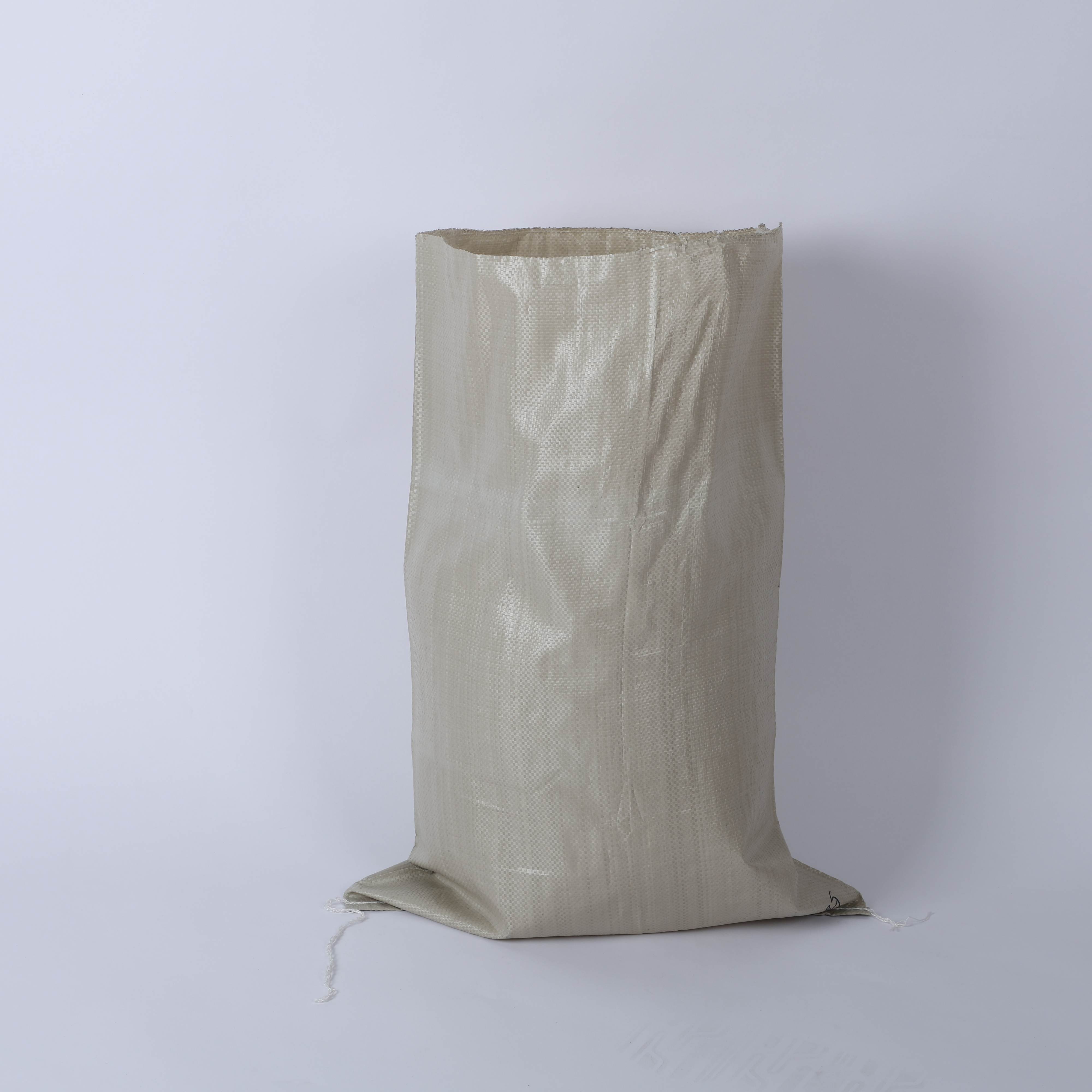
Both storage methods serve essential roles in modern agriculture, yet they cater to different operational scales, storage timeframes, and market conditions. Agricultural packaging solutions range from traditional woven sacks to advanced pp agricultural sack designs, while bulk bin systems offer centralized, climate-controlled alternatives. This comparison examines the key operational, financial, and practical factors that distinguish these approaches, enabling informed decision-making for your specific crop storage bag requirements.
Agricultural bags provide flexible capacity scaling because each unit contains a fixed amount of produce. A standard pp agricultural sack holds 25 to 50 kilograms of grain, rice, or other crops, allowing operators to stack precisely the quantity needed for their current market conditions. This modularity means that farmers can store 100 bags for a smaller harvest or 10,000 bags for a larger season without major infrastructure changes.
Bulk bins, by contrast, function as large fixed-capacity containers, typically holding 500 to 2,000 kilograms per unit. They maximize cubic space utilization within a defined footprint, making them ideal for operations with consistent, high-volume storage needs. A farm produce bag system excels in adaptability, whereas bulk bins excel in space efficiency per kilogram stored.
Agricultural packaging requires minimal infrastructure investment. A warehouse with basic shelving or stacking capabilities accommodates crop storage bags without specialized equipment. Conversely, bulk bin systems often demand climate-controlled facilities, concrete floors rated for weight concentration, and mechanical loading equipment to transfer material efficiently. For smaller operations or those with limited capital, farm produce bag storage remains more accessible and requires fewer upfront investments.
One of the most tangible differences between storage solutions involves labor efficiency and physical handling. Agricultural packaging in woven or pp agricultural sack format allows workers to move individual units manually or with light equipment. Farmers can load bags directly onto trucks, transport them to processors or markets, and manage inventory with straightforward handling protocols. This direct portability makes farm produce bag systems particularly valuable for operations serving multiple locations or markets simultaneously.
Bulk bins streamline internal transfers within a single facility but require specialized mechanical equipment for loading, unloading, and transport. Once material enters a bulk bin system, retrieval and partial distribution become more complex. Operators cannot easily divide a bulk bin's contents without mechanical assistance, which can complicate logistics for farms supplying multiple buyers or processing partners throughout a season.
Agricultural bags enclose produce immediately after harvest, minimizing dust exposure and atmospheric contamination during storage. Quality pp agricultural sack designs incorporate UV-resistant materials and moisture barriers that protect crop storage bag contents from environmental degradation over extended periods. Individual bag integrity can be inspected visually, allowing quality assurance personnel to identify and isolate compromised units before they affect larger inventory batches.
Bulk bins protect large quantities uniformly but create interdependency where a single contamination event or structural failure affects thousands of kilograms simultaneously. Retrieving a small sample from within a bulk bin for quality testing requires opening the entire unit, potentially compromising the remaining contents.
Agricultural packaging presents lower upfront costs because basic warehouse space and simple shelving satisfy storage requirements. Each farm produce bag represents a discrete material expense, typically ranging from $0.30 to $1.00 per unit depending on pp agricultural sack specifications, material quality, and order volume. Operational costs remain proportional to inventory size, scaling naturally with production.
Bulk bins require substantial capital investment, often $500 to $3,000 per container depending on size and construction. Additionally, maintaining bulk bin systems involves regular cleaning, repairs, and specialized storage facilities. While per-kilogram storage costs eventually become competitive at very high volumes, smaller operations and seasonal producers generally find agricultural packaging more cost-effective. Crop storage bag solutions offer predictable, incremental expenses rather than fixed infrastructure burdens.
Agricultural bags enable farmers to segment inventory by harvest date, quality grade, or intended market. If market prices rise unexpectedly, producers can quickly gather specific bags and ship to the highest-paying buyer without disrupting the broader storage system. This flexibility creates competitive advantages in volatile agricultural markets where timing and speed directly affect profitability.
Bulk bins lock produce into centralized storage, reducing the ability to respond quickly to market opportunities or segregate inventory for targeted sales. Premium quality lots cannot be easily distinguished from standard batches once combined in large containers, potentially reducing revenue from high-value produce.
Modern agricultural packaging, including woven pp agricultural sack options, increasingly incorporates recyclable and biodegradable materials. Many farm produce bag suppliers now offer bags made from recycled polypropylene or natural fibers that align with environmental regulations and consumer preferences. Agricultural bags generate manageable waste streams, and many can be reused for multiple seasons, reducing overall material consumption.
Bulk bins present durability advantages in certain contexts; a single large container may have a 10 to 20-year lifespan, reducing waste per unit cycle. However, they occupy permanent space and cannot easily transition between facilities, creating stranded assets if operational needs change. Crop storage bag systems adapt more fluidly to evolving environmental standards and sustainability requirements because individual bags can be updated or replaced incrementally.
Agricultural packaging supports detailed traceability because each farm produce bag can be labeled with harvest date, grower information, quality certifications, and lot identification. This transparency satisfies modern supply chain compliance requirements and consumer demands for origin verification. Bulk bins complicate traceability by consolidating multiple source batches into single containers, making it difficult to isolate and recall specific lots if contamination or quality issues arise.
Agricultural bags are typically superior for small-scale operations because they require minimal infrastructure investment and allow flexible scaling. Farmers can purchase exactly the number of farm produce bags needed each season without committing to expensive bulk bin systems. The pp agricultural sack format supports direct market sales and multiple revenue channels without logistical complications inherent to centralized bulk storage.
Yes, many mid-sized and large agricultural operations use hybrid approaches, combining bulk bins for high-volume baseline storage with agricultural bags for market-responsive inventory segmentation. This strategy leverages the space efficiency of crop storage bags for long-term holdings while maintaining agricultural packaging's flexibility for immediate market access. The specific mix depends on harvest volume, facility capabilities, and market dynamics within each operation.
Quality pp agricultural sack systems can maintain produce freshness for 6 to 12 months depending on the crop type, storage temperature, and humidity control. Bulk bins similarly preserve freshness across comparable timeframes when properly climate-controlled. The critical factor is environmental management rather than container type; both agricultural packaging and bulk bins require temperature stability, ventilation, and pest protection to maximize shelf life.

Discover the 4 critical production metrics—throughput, defect rate, equipment uptime & on-time delivery—to vet factories confidently.

Ensure regulatory compliance & worker safety with proven methods for chemical woven bags—material selection, labeling, storage & training.

Discover the full PP woven bag manufacturing workflow—from extrusion & weaving to printing & QC. Boost efficiency, compliance & ROI. Download the process guide now.

Struggling with weak bags or high material waste? Master extrusion and tape drawing tech for stronger, cheaper PP woven bags. Optimize your production line now.

Struggling with defects or customer returns? Discover the 5 non-negotiable quality checkpoints across your woven bag production line
Which automation tier is right for your PP woven bag factory? Compare manual to Industry 4.0 systems for cost, quality, and scalability.
Get in touch for details on polypropylene woven bags and flexible packaging solutions.
Tel
Address
No.2015, Liaoyuan Building, Lanshan District, Linyi City, Shandong Province.China

