 EN
How to Assess Production Efficiency at a PP Woven Bag Factory
Discover the 4 critical production metrics—throughput, defect rate, equipment uptime & on-time delivery—to vet factories confidently.

2026/08/24
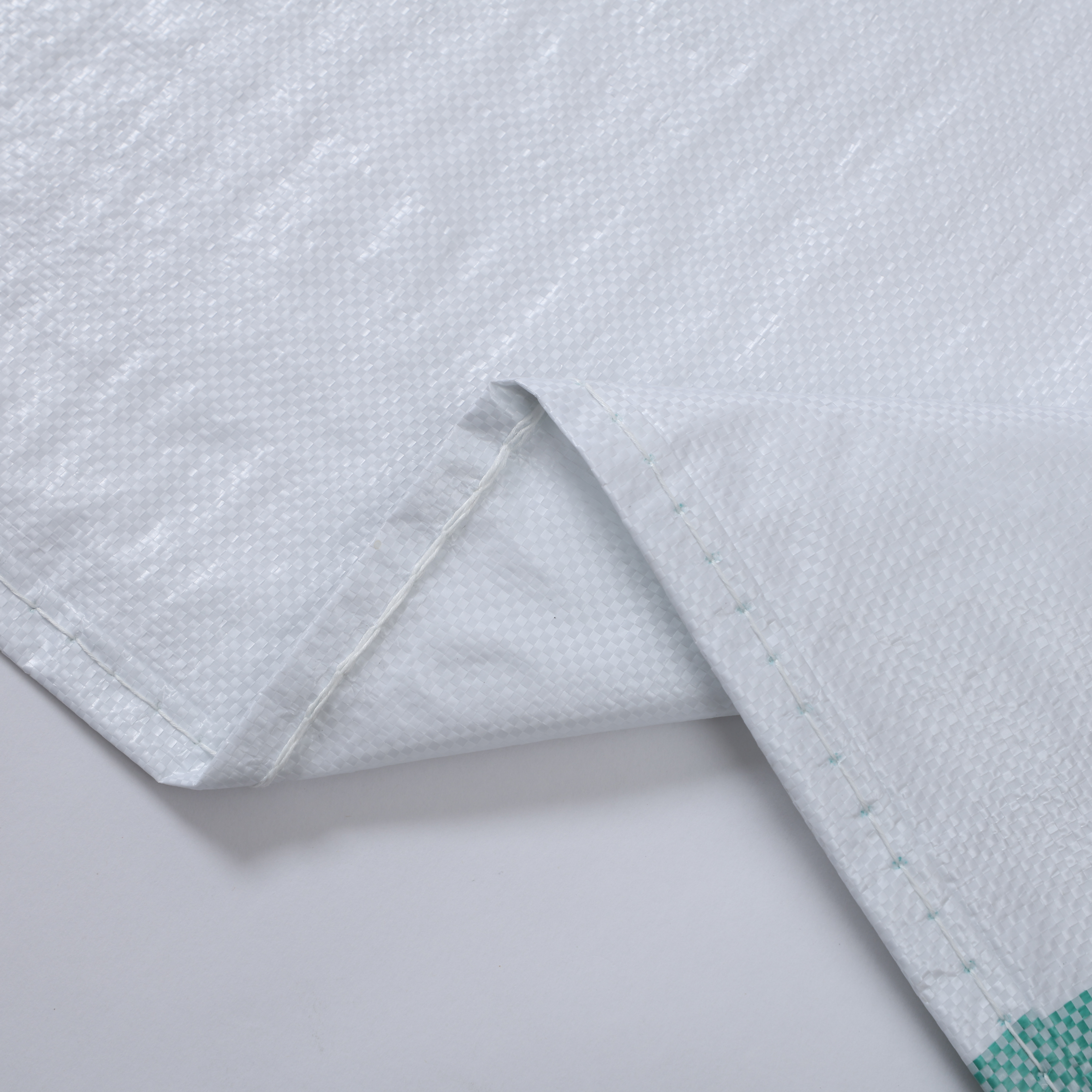
Choosing the right agricultural packaging bags is a critical decision for farm operations handling produce storage and distribution. Farmers and agricultural businesses must evaluate multiple packaging solutions to protect their crops while managing costs and operational efficiency. The two dominant options in the market are woven agricultural packaging and cardboard cartons, each offering distinct advantages and limitations that directly impact product quality, handling expenses, and market readiness.
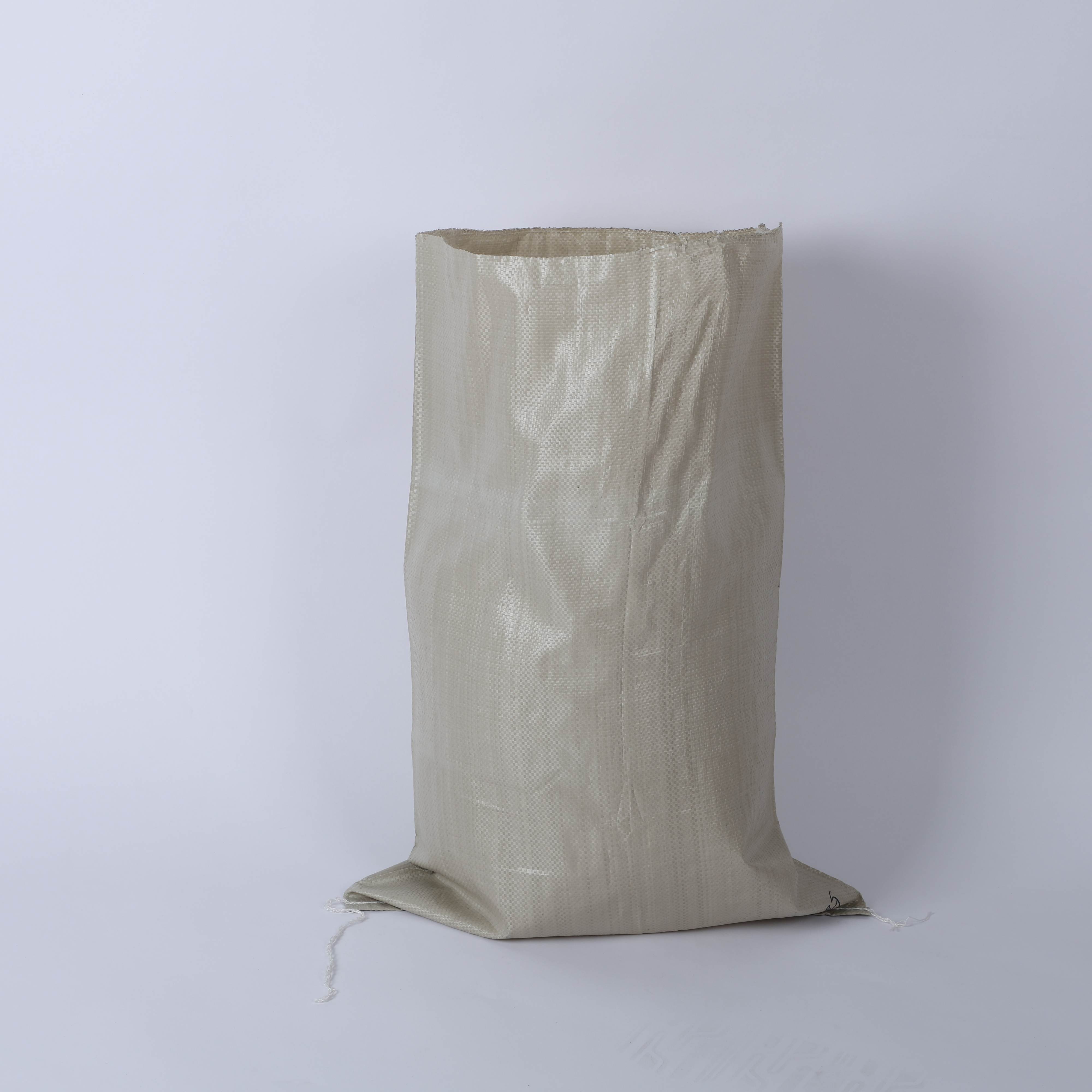
Understanding the fundamental differences between these farm packaging bag types helps agricultural operations select the solution that aligns with their crop type, climate conditions, storage duration, and market positioning. Both woven and cardboard options serve legitimate functions across different produce categories and supply chain scenarios. This guide compares their structural performance, cost implications, sustainability profiles, and practical suitability to help you make an informed decision for your specific produce storage bag requirements.
Woven agricultural packaging features a multi-layered, interlocking fiber construction that provides superior tear resistance and puncture durability compared to single-wall cardboard. The pp agricultural packaging design creates a fabric that flexes without rupturing, making these bags ideal for rough handling, mechanical loading, and stacked storage in farm warehouses. Woven bags maintain structural integrity even when exposed to moisture, humidity fluctuations, and temperature variations that commonly occur in agricultural storage environments.
The density and weave pattern of pp agricultural packaging determines its load capacity and protective qualities. Heavy-duty woven bags can withstand repeated compression, abrasion against warehouse surfaces, and impacts from equipment without losing their protective barrier function. This durability means fewer damaged shipments, reduced product loss, and lower replacement costs across multiple harvest cycles.
Cardboard cartons offer lighter structural performance compared to woven agricultural packaging solutions. The cellulose-based material becomes compromised when exposed to high humidity or direct moisture contact, weakening the box walls and risking product contamination or crushing. Repeated stacking pressure, equipment handling, and vibration during transport can compromise cardboard integrity, particularly for heavier produce loads or extended storage periods.
The crop packaging solution using cardboard works adequately for shorter supply chains and controlled environments, but struggles in rustic farm settings or outdoor storage scenarios. Cardboard cartons require protective wrapping or climate-controlled conditions to maintain performance, adding operational complexity and secondary packaging costs.
A crop packaging solution using woven bags typically carries a higher initial per-unit cost compared to cardboard cartons, but this upfront expense must be evaluated against durability and reusability potential. Many agricultural operations use pp agricultural packaging bags multiple times within a single season, dramatically reducing the effective cost per shipment. The bags survive repeated handling, stacking, and transport cycles that would destroy cardboard alternatives.
Cardboard cartons present lower initial costs but require continuous replenishment after each use. For high-volume operations moving multiple harvest batches annually, the cumulative cardboard expense often exceeds the total cost of investing in durable woven farm packaging bag inventory. Operations processing 100 tons or more of produce seasonally typically achieve cost advantage with woven solutions within the first or second growing season.
Waste management represents a significant hidden cost factor in the cardboard versus woven comparison for produce storage bag strategies. Cardboard disposal, recycling logistics, and landfill fees accumulate across large-scale farming operations. Woven agricultural packaging remains on the farm as reusable inventory, eliminating disposal costs and reducing environmental impact. Storage space for unused cardboard inventory also creates warehouse constraints during off-season periods.
Labor costs for packaging preparation, handling damaged containers, and managing product loss from failed cardboard containment factor into the true economic comparison. A crop packaging solution incorporating woven bags reduces handling complexity and minimizes contamination-related loss, creating measurable savings in overall supply chain efficiency.
Consumers and retailers increasingly prefer products packaged in sustainable farm packaging bag solutions that minimize environmental impact. Woven pp agricultural packaging meets this demand through durability and reusability, reducing the total material consumption per shipment compared to single-use cardboard cartons. The ability to reuse woven bags dozens of times aligns with corporate sustainability commitments and appeals to environmentally conscious buyers seeking responsible agricultural produce.
Cardboard cartons carry environmental credibility through recyclability, but the frequent replacement requirement and disposal frequency offset this advantage in high-volume operations. Modern agricultural supply chains increasingly demand produce storage bag options that balance environmental responsibility with practical durability. Market research indicates premium pricing power for produce distributed in durable, reusable packaging compared to single-use alternatives.
Different crop packaging solutions must comply with food safety regulations, pesticide residue standards, and agricultural product certification requirements depending on destination markets. Woven agricultural packaging made from food-grade polypropylene meets international food safety standards when sourced from certified manufacturers. Cardboard cartons sometimes require additional food-grade lining or coating to meet export requirements, adding cost and complexity.
Export markets and premium distribution channels often specify packaging characteristics that favor durable farm packaging bag solutions. Compliance documentation, material certification, and traceability requirements present fewer barriers with established pp agricultural packaging suppliers compared to sourcing cardboard alternatives. Organizations targeting international markets should evaluate their chosen crop packaging solution against specific regulatory frameworks in destination regions.
Farms should select woven agricultural packaging bags when storing produce for extended periods, handling rough transportation conditions, or managing high volumes requiring cost-effective per-shipment economics. Operations storing grains, legumes, or root vegetables benefit from the moisture resistance and durability of pp agricultural packaging. If your farm processes over 50 tons seasonally, moves produce through multiple distribution points, or aims to minimize waste, a crop packaging solution using woven bags typically delivers superior value compared to cardboard alternatives.
Woven agricultural packaging excels for bulk produce like grains, rice, corn, beans, potatoes, and onions that tolerate repeated handling and benefit from extended shelf life. Cardboard cartons suit lighter produce requiring premium presentation, such as packaged fruits, specialty vegetables, or retail-ready units where single-use is acceptable. The produce storage bag choice depends on your intended market channel, supply chain length, and storage conditions more than the crop type itself.
Humid, tropical, or wet climates strongly favor woven pp agricultural packaging because moisture rapidly degrades cardboard structural integrity. Desert or arid environments present fewer moisture concerns but still benefit from the mechanical durability that woven solutions provide. High-temperature storage areas where cardboard becomes brittle or risks collapse also warrant the robustness of a crop packaging solution featuring woven construction. Your regional climate should heavily influence packaging selection decisions.

Discover the 4 critical production metrics—throughput, defect rate, equipment uptime & on-time delivery—to vet factories confidently.

Ensure regulatory compliance & worker safety with proven methods for chemical woven bags—material selection, labeling, storage & training.

Discover the full PP woven bag manufacturing workflow—from extrusion & weaving to printing & QC. Boost efficiency, compliance & ROI. Download the process guide now.

Struggling with weak bags or high material waste? Master extrusion and tape drawing tech for stronger, cheaper PP woven bags. Optimize your production line now.

Struggling with defects or customer returns? Discover the 5 non-negotiable quality checkpoints across your woven bag production line
Which automation tier is right for your PP woven bag factory? Compare manual to Industry 4.0 systems for cost, quality, and scalability.
Get in touch for details on polypropylene woven bags and flexible packaging solutions.
Tel
Address
No.2015, Liaoyuan Building, Lanshan District, Linyi City, Shandong Province.China

