 EN
How to Assess Production Efficiency at a PP Woven Bag Factory
Discover the 4 critical production metrics—throughput, defect rate, equipment uptime & on-time delivery—to vet factories confidently.

2026/09/02
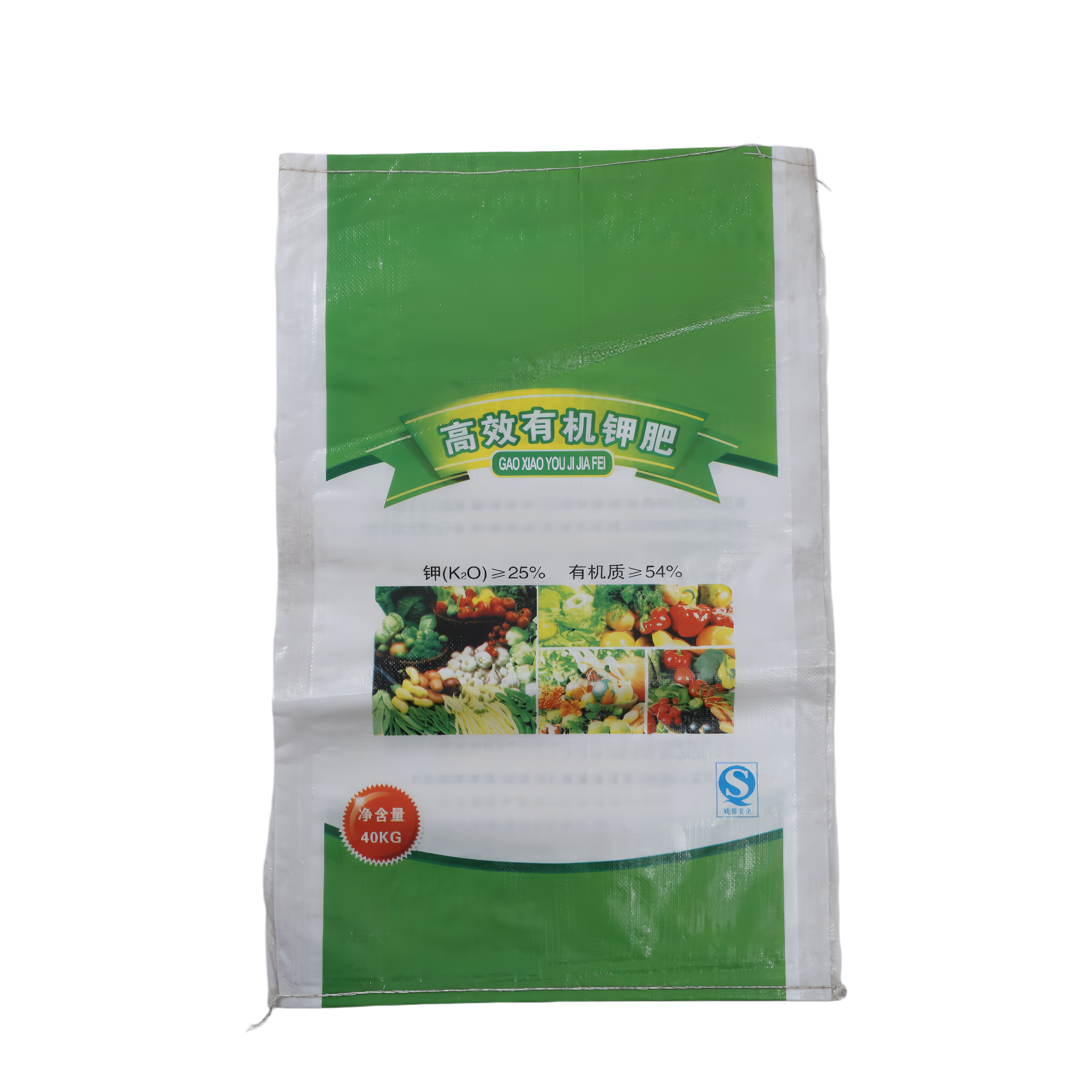
Choosing between animal feed bags and bulk feed bins represents one of the most consequential storage decisions for farm operations. Both solutions offer distinct advantages and tradeoffs that directly influence operational efficiency, product quality, cost management, and labor allocation. The right choice depends on your farm scale, livestock types, storage infrastructure, and long-term feeding strategy. Understanding the practical differences between these two approaches helps ensure you select a storage system that aligns with your actual needs rather than industry assumptions.
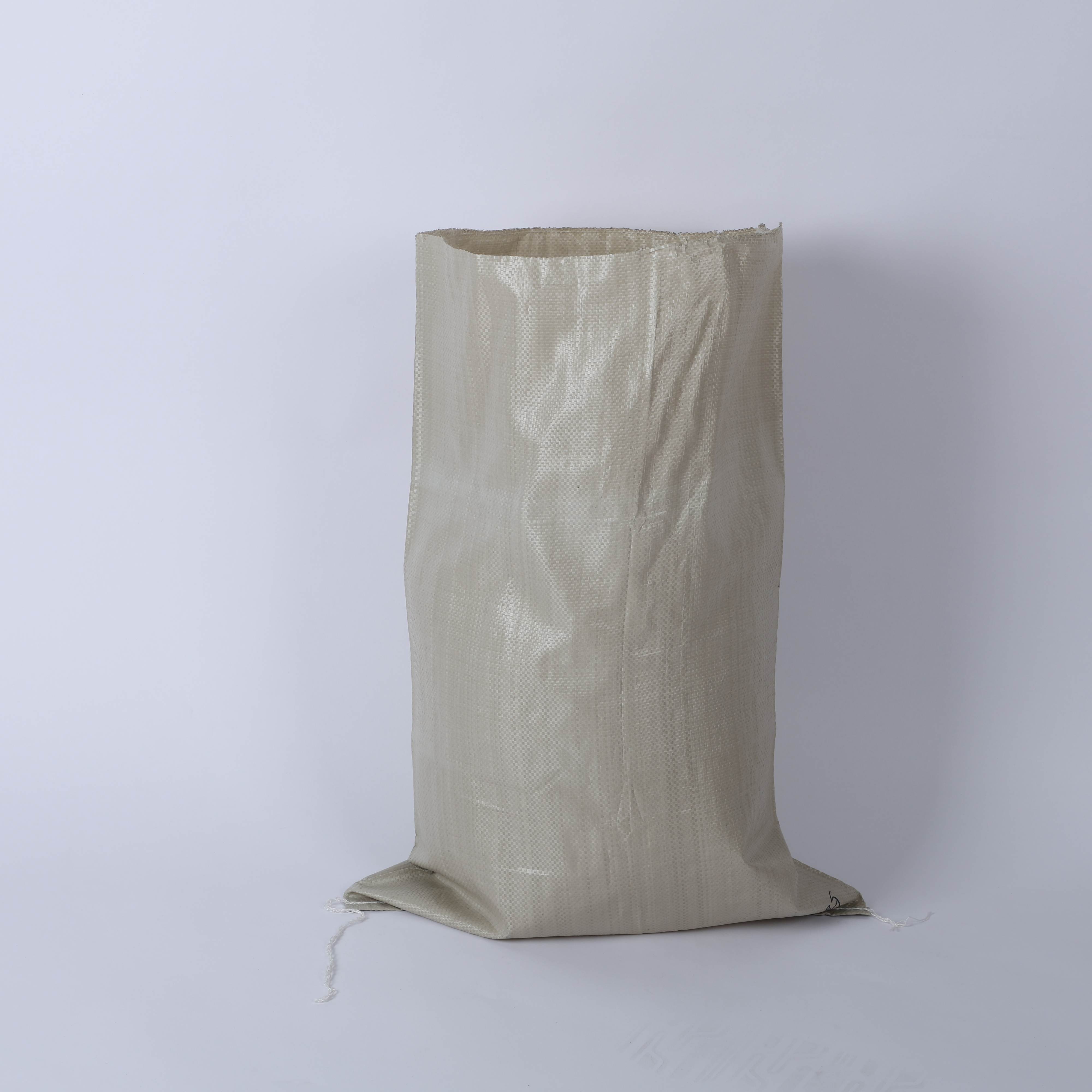
Woven animal feed bags have remained the industry standard for decades because they deliver flexibility, protection, and accessibility that bulk systems often struggle to match. Whether you handle poultry feed bags, livestock feed packaging for cattle, or specialized feed storage sack formats, bagged solutions provide measurable advantages in contamination control, portion management, and operational scalability. Bulk feed bins, conversely, excel in high-volume operations where consistency, automation, and labor efficiency drive profitability. This comparison explores the practical realities of both approaches so you can make an informed decision based on your farm's actual requirements.
Woven pp feed bag solutions provide inherent flexibility that bulk systems cannot replicate. You can scale feed purchases up or down based on immediate herd requirements without investing in additional infrastructure. A dairy farm managing seasonal herd expansion benefits significantly from this adaptability. Livestock feed packaging in bag form also allows you to stock multiple feed formulations simultaneously, switching between products based on animal performance, health protocols, or nutrition adjustments. This flexibility directly supports precision livestock management and reduces the risk of maintaining surplus inventory in inappropriate formulations.
Animal feed bags provide superior contamination barriers compared to bulk feed bins in many farm environments. Each sealed poultry feed bag or feed storage sack maintains environmental isolation, protecting contents from moisture intrusion, pest infiltration, and cross-contamination from adjacent products. Individual bags allow you to implement strict feed rotation protocols, ensure older inventory reaches animals first, and immediately identify and remove any compromised product. For operations managing multiple livestock species or specialized nutrition programs, this level of product isolation proves invaluable. pp feed bag construction typically incorporates moisture-resistant layers that maintain nutritional integrity throughout storage and transport cycles.
Bulk feed bins deliver compelling economic advantages in large-scale operations where volume justifies infrastructure investment. Eliminating the labor required for handling individual animal feed bags reduces overall feed management costs substantially. Modern bin systems integrate with automated delivery mechanisms, reducing manual material handling and freeing personnel for higher-value tasks. For operations managing 500 or more livestock units, the per-unit cost savings from bulk storage frequently exceed the initial equipment investment within two to three seasons. Bulk systems also simplify feed delivery logistics, particularly for contract feeders managing multiple farm locations with consistent feed specifications.
Bulk feed bins facilitate uniform feed delivery and nutrition consistency that supports standardized livestock management protocols. Integrated metering systems ensure precise portion control and eliminate variation inherent in manual bagging processes. This consistency directly supports growth targets, feed conversion ratios, and production metrics across large herds. Bulk systems also reduce environmental variables affecting product quality by maintaining controlled storage conditions. For commercial poultry operations or large cattle feedlots operating under strict production specifications, bulk feed bins provide the operational standardization that drives financial predictability.
Animal feed bags require significantly less infrastructure investment and space compared to bulk feed bins. A modest storage facility with basic weather protection accommodates substantial bagged feed inventory. Woven pp feed bag solutions adapt to existing farm structures, whether you utilize barn storage, covered shelters, or dedicated feed rooms. Bulk feed bins, conversely, demand substantial floor space, foundation preparation, and sometimes permanent installation. Small and mid-size farms frequently lack the available space or infrastructure to justify bulk bin investment. Even seasonal feed storage patterns favor bagged livestock feed packaging when temporary storage capacity matters more than permanent infrastructure.
Bulk feed bins require ongoing maintenance including aeration system inspections, moisture monitoring, and pest deterrent protocols. Mechanical failures in bin systems can compromise entire inventory batches. Animal feed bags eliminate these mechanical complexity concerns while offering simpler inventory management and feed rotation. Feed storage sack handling also accommodates farms with variable labor availability or seasonal staffing fluctuations. When equipment failures occur with bulk systems, operational disruptions cascade across entire feeding programs. Bagged poultry feed bags and livestock feed packaging provide operational resilience through their inherent simplicity and independence from complex mechanical systems.
Small farms should consider bulk feed bins only when livestock operations exceed 400 to 500 units and feed requirements stabilize at consistently high volumes. If your operation maintains diverse feed formulations, manages seasonal herd fluctuations, or operates with limited storage infrastructure, woven animal feed bags remain the optimal choice. The economic justification for bulk storage depends on sustained volume, not theoretical capacity. Calculate your actual annual feed tonnage and compare per-unit costs between bagged livestock feed packaging and bulk systems before committing to infrastructure investment. Many mid-size operations find that hybrid approaches, combining bulk bins for commodity feeds with pp feed bag backup for specialized nutrition, optimize both efficiency and flexibility.
High-quality pp feed bag construction directly impacts nutritional preservation throughout extended storage periods. Premium woven livestock feed packaging incorporates multi-layer construction, UV protection, and moisture barriers that maintain feed integrity for six to twelve months. Lower-grade poultry feed bag materials compromise product quality within weeks, particularly in humid climates or outdoor storage scenarios. Investing in quality animal feed bags reduces waste from spoilage and protects animal health by preventing mold formation and nutritional degradation. The incremental cost difference between standard and premium pp feed bag options typically equals only 5 to 8 percent of overall feed expenses while providing measurable protection on inventory investments.
Yes, quality woven animal feed bags support extended storage periods when properly managed with appropriate climate conditions and pest prevention measures. Feed storage sack systems designed for agricultural use maintain seal integrity and structural stability across 12 to 24 month storage windows. Rotating inventory systematically, protecting bags from direct weather exposure, and monitoring moisture levels enables reliable long-term storage without nutritional compromise. Livestock feed packaging formats with reinforced construction and premium barrier materials outperform bulk bins when storage conditions remain controlled. Many farms successfully maintain pp feed bag backup reserves for contingency situations or seasonal planning while relying on bulk systems for daily operations.

Discover the 4 critical production metrics—throughput, defect rate, equipment uptime & on-time delivery—to vet factories confidently.

Ensure regulatory compliance & worker safety with proven methods for chemical woven bags—material selection, labeling, storage & training.

Discover the full PP woven bag manufacturing workflow—from extrusion & weaving to printing & QC. Boost efficiency, compliance & ROI. Download the process guide now.

Struggling with weak bags or high material waste? Master extrusion and tape drawing tech for stronger, cheaper PP woven bags. Optimize your production line now.

Struggling with defects or customer returns? Discover the 5 non-negotiable quality checkpoints across your woven bag production line
Which automation tier is right for your PP woven bag factory? Compare manual to Industry 4.0 systems for cost, quality, and scalability.
Get in touch for details on polypropylene woven bags and flexible packaging solutions.
Tel
Address
No.2015, Liaoyuan Building, Lanshan District, Linyi City, Shandong Province.China

