 EN
How to Assess Production Efficiency at a PP Woven Bag Factory
Discover the 4 critical production metrics—throughput, defect rate, equipment uptime & on-time delivery—to vet factories confidently.

2026/08/10
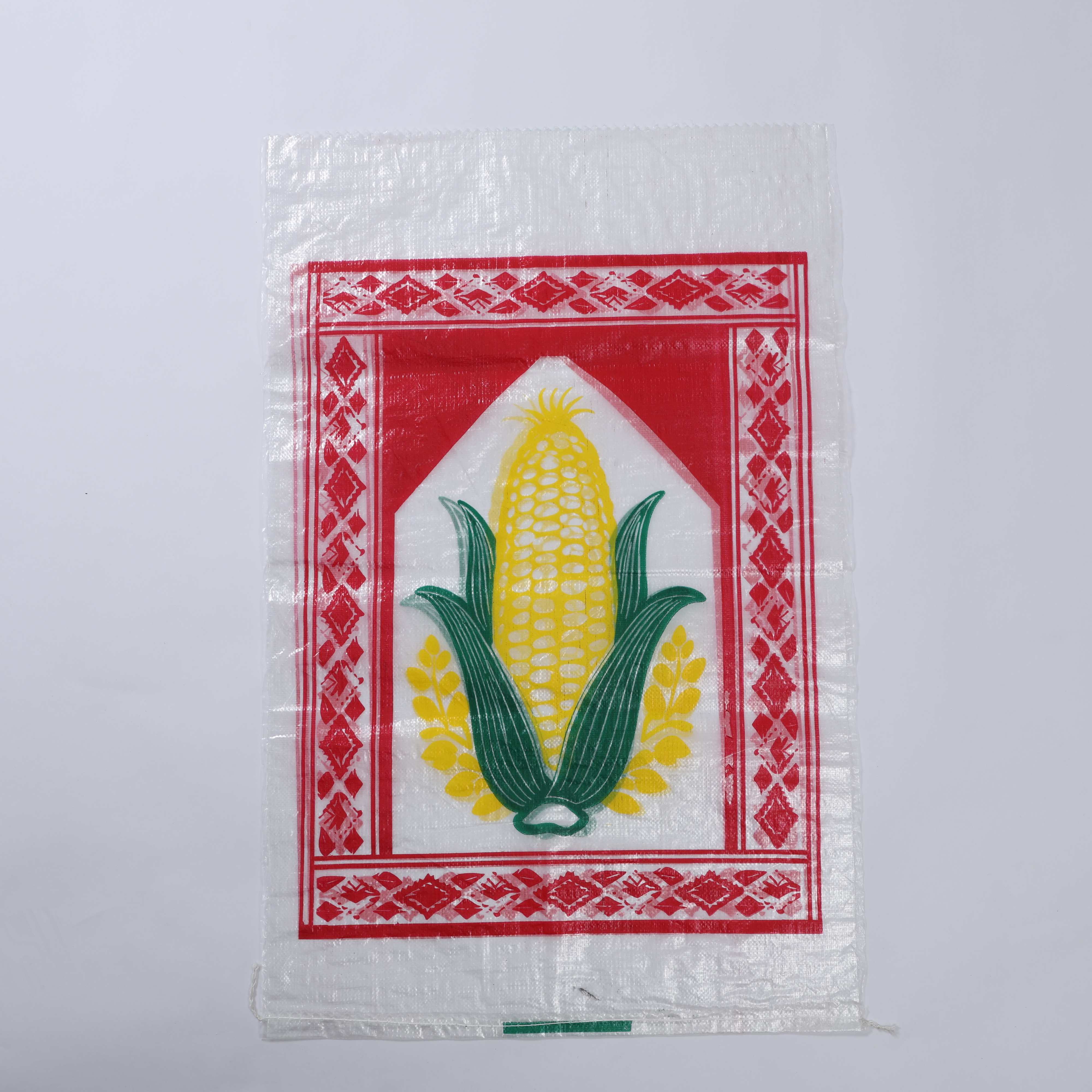
Choosing the right storage solution for farm grain is one of the most critical decisions agricultural operations face. The debate between woven corn bag options and plastic silo bags has intensified as farmers seek cost-effective, durable, and practical grain storage methods. Both storage approaches offer distinct advantages and limitations, and understanding these differences helps determine which solution best fits your farm's specific needs, scale, and operational goals.
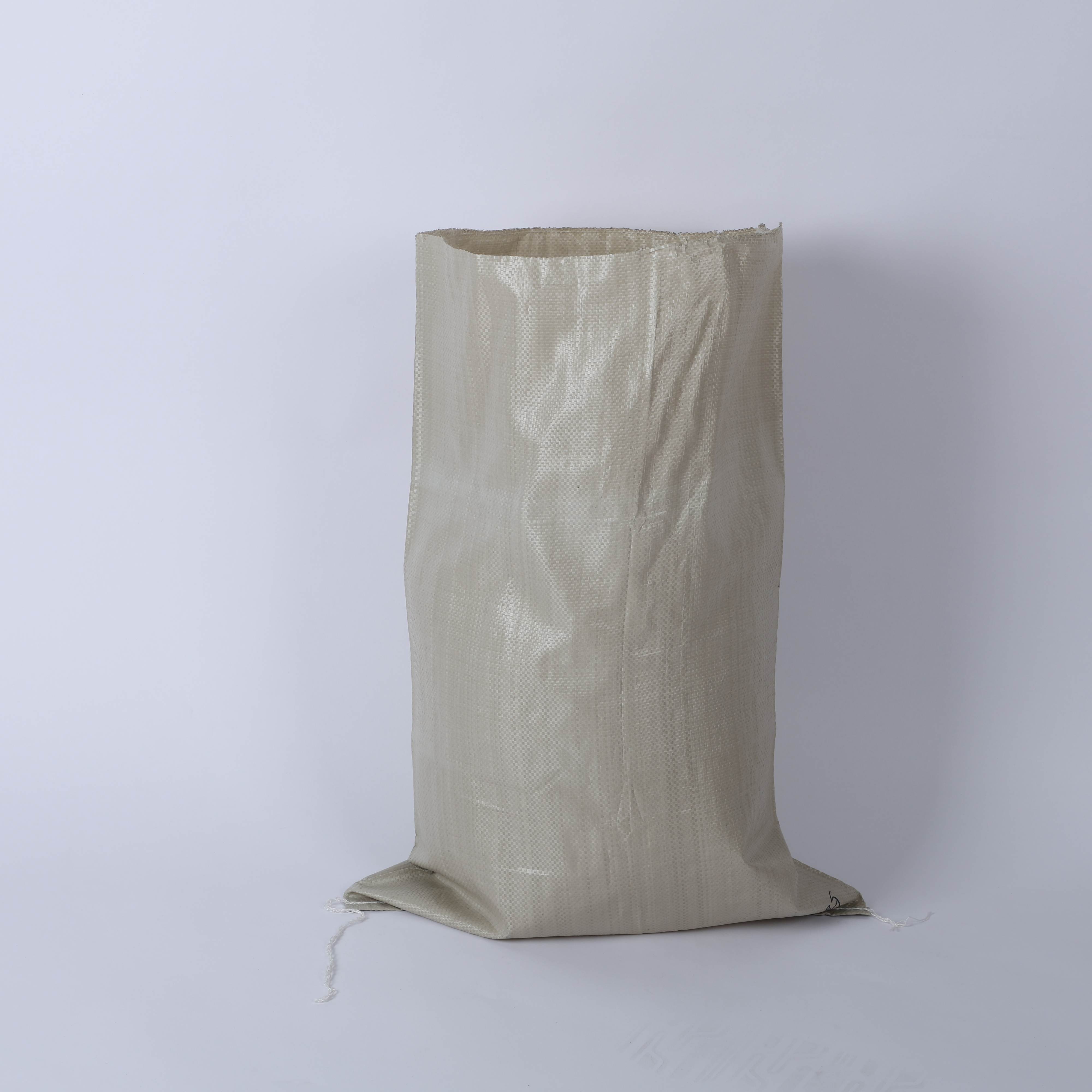
Farm grain storage requires balancing multiple factors including initial investment, long-term durability, ease of handling, grain protection, and environmental considerations. Whether you manage small-scale grain operations or large commercial farms, the choice between woven corn packaging bag systems and plastic silo storage directly impacts your bottom line, grain quality outcomes, and operational efficiency. This comprehensive guide examines the practical differences between these two storage methods to help you make an informed decision aligned with your farm's unique circumstances.
Woven grain woven bags, particularly those made from polypropylene, demonstrate exceptional durability when properly maintained. The corn storage bag construction involves tightly woven polypropylene fibers that create a robust barrier against physical damage during handling, transport, and storage. Unlike single-layer plastics, a high-quality pp corn bag provides multi-directional strength that withstands punctures, abrasion, and mechanical stress from machinery and stacking operations. The woven structure also allows controlled breathability, which helps regulate moisture levels inside the bag while preventing external contamination.
The grain woven bag design typically includes reinforced stitching along seams, ensuring structural integrity even under heavy loads. Woven corn packaging bag products engineered for agricultural use often incorporate UV-stabilized additives that prevent degradation from prolonged sun exposure, extending storage life significantly. Many farmers report that quality woven corn bags maintain their functional integrity for multiple storage cycles, making them a practical long-term investment. The material resists tearing and puncturing far more effectively than thin plastic films, reducing loss and waste during the storage period.
Plastic silo bags utilize thick, multi-layered film technology designed to create an oxygen-depleted environment that preserves grain quality. These bags employ industrial-grade polyethylene or specialized agricultural plastics that offer excellent puncture resistance in their initial deployment. However, plastic silo bags are designed for single-use or limited-use applications, meaning durability must be evaluated within this context. The material thickness typically ranges from 120 to 200 microns, creating a strong barrier but one that degrades over time when exposed to UV light, temperature fluctuations, and mechanical stress.
Plastic silo bag durability depends heavily on proper installation, environmental conditions, and handling practices. Once punctured or compromised, these bags lose their airtight integrity and cannot be effectively repaired. While the initial material quality is high, the cost per use becomes a significant factor when considering the short operational lifespan. Farmers using plastic silo bags often replace them annually or after a single storage season, whereas woven corn storage bags can be reused across multiple seasons, fundamentally changing the cost-benefit analysis.
The upfront cost of pp corn bag systems appears higher than plastic silo bags when examining unit price alone. Quality woven corn packaging bags typically cost more per unit than single-use plastic alternatives. However, the true economic picture emerges when calculating cost per storage cycle or cost over multiple years. A durable corn bag can function effectively for five to ten seasons depending on maintenance and storage conditions, dramatically lowering the per-season expense. This longevity transforms the initial investment into a cost-effective long-term storage solution for farms with consistent grain handling operations.
Plastic silo bags present lower initial costs but generate ongoing replacement expenses. Since these bags are typically used once per season and cannot be effectively repaired when damaged, farms must budget for complete annual replacement. For operations storing significant grain quantities year after year, the cumulative cost of replacing plastic silo bags can exceed the cost of purchasing quality woven grain woven bags multiple times over. The grain storage bag choice fundamentally depends on storage frequency, volume, and planning horizon.
Woven corn storage bags offer distinct labor advantages that contribute to overall economic efficiency. These bags can be quickly filled, stacked, and moved using standard agricultural equipment without specialized tools or installation processes. The versatility of corn packaging bag systems allows farmers to adjust storage capacity dynamically, adding or removing bags as seasonal needs change. Transport and repositioning woven bags requires minimal specialized labor, and handling damaged bags is straightforward since they can be repaired with basic materials and techniques.
Plastic silo bags require more complex installation procedures, specialized equipment for proper sealing, and careful site preparation. The setup process demands skilled labor and precise technique to ensure the airtight integrity essential for grain preservation. Additionally, removing and replacing plastic silo bags at season end involves labor-intensive procedures. These operational complexities translate into hidden labor costs that must be factored into the true economic comparison between woven grain woven bag and plastic silo bag storage systems.
The primary advantage of plastic silo bags lies in their ability to create hermetically sealed storage environments that exclude oxygen and dramatically slow grain degradation. This oxygen-depleted atmosphere extends grain freshness and prevents pest infestation more effectively than open-air storage. For farmers prioritizing long-term grain preservation with minimal active management, the airtight properties of plastic silo bags provide significant value. The corn bag storage capability reaches its peak when environmental conditions allow proper setup and maintenance of sealed conditions.
Woven grain woven bags, while not providing complete oxygen exclusion, offer superior breathability that helps prevent excessive moisture accumulation inside the storage container. This regulated moisture exchange helps maintain grain quality by preventing the condensation and mold growth that can occur in completely sealed environments under certain humidity and temperature conditions. The corn storage bag design works particularly well in climates with stable weather patterns and when combined with proper ventilation and moisture management practices. Many farmers use desiccants or moisture-absorbing materials within woven pp corn bags to achieve excellent preservation results.
Both storage methods provide physical barriers against pest entry when properly maintained. Plastic silo bags offer superior pest exclusion due to their complete seal, making them ideal in regions with severe pest pressures or for farmers prioritizing organic production standards. The hermetic seal of plastic silo bag systems essentially creates a controlled atmosphere that naturally repels insects and rodents. Woven corn packaging bag systems require active pest management including sealed storage facilities, proper sanitation, and monitoring procedures, but these practices have proven effective across diverse agricultural regions for generations.
The choice between grain woven bag and plastic silo bag systems for pest management depends on your region's specific challenges and your willingness to implement complementary storage practices. Farms in high-pest regions may benefit from plastic's inherent advantages, while operations in temperate zones with good storage facility management can achieve excellent pest control using woven corn bags combined with proper facility design and sanitation protocols.
Quality woven corn packaging bags, when properly maintained and stored in suitable conditions, typically last five to ten seasons or more. The pp corn bag lifespan depends on factors including material quality, UV protection additives, handling practices, and environmental exposure. Bags stored indoors in protected environments last significantly longer than those exposed to direct sunlight and weather extremes. Regular inspection and repair of minor damage extends the functional lifespan considerably, making woven grain woven bags among the most economical long-term grain storage solutions available to farmers.
Yes, woven corn bags can be effectively repaired using various methods including patch kits, stitching, or specialized adhesive solutions designed for polypropylene materials. Small tears and punctures in corn packaging bags can be addressed quickly without removing the stored grain, minimizing disruption to storage operations. This repairability distinguishes corn storage bags from plastic silo bags, which cannot be effectively repaired once compromised. The ability to repair woven grain woven bags further contributes to their economic advantage over single-use plastic alternatives, particularly for long-term storage operations.
Both methods can preserve grain quality effectively when deployed correctly, but they excel in different scenarios. Plastic silo bags create superior hermetic conditions that maximize grain freshness in sealed environments and prevent pest damage more completely. Woven corn storage bags maintain grain quality through regulated moisture management and require complementary practices like facility design, sanitation, and environmental monitoring. The best choice depends on your specific climate, grain type, storage duration, budget constraints, and operational preferences rather than absolute quality differences.

Discover the 4 critical production metrics—throughput, defect rate, equipment uptime & on-time delivery—to vet factories confidently.

Ensure regulatory compliance & worker safety with proven methods for chemical woven bags—material selection, labeling, storage & training.

Discover the full PP woven bag manufacturing workflow—from extrusion & weaving to printing & QC. Boost efficiency, compliance & ROI. Download the process guide now.

Struggling with weak bags or high material waste? Master extrusion and tape drawing tech for stronger, cheaper PP woven bags. Optimize your production line now.

Struggling with defects or customer returns? Discover the 5 non-negotiable quality checkpoints across your woven bag production line
Which automation tier is right for your PP woven bag factory? Compare manual to Industry 4.0 systems for cost, quality, and scalability.
Get in touch for details on polypropylene woven bags and flexible packaging solutions.
Tel
Address
No.2015, Liaoyuan Building, Lanshan District, Linyi City, Shandong Province.China

