 EN
How to Assess Production Efficiency at a PP Woven Bag Factory
Discover the 4 critical production metrics—throughput, defect rate, equipment uptime & on-time delivery—to vet factories confidently.

2026/09/03
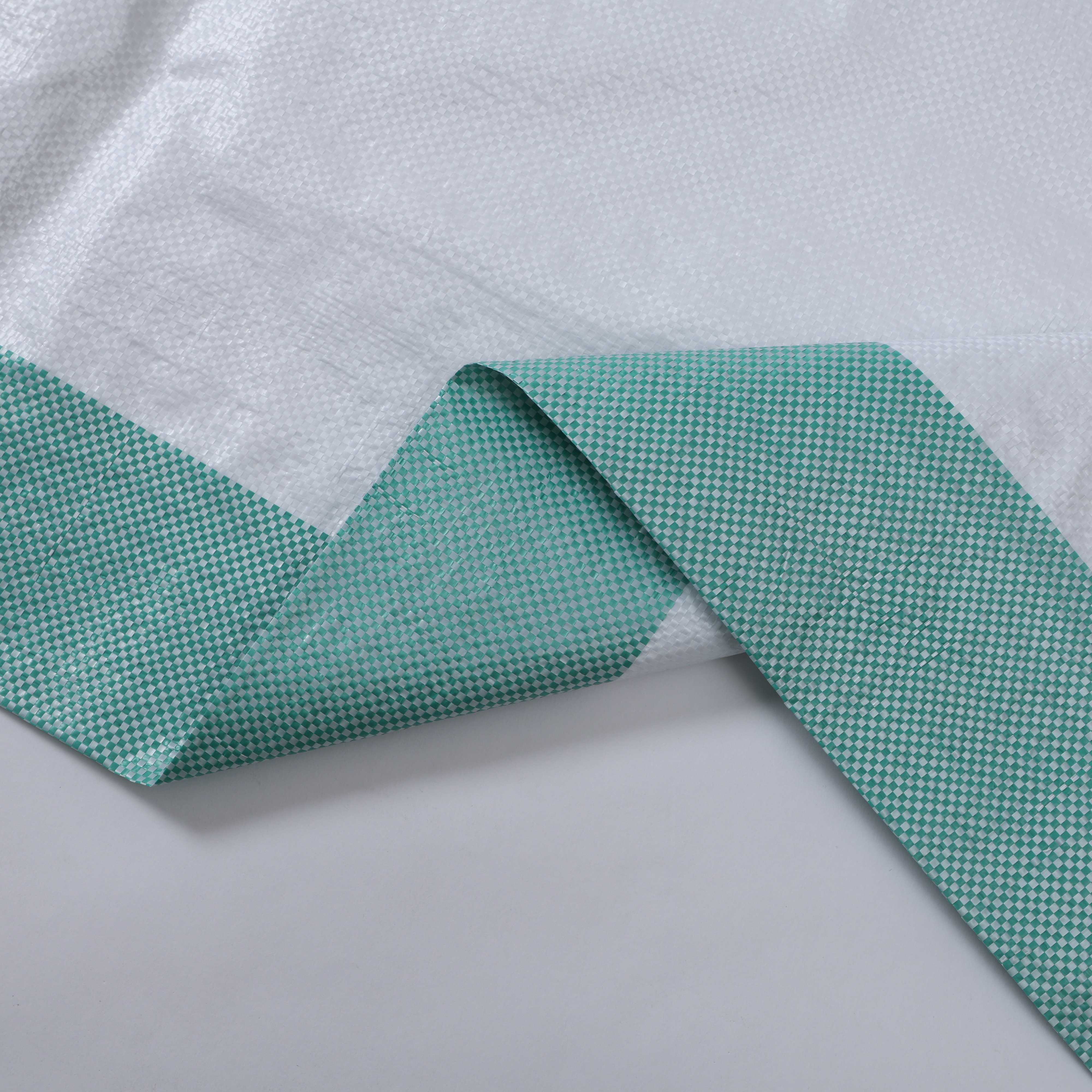
Choosing the right storage solution for grain, seeds, and other agricultural commodities is critical for farm operations. Feed bags serve as the primary containment for livestock feed, animal feed bag systems, and various farm inputs, yet many farmers struggle to decide between woven and paper options. Each type brings distinct advantages and limitations depending on your storage conditions, handling practices, and long-term cost considerations.
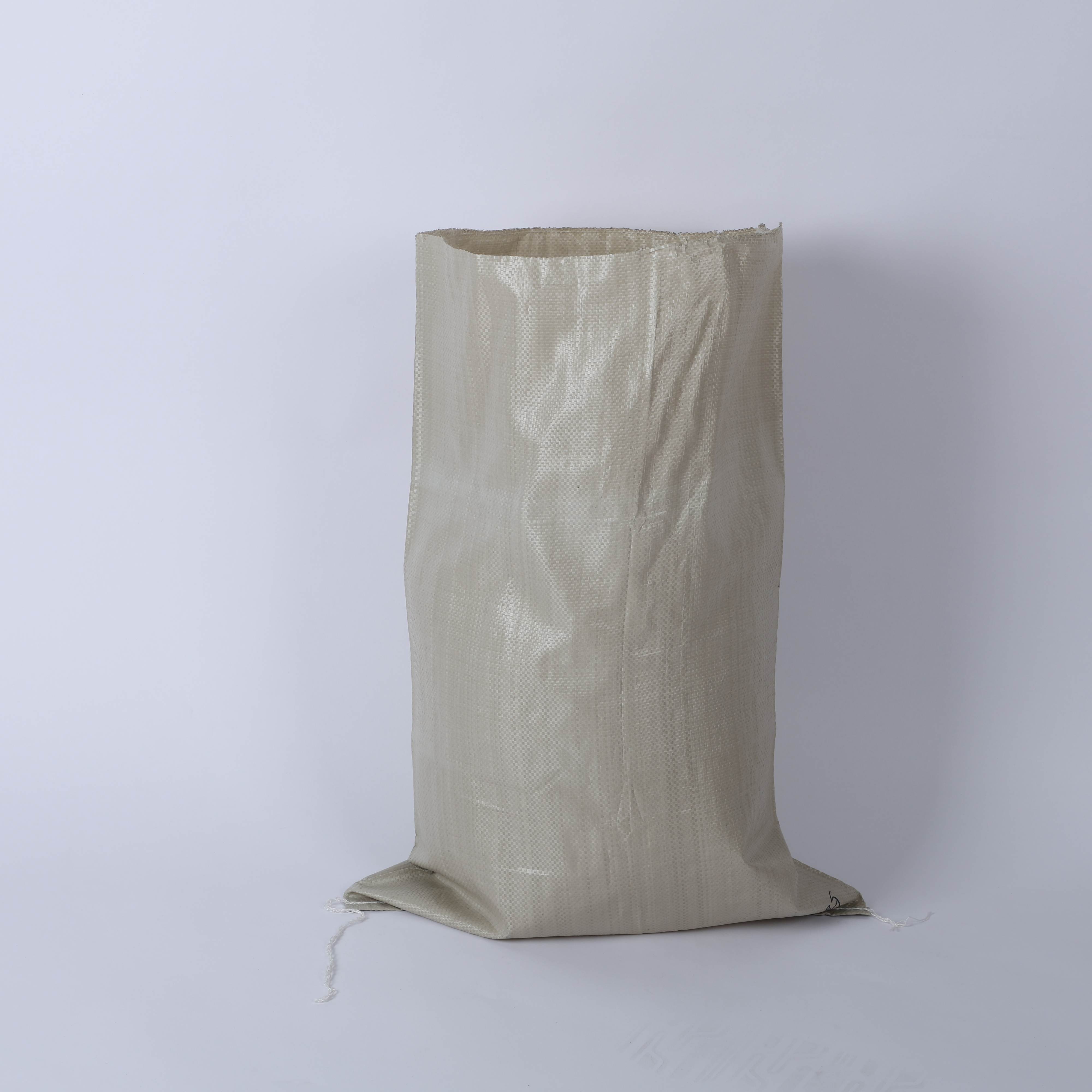
Understanding the practical differences between woven polypropylene materials and traditional paper construction helps you align your choice with actual farm needs. This comparison explores durability, environmental exposure, handling efficiency, cost structure, and application scenarios so your operation can make an informed investment decision.
Woven polypropylene feed bags are engineered from interlocked plastic film strands that create a lattice structure. This pp feed sack design provides superior tensile strength compared to paper alternatives, allowing the bag to resist tearing during loading, transport, and stacking. The polypropylene material inherently resists moisture penetration, protecting contents from ambient humidity and unexpected water exposure. Woven bags typically withstand repeated handling cycles and remain structurally intact even when subjected to rough farm equipment or stacking pressures that would compromise paper construction.
The durability of woven livestock feed bag systems extends storage life significantly. A quality pp feed sack maintains integrity for months or even years when stored properly, whereas paper feed bags degrade progressively with each environmental exposure cycle. Farmers using woven solutions report fewer incidents of product loss due to bag failure, translating to measurable cost savings across large-scale storage operations.
Traditional paper animal feed bag construction relies on cellulose fiber bonding, which provides adequate strength under dry, controlled conditions. However, paper degrades rapidly when exposed to moisture, temperature fluctuations, or mechanical stress. An animal feed bag made entirely of paper becomes vulnerable within weeks of exposure to humid environments or outdoor storage conditions. The fiber structure weakens progressively, increasing the risk of punctures, seam separation, and complete bag failure.
Paper feed bags also absorb moisture, causing contents to clump, spoil, or develop fungal growth that renders feed unsuitable for livestock consumption. This degradation process accelerates in coastal regions, areas with high seasonal humidity, or farms without climate-controlled storage facilities. The feed packaging bag industry recognizes paper limitations, which is why many producers now offer hybrid or reinforced paper options, though these remain less robust than dedicated woven alternatives.
Farm storage environments present variable moisture exposure that directly impacts bag performance. A livestock feed bag constructed from woven polypropylene naturally resists moisture absorption and maintains a moisture barrier even during high-humidity seasons. The pp feed sack material does not swell, warp, or weaken when exposed to damp conditions, protecting grain quality and feed nutritional value. In contrast, paper-based feed packaging bag solutions absorb atmospheric moisture gradually, creating internal condensation and compromising product freshness.
For farms in humid climates or those without dedicated dry storage, woven options provide substantially better protection. The barrier properties mean contents remain stable longer, reducing spoilage waste and the need for frequent inventory rotation. This environmental performance advantage directly affects profitability in regions where humidity management is a persistent challenge.
Temperature cycling accelerates material degradation differently across feed bags constructed from different materials. Paper fibers become brittle when exposed to direct sunlight and high temperatures, leading to crack formation and seam failure. Woven polypropylene resists UV radiation far better, maintaining structural integrity through extended outdoor exposure periods that would severely compromise paper alternatives. An animal feed bag left in direct sun will remain functional if constructed from quality pp feed sack material, whereas paper would begin showing visible damage within weeks.
Cold storage environments also present distinct challenges. Paper becomes stiff and prone to splitting in freezing conditions, particularly if any moisture was present before temperature drops. Woven livestock feed bag systems remain flexible and resilient across temperature ranges, reducing handling damage risk during winter feeding seasons when product movement intensifies.
Initial purchase price favors paper feed bags, which typically cost less per unit than woven alternatives. However, this surface-level comparison ignores operational realities that drive total cost of ownership. A livestock feed bag made from paper may require replacement after a single storage season, whereas woven options remain serviceable for multiple years. When calculating cost per use cycle or per ton of feed stored, polypropylene feed packaging bag solutions often deliver superior value despite higher upfront investment.
Many commercial operations reuse woven polypropylene bags multiple times after washing and inspection, extending service life further and reducing per-use costs substantially. Paper feed bags cannot be reliably cleaned and reused due to fiber degradation, forcing continuous repurchasing. Farms that process multiple crop cycles annually benefit significantly from woven livestock feed bag reusability economics.
Beyond bag replacement, secondary costs accumulate with paper feed bags. Spoilage losses from moisture-compromised products significantly outweigh savings from lower initial bag prices. Labor costs associated with cleaning up failed bags, recovering spilled contents, and managing inferior storage conditions add up quickly. A pp feed sack prevents these incidents through superior barrier properties and structural durability, protecting profit margins across entire feeding seasons.
Inventory management efficiency improves with woven options because product stays viable longer without degradation risk. Farms spend less time rotating aging stock or writing off damaged inventory. These operational efficiencies justify higher equipment investment and support stronger overall farm economics, particularly for operations managing large volumes of animal feed bag storage.
Woven polypropylene feed bags excel in farms with extended storage cycles, humid environments, outdoor or partially covered storage facilities, and operations requiring reusable containers. Large commercial operations, feed mills, and producers managing multiple commodity types benefit significantly from feed packaging bag durability and environmental resistance. If your operation prioritizes consistent product quality, minimal spoilage, and multi-year equipment reliability, woven livestock feed bag investment aligns with your priorities.
The pp feed sack material also supports sustainability objectives by eliminating single-use consumption patterns and reducing agricultural waste. Farms focused on environmental stewardship appreciate woven options' extended service life and potential for recycling after useful life ends. This alignment with modern sustainability expectations increasingly influences purchasing decisions among progressive operations.
Paper animal feed bag solutions remain viable when storage conditions are controlled, climate is dry, storage duration is brief, and budget constraints are severe. Small-scale operations with limited inventory volumes and farmers managing single-season feed purchases without long-term storage may find paper adequate for their specific circumstances. Premium or specialty paper feed bags with moisture barriers offer improved performance compared to basic grades, providing middle-ground solutions for cost-conscious producers.
Operations benefiting from paper include those with climate-controlled indoor storage, short turnaround times between purchase and consumption, and lower environmental exposure. However, even in these favorable conditions, paper feed packaging bag performance degrades predictably over time, eventually necessitating woven conversion for reliability assurance.
Yes, quality woven polypropylene feed bags can be reused many times when properly cleaned, inspected for damage, and stored appropriately between uses. Most commercial operations wash and repurpose woven livestock feed bag systems for multiple seasons, significantly extending value and reducing per-use costs. Paper animal feed bag products cannot be reliably reused due to fiber degradation, making them inherently single-use solutions.
A well-maintained pp feed sack can remain functional for three to five years or longer depending on storage conditions and handling intensity. Woven polypropylene feed packaging bag durability far exceeds paper, which typically degrades within one season in humid or outdoor environments. The exact lifespan of livestock feed bag systems depends on climate exposure, stacking pressure, and whether contents are actively shifted during the storage period.
Woven polypropylene feed bags offer environmental advantages through extended product life and reusability compared to paper alternatives. While plastic materials require responsible end-of-life management, the multi-year service life of animal feed bag woven solutions typically produces lower total environmental impact than continuous paper replacement cycles. Many modern polypropylene feed packaging bag products incorporate recycled content and are themselves recyclable, supporting circular economy principles in agricultural operations.

Discover the 4 critical production metrics—throughput, defect rate, equipment uptime & on-time delivery—to vet factories confidently.

Ensure regulatory compliance & worker safety with proven methods for chemical woven bags—material selection, labeling, storage & training.

Discover the full PP woven bag manufacturing workflow—from extrusion & weaving to printing & QC. Boost efficiency, compliance & ROI. Download the process guide now.

Struggling with weak bags or high material waste? Master extrusion and tape drawing tech for stronger, cheaper PP woven bags. Optimize your production line now.

Struggling with defects or customer returns? Discover the 5 non-negotiable quality checkpoints across your woven bag production line
Which automation tier is right for your PP woven bag factory? Compare manual to Industry 4.0 systems for cost, quality, and scalability.
Get in touch for details on polypropylene woven bags and flexible packaging solutions.
Tel
Address
No.2015, Liaoyuan Building, Lanshan District, Linyi City, Shandong Province.China

