 EN
How to Assess Production Efficiency at a PP Woven Bag Factory
Discover the 4 critical production metrics—throughput, defect rate, equipment uptime & on-time delivery—to vet factories confidently.

2026/08/31
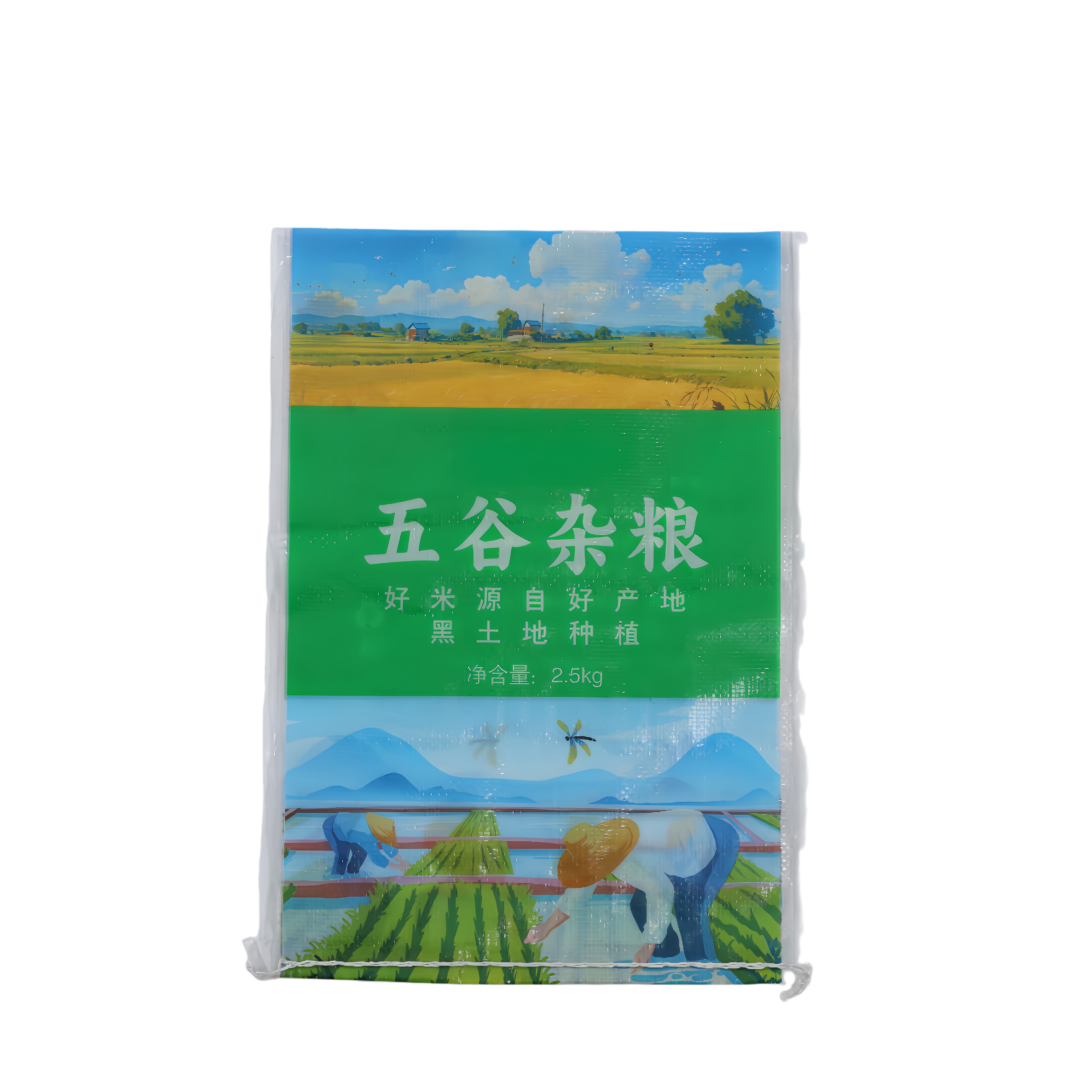
When managing bulk fertilizer inventory, the choice between woven fertilizer bags and plastic drums fundamentally shapes operational efficiency, cost structure, and product protection. Agricultural operations ranging from small farms to large distribution centers face this critical storage decision regularly. The selection directly impacts handling logistics, storage footprint, transportation expenses, and long-term product preservation.
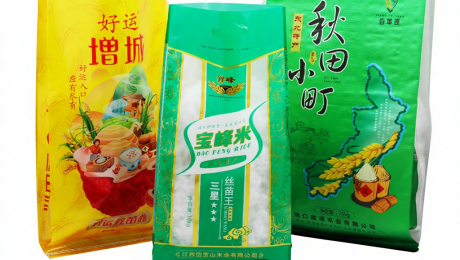
Understanding the advantages and limitations of each agricultural fertilizer packaging solution allows stakeholders to align their choice with specific operational requirements, climate conditions, and budget constraints. This comparison examines the practical implications of woven bags versus drums, addressing durability, cost, environmental factors, and application suitability across different storage scenarios.
Woven fertilizer bags, typically constructed from polypropylene material, offer remarkable versatility in agricultural operations. The pp fertilizer sack design incorporates multiple layers that balance structural integrity with breathability, allowing slight moisture regulation while preventing major environmental intrusion. These bags accommodate various closure methods including sewing, stapling, or valve mechanisms, providing flexibility for different fertilizer types and operational workflows.
The woven construction allows fertilizer bags to conform to stacking arrangements and utilize vertical storage space efficiently. Standard capacities range from 25 kilograms to 50 kilograms per unit, though larger pp fertilizer sack options exist for specific applications. The semi-flexible nature of woven sacks enables operators to adapt storage configurations based on available warehouse dimensions and inventory rotation requirements.
Plastic drums provide rigid containment with sealed construction, offering superior protection against moisture penetration and environmental contamination. These drums typically hold 200 to 250 liters of bulk fertilizer materials, creating substantially fewer handling units compared to equivalent woven storage. The rigid sidewalls eliminate settling compression and provide predictable stacking dimensions for logistics planning.
Drum construction prioritizes complete environmental isolation, making them ideal for hygroscopic fertilizer formulations that attract atmospheric moisture. The sealed design also prevents dust release during handling and transportation, addressing air quality and operator safety concerns in agricultural fertilizer packaging applications.
Woven fertilizer bags present significantly lower per-unit acquisition costs compared to plastic drums. A single pp fertilizer sack typically costs 30 to 50 percent less than an equivalent-capacity drum container. For operations storing thousands of units annually, this differential translates into substantial capital expense reduction and improved cash flow management in agricultural fertilizer packaging budgets.
Plastic drums command premium pricing due to manufacturing complexity, material durability standards, and reusability design. However, drums achieve cost advantage through reusable cycles when operations retrieve and refill the same containers repeatedly. Operations performing 10 or more refill cycles recover initial investment premium and realize lower per-cycle costs than single-use woven alternatives.
Woven bags reduce transportation weight and volume substantially, lowering shipping costs per kilogram of fertilizer delivered. The lightweight construction also reduces labor demands for manual handling, minimizing ergonomic injuries and worker compensation exposure in agricultural operations. Lower transportation costs prove particularly advantageous for distributed operations spanning multiple storage locations or farm sites.
Drums optimize logistics through consolidated unit reduction; fewer containers mean fewer handling steps and streamlined inventory tracking. The return logistics for refill cycles create residual cost obligations that woven options avoid entirely. Operations must weigh these return transportation expenses against the reuse economics when evaluating total ownership costs across complete fertilizer storage cycles.
Woven fertilizer bags, particularly pp fertilizer sack variants, present recyclability advantages when manufactured from virgin or recycled polypropylene. Single-use deployment eliminates infrastructure requirements for collection and reverse logistics. Agricultural fertilizer packaging in woven format integrates readily into existing plastic recycling streams, though regional acceptance varies across municipal programs.
Plastic drums demonstrate significant sustainability advantage through multi-cycle reuse economics. Each drum replacement represents eventual landfill contribution, but extended service life—typically 10 to 20 years—amortizes environmental impact across substantial product volume. Reusable drum systems require established reverse logistics infrastructure and committed supplier relationships to realize environmental benefits.
Woven bags allow limited air exchange, reducing moisture condensation inside containers during temperature fluctuations common in agricultural storage. This breathability characteristic proves beneficial in open-air or semi-covered storage configurations typical in rural fertilizer distribution. The semi-permeable nature of agricultural fertilizer packaging in woven format aligns naturally with field-based and transitional storage environments.
Plastic drums maintain constant internal environment regardless of external weather patterns, protecting sensitive formulations from humidity and temperature variation. Climate-controlled warehouse facilities fully leverage drum advantages, while temporary or outdoor storage exposes sealed containers to expansion pressure and condensation risk inside sealed environments.
Woven fertilizer bags accommodate granular, pelleted, and powdered formulations effectively across conventional agricultural operations. The pp fertilizer sack format works particularly well for dry, free-flowing materials and standard nitrogen-phosphorus-potassium blends. Specialty fertilizers with anti-caking additives and conventional agricultural fertilizer packaging applications align naturally with woven container specifications.
Plastic drums excel with liquid fertilizers, suspension solutions, and hygroscopic dry materials requiring absolute moisture protection. Acidic formulations and chelated micronutrient solutions depend on drum containment to prevent degradation. Agricultural fertilizer packaging for premium or specialized products often demands the environmental certainty that sealed drum construction provides.
Woven bags integrate seamlessly into manual and partially mechanized agricultural operations, requiring minimal specialized equipment for opening and dispensing. Farm-based operations value the simplicity and accessibility of traditional sack formats. The portability of individual pp fertilizer sack units suits operations performing frequent distribution across multiple field locations or application equipment.
Drums require mechanical handling equipment including forklifts or pallet jacks for efficient movement, adding operational infrastructure requirements. Bulk loading systems and pneumatic conveyance work effectively with drum-based storage, benefiting large-scale operations with consolidated inventory management. Agricultural fertilizer packaging in drum format suits centralized distribution centers and operations with sophisticated material handling capabilities.
Plastic drums offer superior protection through sealed construction and complete environmental isolation, making them ideal for hygroscopic materials, liquid solutions, and premium formulations susceptible to moisture degradation. Woven fertilizer bags provide adequate protection for conventional dry granular products but allow limited air exchange that may introduce atmospheric moisture over extended storage periods in humid climates.
Woven bags present lower initial investment but single-use economics, while pp fertilizer sack or plastic drum reuse requires established reverse logistics infrastructure. Operations performing fewer than five annual refill cycles typically favor woven options due to lower total expense. High-volume operations with integrated recovery systems and consistent demand patterns achieve superior economics through drum reusability over multi-year operational cycles.
Woven fertilizer bags integrate readily into recycling programs and eliminate reverse logistics burdens, supporting sustainability goals in resource-constrained operations. Plastic drums demonstrate environmental advantage through extended multi-cycle lifespan when genuine reuse infrastructure exists. Regional recycling availability, operational recovery capability, and genuine reuse commitment should inform selection between agricultural fertilizer packaging formats.

Discover the 4 critical production metrics—throughput, defect rate, equipment uptime & on-time delivery—to vet factories confidently.

Ensure regulatory compliance & worker safety with proven methods for chemical woven bags—material selection, labeling, storage & training.

Discover the full PP woven bag manufacturing workflow—from extrusion & weaving to printing & QC. Boost efficiency, compliance & ROI. Download the process guide now.

Struggling with weak bags or high material waste? Master extrusion and tape drawing tech for stronger, cheaper PP woven bags. Optimize your production line now.

Struggling with defects or customer returns? Discover the 5 non-negotiable quality checkpoints across your woven bag production line
Which automation tier is right for your PP woven bag factory? Compare manual to Industry 4.0 systems for cost, quality, and scalability.
Get in touch for details on polypropylene woven bags and flexible packaging solutions.
Tel
Address
No.2015, Liaoyuan Building, Lanshan District, Linyi City, Shandong Province.China

