 EN
How to Assess Production Efficiency at a PP Woven Bag Factory
Discover the 4 critical production metrics—throughput, defect rate, equipment uptime & on-time delivery—to vet factories confidently.

2026/08/12
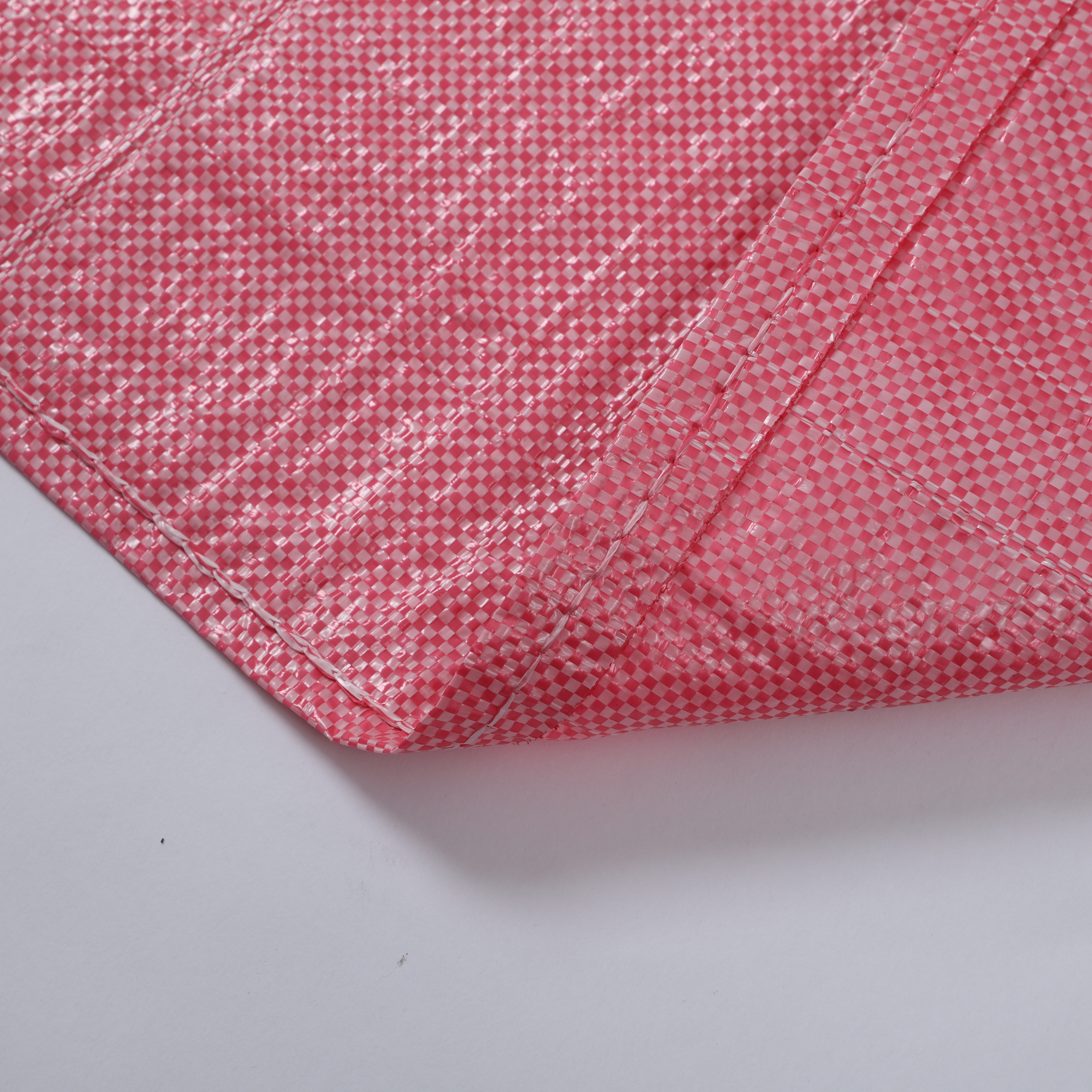
Selecting the right packaging bag solution for bulk material storage represents a critical decision for operations managing flour, grains, chemicals, aggregates, or minerals. The choice between woven packaging sacks and traditional paper alternatives directly impacts storage efficiency, product integrity, handling costs, and environmental performance. Understanding the strengths and limitations of each option enables procurement teams and facility managers to align their packaging strategy with operational requirements and budget constraints.
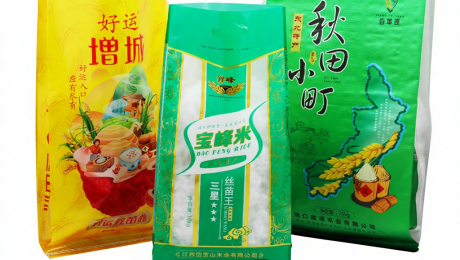
Both woven packaging sacks and paper bags serve the bulk packaging bag market, yet they operate under fundamentally different performance profiles. Woven polypropylene solutions deliver exceptional puncture resistance and structural integrity over extended storage periods, while paper alternatives offer simplicity and lower upfront material costs. The industrial packaging bag landscape has evolved significantly, with modern woven technologies addressing historical concerns about sustainability and weight. This comparison examines material composition, durability, cost structure, environmental considerations, and practical application scenarios to guide informed decision-making for your bulk storage operations.
A pp packaging bag constructed from polypropylene offers multi-layered structural advantages that define modern bulk packaging solutions. Woven polypropylene combines flat or tubular fabric woven from polypropylene yarns, creating a dense mesh that resists tearing and puncturing even under rough handling or when stored against sharp surfaces. The woven packaging sack structure allows controlled stretching and stress distribution, meaning individual contact points do not propagate into catastrophic failures. Additional lamination layers, including HDPE or craft paper liners, enhance moisture resistance and product containment, transforming the industrial packaging bag into an all-weather solution suitable for outdoor stacking or direct ground contact.
Paper bags rely on multi-ply kraft paper layers adhesively bonded together to create structural strength through material density rather than weave pattern. A traditional paper packaging bag typically uses three to six plies of kraft fibers, where each ply contributes tensile strength in the machine and cross-machine directions. Paper composition makes these bags inherently breathable, allowing gradual moisture equilibration but also creating vulnerability to liquid exposure or high-humidity environments. The bulk packaging bag market has seen limited innovation in paper design over recent decades, with most improvements focusing on ply count rather than fundamental material science advances.
Woven packaging sacks demonstrate exceptional resilience against moisture infiltration and environmental exposure, making them ideal for extended outdoor storage or challenging warehouse conditions. The polypropylene material resists mold growth, insect penetration, and chemical degradation from prolonged UV exposure. Test data shows woven industrial packaging bag systems maintain structural integrity after six to twelve months of continuous storage, even in coastal or high-humidity climates. Conversely, paper bags lose tensile strength when exposed to moisture, with fiber saturation occurring within hours of liquid contact. A pp packaging bag with proper lamination can maintain product containment for years, while paper alternatives typically degrade within weeks under similar moisture stress.
The industrial packaging bag industry has documented that woven polypropylene systems perform consistently across temperature ranges from freezing to 50 degrees Celsius without embrittlement or loss of tear strength. Woven packaging sacks handle repetitive mechanical stress during forklift loading, vibration transport, and stacking operations with minimal fiber breakage or seam separation. Paper bags experience reduced flexibility in cold conditions and become prone to cracking at fold lines and corners. The bulk packaging bag comparison reveals that repeated handling cycles degrade paper structures more rapidly, with visible wear appearing after just three to four material movements through handling equipment.
Paper packaging bag solutions typically exhibit lower upfront unit costs, with prices ranging thirty to fifty percent below comparable woven alternatives. However, this calculation omits critical lifecycle factors that reverse the economic advantage when extended storage or harsh conditions are factored into the analysis. The pp packaging bag requires higher capital investment in production infrastructure and lamination processes, creating economies of scale that favor bulk ordering. An industrial packaging bag procurement strategy based solely on unit price often overlooks total cost of ownership, including storage losses, product damage, and replacement frequency.
Woven packaging sacks reduce operational expenses through lower damage rates, fewer premature failures, and extended reusability for secondary applications. When a bulk packaging bag successfully protects contents across extended storage periods without moisture intrusion or structural failure, the per-unit cost amortizes across months or years of service. Paper alternatives require more frequent replacement cycles, higher labor costs for inventory management, and increased waste disposal expenses. Industries managing high-value materials such as specialty chemicals or premium aggregates consistently report that investing in woven polypropylene packaging bag systems yields superior return on investment compared to paper alternatives, despite higher initial purchase prices.
Modern woven packaging sack production increasingly incorporates recycled polypropylene content and design-for-disassembly principles that enhance circular economy participation. A pp packaging bag can be collected, sorted, and reprocessed into new applications including construction materials, automotive components, or subsequent generations of bulk packaging bags. The industrial packaging bag landscape has shifted toward producer responsibility programs where manufacturers design products for end-of-life recovery. Paper bags offer complete biodegradability but often contain non-recyclable coatings or adhesives that complicate processing, and their rapid degradation actually reduces collection viability since damaged bags contaminate recovery streams.
Manufacturing a woven packaging sack requires significantly less water and chemical processing compared to virgin kraft paper production, which involves energy-intensive pulping and bleaching processes. The pp packaging bag production footprint decreases further when recycled polypropylene content reaches thirty percent or higher, a threshold many reputable industrial packaging bag suppliers have already achieved. While paper appears inherently sustainable, most kraft production relies on virgin fiber harvesting from managed or unmanaged forestry operations. Lifecycle assessments conducted across multiple seasons show woven polypropylene solutions delivering lower carbon intensity and reduced environmental impact per unit volume stored.
Woven packaging sacks become the preferred choice when storage duration exceeds three months, moisture exposure risk is moderate or high, outdoor stacking is required, or product value justifies investment in superior protection. Operations handling agricultural commodities, minerals, construction materials, or specialty chemicals almost universally benefit from woven industrial packaging bag solutions. Paper bags remain acceptable only for temporary indoor storage of low-value bulk commodities under strictly controlled climate conditions.
Yes, woven polypropylene packaging sacks maintain structural integrity after discharge of contents and commonly serve secondary roles including raw material transport, waste containment, or temporary storage of secondary materials. The industrial packaging bag durability enables multiple reuse cycles, with some operations achieving five to eight discharge-and-refill cycles before material degradation becomes apparent. Paper alternatives typically tear or degrade during discharge handling, eliminating reuse opportunities and increasing total lifecycle waste generation.
Initial unit costs for pp packaging bag solutions typically range twenty-five to fifty percent above paper alternatives, depending on production volume and lamination specifications. However, reduced damage rates and extended storage viability typically reduce total cost of ownership by fifteen to thirty percent over a two-year procurement cycle. A woven packaging sack investment that prevents single catastrophic storage loss through moisture intrusion or structural failure often justifies the premium within the first cycle, making financial analysis essential before defaulting to lower-cost paper packaging bags.

Discover the 4 critical production metrics—throughput, defect rate, equipment uptime & on-time delivery—to vet factories confidently.

Ensure regulatory compliance & worker safety with proven methods for chemical woven bags—material selection, labeling, storage & training.

Discover the full PP woven bag manufacturing workflow—from extrusion & weaving to printing & QC. Boost efficiency, compliance & ROI. Download the process guide now.

Struggling with weak bags or high material waste? Master extrusion and tape drawing tech for stronger, cheaper PP woven bags. Optimize your production line now.

Struggling with defects or customer returns? Discover the 5 non-negotiable quality checkpoints across your woven bag production line
Which automation tier is right for your PP woven bag factory? Compare manual to Industry 4.0 systems for cost, quality, and scalability.
Get in touch for details on polypropylene woven bags and flexible packaging solutions.
Tel
Address
No.2015, Liaoyuan Building, Lanshan District, Linyi City, Shandong Province.China

