 EN
How to Assess Production Efficiency at a PP Woven Bag Factory
Discover the 4 critical production metrics—throughput, defect rate, equipment uptime & on-time delivery—to vet factories confidently.

2026/09/07
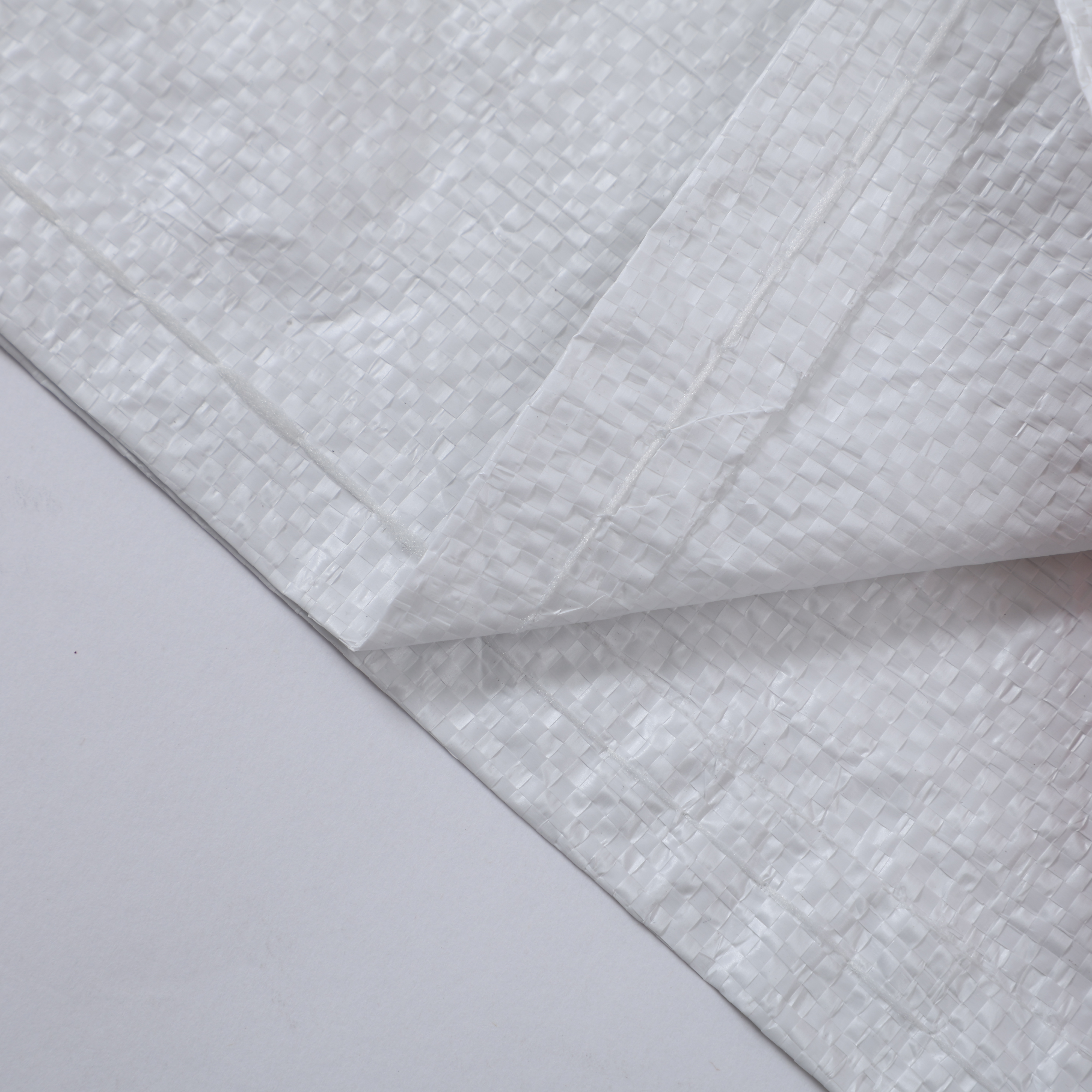
Choosing the right transport and storage solution for bulk salt is a critical decision for distributors, food processors, and industrial users. The debate between woven salt bags and plastic containers has reshaped supply chain practices across multiple sectors. Understanding the functional, economic, and operational differences between these two options is essential for making an informed choice that aligns with your business goals and regulatory requirements.
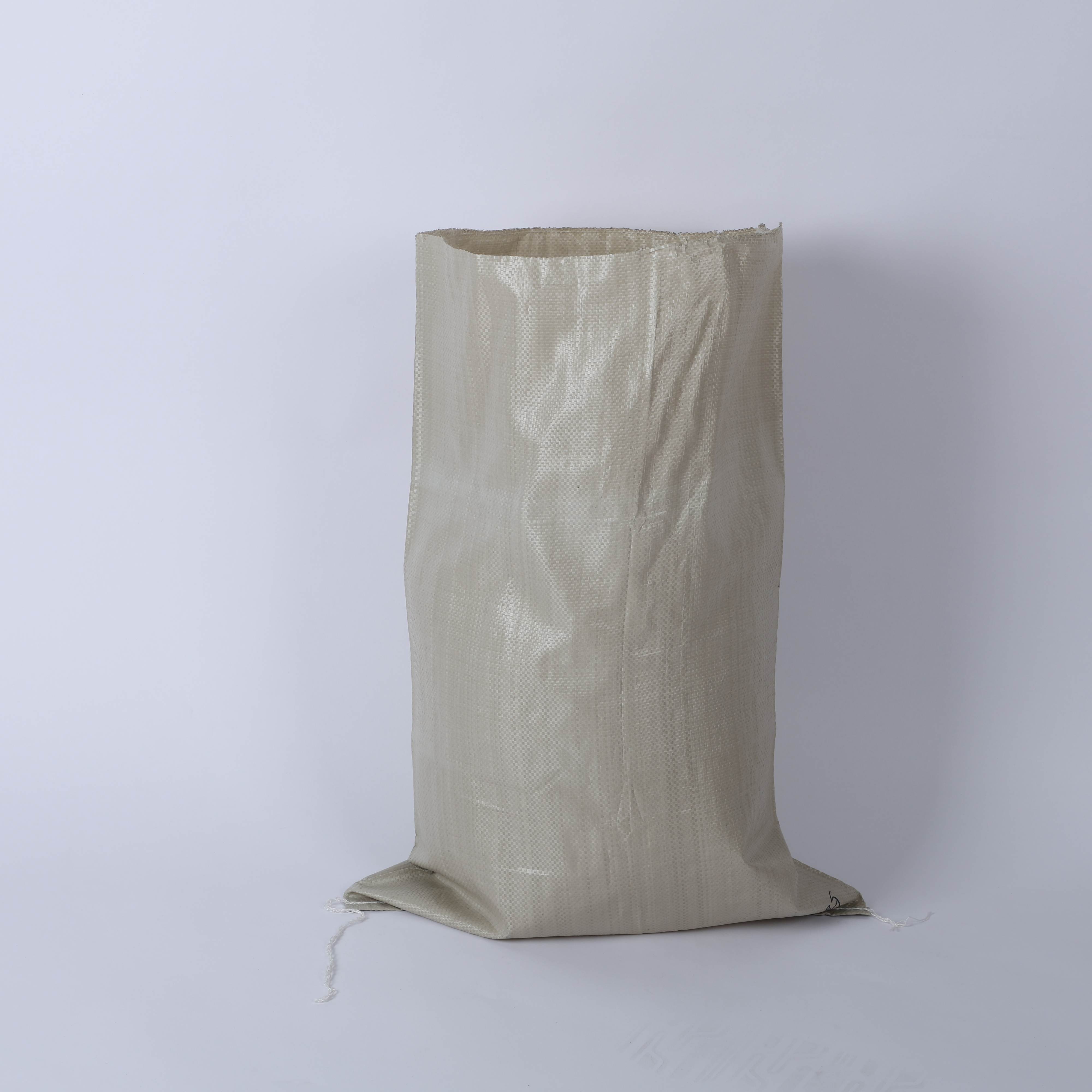
The salt industry depends on reliable, cost-effective packaging that protects product quality while managing transportation expenses. Woven salt bags have been the traditional standard for generations, yet modern plastic containers continue to gain market share. Each solution offers distinct advantages and constraints that affect total cost of ownership, environmental impact, and operational efficiency.
Salt bags manufactured from polypropylene woven material demonstrate exceptional load-bearing capacity and puncture resistance. A pp salt sack constructed with multiple layers and reinforced stitching can withstand repeated handling, stacking, and mechanical loading without compromising structural integrity. The inherent rigidity of woven material allows for efficient stacking in warehouses and containers, maximizing storage density and reducing shipping volume per unit of product.
Food grade woven bag standards ensure that salt bags meet regulatory specifications for direct food contact and safety. The density and weave pattern of polypropylene fibers create a barrier that protects salt granules from moisture absorption and external contamination during transit. Unlike rigid plastic containers, woven structures naturally flex and adapt to load distribution, reducing stress concentration points that could lead to failure.
Rigid plastic containers offer consistent dimensional stability but have inherent fragility when subjected to dynamic stacking and impact stress. Thermal cycling, UV exposure, and prolonged contact with salt granules can cause plastic to become brittle, leading to cracking and leakage. The food grade woven bag alternative avoids this material fatigue mechanism entirely through its textile construction, which maintains flexibility over extended use cycles.
Plastic containers require careful handling protocols to prevent structural damage, which increases labor costs and introduces variability in supply chain management. Repeated use of damaged containers compromises the seal integrity and allows salt moisture absorption, affecting product quality downstream.
The upfront cost of pp salt sack packaging is substantially lower than rigid plastic container systems. Per-unit pricing for woven salt bags typically ranges 40–60 percent below equivalent plastic container options due to simpler manufacturing and lower material costs. When calculated across annual purchasing volumes for large salt distributors, this cost differential represents significant capital savings that directly improves competitive positioning.
Lifecycle cost analysis must account for reusability, maintenance, and replacement frequency. While plastic containers may offer longer individual service life in controlled environments, their susceptibility to damage in real-world logistics creates hidden costs through premature replacement, disposal fees, and inventory management complexity. Salt packaging bag solutions using woven construction typically achieve superior total cost of ownership when weighted across multiple shipment cycles.
Woven salt bags reduce handling complexity because they compress and nest efficiently, minimizing return transport volume for empty containers. Plastic containers require dedicated reverse logistics, storage facilities for clean and dirty containers, and washing or sterilization protocols that add operational overhead. The salt woven bag format eliminates these hidden costs while simplifying supply chain workflows.
Storage and warehousing expenses decrease with woven salt bags due to their flexibility and stackability. Plastic containers occupy fixed cubic volume regardless of fill status, consuming warehouse space inefficiently. By contrast, empty woven bags collapse to minimal thickness, recovering storage capacity and reducing real estate consumption in distribution centers.
The environmental impact of salt packaging bag selection extends beyond manufacturing to encompass entire lifecycle implications. Woven polypropylene bags are recyclable and widely accepted in industrial waste streams across most developed regions. Many salt distributors have established reverse collection programs that redirect used bags for recycling, creating circular economy benefits that reduce landfill burden.
Plastic containers present disposal challenges due to their rigid structure and complexity in composite designs. Food grade woven bag materials are simpler in composition and more readily processed through existing recycling infrastructure. The lighter weight of woven bags reduces carbon emissions during transport, compounding environmental advantages throughout the distribution network.
Food grade woven bag certification requirements mandate rigorous testing for chemical migration, microbial contamination, and physical integrity. Salt woven bag products must comply with FDA, EU, and local food contact material regulations. These standards ensure that pp salt sack packaging maintains product safety without requiring additional protective barriers, whereas plastic containers sometimes necessitate internal linings that complicate recycling.
Compliance documentation and traceability are more straightforward with woven material solutions because their construction is transparent and easily inspected. Regulatory agencies recognize salt packaging bag manufacturing standards as established best practices, streamlining approval processes for food industry users.
Woven salt bags offer superior cost efficiency, better stackability, and improved environmental performance. They reduce total logistics expenses through lower initial pricing and simpler reverse logistics, while their puncture-resistant construction minimizes damage-related losses. The flexibility of woven material adapts to real-world handling stresses better than rigid plastic alternatives.
Yes, food grade woven bag materials meet FDA and international safety standards for direct food contact. These bags undergo rigorous testing to ensure no harmful chemical migration and maintain microbial safety throughout storage and transport. Manufacturers provide certified documentation confirming compliance with all applicable regulations.
A pp salt sack typically maintains functional integrity through multiple use cycles in standard logistics environments, while plastic containers often show brittleness and cracking after 2–3 years of active use. However, because woven bags are typically lower cost and recyclable, the total cost per use cycle favors woven material even if plastic containers theoretically last longer in laboratory conditions. Real-world handling environments accelerate plastic degradation significantly.

Discover the 4 critical production metrics—throughput, defect rate, equipment uptime & on-time delivery—to vet factories confidently.

Ensure regulatory compliance & worker safety with proven methods for chemical woven bags—material selection, labeling, storage & training.

Discover the full PP woven bag manufacturing workflow—from extrusion & weaving to printing & QC. Boost efficiency, compliance & ROI. Download the process guide now.

Struggling with weak bags or high material waste? Master extrusion and tape drawing tech for stronger, cheaper PP woven bags. Optimize your production line now.

Struggling with defects or customer returns? Discover the 5 non-negotiable quality checkpoints across your woven bag production line
Which automation tier is right for your PP woven bag factory? Compare manual to Industry 4.0 systems for cost, quality, and scalability.
Get in touch for details on polypropylene woven bags and flexible packaging solutions.
Tel
Address
No.2015, Liaoyuan Building, Lanshan District, Linyi City, Shandong Province.China

